

September 5, 2024
What are the best materials for beginners in wood carving?
What are the best materials for beginners in wood carving?
What are the best materials for beginners in wood carving?
For a successful start in wood carving, beginners should choose materials like Basswood, Butternut, and Pine. Basswood is the most popular because of its softness and ease of carving, while Butternut and Pine offer good alternatives with similar carving characteristics. Remember, the right material can make carving as smooth as a hot knife through butter (almost)!!!
Здравствуйте! For those just getting into wood carving, it's important to pick the right kind of wood. Basswood is the best because it's soft and easy to carve. Butternut is also great (a bit softer with a nice color), and Pine can work if you get pieces without knots. Imagine picking up a collection of these woods and seeing which one feels best to you—kinda like testing ice cream flavors!!!
- Basswood: Soft and easy to carve, great for fine details.
- Butternut: Softer than Basswood with a warm color, good for detailed projects.
- Pine: Cheap and available, but be careful of knots and splitting.
- Poplar: Versatile and smooth, but doesn't hold fine details as well.
- Cherry: Harder and advanced, but offers a beautiful finish.
Choosing the right wood can be the difference between a beautiful carving and a frustrating one. Patience and the right materials are the true master’s tools.

What makes Basswood good for carving?
Basswood is favored by carvers because of its softness, fine grain, and lack of knots, making it exceptionally easy to work with for various carving techniques. It holds intricate details well, providing a smooth carving experience for both beginners and pro carvers. If carving had a best friend, it would probably be Basswood—reliable and always there when you need it!
Здравствуйте! Basswood is great for carving because it's really soft and doesn't have any knots. This makes it easy for anyone to shape and carve without much trouble. Plus, it's like the superhero of woods because it doesn't split easily!!!

- Softness: Basswood's softness reduces the effort needed to carve, helping you focus more on your creative designs.
- Fine Grain: The fine grain of Basswood allows it to hold very detailed patterns, whether you're chip carving or doing more complex relief work.
- Availability: Widely available and affordable, making it an ideal choice for beginners to practice and hone their skills.
- Consistent Quality: The consistent quality of Basswood means less frustration and more joy in the carving process.
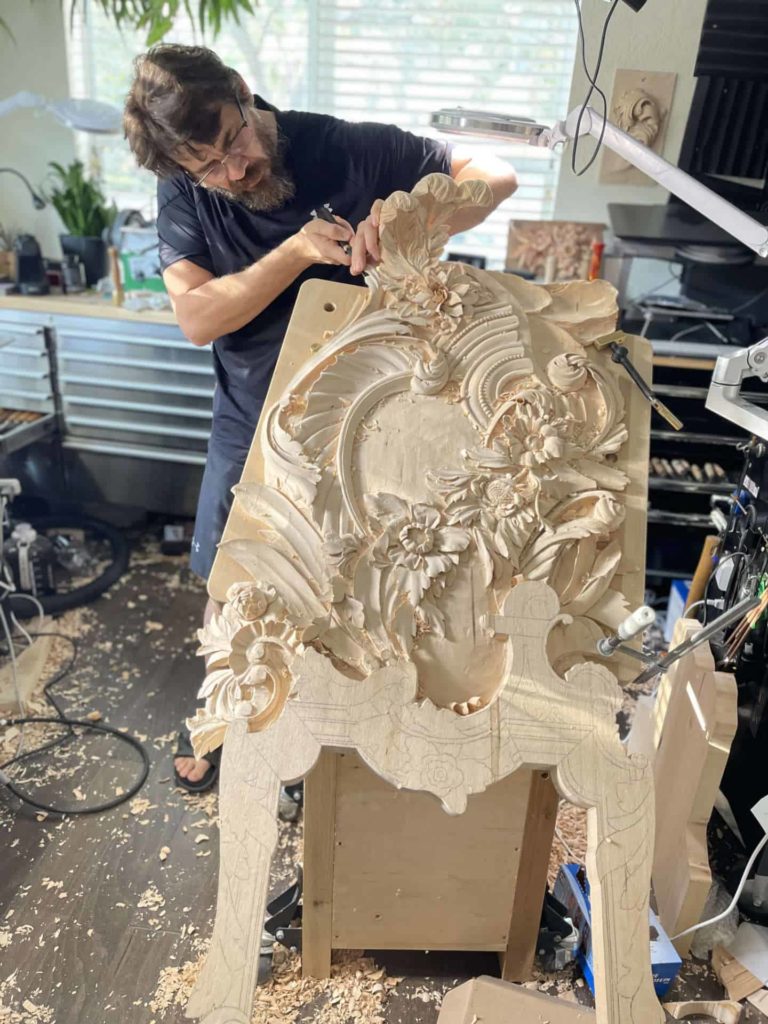
Using Basswood lets you focus on your artistry without battling the wood itself. When the material is just right, the carving feels more like a dance and less like a fight.
Why is Butternut a good choice for new carvers?
Butternut offers novice carvers a delightful experience because of its softness and minimal resistance, making it easier to carve than many types of wood. Its warm hue adds a lovely aesthetic to finished pieces, and it still offers enough firmness to hold detailed work well. Think of Butternut as the friendly neighbor who's always ready to lend a hand!
Здравствуйте! Butternut is a really nice wood for new carvers because it's not too hard and is very easy to carve. It has a beautiful warm color that makes your projects look great. Plus, it's like working with butter (almost) because of how smooth it is to carve!!!
- Softness: Workability with minimal effort, perfect for beginners.
- Warm Tone: Naturally attractive color improves the finished works.
- Detail Holding: Maintains fine details while being softer than many hardwoods.
- Aromatic: Sometimes releases a pleasant, mild scent while being carved.
Choosing Butternut for your first projects can make carving a joy rather than a chore. Remember, the best carving experiences start with the right wood.
Is pine easy to carve for beginners?
Pine can be a decent choice for novice carvers if you pick pieces free of knots and a straight grain. It's affordable and accessible, making it a good practice wood, though it might not hold fine details as well as other options. Think of pine as the training wheels for your wood carving journey—helpful but not built for advanced tricks!
Здравствуйте! Pine is good for beginners if you're careful to choose pieces without knots. It's not as soft as some other woods, but it's cheap and easy to find. Just keep in mind that it might be a little harder to get those fine details.
- Affordability: Pine is readily available and budget-friendly for practice.
- Workability: Choose knot-free pieces to avoid splitting and achieve smoother carving.
- Versatility: It can be used for various projects, though it's best suited for larger, less detailed work.
Pine may not be a masterpiece creator, but it's a fantastic wood for learning and honing your basic skills. Sometimes, you need a little rough texture to appreciate the finer grains in life.
Does Balsa wood work well for carving?
Balsa wood, known for its extreme lightness and softness, is often not ideal for detailed carving projects. While it is easy to carve, it doesn't hold fine details well and can break easily under pressure. Balsa is better suited for simple, lightweight projects or model making, like building a tiny Balsa wood airplane!
Здравствуйте! Balsa wood is super light and soft, making it easy to shape but not great for detail carving. It can break easily if you're not careful. So, while Balsa is fun for model airplanes, it won't be your best friend for more intricate carving work.
- Light Weight: Easy to carve but prone to breaking.
- Soft Texture: Good for simple shapes, not for fine details.
- Model Making: Ideal for lightweight projects like model building.
In wood carving, not all softwoods are created equal. Sometimes, the lightest touch creates the weakest results—choose your wood wisely.

What are the advantages of using Aspen wood for carving?
Aspen wood is highly valued by wood carvers for its consistent soft texture and minimal grain, making it easy to carve and manipulate. It’s also known for being less likely to splinter or crack, which is a blessing for those detail-oriented pieces. Picture aspen as your trusted partner in the wood carving journey, always reliable and smooth!
Aspen wood is another fine choice for carvers because it's soft and has a uniform grain. This makes it really easy to carve without worrying about the wood splitting. Imagine using aspen—it’s like having a smooth canvas for your carving projects!
- Smooth Texture: Easy to carve with consistent results.
- Minimal Splintering: Less prone to splintering, making it safer and more reliable for detailed work.
- Uniform Grain: Maintains its integrity across the entire piece, reducing issues with carving smooth curves or intricate designs.
- Availability: Widely accessible and affordable, perfect for beginners needing to practice their skills.
- Lightweight: Easier to handle and manipulate compared to some other woods.
Carving with aspen feels like dancing on a smooth floor—effortless and freeing, allowing your creativity to flow without interruption.

Should beginners consider using Oak?
Oak is usually not recommended for beginners because of its hardness and density, which make it difficult to carve. These properties can lead to frustration and a less enjoyable carving experience for those just starting out. Think of Oak as that stubborn friend who’s always hard to convince—sometimes it’s just not worth the effort!
Здравствуйте! Oak is strong and hard, making it tricky for new carvers to shape. It's like trying to mold a rock into a sculpture—it takes a lot of effort and patience. While Oak is beautiful and durable, beginners often find it challenging to work with.
- Hardness: Oak is tough to carve, requiring more force and sharper tools.
- Detail Retention: Despite its challenge, Oak holds fine details exceptionally well, making it a choice for advanced projects.
- Durability: Finished pieces from Oak are extremely durable and long-lasting, albeit tough to achieve for novices.
Oak presents a challenge that can sharpen your skills but might also test your patience. Sometimes, beginning with a less resistant wood can lead to more joy and mastery in the long run.
How does Cedar perform in carving projects?
Cedar is a softwood that offers a pleasant carving experience because of its softness and intriguing grain patterns. It is aromatic, which can make the carving sessions enjoyable, but it may not hold fine details as well as other woods. If you ask me, using cedar is like carving while enjoying a natural air freshener (at least your workshop will smell amazing)!
Carving with cedar is pretty fun because it's soft and smells great. When you carve it, the grain patterns look cool, but it might be a bit tricky for tiny details. Just imagine working with wood that makes your whole workshop smell like a forest!
- Soft and Aromatic: Easy to carve and has a pleasant smell, making for an enjoyable carving experience.
- Grain Patterns: Unique grain patterns can improve the visual appeal of your projects.
- Intermediate Detail: Suitable for projects that don’t require extremely fine details.
- Natural Resistance: Cedar's natural oils make it resistant to decay and insects, adding durability to your pieces.
Choosing the right wood can turn carving from a chore into a joy—cedar, with its beautiful aroma and easy workability, is like a breath of fresh air.

Why is Fruitwood recommended for beginners?
Fruitwood is recommended for beginner carvers because it provides a balance of softness and durability, making it easier to carve while still holding details well. Its beautiful grain and color add aesthetic appeal to finished pieces, and it is usually free of knots and imperfections. Imagine a beginner picking up a piece of fruitwood and find outing that it's almost like carving a fresh apple—smooth and rewarding!!!
Здравствуйте! Many beginners find fruitwood to be a great starting material for carving projects. It's softer than many other hardwoods, making it easier to work with, but still sturdy enough to hold intricate details. Plus, fruitwood often has a lovely grain pattern that can make your first projects look even more impressive!
- Softness and Durability: Easier to carve but still holds details well.
- Beautiful Grain: Natural grain patterns that improve the visual appeal of your carvings.
- Fewer Imperfections: Usually free from knots, making carving smoother and less frustrating.
- Aesthetic Appeal: Adds a lovely color and finish to projects, making them look professional right from the start.
Starting your wood carving journey with the right material can transform your experience from a challenge into a delight. Always choose wisely, and let the wood guide your creativity.


A Carver's Dream
In the forest's heart where the softwoods thrive,
New carvers seek treasures, where dreams come alive.
Basswood talks gently, the finest of friends,
With each gentle stroke, the struggle quickly ends.
Butternut glows warmly, a golden delight,
Encouraging hands to bring visions to light.
Pine stands beside it, a sturdy ally,
Though knots might arise, it’s worth a sly try.
Aspen, so smooth, cradles each tiny line,
With texture that beckons, inviting design.
And if you seek journeys where models may soar,
Balsa flies high, yet demands us to check out.
In a dance of the grains, let your heart take the lead,
For choosing the right wood fulfills every need.
With patience and passion, your artistry blooms,
Creating warm treasures to brighten all rooms.
| Wood Type | Carving Characteristics | Beginner-Friendly? |
|---|---|---|
| Basswood | Soft, fine grain, holds details well, no knots. | Absolutely! It’s my favorite for beginners!!! |
| Butternut | Soft, warm color, easy to carve, good detail retention. | Yes, it's like butter to work with!!! |
| Pine | Affordable, but watch out for knots; may not hold fine details. | Sure, with some care in choosing your wood! |
| Balsa | Extreme lightness, easy to carve, can break easily. | Not really ideal for detailed work, more for fun models. |
| Aspen | Consistent soft texture, minimal splintering, easy to handle. | Oh yes, great for smooth carving!!! |
| Oak | Hard and dense, not beginner-friendly, holds details well. | I’d say no, save it for later projects. |
| Cedar | Softer wood, aromatic, unique grain, may struggle with fine details. | An interesting choice but be cautious with details! |
| Fruitwood | Soft, durable, beautiful grain, usually free of knots. | Definitely! It’s like carving fruit—so smooth! |

Starting with Basswood, Butternut, or Pine gives beginners the best shot at enjoying their wood carving journey. Personally, Basswood is my favorite—it’s soft like a pillow and doesn’t fight back (and trust me, you don’t want wood that fights back)!
According to many pro carvers and countless online resources, these woods are top choices for their ease of use and availability.
So, when you’re new to wood carving, grab some Basswood or Butternut for cleaner and more joyful carving sessions. Ok, picture yourself slicing through Basswood; it’s like cutting through soft cheese—yep, that easy! Pine's a good starter too, but watch out for those annoying knots. Anyway, you get the idea—begin with these woods to build your confidence.
To me, using the right wood makes a world of difference. And who doesn’t love making things easier? Trust me on this one; carvings are more fun when you aren't wrestling a stubborn piece of Oak!!! Now, go grab some Basswood and carve my friends!!!
Key Takeaways
- Basswood is the top choice for beginners because of its softness, lack of knots, and ability to hold fine details.
- Butternut is a great alternative, providing a warm color and easy carving experience, especially for detailed projects.
- Pine is available and budget-friendly but choose knot-free pieces to avoid splitting and difficulty with details.
- Poplar offers smooth carving capabilities but may not be ideal for very intricate work.
- Cherry, though harder, rewards carvers with a beautiful finish, suitable for those wanting to challenge their skills a bit more.
Best Wood Types for Beginner Carvers
For beginners in wood carving, Basswood, Butternut, and Pine are top choices. Basswood is soft and easy to carve, Butternut has a nice warm color, and Pine is cheap but can be tricky with knots. Just remember, picking the right wood can make carving way easier!!!
Originally published at schoolofwoodcarving.com