

September 8, 2024
What are the best types of wood in UK for beginners to practice carving?
What are the best types of wood in UK for beginners to practice carving?

What are the best types of wood in UK for beginners to practice carving?
Choosing the right wood can make a big difference for beginner carvers in the UK. Lime wood (also known as Tilia or Basswood) is a fantastic choice because of its soft texture and fine grain. Popular among woodworkers (like me!!!), Lime wood allows for detailed work without requiring too much muscle. Oak is another option, giving a slightly harder challenge but offering rich detail and durability. (Remember, it’s all about practice and patience!!!).
Lime wood is great because it’s soft and easy to carve, and it won’t fight you as much as harder woods. Oak is a bit tougher, but it can still be good because it holds details well once you get the hang of things. Soft woods like Pine and Cedar can also be good for beginners who are just starting out. Even certain hardwoods like Chestnut and Ash can be used once you’re more comfortable with your tools.
- Lime wood – Great for fine detailed work.
- Oak – More durable but tougher to carve.
- Pine – Soft and easy to work with.
- Chestnut – Good for more experienced beginners.
- Ash – A challenging but rewarding choice.
“The right wood can turn a struggle into an art. Choose wisely and let your passion carve the path!”
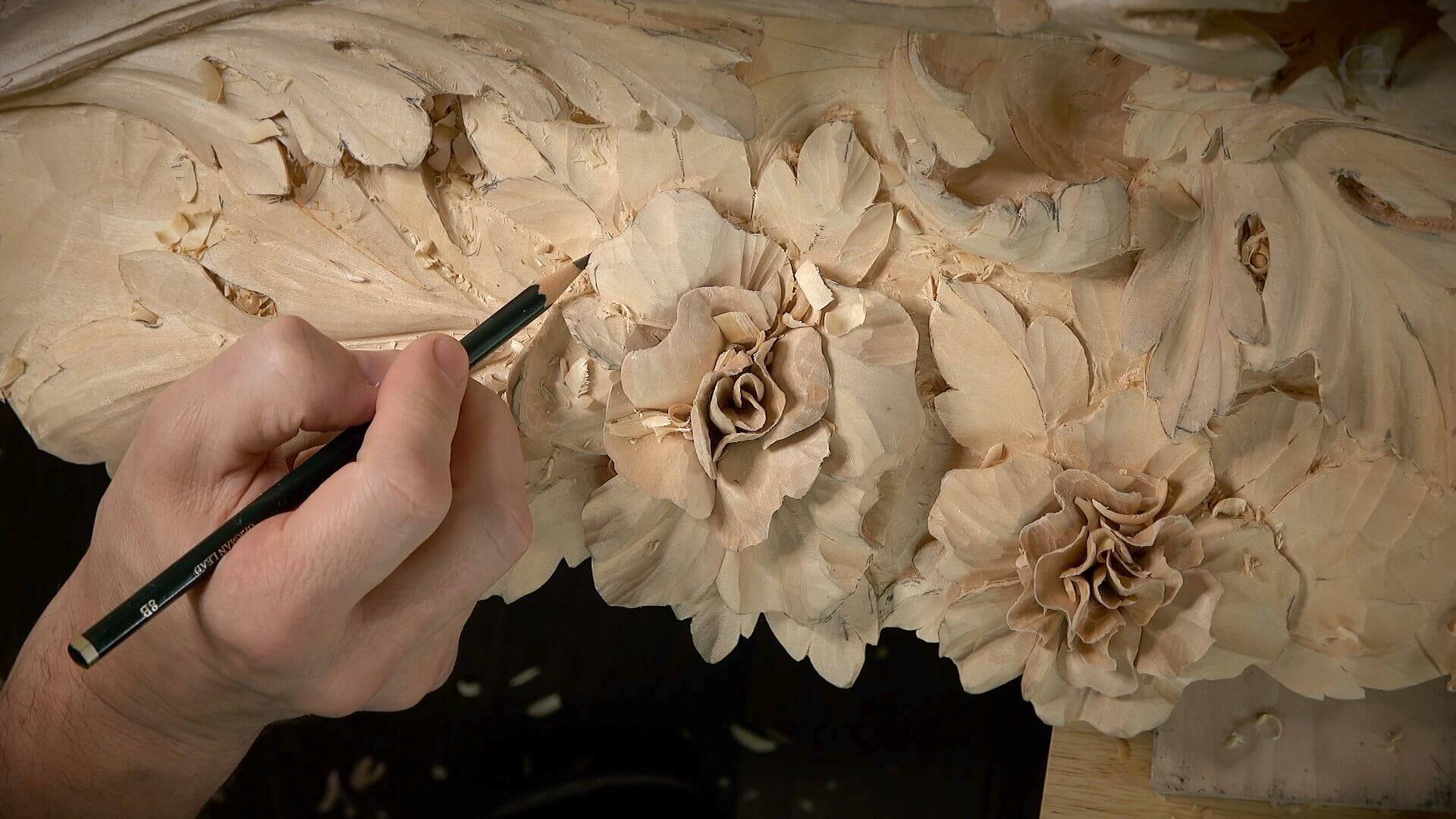
What Makes a Wood Suitable for Beginners?
Several factors make specific types of wood more suitable for carving novices. First, ease of carving is crucial – this means the wood should be soft and allow easy handling. Grain consistency plays an important role as well; a finer grain reduces the risk of splintering and allows for more detailed work. Finally, availability and cost also determine a wood’s suitability for beginners, making widely accessible and affordable woods preferable.
When you start carving, you want wood that doesn’t make you struggle. This means it should be soft and easy to carve. The wood’s grain should be fine so it’s not too hard to shape. Also, you don’t want to spend too much money or have a hard time finding it.
- Softness – Easier on the hands and tools.
- Grain consistency – Less splintering, more detail.
- Availability – Easy to find.
- Affordability – Doesn’t break the bank.
“Finding the right wood is like finding a good friend; reliable, easy-going, and always there when you need them.”

Why is Lime Wood a Top Choice for Carving?
Lime wood stands out as a premier choice for carving because of its exceptional workability and smooth texture. When carving, its softness allows carvers to create intricate designs with ease, making it ideal for both beginners and experienced artisans. What really sets lime wood apart is its ability to hold fine details without chipping or splintering, which ensures a polished final product. On top of that, lime wood is commonly available and reasonably priced, making it accessible for carvers looking to refine their skills without emptying their wallets. Как дела? Ready to carve? ?
Carving with lime wood is like shaping butter; it’s smooth and easy to work with. You can create great details without the wood fighting back. Plus, it’s not expensive, so you don’t have to save up for months to get started. It’s a win-win!
- Exceptional workability – Easy to carve intricate details.
- Soft texture – Reduces tool wear and hand fatigue.
- Good availability – Common in many areas, including the UK.
- Affordable – Cost-effective for beginners and pros alike.
“Choosing the right wood is like choosing the right partner; they complement your strengths and smooth over your weaknesses.”

How Does Oak Compare for Beginner Woodcarvers?
Oak is a well-regarded wood for beginners seeking a bit more challenge in their carving projects. It offers greater durability, which makes it excellent for creating long-lasting pieces. But, its harder texture does require more effort and patience compared to softer woods. This makes Oak suitable for those who have moved beyond the very basics and are looking to refine their skills further.
Oak has a denser structure, which means you need to be more careful with your tools to avoid mistakes. But if you’re up for it, Oak can help you make very detailed and durable carvings that last a long time. It might take more work, but it can be incredibly rewarding once you improve your carving skills.
- Durability – Excellent for long-lasting pieces.
- Challenging texture – Great for refining skills.
- Detail holding – Holds intricate details well.
- Patience – Requires more effort but worth it.
“Joining the challenge of harder wood can transform a novice into a skillful carver. Patience and persistence carve the path to mastery.”

Are There Other Softwoods Good for Beginners?
Yes, beginners have multiple softwood options besides Lime wood to practice their carving skills. White pine is highly recommended because it’s soft and fairly easy to carve, making it excellent for learning. Another good option is Butternut, which is soft like pine but has a lovely grain pattern that adds visual interest to any project. These woods are not only easy to find in the UK but also reasonably priced, making them perfect for beginners looking to check out their new hobby without breaking the bank.
Carving White pine or Butternut is a lot like drawing with a pencil—it feels natural and comfortable. These woods are soft, so they don’t wear out your tools quickly. Plus, they’re not too expensive, so it’s easy to practice without worrying about costs. And trust me, the grain on Butternut is like icing on the cake!!!
- White pine – Soft, easy to carve.
- Butternut – Beautiful grain, good for detailed work.
- Spruce – Light and soft, good for beginners.
“Each wood type offers a new experience—find the one that makes your carving journey delightful and stress-free.”

Are There Other Softwoods Good for Beginners?
If you’re just starting out, there are a few other options in the softwood department besides Lime wood. Spruce, for example, is very light and soft, which makes it simple to work with. Another great choice is Willow, which has a fine, even grain that allows for smooth carving. Aspen is also popular for beginners because it’s easy to handle and usually doesn’t splinter. These alternatives are readily available in the UK and provide jumprse experiences, allowing beginners to find which wood suits them best.
Carving Spruce, Willow, or Aspen is much like using chalk on a blackboard; it gives you smooth flow and control. These woods are soft, so they won’t fight your tools, giving beginners confidence to try new techniques. They’re also easy on your wallet, making it manageable to practice without hesitation. And personally, the fine grain in Willow can make your work shine like a gem!!!
- Spruce – Light, soft, and easy.
- Willow – Fine grain, smooth carving.
- Aspen – Easy to handle, minimal splintering.
“Experiment with different softwoods to find out the one that feels just right, transforming your carving sessions into pure joy.”

How Important is Grain Structure for Beginners?
For beginner woodcarvers, grain structure plays a crucial role in the carving process. The grain can make or break your first experiences by determining how smoothly the wood carves and how much control you have over details. Fine grain woods are especially favorable because they are less likely to chip or splinter, making them easier to handle for those just starting out. Understanding the kind of grain you’re working with can help you predict how the wood will behave, providing confidence and reducing frustration.
Think of wood grain as like the lines in a coloring book—they guide you and keep everything neat. When the grain is fine and even, you can make cleaner cuts and carve more intricate designs without the wood breaking apart on you. It’s like having a helpful guide while you learn a new skill.
- Fine grain – Reduces the chances of splintering.
- Even grain – Provides smooth and clean carving.
- Predictable – Helps beginners understand wood behavior.
- Less frustration – Makes the learning process smoother.
“Understanding wood grain is like understanding your tools; the better grasp you have, the more art you can create.”
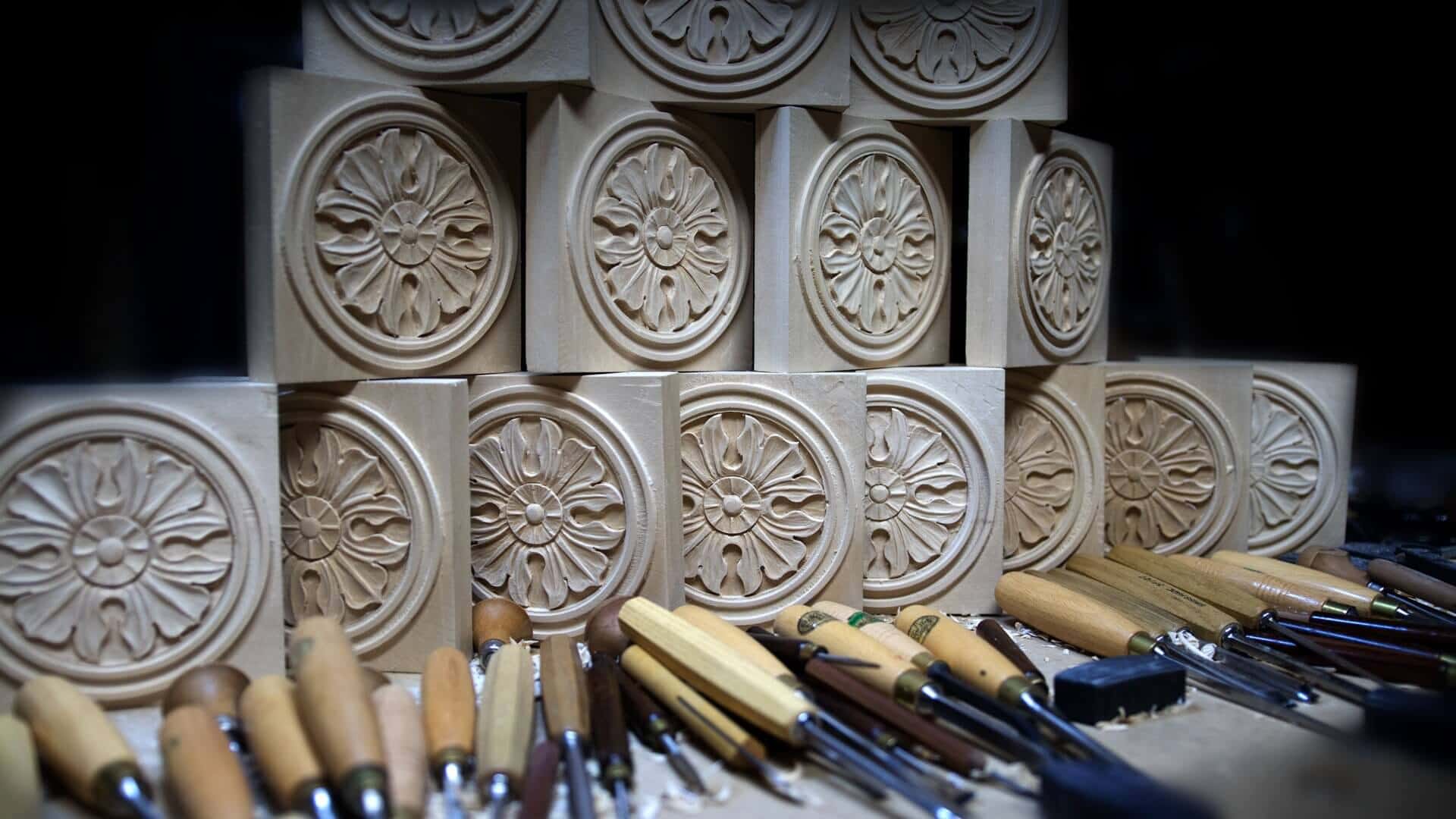
Can Green Woods Like Willow and Birch Be Used?
Yes, green woods like Willow and Birch can really be used for carving, offering unique advantages. These woods are easier to carve when fresh, as they have more moisture content. This means less resistance on your tools, making it an enjoyable experience, especially for beginners. Willow, known for its smooth grain and Birch with its fine texture, both provide excellent canvases for various carving projects. But, ensure they’re properly dried after carving to prevent cracks.
Carving Willow or Birch can be a bit like sculpting wet clay—it’s soft and smooth, making it easy to shape. This is because the moisture in green wood makes it softer. But, don’t forget to dry your work after you’re done to keep it looking great!!! In my opinion, they offer a forgiving medium for practice.
- Willow – Soft when green, easy to shape.
- Birch – Fine texture, simple to carve.
- Moisture content – Easier on tools and hands when fresh.
“Green woods like willow and birch are nature’s way of giving beginners a gentle start in their carving journey.”
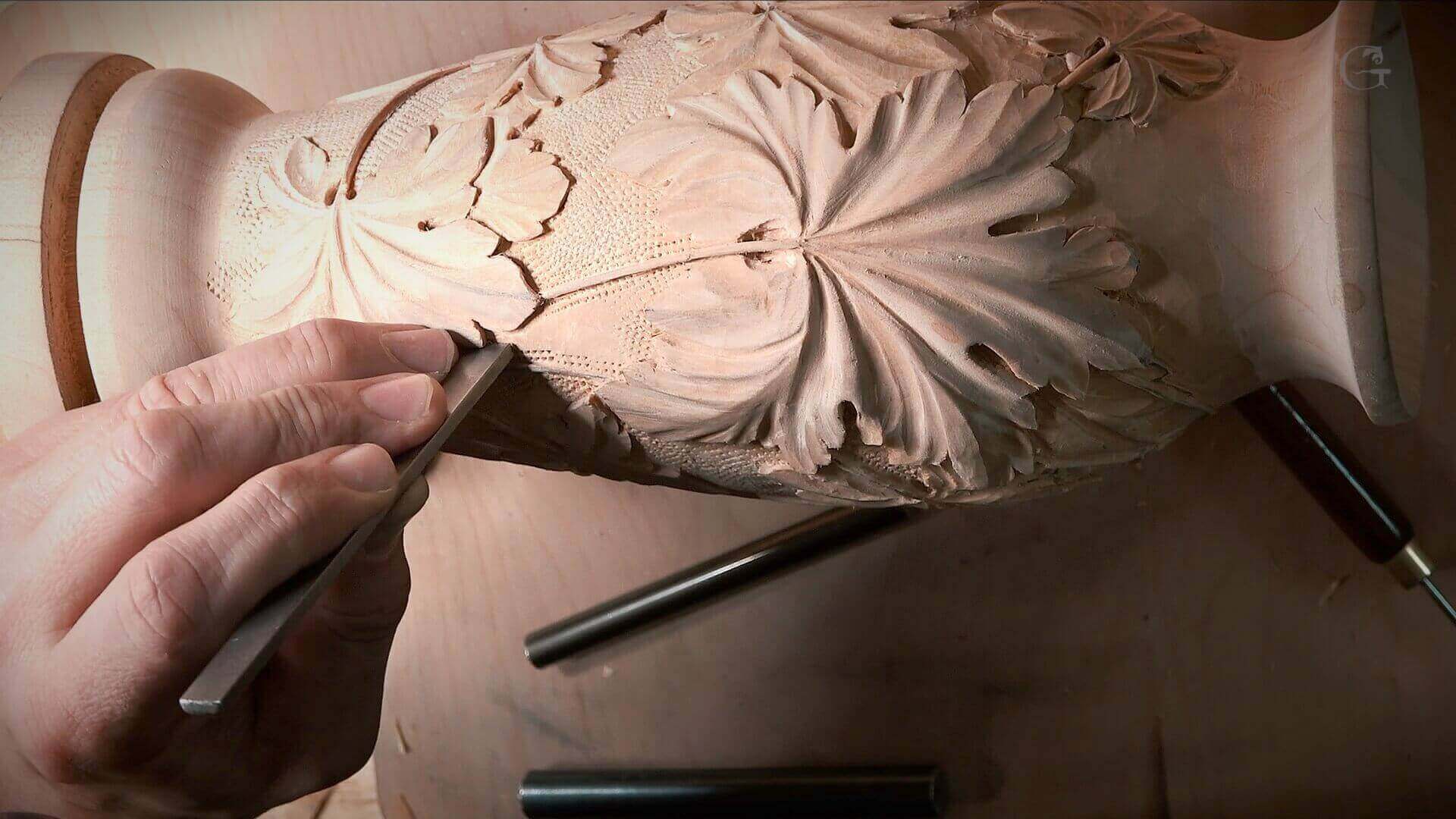
What Tools Do You Need to Start Carving These Woods?
Starting wood carving requires several needed tools to get you going. A good carving knife is your bread and butter; it’s versatile and helps you make precise cuts. Next, you’ll want a set of gouges; these come in different shapes and sizes and are perfect for removing larger chunks of wood. Don’t forget a V-tool for finer details and lines. In my opinion, a sturdy workbench is also key to keeping your project steady and manageable. And of course, some protective tape for your fingers can go a long way!!! ?
When you’re just starting out, think of your basic tools like utensils for carving a pumpkin. You’ll need a knife (for the main cuts), gouges (like tiny scoops), and a V-tool (like a sharper pencil). These tools help you shape your wood and make cool designs. It’s not magic but it comes close!!!
- Carving knife – Your go-to for precise cuts.
- Gouges – Various sizes for different shapes.
- V-tool – Adds fine details and lines.
- Workbench – Keeps everything steady.
- Protective tape – Keeps those fingers safe!!!
“The right tools in your hands make carving not just possible, but a joy. Choose wisely, and carve with passion!”


What Wood to Choose?
What Wood to Choose?
In England’s forests, choices abound,
For budding carvers, the best can be found.
Lime wood is gentle, a soft-hearted friend,
Creating with ease, it helps skills to mend.
Oak offers texture, a challenge to face,
Its beauty and strength add a touch of grace.
Though harder to carve, it holds every line,
With practice and patience, the results will shine.
Pine stands a close third, both light and so clear,
With smooth, simple grains that bring comfort and cheer.
Butternut and Spruce, good options as well,
Eager to shape, both easy to quell.
So gather your tools, let your spirit ignite,
With wood that is friendly, your craft takes flight.
Face each new grain, let your hands guide the way,
For every carved piece, joy in work will stay.
| Topic | Information |
|---|---|
| What Makes a Wood Suitable for Beginners? | Good wood for beginners needs to be easy to carve. It should be soft so you won't struggle too much. The grain should be fine, so it doesn't splinter. Plus, it helps if it’s cheap and easy to find. (Trust me, you want to keep things simple!) |
| Why is Lime Wood a Top Choice for Carving? | I think lime wood is awesome for carving! It’s super soft and lets you make detailed designs without too much work. Plus, it’s often available and not too pricey. You can really have fun with it! |
| How Does Oak Compare for Beginner Woodcarvers? | Oak is a bit tougher than lime, but it’s great if you’re ready for a challenge. It holds details well and lasts a long time, which is cool. But you'll need more patience. It’s a nice step up for practice! |
| Are There Other Softwoods Good for Beginners? | Totally! Woods like white pine and Butternut are also good choices. They’re soft and easy to carve. You won't break the bank, and they’re fun to work with. Honestly, they make carving feel like a walk in the park! |
| What About Hardwoods Like Chestnut and Ash? | Chestnut and ash can be used too, but they’re a little tougher. You might need some practice to handle them well. (But hey, once you get it, you'll be feeling like a pro!) |
| How Important is Grain Structure for Beginners? | Grain structure really matters! Fine grain helps you carve smoothly without splintering. It’s like having a good guide. It'll make your learning experience a lot easier and less frustrating! |
| Can Green Woods Like Willow and Birch Be Used? | Yes, green woods are great! Fresh willow and birch are easier to carve because they are softer. Just remember to dry your work afterward to avoid cracks. It’s like sculpting wet clay—easy and fun! |
| What Tools Do You Need to Start Carving These Woods? | You’ll need a carving knife for precise cuts, gouges for bigger areas, and a V-tool for details. A solid workbench keeps everything in place. Oh, and don’t forget protective tape for your fingers to keep them safe!!! |
What are the best types of wood in UK for beginners to practice carving?
Choosing the right wood can greatly improve a beginner’s carving experience. An often-overlooked option is Sycamore, which is available in the UK and offers a fine texture that is relatively easy to carve. Similarly, Rowan, another local wood, boasts a silky grain that carves smoothly under a sharp blade. Both of these woods offer a balance of workability and durability, providing a satisfying experience for those just starting to develop their skills. Unlike some hardwoods, Sycamore and Rowan are not overly demanding on your tools, letting you focus more on your technique.
Working with Sycamore or Rowan is somewhat like working with a well-sharpened pencil on high-quality paper; each cut comes out clean and precise, making it easier to practice those finer details. Plus, these woods are typically affordable and accessible, so you can experiment without feeling like each piece is a major investment. It’s a win-win situation for budding carvers in the UK!!!
- Sycamore – Fine texture, easy to handle.
- Rowan – Smooth grain, less wear on tools.
- Locally available – Easy to source in the UK.
“Trying out different types of wood is like sampling a buffet; you find what suits your taste, and enjoy the process!”

Key Takeaways
- Lime wood is a top choice for beginners in the UK because it’s soft and has a fine grain, making it easy to carve and ideal for detailed work.
- Oak offers a more challenging but rewarding carving experience with its durability and ability to hold fine details, although it requires more effort and patience.
- Softwoods like Pine and Cedar are also great for beginners as they are easy to carve and widely accessible, providing a good starting point.
- Grain consistency in wood is vital for beginners; fine grain woods reduce splintering and allow for smoother, more precise carving.
- Green woods like Willow and Birch can be easier to carve when fresh because of their higher moisture content, but proper drying afterward is needed to prevent cracking.

Best Woods for Beginners Carving in the UK
Lime wood (also called Tilia or Basswood) is great for beginners in the UK. It’s soft, easy to carve, and doesn’t need much muscle. Oak is harder but very detailed. Pine, Cedar, and softwoods like Chestnut and Ash work too. Just practice and be patient!!!
Originally published at schoolofwoodcarving.com