
September 6, 2024 · Updated August 12, 2026
By Alexander Grabovetskiy — Master Woodcarver · Founder, School of Wood Carving · 14 min read
What are the best types of wood in South Africa for beginners to practice carving?
What are the best types of wood in South Africa for beginners to practice carving?

What are the best types of wood in South Africa for beginners to practice carving?
For beginners in South Africa, the best types of wood to practice carving include yellowwood, pearwood, and South African sapele. Yellowwood is easy to carve and has a fine grain, which makes it ideal for detailing. Pearwood offers a smooth texture that is forgiving for new carvers. South African sapele, although a bit harder, is excellent for those looking to move into more challenging projects. Just don’t forget to keep your tools sharp, or you’ll feel more carved up than the wood!
One of my favorites, yellowwood, is easy to carve and has a smooth surface (practically screams “let’s make something beautiful!”). Pearwood is also a great choice; it’s like butter under the chisel. South African sapele is perfect if you’re ready for a bit more challenge and want a wood that holds stains well. Trust me, the smoother the grain, the less you’ll need to sand, which means—more time for actual carving!!!
- Yellowwood: Fine grain, easy to carve, perfect for beginners.
- Pearwood: Smooth texture, great for detailed work.
- South African Sapele: Harder, good for intermediate carvers and holds finishes well.
“The grain of the wood guides the carver’s hand; choose wisely and carve beautifully!”

What Makes a Wood Suitable for Beginners to Carve?
A wood suitable for beginner carvers should be soft, have a fine grain, and be meaningfully consistent. This allows it to be carved smoothly and easily. A consistent grain avoids unexpected twists and turns that can be tough for newcomers. The right wood means fewer breaks and splinters, giving beginners a more satisfying carving experience. Of course, avoid woods that are too brittle; unless you enjoy adding “snap” to your vocabulary!!!
When starting out, it helps to work with woods that don’t fight back too much. This means choosing woods that are soft but not so soft they fall apart. Also, you want a wood that’s easy to find and doesn’t cost a fortune—good practice shouldn’t break the bank!
- Softness: Easier to carve and requires less physical effort.
- Fine Grain: Allows for detailed work without tearing the wood.
- Consistency: Predictable texture makes beginner projects more successful.
“Every master was once a beginner; the right wood makes those first steps as smooth as possible.”

Is Basswood a Good Choice for Carving in South Africa?
Basswood is a stellar choice for carving anywhere, including South Africa. It’s soft and easy to work with, making it ideal for beginners. This wood provides a smooth surface, allowing for detailed and refined work. Its consistency means you won’t run into unpredictable issues while carving. Why not give it a try and see how it compares to local woods? You might just find Basswood to be your new best friend in carving!!!
Basswood is like the friendly puppy of the carving world. It’s soft enough that you won’t need brute force, and it’s consistent, so you won’t get any surprises (besides what you create!). Plus, it takes detail well, making it an awesome pick for anyone just starting out.
- Softness: Ideal for beginners, reduces physical effort.
- Consistency: Minimal surprises, easy carving experience.
- Detail-Friendly: Allows for intricate designs.
“Choosing the right wood is half the carving; the other half is letting your creativity flow.”
How Does Jelutong Wood Compare for Carving Projects?
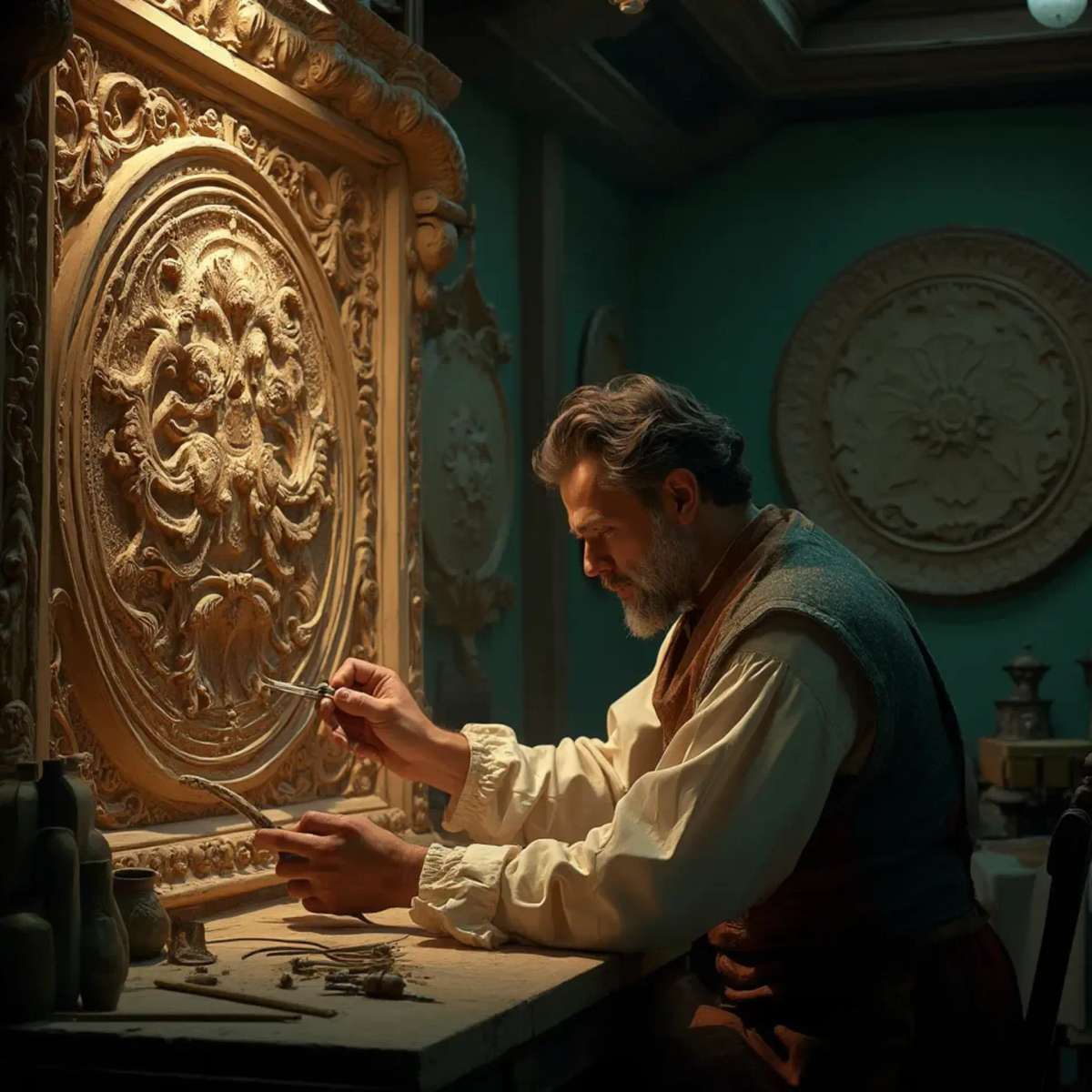
Jelutong wood, often used for carving, stands out for its softness and ease of workability. This wood is particularly appreciated for its almost creamy texture, making it a dream for detail work. It’s highly consistent and doesn’t contain resin, ensuring a smooth carving process without gunky build-up. If you’re tired of sanding, Jelutong offers a buttery smooth finish almost right off the chisel! Just remember, it’s not as common as other woods, so you might have to hunt for it — but trust me, it’s worth the effort.
Jelutong is like the best friend you didn’t know you needed for carving. It’s super soft and smooth, which means you can make tiny, detailed carvings without too much struggle. Since it doesn’t have any weird patches or resin, your tools won’t get all sticky!
- Softness: Very easy to carve, even for beginners.
- Consistency: No surprise grains, ensuring a smooth carving experience.
- Resin-Free: Keeps your tools clean, reducing maintenance.
“A great piece of wood is half the project; the other half is your skill and patience.”

Are There Other Softwoods That Beginners Should Consider?
Absolutely, there are several other softwoods perfect for beginners. One excellent choice is pine, which is readily available and easy to carve. Cedar is another great option, providing a wonderful fragrance and a soft texture that’s easy to work with. Lastly, spruce offers a fine grain and softness that can help newcomers achieve detailed work without much effort. Just remember, while these options are fantastic, every piece of wood has its personality—try them all and see which one you get along with best!
Imagine working with pine; it’s like doodling on a piece of paper. Cedar not only smells good but is also soft and easy to shape. Spruce, with its fine grain, lets you practice detail work without fighting the wood.
- Pine: Easily found, soft, and budget-friendly.
- Cedar: Wonderful aroma, soft texture, easily workable.
- Spruce: Fine grain, ideal for detailed carving projects.
“Each type of wood has its unique voice; as you carve, you’ll find out which one sings best to you.”

What About Hardwoods: Are They Suitable for Beginners?
While hardwoods are usually tougher to carve, some can still be suitable for beginners. Woods like Butternut and cherry offer a balance between hardness and workability. Butternut is relatively soft among hardwoods and has a delightful grain pattern. Cherry, though harder, is rewarding with its beautiful finish and deep color. It’s all about finding that sweet spot where the hardness challenges you just enough to improve your skills without causing frustration.
Imagine carving into Butternut; it feels like slicing through a ripe fruit while revealing beautiful patterns. Cherry might give your muscles a bit more work, but the end result can be stunning. If you’re up for a small challenge, these hardwoods can add variety to your carving experience.
- Butternut: Soft for a hardwood, lovely grain, beginner-friendly.
- Cherry: Harder but rewarding, beautiful finish and rich color.
- African Mahogany: Slightly harder but offers excellent workability for detailed projects.
“The right hardwood can elevate your skills, turning a simple project into a lasting piece of art.”
How Important is Grain Structure for Easy Carving?
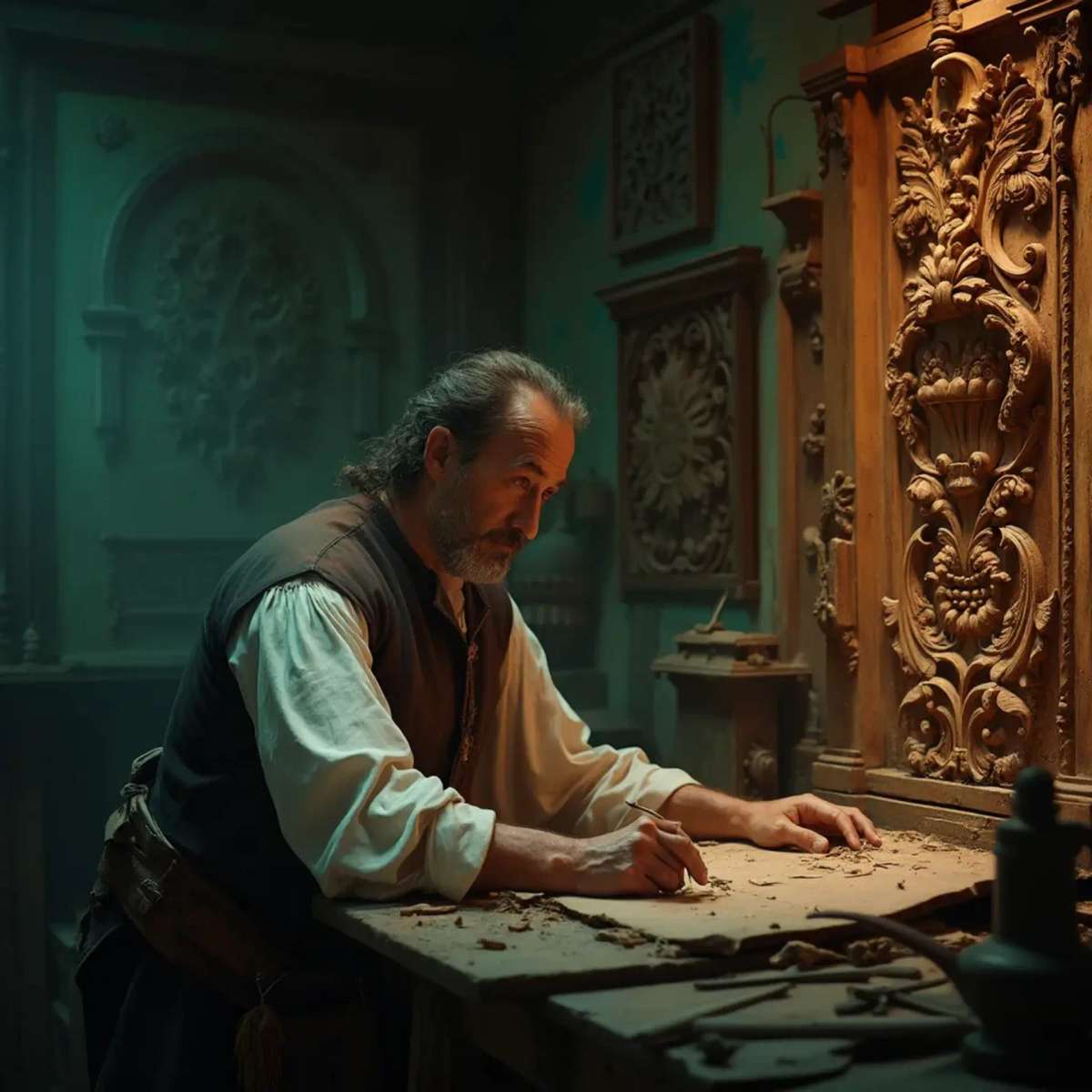
Grain structure plays a crucial role in the ease of carving. Wood with a fine, even grain is simpler to work with because it cuts consistently and smoothly. Conversely, wood with an irregular or coarse grain can lead to unexpected changes in direction and resistance, making the carving process more challenging. Neededly, a uniform grain structure means fewer surprises and a more enjoyable carving experience. Why wrestle with the wood when you can dance with it?
Think about carving wood with a nice, straight grain. It’s like writing on lined paper—it keeps you on track! If the grain is wavy or rough, it’s like trying to draw on crumpled paper—not so fun!!!
- Fine Grain: Ideal for smooth, consistent cuts.
- Even Texture: Reduces the chance of tool slipping.
- Predictability: Keeps the carving process enjoyable and less frustrating.
“Following the grain is akin to following a map; both lead you to your destination with fewer detours.”
Which Woods Hold Stains and Finishes Well for Beginners?
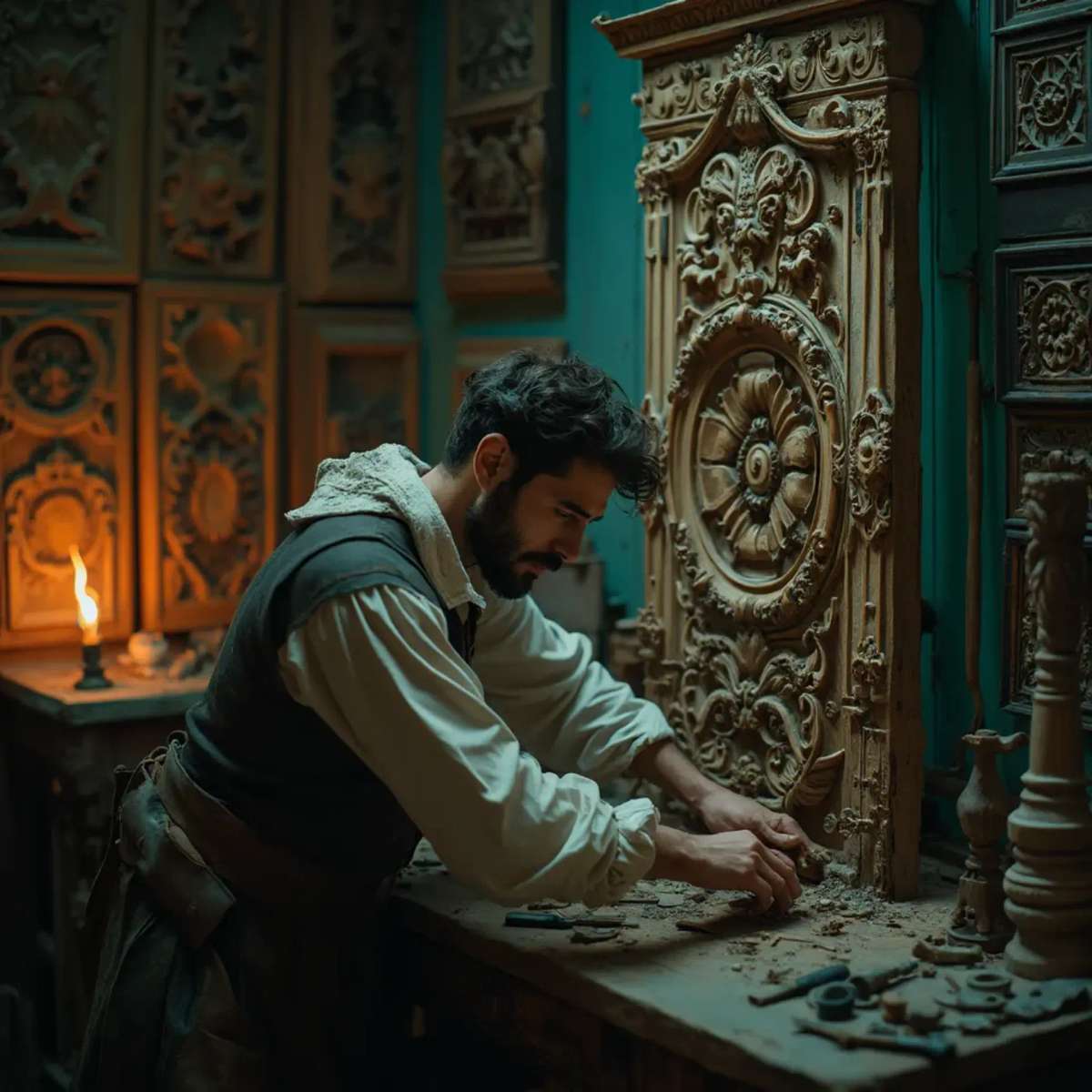
When it comes to woods that hold stains and finishes well, cherry and walnut are top choices for beginners. Cherry provides a beautiful, rich color that deepens with age, while walnut offers a dark, elegant finish. Both types of wood have fine grain structures that absorb stains evenly and create stunning results. Maple, though harder, also takes stains effectively, giving a professional look even for novice carvers. The right finishing technique can make a world of difference; even beginners can achieve fantastic results!
Imagine using cherry wood; it changes color as it ages, almost like magic! Walnut gives everything a classy look that’s hard to beat. With maple, you might need a bit more effort, but the end result will make you feel like a pro!
- Cherry: Rich color that deepens over time, absorbs stains evenly.
- Walnut: Dark, elegant finish, fine grain for consistent staining.
- Maple: Harder but excellent for a professional look, even for beginners.
“A great stain or finish turns a simple carving into a work of art; choose your wood wisely.”

What Local South African Woods Can Beginners Use for Carving?
Local South African woods like camphor, wild peach, and stinkwood are excellent for beginners to practice carving. Camphor is not only aromatic but also has an easy-to-carve structure that is beginner-friendly. Wild peach provides a nice balance with a medium hardness and smooth grain, making it great for practicing detailed work. Stinkwood, although denser, offers fantastic grains and beautiful finishes that beginners can appreciate as they advance. You might need to search a bit for these woods, but it’s part of the carving adventure!!!
For those starting out, choosing local woods can give you a feel for what’s available in your area. Camphor is soft and smells really nice. Wild peach is a bit tougher but still easy to carve. Stinkwood is harder but has lovely patterns that make projects look amazing.
- Camphor: Soft, aromatic, easy to carve.
- Wild Peach: Medium hardness, smooth grain, good for details.
- Stinkwood: Dense but with beautiful grains and finishes.
“Using local wood connects you with your environment; carve your journey with what’s around you.”
How to Carve a Dream
In South African woods, the journey starts,
Yellowwood shines, capturing hearts.
With fine grain that talks of detail so neat,
A beginner’s embrace, where artistry meets.
Next, take up pearwood; it glides like a stream,
Smooth as fresh butter, a carver’s sweet dream.
As it shapes beneath tools, it welcomes each line,
A soothing companion, both gentle and kind.
South African sapele, a sturdy delight,
For those ready for challenges, bringing skills to light.
Though a touch more resistant, it holds stains with grace,
For projects that flourish in every warm space.
A nod to camphor, with fragrance so bright,
Aromatic talks fill up the night.
Then wild peach comes forth, with colors to share,
Medium in strength, it’s handled with care.
So gather your tools, let your spirit unfurl,
In each striking motion, create your own world.
From yellowwood’s softness to sapele’s bold stand,
Begin your adventure, with chisel in hand.
| Topic | Information |
|---|---|
| What Makes a Wood Suitable for Beginners to Carve? | I think good wood for beginners should be soft and have a nice, even grain. This makes carving smooth and easy. You don’t want surprises like breaking or splintering while you work. Keep it simple, or it’ll feel like a battle, and who needs that stress?!!!
|
| Is Basswood a Good Choice for Carving in South Africa? | Basswood is one of the best choices, trust me! It’s soft and easy to handle, perfect for beginners. You can get creative without a lot of fuss, and it’s consistent, which is a big plus. I’d say give it a try! You might just make it your go-to wood!!!
|
| How Does Jelutong Wood Compare for Carving Projects? | Jelutong is like a secret weapon!!! It’s super soft and makes the detailing a breeze. It’s not too common, but if you can find it, it’s totally worth it. I mean, less sanding and more carving? Yes, please!
|
| Are There Other Softwoods That Beginners Should Consider? | Sure thing! Pine is easy to find and very soft. I enjoy the smell of cedar while working, and it’s soft too. Spruce can be a solid choice, a little softer than wood should be. You’ll find each one has its own vibe, which is fun to check out!!!
|
| What About Hardwoods: Are They Suitable for Beginners? | Some hardwoods can work for beginners, like Butternut. It’s usually softer for a hardwood, and cherry looks great when finished. It might be a bit of a workout, but the results can be so rewarding! If you’re feeling brave, give them a go!!!
|
| How Important is Grain Structure for Easy Carving? | Grain structure really matters! A fine, even grain makes everything easier. If it’s all over the place, you might feel like wrestling with a wild animal. Go for wood with nice, even lines; it makes the process way more enjoyable!!!
|
| Which Woods Hold Stains and Finishes Well for Beginners? | Cherry and walnut are wonderful for staining! Cherry darkens beautifully over time, and walnut gives a rich, classy finish. Even maple can look good. Trust me, the right finish can turn your project into something special!!!
|
| What Local South African Woods Can Beginners Use for Carving? | Local woods like camphor, wild peach, and stinkwood are all good options! Camphor is soft and smells good. Wild peach is a bit harder but still nice to work with. Stinkwood has awesome patterns that can make your projects pop!!!
|

What are the best types of wood in South Africa for beginners to practice carving?
For beginners in South Africa, starting with indigenous woods can provide a unique experience and local flavor.
According to local carpenters and woodworkers, African Wild Olive and Black Stinkwood are excellent choices. Not only do these woods offer relatively easy carving experiences, but they also provide stunning results. African Wild Olive has a mesmerizing grain and is user-friendly, while Black Stinkwood boasts a fine texture suitable for detailed work.
When choosing a wood, consider its availability and how it behaves under your tools. For example, African Wild Olive’s smooth grain makes each carving stroke predictable and satisfying. Black Stinkwood requires a bit more patience but rewards you with intricate patterns and a polished finish.
In the end, picking a wood that’s easy to carve can help beginners feel more successful and enjoy the process!!! Find what works for you and let your creativity bloom.
“The journey of carving doesn’t just shape the wood; it shapes the carver.”
Key Takeaways
- For beginners in South Africa, yellowwood, pearwood, and South African sapele are top choices because of their ease of carving and fine grain textures.
- Local woods like African Wild Olive and Black Stinkwood offer unique grains and are beginner-friendly, providing both ease of carving and beautiful finishes.
- Selecting wood with a soft texture and consistent grain, such as Basswood and jelutong, ensures a more enjoyable and predictable carving experience.
- Softwoods like pine, cedar, and spruce are excellent for beginners because of their availability, affordability, and ease of carving, while Butternut and cherry offer an introduction to hardwoods with balanced workability.
- Understanding the grain structure and staining qualities of wood is crucial for achieving smooth cuts and stunning finishes, making cherry, walnut, and maple great options for beginners aiming for professional results.
Best Wood for Beginners to Carve in South Africa
If you ask me, the best woods for beginner carving in South Africa are yellowwood, pearwood, and South African sapele. Yellowwood is super easy to carve, pearwood feels buttery smooth, and sapele is a bit harder but worth the challenge. Keep your tools sharp!!!
Filed under
- affordable wood types for carving
- beginner-friendly wood available in South Africa
- beginner wood carving guide South Africa
- best affordable wood for carving
- characteristics of good carving wood
- finding soft wood for carving projects
- how to choose wood for carving
- popular wood choices for carving
- qualities of beginner-friendly wood
- Safety tips for wood carving
- soft wood options for beginners in SA
- stable wood for beginners in SA
- tips for selecting wood for carving
- top beginner woods for carving in SA
- types of easy wood for carving South Africa
- Understanding Wood for Carving
- where to find carving wood in South Africa
- wood carving for beginners in South Africa
- wood that's easy to carve for newbies
- wood types that don't split easily
- wood with a pleasant smell for carving