Wood Species Guide · August 27, 2024 · Updated August 12, 2026
By Alexander Grabovetskiy — Master Woodcarver · Founder, School of Wood Carving · 14 min read
Is Bamboo Good for Carving?
Is Bamboo Good Wood For Carving


Is Bamboo Bambusa spp. Good for Carving by Hand?
Bamboo is a type of grass, which makes it quite different from both hardwoods and softwoods commonly used in hand carving. It is not ideal for traditional carving because it is very fibrous and can split easily. Also, its hard and dense nature might give your carving tools a tough time – remember, even a panda struggles with bamboo!
Bamboo is not a tree; it’s a grass (think of your lawn, but giant). Its fibers make it tough, which can be tricky for carving with hand tools. So think twice before starting a project with it, or you’ll end up with a “carved mess” instead of a masterpiece.
Understand your material; it’s the cornerstone of crafting beautiful carvings.”
Grain and Texture of Bamboo.

Is Bamboo HARDWOOD or SOFTWOOD?
Bamboo is neither a hardwood nor a softwood; it’s classified as a grass. Known scientifically as Bambusa, species like Bambusa Balcoa and Bambusa tulda exhibit unique properties, including impressive tensile strength. So, it’s got the strength of wood but not quite the class—kind of like using a spoon as a screwdriver!
Bamboo isn’t a type of tree; it’s actually a kind of tall grass. When it grows up, it can be as tall as a building, and some species can reach heights of 100 feet! But don’t expect to carve it like wood; it’s got its own special way of being strong and useful.
Bamboo shows us that being different doesn’t mean being less; sometimes, it means being even stronger.

What are common names of Bamboo?
Bamboo is commonly referred to simply as bamboo across various species. Although it belongs to the grass family, its true amazing strength can confuse it with a wood. Some known species include Bambusa Balcoa, Bambusa tulda, and Bambusa tabacaria.
Bamboo is just called bamboo although it’s not a wood but a type of grass. Different types have names like Bambusa Balcoa or Bambusa tulda (kind of like how different dogs have different names). Bamboo can grow really tall, like up to 100 feet, and is pretty strong, although it’s not wood.
In wood carving, understanding each material’s nature is as vital as the carving itself; let the bamboo teach you the power of simplicity and strength.

What is the Scientific Name of Bamboo?
Bamboo is scientifically categorized under the genus Bambusa, with notable species including Bambusa Balcoa, Bambusa tulda, and Bambusa tabacaria. Though often mistaken for wood, bamboo is actually a type of grass. Its impressive growth height and strength make it a versatile material in various applications, including flooring and construction. (Grass sure knows how to get tall and strong, huh?)
Imagine bamboo like a super tall grass that can grow as high as 100 feet. It doesn’t belong to the wood family but to the grass family. Some varieties of bamboo are so strong, they can be used to build houses and even boats. Cool, right?
Bamboo may not be wood, but it can stand tall and strong like one.

What is the Tree Size of Bamboo?
Bamboo, although often mistaken for a tree, is actually a type of grass with some species reaching towering heights of 40 to 100 feet and diameters between 3 to 7 inches. Its growth speed and size make it clear why many might confuse it with traditional trees. Though technically a grass, its height alone can make you feel like you’re walking through a forest of green giants. (Imagine carving through one of those!)
So, bamboo grows really, really tall—like taller than your house! Some can be as high as 100 feet, which is almost like a skyscraper made out of grass. It’s funny because everyone thinks it’s a tree, but nope, it’s just a super-sized grass sticking out from the ground.
Bamboo reminds us that sometimes what looks like a tree might just be a giant blade of grass.
What is the Average Dried Weight of Bamboo?
The average dried weight of bamboo ranges from 31-50 lbs/ft³ (0.5-0.8 g/cm³). While bamboo isn’t classified as a wood, its density rivals many hardwoods. It’s like having a cousin who’s not quite in the family but still shows up to the reunion and dominates in the tug-of-war.
Bamboo is a type of grass, not a hardwood or softwood. Its weight ranges a bit but usually sits between 31-50 pounds per cubic foot when dried. So, while it might seem lighter, don’t underestimate it—bamboo can be pretty strong (it’s kind of like the Clark Kent of the plant world).
The strength of bamboo lies not in what it is, but in what it can become.
What is the specific gravity of bamboo?
Bamboo, classified as a grass rather than wood, boasts a specific gravity ranging from 0.5 to 0.8. This makes it a versatile material with a range of density that can rival many hardwoods. Quite impressive for a “grass,” don’t you think?
Specific gravity shows how heavy a material is compared to water. For bamboo, it ranges from 0.5 to 0.8 (that’s pretty dense). Imagine it’s like comparing a sponge to a brick; bamboo is more brick-like than spongey.
Even as a humble grass, bamboo carries the strength and density to surprise us all.
What is the Janka Hardness of Bamboo?
Bamboo does not have a Janka Hardness rating because it is a type of grass, not wood. Despite this, bamboo is incredibly strong, with some species like Bambusa tulda boasting a tensile strength of 60,000 psi. So, you might say it’s as tough as nails—literally!
Bamboo is actually a type of grass, not the kind of wood we usually talk about for woodcarving (like walnut or oak). although it’s not wood, bamboo can grow very tall (up to 100 feet) and has a strong structure. Think of it like the superhero of grasses—no capes, just really strong fibers!
Bamboo teaches us that strength doesn’t always come from being the hardest; sometimes it’s about being flexible and resilient.

What is the Modulus of Rupture of Bamboo?
Bamboo, being a type of grass, boasts impressive tensile strength, particularly notable in species like Bambusa tulda with a modulus of rupture reaching 60,000 psi (400 MPa). While it neither qualifies as hardwood nor softwood, its strength parameters make it suitable for construction applications. Just remember though, if your carving knife can’t cut it, it’s not grass; it’s a bamboo-saurus!
Bamboo is strong and tough. although it is not wood, certain kinds show great strength. For example, Bambusa tulda can hold a lot of pressure before breaking, up to 60,000 psi. This makes bamboo popular for building and other uses.
“Bamboo’s strength is nature’s way of showing that grass can sometimes outdo trees in the woodshop.”

What is the Elastic Modulus of Bamboo?
Bamboo, being a type of grass, exhibits a unique combination of lightness and strength, making it distinct from both hardwood and softwood. Its elastic modulus varies by species but typically ranges from 10 to 20 GPa. Fun fact: Bamboo’s elastic modulus can make even hardwoods green with envy, much to Oak’s dismay! ?
Bamboo is quite special because it’s not a hardwood or softwood; it’s actually a grass! Yep, like the grass in your yard but way bigger (it can grow up to 100 feet tall!). Scientifically, it’s called Bambusa and has a dried weight of 0.5-0.8 g/cm³. Because it’s a grass, its strength (elastic modulus) is different from wood.
“The strength of bamboo lies in its ability to be both flexible and sturdy, much like the balance we strive for in life.”

What Is the Crushing Strength of Bamboo?
Bamboo is a unique material in the woodcarving world because it’s a type of grass. Though not a hardwood or softwood, it has impressive strength, with some species like Bambusa tulda boasting a tensile strength of 60,000 psi. Funny enough, bamboo is so tough it could give some “hardwoods” an identity crisis!
Bamboo isn’t a tree; it’s more like giant, really strong grass. Some of these plants can grow up to 100 feet tall! Despite being thin, their structure makes them super strong, which is why they’re often used in building cool stuff.
In the woodcarving world, strength is not just about being hard; it’s also about adapting to different forms—just like bamboo.

What Is the Shrinkage of Bamboo?
Unlike hardwood or softwood, bamboo is a type of grass. Bamboo exhibits radial and tangential shrinkage, but the specifics vary by species. Its shrinks moderately when dried but retains remarkable tensile strength. (Let’s just say, if bamboo had muscles, it’d be Schwarzenegger!)
Imagine a straw that gets a bit smaller when it dries out. That’s bamboo for you. It’s a tall grass that can be as strong as wood but doesn’t shrink too much when it loses water.
True strength doesn’t always come from bulk; sometimes, it grows tall and lean.
- Hardwood or Softwood:
- Bamboo is neither hardwood nor softwood; it is a monocot in the grass family.
- Common Name(s):
- Bamboo
- Scientific Name:
- Various species within the genus Bambusa, such as Bambusa Balcoa, Bambusa tulda, and Bambusa tabacaria.
- Tree Size:
- Mature heights range from 40 to 100 feet, with diameters between 3 and 7 inches.
- Average Dried Weight:
- 0.5-0.8 g/cm³ (31-50 lbs/ft³).
- Specific

What is the color and appearance of Bamboo?
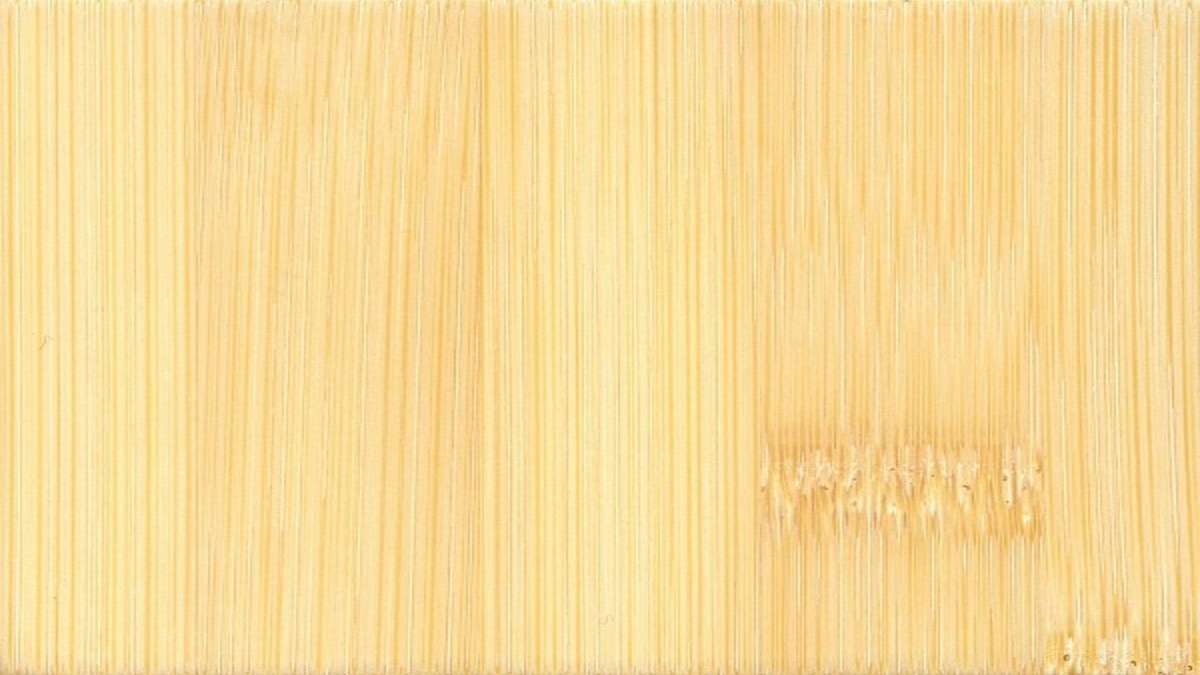
Bamboo varies in color from light yellow to dark brown, depending on the species and how it’s processed. Unlike hardwoods, bamboo has a linear grain pattern with visible nodes, giving it a unique look. Oh, and it grows faster than an argument in a carpentry shop!
Bamboo comes in different shades, from pale yellow to a deeper, warm brown. It looks different from regular wood because it has long, straight grain patterns with little bumps called nodes. Imagine lining up your collection of pencils—it’s kind of like that, but way cooler and made out of grass.
In bamboo, one can find a balance of strength and flexibility, much like craftwork itself.
Is Bamboo a Hardwood or Softwood?
Bamboo is actually a type of grass, not classified as hardwood or softwood. It boasts species like Bambusa Balcoa, which can grow to heights of 40 to 100 feet with remarkable strength. Its texture is unlike what you’d find in traditional wood, adding a unique twist to woodworking projects.
Imagine bamboo as a super tall grass that’s incredibly strong. It’s like a superhero of grasses! Bamboo can grow really, really tall—sometimes as tall as a building. But although it’s tall and strong, it doesn’t feel like regular wood. It’s smooth and a bit different to carve.
Bamboo teaches us that strength doesn’t always come from where we expect—sometimes it sprouts from the grass.
Is bamboo resistant to rot?
Bamboo, despite being a member of the grass family, exhibits impressive resistance to rot. Its remarkable tensile strength, especially in species like Bambusa tulda, makes it durable outdoors when properly treated. Just remember, bamboo doesn’t ask for much—just a little care, like your favorite chisels! ?
Okay, imagine bamboo is a super-strong kind of grass. It doesn’t get worn out by water or bugs easily. This makes it great for building stuff. So, while it’s technically grass, it can be tougher than some trees out there!“Like bamboo standing tall, resilience comes from within.”
Is Bamboo Workable for Woodcarving?
Bamboo, technically a grass, isn’t conventional for woodcarving like basswood or oak. Despite its strength and resilience, bamboo’s fibrous structure and density make it difficult to carve with precision. Stick to traditional woods for cleaner, detailed cuts. Got it? Now, why did the carver take up gardening? He wanted to branch out!
Bamboo is a type of grass, not like the trees you’d usually carve. It grows very tall, up to 100 feet, and can be thick. While it’s super strong (imagine a tough stick), it’s not easy to carve into pretty shapes. So, if you want to carve something cool, better go with basswood or mahogany.
Choosing the right wood for carving is like picking the canvas for a painting; the right choice elevates your art.

Is Bamboo a Hardwood or Softwood?
Bamboo is neither a hardwood nor a softwood; it belongs to the grass family, especially the genus Bambusa, such as Bambusa Balcoa and Bambusa tulda. Instead of a wood hardness, bamboo demonstrates incredible strength, with species like Bambusa tulda showing a tensile strength of 60,000 psi. So, in a thumb war with wood, bamboo might just win!
Alright, so bamboo isn’t a tree; it’s more like tall grass that can reach up to 100 feet. Think of it like a big, strong version of the grass on your lawn—but you can’t mow it! With a dried weight of 0.5-0.8 g/cm³, bamboo is tough and strong, making it very useful although it’s not wood. And trust me, monocots like bamboo are incredibly cool and useful!
“Strength isn’t always about being a tree; sometimes, even grass can show remarkable power.”

What are the allergies and toxicity risks associated with Bamboo wood?
Bamboo can cause mild allergic reactions like skin rashes, eye irritation, or respiratory issues in some woodworkers. While bamboo itself is not highly toxic, the dust generated during cutting or sanding can be bothersome. So, it’s wise to take precautions when working with bamboo—otherwise, you’ll end up feeling “grass”-trated!
Bamboo might seem tricky because it’s a grass, not wood, but the risks are similar. If you breathe in bamboo dust or touch it too much, you might get itchy skin or a runny nose. Imagine it like getting too close to hay in a barn—sneezing all day!
“Even the greenest grass can have some thorns—handle with care and avoid the sneeze!”

Common Uses of Bamboo?
Bamboo is used in various industries, thanks to its strength and versatility. Common uses include construction, furniture, and even musical instruments. Think I’m kidding? It’s also turned into clothing! Now that’s one well-dressed grass.
Bamboo, a member of the grass family, is incredibly strong despite not being a wood. It’s used in building houses, making furniture, and creating musical instruments. Some folks even turn it into clothes! (Imagine wearing grass!)
“Bamboo shows how even the simplest materials can hold immense power. Sometimes, what seems fragile is incredibly strong.”

Bamboo’s Craft: A Carver’s Guide
In the realm of wood, a grass takes its stance,
Bamboo, oh bamboo, with fibers that prance.
Not quite like oak or the maple’s warm hue,
A tough little giant, yet tricky for you.With heights that scrape clouds, it stretches so grand,
But hold tight to your tools, for it’s not what you planned.
Its strength tells a tale of resilience in green,
Yet carving it neatly remains quite unseen.Its nodes mark the journey as you slice through the grain,
Each stroke can be daunting, bringing forth a bit of pain.
So consider your choice, is it detail that calls?
Or shall you find comfort in wood that never stalls?From furniture fine to a sturdy strong wall,
Bamboo plays roles that can truly enthrall.
But hand carving it smooth, well, that’s a tough feat,
So lean on your softwoods for creations complete.In this dance with the grass, be mindful and wise,
Remember its nature, let it open your eyes.
Though bamboo stands tall, don’t let it confuse,
For beauty in crafting is found in your muse.

Bamboo Information Comparison Table
Topic Details Hardwood or Softwood Bamboo is neither hardwood nor softwood; it is a monocot in the grass family. Common Name(s) Bamboo Scientific Name Various species within the genus Bambusa, such as Bambusa balcoa, Bambusa tulda, and Bambusa tabacaria. Tree Size Mature heights range from 40 to 100 feet, with diameters between 3 and 7 inches. Average Dried Weight 0.5-0.8 g/cm³ (31-50 lbs/ft³). Specific Gravity 0.5-0.8. Janka Hardness Not applicable, as bamboo is not a wood. Modulus of Rupture Varies by species, with some like Bambusa tulda showing tensile strength of 60,000 psi (400 MPa). Elastic Modulus Typically ranges from 10 to 20 GPa, varying by species. Crushing Strength Some species like Bambusa tulda have a tensile strength of 60,000 psi. Shrinkage Radial and tangential shrinkage varies by species but is moderate. Color/Appearance Ranges from light yellow to dark brown, with a linear grain pattern. Grain/Texture Long, straight grain pattern with visible nodes. Rot Resistance Bamboo exhibits impressive resistance to rot when properly treated. Workability Not ideal for carving due to its fibrous structure, making precision difficult. Odor Usually, there is little to no strong odor. Allergies/Toxicity Can cause mild allergic reactions; the dust may irritate some individuals. Pricing/Availability Usually affordable and widely available in various forms. Sustainability Highly sustainable; grows rapidly and can be harvested without killing the plant. Common Uses Used in construction, furniture, flooring, and even clothing.