

Wood Species Guide · August 31, 2024 · Updated August 12, 2026
By Alexander Grabovetskiy — Master Woodcarver · Founder, School of Wood Carving · 14 min read
Is Birch, silver Good for Carving?
Is Birch, silver Good Wood For Carving

Is Birch (Betula pendula) good for carving by hand?
Silver Birch (Betula pendula), known as European White Birch, is a hardwood tree with moderate hardness, making it decent for hand carving. Its Janka Hardness of 1,260 lbs and specific gravity of 0.55-0.65 provide a balance of sturdiness and workability. But, its grain can be slightly irregular, so extra patience and sharp tools are needed (don’t we all love surprises in our wood!).
Birch trees are really tall—up to 100 feet! They have wood that’s tough but not too tough, which makes them decent for carving with your hands. But sometimes the wood fibers can be a bit twisty, so it might not always cut smoothly. If you’re thinking about trying it, just remember to keep your tools nice and sharp.
- Type: Hardwood
- Common Names: Silver Birch, European White Birch, Weeping Birch
- Size: Up to 30 meters tall
- Janka Hardness: 1,260 lbf
- Specific Gravity: 0.55-0.65
“Even the toughest wood yields to patient hands and sharp tools.”
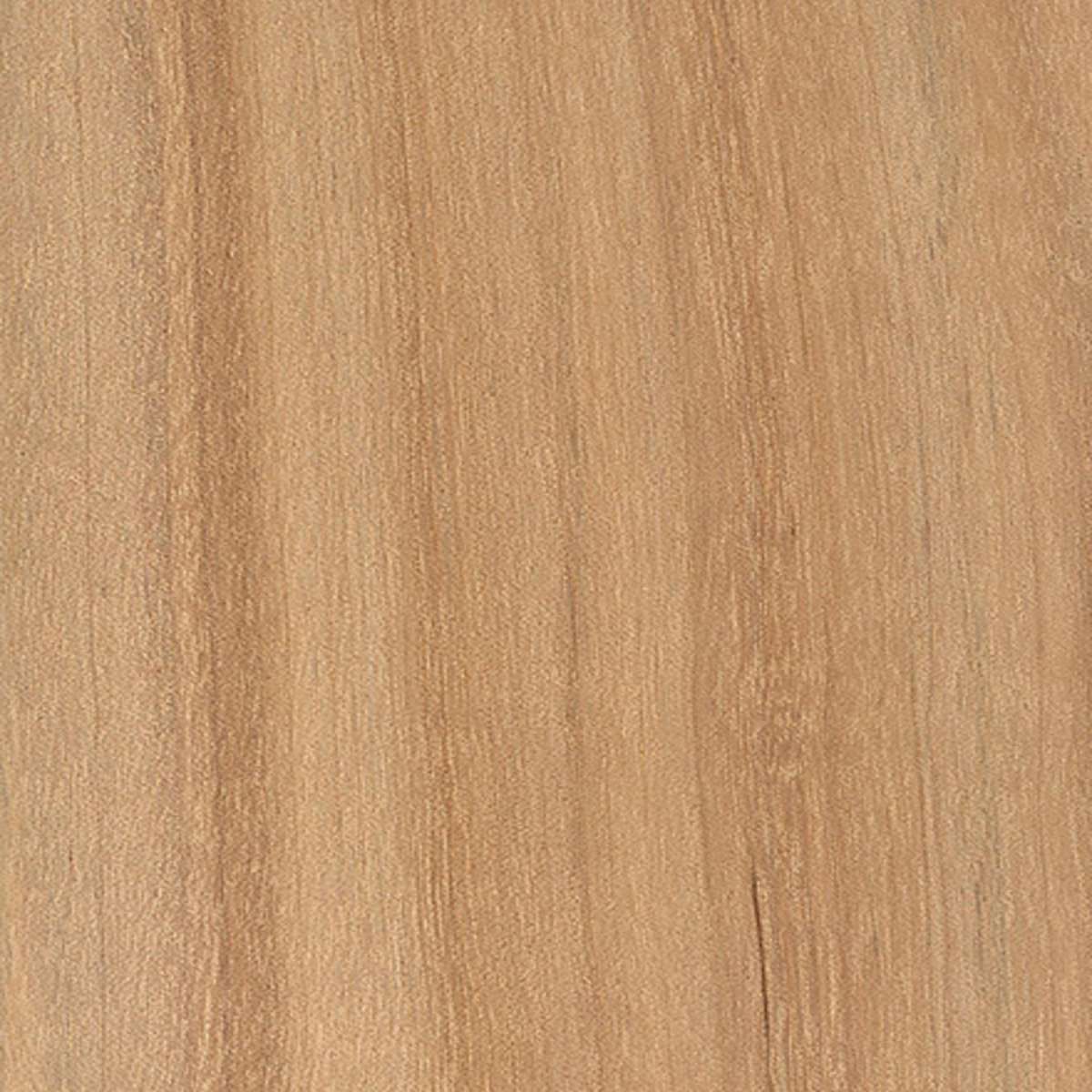
Grain and Texture of Birch, silver.

Is Birch, silver HARDWOOD or SOFTWOOD?
Bingo! Silver Birch (Betula pendula) is really a hardwood species. Despite its relatively light weight, this wood carries the durability and strength typically associated with hardwoods. But remember, even tough wood can’t stand up to my questionable jokes!
Well, Birch is pretty strong! It’s called a “hardwood,” which means it’s tougher and usually comes from trees that drop their leaves. This type of wood is good for making furniture and stuff because it lasts a long time and doesn’t get scratched up easily.
- Hardwood Type: Deciduous (drops leaves)
- Common Names: Silver Birch, Lady Birch, Lady of the Woods
- Weight: 35-40 lbs/ft³
- Strength: Elastic Modulus of up to 1,800,000 lbf/in²
“True strength lies not just in hardness but in the skill to shape it.”
What are the common names of Birch, silver?
Birch, silver (Betula pendula), is known by various names, depending on the region and context. Some of the common names include Silver Birch, Lady Birch, Weeping Birch, and Warty Birch. The jumprsity in names reflects its widespread presence and multifaceted utility – kind of like an actor with too many nicknames!
In different places, people call Birch, silver by several names. These names include Silver Birch and Lady Birch. Sometimes it’s even called Weeping Birch because of the way its branches hang down like it’s a little sad.
- Common Names:
- Silver Birch
- European White Birch
- Lady Birch
- Lady of the Woods
- Warty Birch
- Weeping Birch
“Multiple faces of Birch, each name tells a story – just like a carver’s hands reveal the stories hidden in wood.”
What is the scientific name of Birch, silver?
The scientific name of Birch, silver is Betula pendula. This name helps botanists and woodworkers precisely identify this specific species of birch. As complicated as it sounds, at least it’s not as twisty as some of the grain!
Betula pendula is a fancy name that scientists use for Silver Birch. It helps everyone to know they are talking about the same tree, no matter where they are.
- Scientific Name: Betula pendula
- Common Names: Silver Birch, European White Birch, Lady Birch
- Tree Size: Up to 30 meters tall
“Knowing the true name of a tree like Birch (Betula pendula) is the first step in carving its mysteries.”

What is the typical size of a Silver Birch (Betula pendula) tree?
Silver Birch trees can reach impressive heights of up to 30 meters (about 100 feet) and can have a spread ranging between 15-30 meters (50-100 feet). These dimensions make them notable landmarks in any landscape. Just imagine the shade potential for your next outdoor carving session!
Silver Birch trees are known to grow very tall, as high as a 10-story building! They also spread out wide, almost as long as a tennis court on each side. Their size provides plenty of wood for those looking to carve something special.
- Maximum Height: 30 meters (100 feet)
- Spread Range: 15-30 meters (50-100 feet)
- Common Usage: Furniture, carving, and shade trees
“A towering tree like the Birch, standing tall, offers a canvas as grand as the skies above.”
What is the average dried weight of Silver Birch (Betula pendula)?
The average dried weight of Silver Birch is between 35-40 lbs per cubic foot (or 560-640 kg per cubic meter). This makes it a moderately heavy but manageable choice for various woodworking projects. Just think, it’s heavy enough to use for a solid carving but not so heavy that you need a forklift!
Imagine you have a block of wood that’s about the size of a football. If it’s Silver Birch, it would weigh about the same as two or three small dogs. This makes it reasonably heavy, so it’s good for carving but won’t break your back lifting it.
- Average Dried Weight: 35-40 lbs/ft³ (560-640 kg/m³)
- Weight Range: Medium to Heavy
- Suitability: Ideal for carving, furniture, and other durable items
“A balance of weight and workability in every block of Silver Birch makes it a carver’s steady companion.”

What is the specific gravity of Birch, silver?
The specific gravity of Silver Birch (Betula pendula) ranges between 0.55 to 0.65. This balanced density means the wood is sturdy, yet still workable, making it a solid choice for various woodworking projects. And hey, it won’t sink like a rock in water, but let’s keep all wood above the waterline!
Specific gravity is just a fancy term to describe how dense something is compared to water. For Silver Birch, it’s like If you imagine a piece of this wood floating in water, it wouldn’t sink too fast but would hover just below the surface, kind of like a duck.
- Specific Gravity Range: 0.55-0.65
- Wood Density: Moderately dense, great for working on by hand
- Workability: Good balance for carving and durable projects
“Just like a carver gauges his tools, nature balances the weight of Silver Birch with perfect finesse.”

What is the Janka Hardness of Birch, silver?
The Janka Hardness of Silver Birch (Betula pendula) is 1,260 lbf (5,600 N). This ranking makes it fairly sturdy but still manageable for various woodworking and carving projects. Just think of it as the Goldilocks of hardwoods—not too hard, not too soft, just right for your chisel!
The Janka Hardness of Silver Birch measures how much force it takes to push a small metal ball halfway into the wood. For Silver Birch, it’s about the same force as lifting a heavy suitcase. This makes it just the right mix of tough and workable for all your carving needs.
- Janka Hardness: 1,260 lbf (5,600 N)
- Wood Type: Hardwood
- Best Uses: Carving, furniture making, and other durable projects
“In the world of wood, Birch’s Janka rating offers the perfect balance of fortitude and flexibility.”

What is the Modulus of Rupture of Birch, silver?
The Modulus of Rupture for Silver Birch (Betula pendula) is between 10,000-12,000 psi (69-83 MPa). This measurement shows its ability to withstand breaking under load, showcasing its strong yet flexible characteristics. It’s like the Chuck Norris of woods—strong, but still a bit bendy when needed!
The Modulus of Rupture tells us how much weight Birch can take before snapping. For Silver Birch, it’s as strong as lifting a car. So, you can trust it to hold up well even under pressure.
- Strength Rating: 10,000-12,000 psi (69-83 MPa)
- Application: Suitable for load-bearing structures and intricate carvings
- Characteristics: Strong and flexible, great for woodworking projects
“In carving, the true strength of Silver Birch lies in its ability to bend without breaking.”
What is the Elastic Modulus of Birch, silver?
The Elastic Modulus of Silver Birch (Betula pendula) ranges between 1,500,000 to 1,800,000 psi (10,300-12,400 MPa). This high modulus shows the wood’s stiffness, meaning it can withstand substantial bending and stretching forces. It’s like having a yoga instructor for wood; it remains flexible yet firm!
Elastic Modulus is like how stretchy a piece of wood is before it bends. For Silver Birch, it’s really strong and stretchy, just like a rubber band that’s hard to pull apart. This makes it great for projects that need sturdy but flexible wood.
- Elastic Modulus Range: 1,500,000-1,800,000 psi (10,300-12,400 MPa)
- Wood Characteristics: Stiff and flexible
- Applications: Useful for flexible yet robust woodworking projects
“In the craft of carving, it’s the flexibility of Birch that bends yet never breaks.”
What is the Crushing Strength of Birch, silver?
The Crushing Strength of Silver Birch (Betula pendula) measures the wood’s ability to withstand compressive forces, indicating how much load it can endure before failing. This makes it reliable for load-bearing applications and durable woodworking creations (watch out, weightlifters!).
Crushing strength is how much weight a piece of Birch can handle before it squishes. For Silver Birch, it’s like trying to crush a strong ruler or a pencil with your hand—it’s pretty tough!
- Common Name: Silver Birch, Betula pendula
- Wood Type: Hardwood
- Applications: Load-bearing structures, furniture, and durable carving projects
“In every block of Silver Birch, its crushing strength holds potential for magnificent creations.”

What is the Shrinkage of Silver Birch (Betula pendula)?
Silver Birch exhibits different types of shrinkage when drying, including radial, tangential, and volumetric. Radial shrinkage is around 4.6%, tangential is about 7.8%, and volumetric shrinkage is roughly 12.0%. The Tangential to Radial (T/R) Ratio stands at approximately 1.7—making it dimensionally stable but still cautious about warping (it likes to keep carvers on their toes!).
When Silver Birch dries, it shrinks in different directions. It shrinks a little less from the inside out (radial) and a little more around its circumference (tangential). Overall, the whole piece of wood gets smaller in size, so you need to measure things carefully.
- Radial Shrinkage:
- 4.6%
- Tangential Shrinkage:
- 7.8%
- Volumetric Shrinkage:
- 12.0%
- T/R Ratio:
- ~1.7
“A carver should always measure twice and cut once, especially when wood likes to play shrinkage tricks.”
What is the color and appearance of Birch, silver?
Silver Birch (Betula pendula) features a distinct coloration with creamy white to pale yellow heartwood and a nearly white sapwood. Its bark is notably striking—smooth and papery, peeling into thin layers that reveal a bright, silvery underlayer. This bark, combined with its fine, uniform grain, adds a touch of elegance to any woodworking project (and let’s face it, who doesn’t love a bit of sparkle?).
Silver Birch has a creamy white inside and almost white outside, making it look really bright. The bark is special too; it’s smooth and shiny, peeling off like paper to show a silvery layer below. This makes the tree not just strong but also pretty to look at.
- Heartwood Color: Creamy white to pale yellow
- Sapwood Color: Nearly white
- Bark Appearance: Smooth, papery, and silvery
- Grain: Fine and uniform
“In the heart of each Silver Birch lies a creamy-white elegance, ready to be carved into timeless beauty.”
What is the grain/texture of Birch, silver?
Silver Birch (Betula pendula) typically has a fine, even texture with a uniform grain. The grain is usually straight but can sometimes be slightly waved, which adds to its visual appeal in woodworking projects. This consistency allows for smooth carving and makes it a popular choice in various collections of decorative items.
Silver Birch wood feels smooth and looks nice because the grains, or lines in the wood, are even. Sometimes these lines might wiggle a bit, making it look interesting without making carving too hard. Overall, it’s a good choice for artwork that needs fine detail.
- Grain Type: Usually straight, sometimes slightly wavey
- Texture: Fine and even
- Suitability: Ideal for detailed and smooth carvings
“A carver’s delight, Silver Birch offers a consistent grain that makes each project a pleasure to shape.”

What is the rot resistance of Birch, silver?
Birch, silver (Betula pendula) has low rot resistance. It fares poorly against moisture and decay, making it less suitable for outdoor uses. Think of it as the delicate but beautiful flower of the wood world—gorgeous but fragile!
Silver Birch doesn’t do well with rot because it can get damaged by water easily. This makes it a poor choice for things that stay outside, like garden furniture. So, keep it indoors and dry for best results.
- Rot Resistance: Low
- Best Use: Indoor projects
- Avoid: Prolonged exposure to moisture
“In the realm of carving, Silver Birch shines best in dry, cherished corners.”

How easy is it to work with Silver Birch?
Silver Birch (Betula pendula) is relatively easy to work with by hand. Its fine, even texture allows for smooth carving and detailing. But, watch out for occasional grain surprises (the wood loves to keep you on your toes!).
Working with Silver Birch is straightforward because of its smooth and even grain. It’s quite easy to carve, though you might encounter some twisty bits. Just keep your tools sharp, and you’ll be all set.
- Texture: Fine and consistent
- Grain: Usually straight but can be wavy
- Carving Ease: High, with occasional challenging grain
“In wood carving, Silver Birch is both a friend and a surprise—smooth and reliable, yet full of delightful twists.”
What is the odor of Birch, silver?
Silver Birch has a faint, slightly sweet aroma when freshly cut. The scent dissipates as the wood dries, making it nearly odorless when fully pro. (Hey, at least it won’t stink up your workshop like my uncle’s socks!)
When you first cut Silver Birch, it smells a little sweet. Once it dries out, the smell goes away, and it’s almost like it never had a scent. So, it won’t bother you while you’re working on your projects.
- Freshly Cut Odor: Slightly sweet
- Dried Wood Odor: Nearly odorless
- Workshop Impact: Minimal scent
“In the world of wood carving, a hint of sweetness from fresh Birch brings a smile, but a quiet nose lets the art sing.”
What are the Allergies and Toxicity Risks Associated with Birch, Silver Wood?
Silver Birch (Betula pendula) can cause allergic reactions and respiratory issues in some individuals because of its dust. Handling it, especially during cutting or sanding, can trigger allergies like skin irritation or asthma. If you sneeze more than laugh while working, blame the wood, not me!
When you work with Silver Birch, tiny bits of the wood can get into the air and make you itch or cough. The dust can cause problems like a rash on your skin or make it hard to breathe if you have asthma.
- Common Risks: Skin irritation, respiratory issues
- Triggers: Wood dust from cutting or sanding
- Precautions: Work in a well-ventilated area and consider wearing a mask
“In the world of wood carving, even the friendliest bark can bite.”

What are the common uses of Birch, Silver?
Silver Birch is commonly used for furniture, plywood, and paper production. Its nice color and smooth grain also make it popular for decorative items and carvings. (And hey, it can turn into a very sturdy bookshelf that holds all your tools!)
Silver Birch is often used to make things like chairs and tables because it’s strong and looks nice. It’s also great for making paper and plywood. Many craft items are made from this wood because of its bright color and smooth feel.
- Furniture: Chairs, tables, and cabinets
- Plywood: Strong and versatile
- Paper Production: High-quality paper
- Decorative Items: Carvings, art pieces, and small crafts
“In the hands of a carver, Birch becomes more than wood; it transforms into pieces of art.”
In the Grain of Birch
In forests tall where birches rise,
With silver bark that greets the skies,
Its creamy heart, a painter’s dream,
A sculptor’s joy, or so it seems.
With hands that carve and visions bright,
The birch reveals its subtle might.
Though fibers twist, and shapes surprise,
A patient hand shall claim the prize.
Moderate strength, it stands to grant,
A hardwood choice with charm to chant.
From furniture to art, it lends,
A sturdy grace that never ends.
So take your chisel, don’t delay,
Let birch inspire your skilled display.
With sharpest tools and heart aligned,
In every curve, your art you’ll find.

| Property | Details |
|---|---|
| Hardwood or Softwood | Hardwood |
| Common Name(s) | Silver Birch, European White Birch, Lady Birch, Weeping Birch, Warty Birch |
| Scientific Name | Betula pendula |
| Tree Size | Up to 30 meters (100 ft) tall |
| Average Dried Weight | 35-40 lbs/ft³ (560-640 kg/m³) |
| Specific Gravity | 0.55-0.65 |
| Janka Hardness | 1,260 lbf (5,600 N) |
| Modulus of Rupture | 10,000-12,000 lbf/in² (69-83 MPa) |
| Elastic Modulus | 1,500,000-1,800,000 lbf/in² (10,300-12,400 MPa) |
| Crushing Strength | Varies (suitable for load-bearing applications) |
| Shrinkage | Radial: 4.6% Tangential: 7.8% Volumetric: 12.0% T/R Ratio: ~1.7 |
| Color/Appearance | Heartwood: Creamy white to pale yellow Sapwood: Nearly white Bark: Smooth, papery, silvery |
| Grain/Texture | Fine and even, usually straight but can have slight waves |
| Rot Resistance | Low |
| Workability | Relatively easy for hand carving |
| Odor | Slightly sweet when freshly cut, nearly odorless when dried |
| Allergies/Toxicity | Can cause skin irritation and respiratory issues because of wood dust |
| Pricing/Availability | Commonly available; pricing can vary |
| Sustainability | Usually sourced from sustainable forestry practices |
| Common Uses | Furniture, plywood, paper production, decorative items, and carvings |
Filed under