
What are the best types of wood in Ireland for beginners to practice carving?
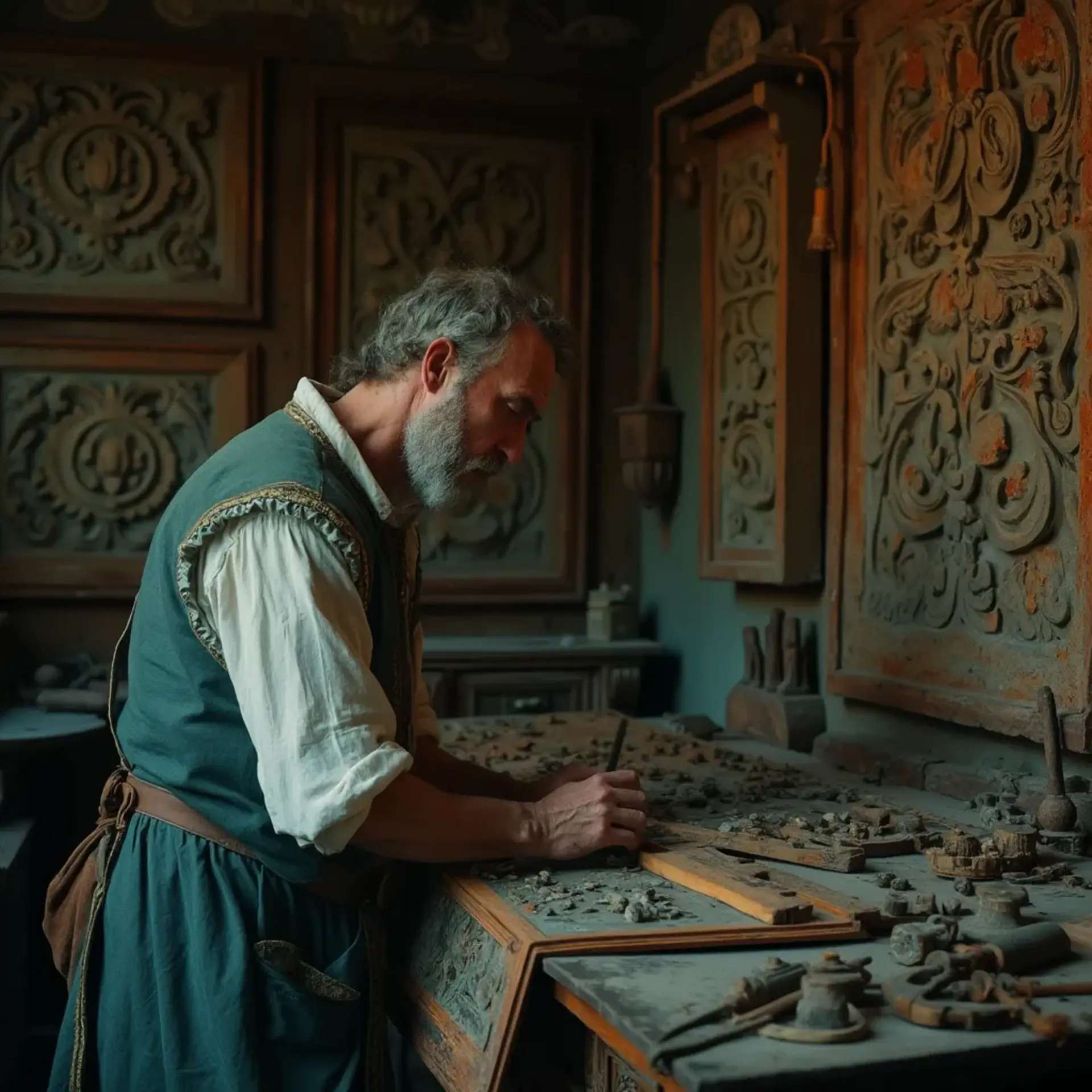
Basswood (Lime-wood), also known as lime wood, is the most popular choice for beginners because of its softness and close grain. This wood is ideal for detailed carvings because it holds fine details without breaking apart. Basswood (Lime-wood)’s crisp nature makes it perfect for intricate projects.
In Ireland, other suitable woods for beginners include birch and pine, both of which are easy to work with and readily available. Hardwoods like cherry and walnut are more challenging but offer excellent results for those with more experience (they can be tough to carve but reward you with stunning finishes). Why did the woodcarver bring a pencil to his carving session? In case he wanted to draw a conclusion!
If you’re just starting with wood carving, think of Basswood (Lime-wood) as the go-to option. This wood is soft and easy to carve, so you don’t get too frustrated! Birch and pine are also good choices if you can’t find Basswood (Lime-wood). They aren’t as soft but will still be manageable for beginners.
- Basswood (Lime-wood): Soft, close grain, great for details
- Birch: Easy to work with, available locally
- Pine: Relatively soft, available locally
- Cherry: Challenging, beautiful finish
- Walnut: Harder to carve, stunning results
Consistency and patience turn a block of wood into a piece of art.
What are the best types of wood in Ireland for beginners to practice carving?
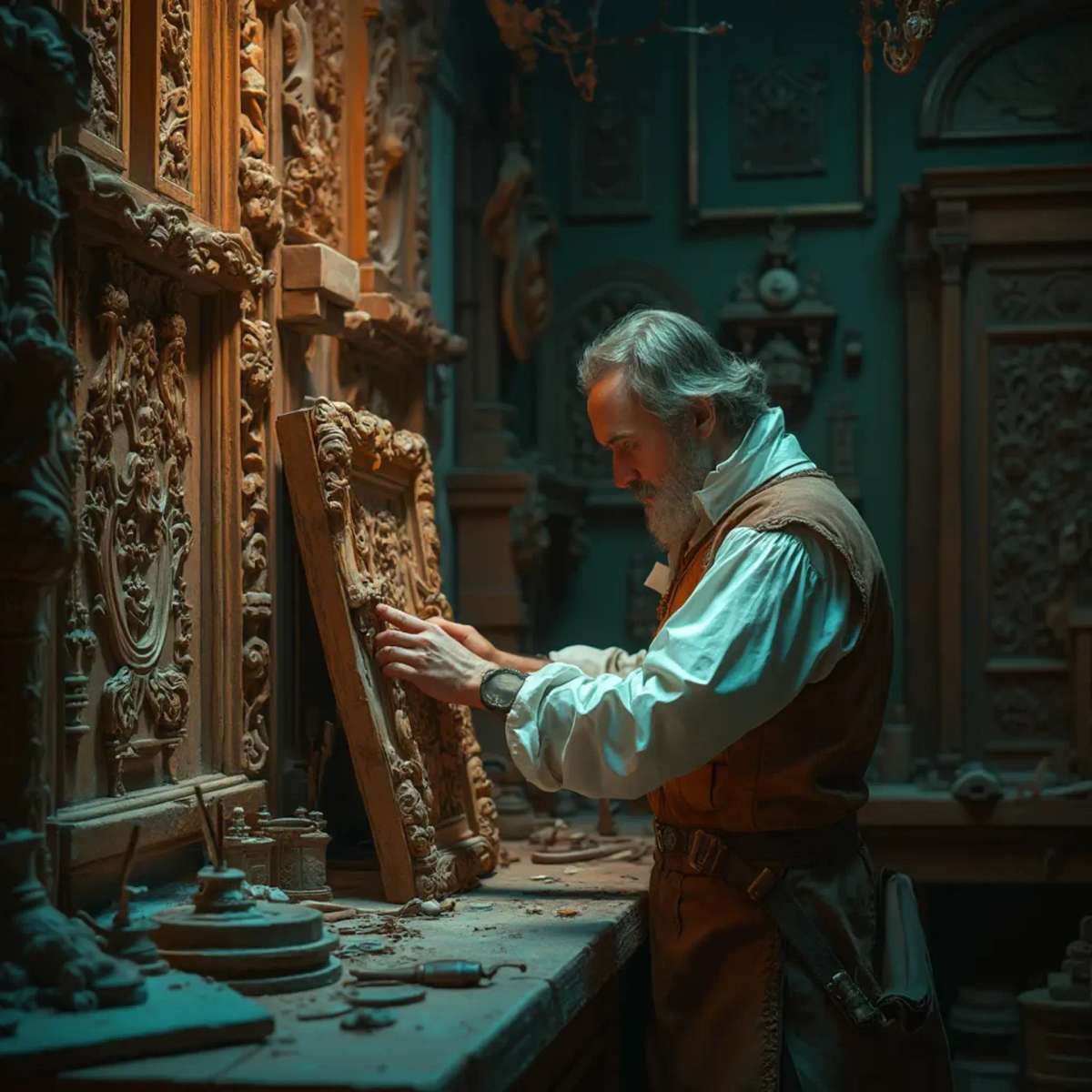
Maple is another excellent wood for beginners, though slightly harder than Basswood (Lime-wood) or lime wood. It provides a satisfying level of detail for those looking to improve their skills. Maple is durable and can handle a variety of carving techniques. Besides traditional choices, ash and poplar are also good options because of their availability and ease of use. While ash may be a bit stringy, it delivers robust results, and poplar is known for being forgiving for novice mistakes.
If you’re starting with wood carving, try exploring woods like maple, ash, and poplar. These woods offer a good balance of softness and detail, making them suitable for various carving projects. They are relatively easy to find in Ireland, and you’ll find they respond well to different tools and techniques.
- Maple: Harder than Basswood (Lime-wood), excellent detail, durable
- Ash: Slightly stringy, robust results
- Poplar: Forgiving, easy to work with
Even the hardest wood yields to the patient hands of a dedicated carver.
What are the best types of wood in Ireland for beginners to practice carving?
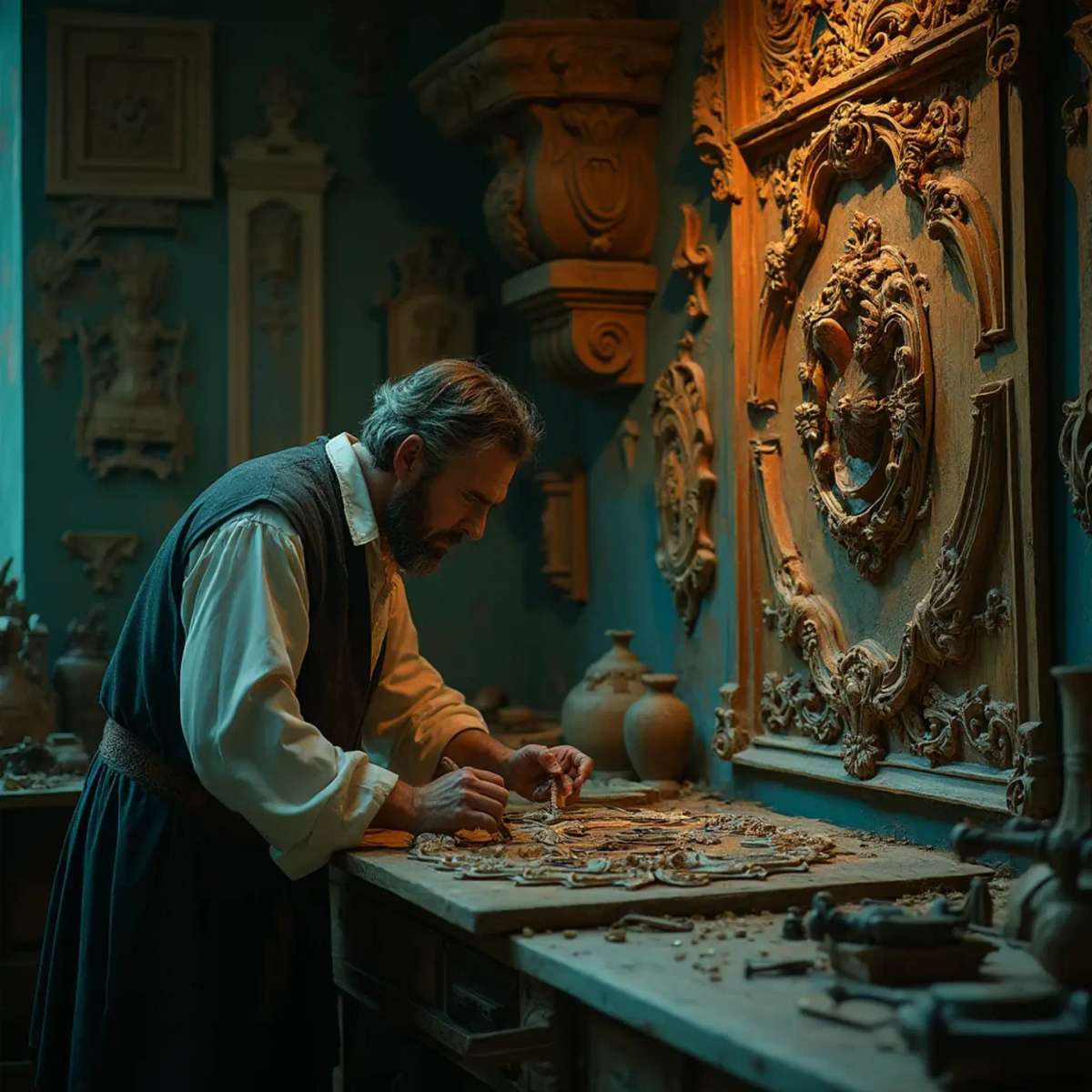
Aspen is another great option for beginners, offering a balance between softness and strength. This wood is easy to carve and is known for its smooth texture, making it suitable for a wide variety of projects. Also, aspen is less likely to cause allergic reactions compared to other woods. In Ireland, aspen is plentiful and can be a fantastic addition to any beginner’s collection. Why did the woodcarver start using aspen? Because he wanted to branch out!!!
Aspen wood is great for carving because it is soft enough to carve easily but strong enough to hold its shape. This wood is smooth and very nice to work with, so you can make many different things. Plus, it’s found in many places in Ireland.
- Aspen: Soft and strong, smooth texture
- Rowan: Easy to carve, detailed results
- Sweet Chestnut: Unique grain, good for various techniques
Exploring new types of wood can turn a simple project into a masterpiece.
What are the best types of wood in Ireland for beginners to practice carving?
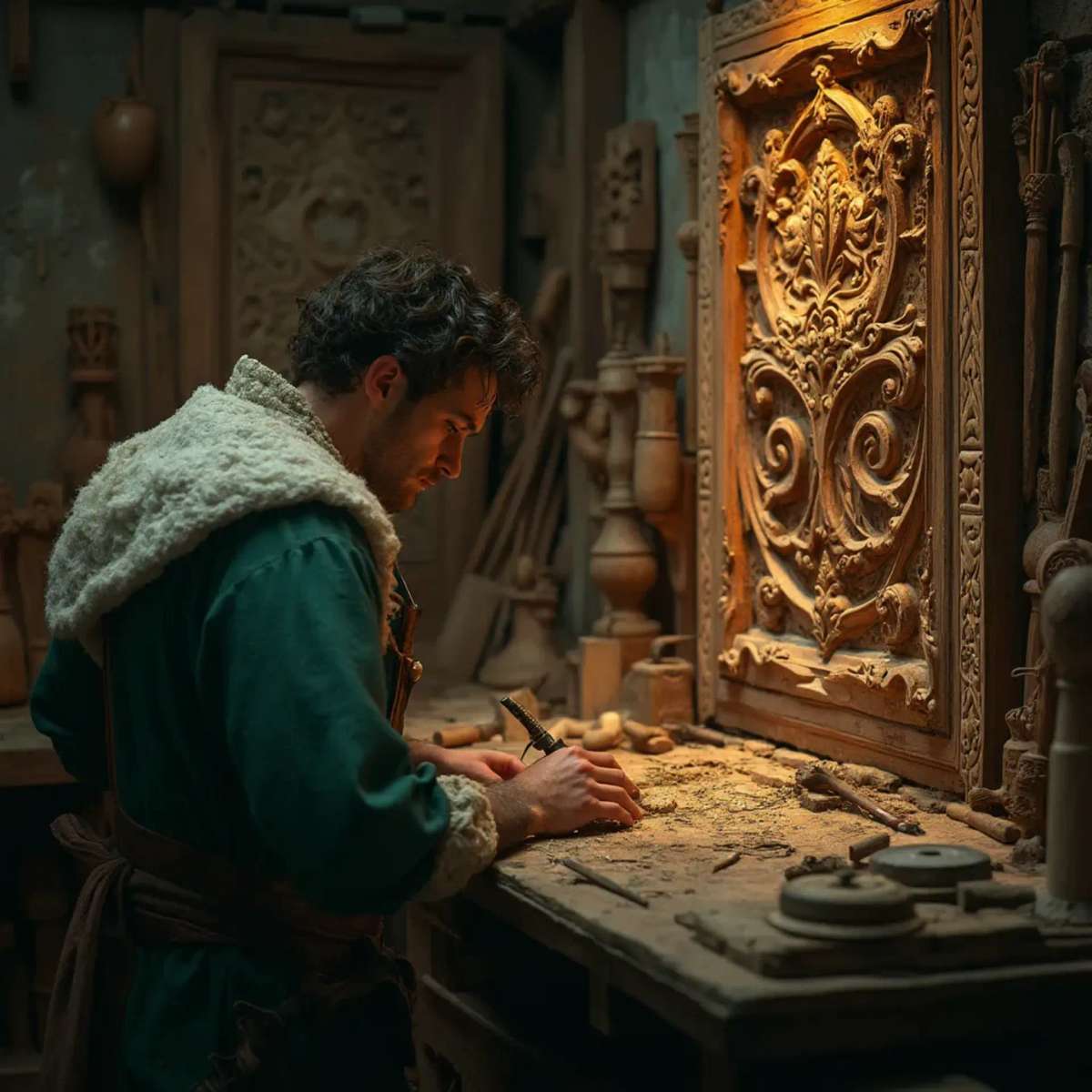
Besides Basswood (Lime-wood), birch, and pine, other woods like sycamore and alder can also be great for beginners. Sycamore is known for its fine grain and pale color, making it easy to see your cuts and learn carving basics. Alder is soft and lightweight, which makes it easier to handle and ideal for beginners. Plus, these woods are commonly available in Ireland, so you won’t have a hard time getting your hands on them. Why do carvers love sycamore? Because it’s a cut above the rest!
Sycamore and alder are great for learning to carve. Sycamore is smooth and its pale color helps you see your work. Alder is soft and light, making it easy to shape. Both are easy to find in Ireland.
- Sycamore: Fine grain, easy to see cuts, pale color
- Alder: Soft, lightweight, easy to handle
- Hazel: Smooth texture, widely available
Each type of wood offers a new adventure, shaping your skills in beautiful ways.

What are the best types of wood in Ireland for beginners to practice carving?
For those who have some carving experience, hardwoods like cherry and walnut provide more of a challenge but can produce beautiful results. Cherry’s fine grain allows for intricate work, and it ages wonderfully, developing a rich color over time. Walnut, known for its dark hue and striking grain, offers a stunning finish that makes your hard-earned efforts worthwhile. Using these hardwoods can definitely elevate your skills and result in exceptional pieces. Why did the woodcarver choose walnut and cherry? He wanted to up his “grain”!!!
When you’re ready for a bit more challenge, cherry and walnut are excellent choices. Cherry is smooth and can show fine details, and it looks better as it gets older. Walnut is harder, and its dark color and beautiful patterns make your work really stand out.
- Cherry: Fine grain, ages beautifully
- Walnut: Dark hue, striking grain
The beauty of hardwood lies in its ability to transform diligent effort into timeless art.
What are the best types of wood in Ireland for beginners to practice carving?
Close-grained wood is crucial for carving, especially for detailed work, as it helps prevent splitting and produces smoother cuts. Woods like pear and apple are fantastic for detailed carving because of their dense and close grain structure. Pear wood, although harder to come by, is known for its smooth finish and robust nature, making it ideal for intricate designs. These woods are less likely to splinter, providing a more enjoyable carving experience for beginners. Why did the woodcarver love pear wood? Because it made him “apple-solutely” happy!!!
When you carve with close-grained wood like pear or apple, it’s easier to make nice, smooth cuts without the wood breaking apart. This makes it great for beginners who want to do detailed work. Plus, the wood looks really nice when it’s finished.
- Pear: Dense, close grain, smooth finish
- Apple: Robust, less prone to splitting
Choosing the right wood is the first step in turning your carving dreams into reality.
What are the best types of wood in Ireland for beginners to practice carving?
Good carving wood should be workable, have a consistent grain structure, and be durable enough to hold its shape and details well. Aspen, sycamore, and alder are excellent choices fitting these criteria, making them ideal for beginners. Aspen offers softness for easy carving while maintaining strength, sycamore’s pale color helps see cuts clearly, and alder is lightweight and easy to handle. These woods are widely available in Ireland and provide a pleasant carving experience for those starting out. Why did the beginner carver pick aspen, sycamore, and alder? So he could carve out his niche!!!
Think of finding the best wood as finding the right tool for your craft. Aspen, sycamore, and alder are like perfect partners for your carving journey. Aspen is soft but strong, sycamore’s light color makes seeing your work easy, and alder is light, which makes it easy to shape. They’re all easy to find in Ireland and will make carving less frustrating.
- Aspen: Easy to carve, holds shape, smooth texture
- Sycamore: Clear cuts, fine grain, pale color
- Alder: Lightweight, easy to handle, soft
The right wood can turn even the simplest carving into a piece of art.
What are the best types of wood in Ireland for beginners to practice carving?
For those looking to carve native Irish woods, Irish Oak offers unique characteristics. It is sturdy and resilient, providing a reliable medium for various carving projects. While a bit harder than some beginner woods, Irish Oak rewards carvers with a wonderful finish that highlights its rich texture and grain. This type of wood is also locally sourced, which can be appealing for those who prefer to work with materials that have a regional connection.
Working with Irish Oak can teach you a lot about the different textures and resilience of wood. It’s strong and looks great when polished, though you might find it harder to carve than softer woods. You’ll feel proud using a wood that’s so steeped in your local heritage.
- Irish Oak: Sturdy, resilient, rich texture
- Rowan: Offers detailed results, less hard
- Sweet Chestnut: Great for various techniques, unique grain
Carving native woods not only connects you to the land but also adds a unique story to your creations.

Different Woods Impact the Final Look of a Carving
The type of wood you choose greatly affects the final look of your carving, from its color and texture to how well it can take stains or paints. For instance, Basswood (Lime-wood) is a popular choice because it accepts both stains and paints wonderfully, offering a smooth and even finish. In contrast, woods like walnut and cherry provide rich, natural colors and striking grain patterns without needing much improvement. These differences can make your carving unique, depending on the project’s aim and desired aesthetic. Trust me, understanding how each type of wood behaves will make your carvings stand out. Why did the woodcarver love staining his Basswood (Lime-wood) carvings? Because it always made them ‘grain-credible’!!!
Choosing the right wood can change how your carving looks. Some woods are easy to paint or stain, while others have beautiful natural colors that don’t need any extra touch. For example, Basswood (Lime-wood) is soft and smooth, great for painting. But walnut and cherry have rich, dark colors that look amazing as they are.
- Basswood (Lime-wood): Smooth, takes stains and paints well
- Walnut: Rich, dark color, striking grain
- Cherry: Natural reddish hue, elegant grain patterns
The wood you choose is the canvas of your craft; its qualities paint the final masterpiece.
The Craft of Carving Woods
In Ireland’s woods, a treasure lies,
For carvers eager, they reach for the skies.
Basswood (Lime-wood) shines, soft to the touch,
Its close grain serves well, never too much.
Next comes birch, with character bold,
Eager to shape, it’s a joy to hold.
And pine, oh sweet pine, with ease it bends,
A companion for those who seek new trends.
Then maple may tempt with its strength and grace,
A canvas for dreams, it sets the pace.
With ash by your side, a robust delight,
And poplar stands ready, ever polite.
For pro hands, cherry and walnut await,
Their beauty in finish, the task feels great.
With grains that enchant and colors so warm,
These hardwoods add depth, a true carver’s charm.
In every cut, your skill will accrue,
With each piece of wood, an adventure anew.
So gather your tools, let your spirit soar,
In Ireland’s embrace, there’s always more in store.
| Wood Type | Details |
|---|---|
| Basswood (Lime-wood) | Soft and easy to carve. Great for details. Perfect for beginners!!! |
| Birch | Easy to work with and available in Ireland. Good starter wood. |
| Pine | Light and manageable. Another easy choice for beginners. |
| Maple | A bit harder but gives nice detail. I really like it!!! |
| Ash | Strong wood but can be a bit stringy. Makes good carvings. |
| Poplar | Soft and forgiving. Great for learning from mistakes. |
| Aspen | Soft with a smooth texture. It’s a great choice for beginners!!! |
| Sycamore | Has fine grain and light color, which helps you see your cuts. |
| Alder | Lightweight and easy to handle, perfect for starting out. |
| Cherry | Harder, but has a beautiful finish. It can really elevate your work. |
| Walnut | Dark and striking grain. Wow, it looks amazing when carved! |
| Pear | Dense and smooth. Makes for a nice carving experience. |
| Apple | Strong and holds its shape well. It’s great for detailed work. |
| Irish Oak | Sturdy and resilient. A lovely wood, but can be tough to carve. |
| Rowan | Good for detailed results and easier to carve than harder woods. |
| Sweet Chestnut | Has a unique grain and works well with many techniques. |

What are the best types of wood in Ireland for beginners to practice carving?
For those just starting out, Basswood (Lime-wood) stands as the best choice because of its softness and fine grain which makes it easy to carve intricate details.
According to most experienced woodcarvers, Basswood (Lime-wood) is highly recommended for newbies because it’s softer and the grain is less likely to cause frustrating splinters. It’s also readily available and very forgiving, which helps beginners gain confidence with minimal setbacks.
If you’re a beginner, Basswood (Lime-wood) will make your initial projects much smoother to handle. Its softness means your carving tools will glide through it like butter, minimizing the chances of mistakes. Pine and birch are also good alternatives if you can’t find Basswood (Lime-wood), offering similar ease of use but a little more resistance. These woods can still help you practice your skill without becoming too frustrated.
When you’re starting out in wood carving, it’s crucial to pick a wood that won’t make you want to pull your hair out. Basswood (Lime-wood) is the hero here: it’s soft, holds details well, and is pretty easy to find. Pine and birch serve as solid backups if you’re in a pinch. Trust me, you’ll thank yourself for going easy on you at first.
In a nutshell, Basswood (Lime-wood) is a fantastic wood for beginners because it offers a forgiving and smooth carving experience. Pine and birch are still pretty good and easy to get in Ireland. So grab your tools and get carving!!!
Key Takeaways
- Basswood (Lime-wood) is the top choice for beginners in Ireland because of its softness and fine grain, which make it perfect for intricate carvings.
- Other beginner-friendly woods include birch and pine, both of which are easy to work with and widely available in Ireland.
- For those with some carving experience, hardwoods like cherry and walnut offer more challenge but yield beautiful, detailed results.
- Close-grained woods like Basswood (Lime-wood), pear, and apple are ideal for detailed work as they prevent splitting and provide smoother cuts.
- Locally sourced woods such as Irish Oak and sycamore also offer unique characteristics and connect the carver to their regional heritage.
Best Woods for Beginners Carving in Ireland
If you’re starting wood carving in Ireland, the best woods to try are Basswood (Lime-wood), birch, and pine. Basswood (Lime-wood) is soft and great for detail work. Birch and pine are also easy to find and carve. Once you’re more advanced, you can try harder woods like cherry and walnut for stunning finishes.