
Is American Beech (Fagus grandifolia) Good for Carving by Hand?
American Beech (Fagus grandifolia) is a challenging wood to carve by hand due to its hardness. With a Janka hardness of 1,300 psi and specific gravity of 0.69, it requires significant effort and sharp tools. The wood’s dense and heavy nature means you’ll need patience and strength—much like lifting a tree trunk with one hand! ?
American Beech trees grow quite big, about 80 feet tall, and their wood is really hard. Hard wood means it’s tough to carve but sturdy. If you try carving it, you might need to push really hard and use sharp tools. It’s like trying to carve a rock, but the rock is made of wood!
“Carving harder wood like American Beech will test your patience and your tools, but the reward is a sturdy, long-lasting piece.”
Grain and Texture of American Beech .


Is American Beech Hardwood or Softwood?
American Beech (Fagus grandifolia) is a hardwood species. With a Janka hardness of 1,300 psi, it’s tough and dense. This makes it sturdy but also challenging to carve, like trying to make a sculpture out of stone!
American Beech trees can grow up to 80 feet tall and their wood is very strong. Strong wood is called hardwood. When you carve it, you have to push really hard and use very sharp tools, kind of like carving a big rock but a rock that’s wood!
“Working with hardwoods like American Beech will test your resolve but reward you with a durable and lasting piece.”

What are common names of American Beech?
American Beech, known scientifically as Fagus grandifolia, often goes by several common names. It’s frequently called “American Beech” or “North American Beech.” Whether you say “American” or “North American,” it’s still one hard tree! ?
This tall and broad tree can be called “American Beech” or “North American Beech.” Both names refer to the same hardwood tree with strong, dense wood. Think of these names as different nicknames for your giant friend, the beech tree.
“In wood carving, knowing the names might not cut the wood, but it sure cuts confusion.”
What is the Scientific Name of American Beech?
The scientific name of American Beech is Fagus grandifolia. This hardwood species is native to North America and grows up to 80 feet tall. Its wood is famously sturdy, akin to trying to carve a tree that has a PhD! ?
The American Beech tree, or Fagus grandifolia, is a mighty hardwood tree that can grow quite tall and wide. The scientific name may sound fancy, but it simply tells us exactly which tree we’re talking about. When you carve its dense wood, it’s like sculpting a puzzle piece for Mother Nature.
“Knowing the scientific name of your carving wood won’t make it softer, but it might make you sound smarter.”

How Large Can an American Beech Tree Grow?
American Beech trees typically reach heights of around 80 feet and can spread 70 feet wide. They have a short trunk and a rounded, spreading shape, making them quite the majestic giants in the forest. Think of it as trying to introduce a skyscraper to your woodworking collection! ?
Imagine a tree that’s as tall as an 8-story building and almost as wide! American Beech trees grow really big, about 80 feet tall and 70 feet wide. They spread out their branches far and wide, making them perfect for providing lots of shade.
“A tree as grand as the American Beech commands respect and lots of elbow grease.”
What is the Average Dried Weight of American Beech?
The average dried weight of American Beech (Fagus grandifolia) is 43 pounds per cubic foot (0.69 g/cm³). This makes it a heavy and dense wood, ideal for durable projects. Just don’t drop it on your foot—it’s not as forgiving as basswood! ?
American Beech is pretty heavy wood, weighing about 43 pounds for a cubic foot. Imagine carrying a big, heavy wooden box. That’s what it feels like to lift a piece of this beech wood. It’s dense, strong, and perfect for making things that need to last a long time.
“Working with American Beech will give your muscles a workout but reward you with a strong and enduring piece.”

What is the Specific Gravity of American Beech?
American Beech (Fagus grandifolia) has a specific gravity of 0.69. This means it’s dense and heavy, requiring the sharpest tools and careful handling for woodcarving. Imagine trying to carve your initials into a dense loaf of bread! ?
Specific gravity measures how dense something is compared to water. If American Beech were as easy to work with as basswood, we’d all be Michelangelo by now! But remember, the higher the specific gravity, the tougher the wood—and the more muscle you’ll need.
“Understanding the specific gravity of your carving wood helps you know what you’re up against before you even start.”
What Is the Janka Hardness of American Beech?
American Beech (Fagus grandifolia) has a Janka hardness rating of 1,300 pounds per square inch (psi). This makes it a sturdy and durable hardwood, though more challenging to carve. Think of it as your personal weightlifting routine—just with wood instead of dumbbells! ?
American Beech has a Janka hardness of 1,300 psi, which measures how hard the wood is. Hard wood is tough to carve but good for making strong items. Imagine it like trying to cut through a thick piece of super-strong bread.
“Carving American Beech is not for the faint-hearted, but the effort yields a resilient and impressive result.”

What is the Modulus of Rupture of American Beech?
American Beech (Fagus grandifolia) has a Modulus of Rupture of 12,000 psi. This indicates the wood’s strength, describing how much stress it can handle before breaking. Think of it as American Beech performing a classic strongman act—it’s impressive, but don’t underestimate the effort involved! ?
American Beech can handle a lot of pressure, about 12,000 pounds per square inch. That’s like saying the wood won’t snap easily if you put a heavy load on it. Imagine American Beech doing a really strong pull-up without breaking a sweat!
“The true strength of American Beech lies not just in its density, but in how much pressure it can withstand without giving in.”
What is the Elastic Modulus of American Beech?
The Elastic Modulus of American Beech (Fagus grandifolia) is 1,800,000 psi. This indicates the wood’s elasticity, showing how much it can bend without breaking. Think of it as the wood pulling off some yoga moves—just keep those carving tools sharp! ?
American Beech has an Elastic Modulus of 1,800,000 psi, which tells us how flexible it is. Imagine a super stretchy rubber band—that’s how much the wood can bend before snapping. It’s strong and can handle a lot, but don’t try bending a big piece with your hands unless you’ve been working out!
“Understanding the elasticity of your carving wood can help you predict its behavior before it’s too late.”

What is the Crushing Strength of American Beech?
The crushing strength of American Beech (Fagus grandifolia) is 7,800 psi. This measures how much pressure the wood can handle before it gets crushed. Imagine it as the wood flexing its muscles under stress—it’s pretty strong! ?
The crushing strength tells us how much weight American Beech can hold before it gets squished. Imagine stacking a big pile of books on it without it breaking—that’s its super strength! It’s like the wood is saying, “Bring it on, I can take it!”
“Understanding the crushing strength of your carving wood can save your projects from collapsing under pressure.”

What is the Shrinkage of American Beech?
American Beech (Fagus grandifolia) experiences substantial shrinkage, with radial shrinkage at 5.5%, tangential at 10.5%, and volumetric at 15.5%. Its Tangential to Radial (T/R) Ratio is 1. These properties make it quite the shrinking violet but definitely worth the effort in woodworking! ?
When American Beech wood dries out, it shrinks. The wood shrinks 5.5% across the grain (radial), 10.5% along the grain (tangential), and 15.5% for the whole piece (volumetric). Imagine pressing on a sponge; it gets smaller just like the wood does when it loses water.
“Shrinkage in wood isn’t just about losing size; it’s about understanding how every piece reacts over time.”
- Radial Shrinkage:
- 5.5%
- Tangential Shrinkage:
- 10.5%
- Volumetric Shrinkage:
- 15.5%
- T/R Ratio:
- 1
What Does American Beech Look Like?
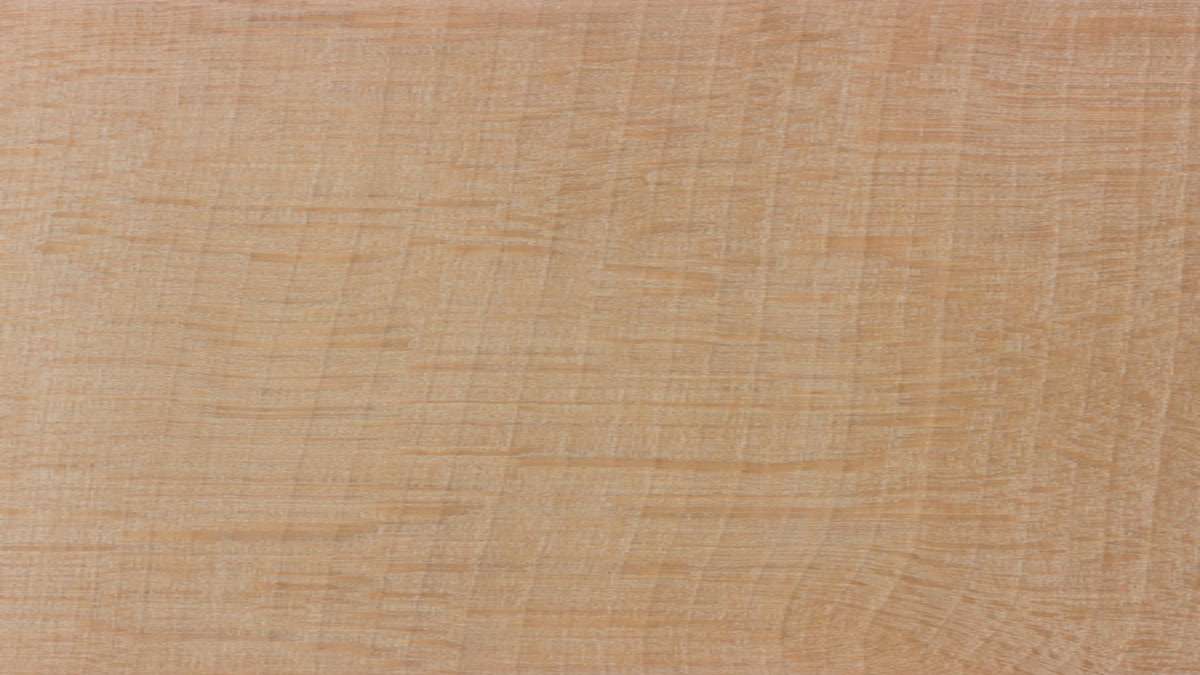
American Beech (Fagus grandifolia) has a smooth, pale-colored appearance with a fine, even texture. Its color ranges from light cream to pale brown, often with a hint of pink or reddish tones. Though attractive, carving it can be tricky work—best keep your chisel sharp and hands steady! ?
American Beech wood is usually light in color, kind of like the color of sand at the beach but a bit pinkish. The surface feels smooth and looks very neat. Just imagine working with a giant, pale wooden crayon!
“The unique charm of American Beech lies in its understated beauty and the patience it demands.”

What Is the Grain and Texture of American Beech?
American Beech (Fagus grandifolia) has a fine, even texture with a straight grain. Its uniform look is visually appealing but challenging to carve due to its density. It’s like working with a perfectly smooth, dense piece of chocolate—just less delicious! ?
American Beech has a smooth and even texture with grains that run in straight lines. This makes the wood look very neat and tidy. Imagine drawing on a piece of paper without any bumps; that’s what carving this wood feels like, except it’s much harder.
“Carving American Beech is like taming a well-mannered but stubborn horse—it looks elegant, but you’ll need some muscle and finesse.”
Does American Beech Resist Rot?
American Beech (Fagus grandifolia) is not known for its rot resistance. This hardwood is prone to decay if exposed to moisture, making it less suitable for outdoor projects. Picture it like a sturdy sponge—it might be strong, but it won’t stay that way if it gets wet for too long! ?
When American Beech wood gets wet, it can start to rot. This means it’s better for indoor items like furniture rather than outdoor things like garden benches. Think of it like wearing socks in the rain—they won’t stay nice for long!
“Rot resistance isn’t just a feature; it’s a crucial detail your woodcarving projects depend on.”

Is American Beech (Fagus grandifolia) easy to work with?
Due to its hardness and density, American Beech can be quite difficult to work with, especially for carving. Its Janka hardness of 1,300 psi and specific gravity of 0.69 make it demanding on both tools and patience. In other words, it’s like trying to whittle a boulder with a butter knife! ?
Imagine pushing a heavy box across the floor—American Beech wood is kind of like that when you try to carve it. It’s a strong, dense wood that needs very sharp tools, and a lot of elbow grease to shape.
“The true challenge of American Beech lies in its stubborn strength; conquer it, and your reward is a masterpiece built to last.”

What is the Odor of American Beech?
American Beech (Fagus grandifolia) has negligible odor when dried. This makes it pleasant to work with, without any bothersome smells wafting around your workshop. Unlike fresh pine, it won’t give your nose a workout! ?
When you dry American Beech, it has almost no smell. This is great because there won’t be any strong odors in your workspace. Think of it like carving a chunk of air—it’s that unobtrusive!
“A wood that doesn’t smell like a forest can be a carver’s quiet joy and a cat’s worst nemesis.”
What are the allergies and toxicity risks associated with American Beech wood?
American Beech (Fagus grandifolia) can cause skin irritation and respiratory issues in some people. Its dust may lead to allergic reactions, including sneezing and skin rashes. Just like carving an allergy pill, it’s best to work in a well-ventilated space! ?
Did you know that American Beech can make some people sneeze a lot or even give them itchy skin? Its dust is the culprit. So, it’s like having a tree that can make you say “Achoo!” if you’re not careful.
“The sharper your tools, the less dust you create—and the fewer sneezes you’ll have to endure.”

What Are the Common Uses of American Beech?
American Beech is commonly used for furniture, flooring, and tool handles. Its hardness and density make it ideal for items requiring durability, but it’s also popular in veneer production. Plus, it’s not too bad for giving your muscles a workout! ?
American Beech is often used to make furniture, floors, and handle tools. The wood is very strong and lasts a long time. Though it’s tough to carve, it’s great for making things that need to be really sturdy.
“In the world of woodworking, the tougher the wood, the more rewarding the creation.”

Carving Through the Beech
In the forest stands a giant, tall and grand,
American Beech, a sculptor’s hand must command.
With a hardness that rivals the toughest stone,
Patience is needed, for carving it’s prone.
At one thousand three hundred, the Janka score stands,
Each stroke of the chisel requires skilled hands.
Its dense fibers fight back, a true test of might,
Much like lifting boulders in the cool morning light.
Its creamy hue glows in the sunlight’s warm reach,
But beware, my friends, this wood can teach.
With tools that are sharp and resolve that won’t sway,
You conquer the beech, and a treasure you’ll lay.
Though rot may ensue if dampness takes hold,
Indoor projects shine bright, with stories retold.
So carve with intent, let your vision take flight,
For beauty is born in the dance with the tight.

Full Information about American Beech
| Property | Details |
|---|---|
| Hardwood or Softwood | Hardwood |
| Common Name(s) | American Beech, North American Beech |
| Scientific Name | Fagus grandifolia |
| Tree Size | Typically grows to 80 feet tall and 70 feet wide |
| Average Dried Weight | 43 lbs/ft³ (0.69 g/cm³) |
| Specific Gravity | 0.69 |
| Janka Hardness | 1,300 psi |
| Modulus of Rupture | 12,000 psi |
| Elastic Modulus | 1,800,000 psi |
| Crushing Strength | 7,800 psi |
| Shrinkage | Radial: 5.5%, Tangential: 10.5%, Volumetric: 15.5%, T/R Ratio: 1 |
| Color/Appearance | Pale colors, ranging from light cream to pale brown with hints of pink or red |
| Grain/Texture | Fine, even texture with straight grain |
| Rot Resistance | Not particularly resistant; prone to decay if exposed to moisture |
| Workability | Can be difficult to work with due to density |
| Odor | Negligible odor when dried |
| Allergies/Toxicity | Can cause skin irritation and respiratory issues for some individuals |
| Pricing/Availability | Usually available, prices can vary based on region |
| Sustainability | Considered sustainable when sourced responsibly |
| Common Uses | Furniture, flooring, tool handles |