
Is Batai (Falcataria moluccana) Good for Carving by Hand?
Falcataria moluccana, commonly known as Batai, is a softwood with an average dried weight of 22 lbs/ft³, making it relatively easy to carve by hand. While it’s not particularly dense, it can be a great choice for beginners looking to practice their skills. Just be careful not to sneeze on it—it’s light enough to float away!
Imagine you’re working with a soft sponge instead of a hard rock. Batai is a softwood, which means it’s quite easy to carve. Its scientific name is Falcataria moluccana, and it can grow really tall, up to 35 meters! It’s like carving butter (but not the kind you eat). Simple chisels and knives can easily shape it into fun designs.
In the art of woodcarving, the choice of wood can make or break the journey, but patience and practice always carve the path to mastery.
Grain and Texture of Batai.


Is Batai Hardwood or Softwood?
Batai, commonly known as Falcataria moluccana, is classified as a softwood. This tree has numerous regional names like Moluccan albizia and Sengon, and it can grow up to 35 meters tall. Despite its size, it has a specific gravity of 0.32 and an average dried weight of 22 lbs/ft³.
Think of Batai as a big, friendly giant. It grows really tall and wide, like a skyscraper, but it’s pretty light and soft, sort of like a giant pillow. People call it by different names in different places, like how a superhero has many aliases.
In woodcarving, the name might change, but the grain of the wood tells the true story.

What are common names of Batai?
Batai is another name for the tree species Falcataria moluccana, a softwood known for its light weight and widespread use. Besides being called Batai in Malaysia, it goes by many names like Moluccan albizia, Sengon in Java, and Jeungjing in Indonesia. Whether you’re in Samoa calling it Tamaligi or in the Philippines calling it Falcata, this tree has a wide collection of names and uses. Just imagine the chaos at a tree family reunion! (Do trees do that? I wonder.)
Falcataria moluccana, or Batai, is a tall tree (up to 35 meters!) with many names in different places. It is known as Moluccan albizia, Sengon (Java), Jeungjing (Indonesia), and more. This tree is lightweight and soft, making it easy to carve.
“A tree by any other name would still grow tall and be a carver’s delight.”
What is the scientific name of Batai?
The scientific name for Batai is Falcataria moluccana, also known as Moluccan albizia. This softwood tree can grow up to 35 meters tall with a diameter of 1.3 meters. It’s lightweight, with an average dried weight of 22 lbs/ft³ (360 kg/m³), making it ideal for different wood collections. (And yes, trees do have fancy names too!)
Let’s talk about Falcataria moluccana (Batai), or as some call it, the Moluccan albizia. This tree lives up to its name by growing very tall – up to 35 meters! It’s softwood, not heavy at all, and it’s used in many wood collections because it’s light.
“Understanding the scientific name of a tree is like learning its real identity; in the world of woodcarving, every tree has its story, and Falcataria moluccana is just one chapter.”
What is the tree size of Batai?
Batai trees, also known as Falcataria moluccana, can reach up to 35 meters in height with a diameter of about 1.3 meters. Their wood is classified as softwood and is relatively lightweight, making it suitable for various woodworking projects. (Just don’t expect it to lift any heavy weights!)
The Batai tree is a big, beautiful tree that grows very tall and wide. Imagine a tree that can be taller than some buildings and has a trunk that’s as thick as a car. That’s what Batai is like.
Batai’s impressive stature is nature’s way of showing that even the tallest of trees started as the smallest of seeds.
What is the average dried weight of Batai wood?
The average dried weight of Batai wood, scientifically known as Falcataria moluccana, is 22 lbs/ft³ (360 kg/m³). This makes it a relatively lightweight softwood, ideal for various woodworking projects. In fact, it’s so light you might think you’re carving air! Trust me.
Batai, also known as Moluccan albizia, is a softwood tree that can grow up to 35 meters tall and 1.3 meters in diameter. It’s found in places like Malaysia, Java, and Indonesia and has many names, including Sengon and Jeungjing. With an average dried weight of 22 lbs per cubic foot, it’s perfect for beginners since it’s not too heavy and easy to carve.
Lightweight wood like Batai can turn your woodcarving projects into a breeze, offering flexibility and ease without sacrificing charm.
What is the specific gravity of Batai wood?
The specific gravity of Batai, scientifically known as Falcataria moluccana, is 0.32. This measurement reflects its classification as a softwood, contributing to its versatility and lightweight nature. You might say Batai floats through projects effortlessly—unlike my attempts at cutting straight in high school woodshop!
Falcataria moluccana, commonly known as Batai (Malaysia), is a softwood that grows up to 35 meters tall with a diameter of 1.3 meters. Its low specific gravity (0.32) makes it lightweight, meaning it’s easier to work with and carry around compared to heavier woods. Think of it as picking up a bag of feathers instead of rocks—both are useful but one won’t make you groan!
The beauty of woodcarving lies not just in the craft, but in understanding the unique properties of each wood species.
What is the Janka Hardness of Batai?
The Batai tree, also known as Falcataria moluccana or Moluccan albizia, is a softwood with an average dried weight of 22 lbs/ft³ and a specific gravity of 0.32. While it’s quite easy to work with, its softness means it’s not the best choice for heavy-duty carving projects. Why did the woodcarver start using Batai? He wanted to carve out a little more time for tea breaks!
Batai, also called Moluccan albizia or Sengon in Java, is a tall tree (up to 35 meters) with a diameter that can reach 1.3 meters. It’s light and easy to cut, making it less tough on your tools (and even your hands). This wood isn’t the strongest, so it’s perfect for practice and lighter projects.
Softwood like Batai teaches the carver patience and humility—each cut is a lesson in gentleness.
What is the modulus of rupture for Falcataria moluccana, commonly known as Batai?
Batai (Falcataria moluccana) is a softwood species, commonly called Moluccan albizia, that grows up to 35 meters tall with a diameter of 1.3 meters. It has an average dried weight of 22 lbs/ft³ (360 kg/m³) and a specific gravity of 0.32. These characteristics influence its modulus of rupture, making it a unique material in woodcarving (though I still prefer basswood!).
Think of Batai as a tall, lightweight tree that can grow as high as six large adults standing on each other’s shoulders. Its wood, although strong, is not as dense as oak or walnut, making it easier to carve but not as sturdy. It’s like working with a giant’s Lego – fun and manageable, but you wouldn’t build a house out of it!
“Understanding the nature of the wood you carve is as important as the tools you use.
What is the Elastic Modulus of Batai Wood?
Falcataria moluccana, commonly known as Batai, has an elastic modulus that varies due to its nature as a softwood. Typically, the specific gravity of 0.32 and average dried weight of 22 lbs/ft³ influence its flexibility and strength. If you need wood that bends and flexes well, Batai might be soft but it’s got some bounce—better than using cooked spaghetti!
Batai is a type of tree that grows about 35 meters tall and is quite large in diameter, up to 1.3 meters. It’s known by various names in different places, like Sengon in Java and Falcata in the Philippines. This wood is light since its dried weight is just 22 pounds per cubic foot, making it easy to carry and shape.
A carver’s skill isn’t just in the hand, but in understanding the wood’s heart.
What is the Crushing Strength of Batai?
The Falcataria moluccana, commonly known as Batai, is a softwood with a specific gravity of 0.32. It has an average dried weight of 22 lbs/ft³, making it lighter than hardwoods. This wood species, also known as Moluccan albizia, grows up to 35 meters tall and 1.3 meters in diameter (so it’s no midget!). But don’t let its size fool you; it’s relatively easy to carve.
Batai, a type of softwood, sounds like a town but it’s actually a tree. This tree grows very tall, up to 35 meters high, and is very light, like a feather! Because it’s so light, it’s easy to carve and good for making lots of wooden stuff.
“In the world of woodcarving, even a giant has a soft side.”

What are the shrinkage properties of Batai (Falcataria moluccana) wood?
Batai wood, also known as Falcataria moluccana, exhibits certain shrinkage characteristics. It is a softwood commonly named Moluccan albizia or Sengon, among others. The tree can grow up to 35 meters tall and shrinkage is a key consideration in woodworking. Why did the woodcarver go broke? Too much shrinkage at the wrong time!
Batai (or Moluccan albizia, for my geography buffs) is a type of tree that grows up to 35 meters tall. When we dry it out, it can get smaller because of something called “shrinkage.” Imagine a sponge that gets smaller when it dries out – it’s kinda like that but with wood. The tree is often used in woodworking, and the specific characteristics of Batai wood (like its weight and size) are important to keep in mind.
- Hardwood or Softwood:
- Softwood
- Average Dried Weight:
- 22 lbs/ft³ (360 kg/m³)
- Specific Gravity:
- 0.32
- Common Names:
-
- Batai (Malaysia)
- Moluccan albizia
- Sengon (Java)
- Salawaku (Maluku)
- Jeungjing (Indonesia)</li
What is the color and appearance of Batai wood?
Batai wood, or Moluccan albizia, typically has a pale yellow to light brown color with little distinction between heartwood and sapwood. Its grain is usually straight but may sometimes be interlocked, giving it a slightly uneven texture. The wood’s low specific gravity of 0.32 and average dried weight of 22 lbs/ft³ (360 kg/m³) make it a lightweight option for various applications (not ideal for baseball bats, though). Yes, you heard it right: don’t make your bat from Batai!
Batai wood, also known by several names like Sengon and Falcata, grows up to 35m tall and has a diameter of about 1.3m. The color of Batai is often a pale yellow that might remind you of sunshine mixed with a bit of cream. The wood’s grain can be straight or sometimes have a slight wave, like the gentle ripples in a pond. Batai is easy to carve but can be a little tricky at times because it’s so light (once, I accidentally made a toothpick instead of a sculpture).
The lightest touch can reveal the beauty within the wood.
What’s the Grain/Texture of Batai Wood?
Falcataria moluccana, also known as Batai, is a softwood with a relatively uniform texture and straight grain. The wood is lightweight, making it easy to work with despite its low density of 22 lbs/ft³ (360 kg/m³). Considering its specific gravity of 0.32, you’d better handle it with some care—unless you want your carvings to float away!
Batai wood, or Falcataria moluccana, is pretty soft compared to other woods. Its texture is smooth, and the lines in the wood (called the grain) run straight. This makes it easy to carve and shape, kind of like using a thick crayon that doesn’t break easily. You can find it in many places, including Malaysia, Java, and Samoa.
“Understanding the grain and texture of wood is like learning its language—once you know it, the possibilities for creating art are endless.
What is the rot resistance of Batai?
Falcataria moluccana, commonly known as Batai, has poor rot resistance compared to hardwoods. It’s a softwood, making it more susceptible to decay, especially in humid or wet conditions. Not the best choice if you want something that’ll outlast your grandkids, but it works in less demanding environments. (Think of it like the fast-food version of wood—quick and easy, but not a long-term solution.)
If you ever wondered why Batai isn’t great for outdoor use, it’s because it’s a softwood. Softwoods like Batai can rot faster, especially if they get wet. So, using it for indoor projects is safer (like making a cozy bed instead of a treehouse).
“Even the softest wood can carve a legacy if you choose the right project.”

What is the workability of Batai (Falcataria moluccana)?
Batai, or Falcataria moluccana, is a softwood known for its lightweight and manageable characteristics, making it easy to carve and shape. Its low specific gravity of 0.32 and dried weight of 22 lbs/ft³ offer a balance between strength and workability. Just remember, it’s not the wood that makes a masterpiece—it’s the carver (and the sharp chisel helps, too)!
Batai trees can grow really tall, up to 35 meters and a meter wide. It’s a softwood, so it’s lighter and softer than hardwoods, making it easier to carve into shapes. Think of it like carving a pumpkin instead of a rock—less tough, more fun!
In the world of woodcarving, the true spirit of the craft lies not in the hardness of the wood, but in the skill and imagination of the hands that shape it.
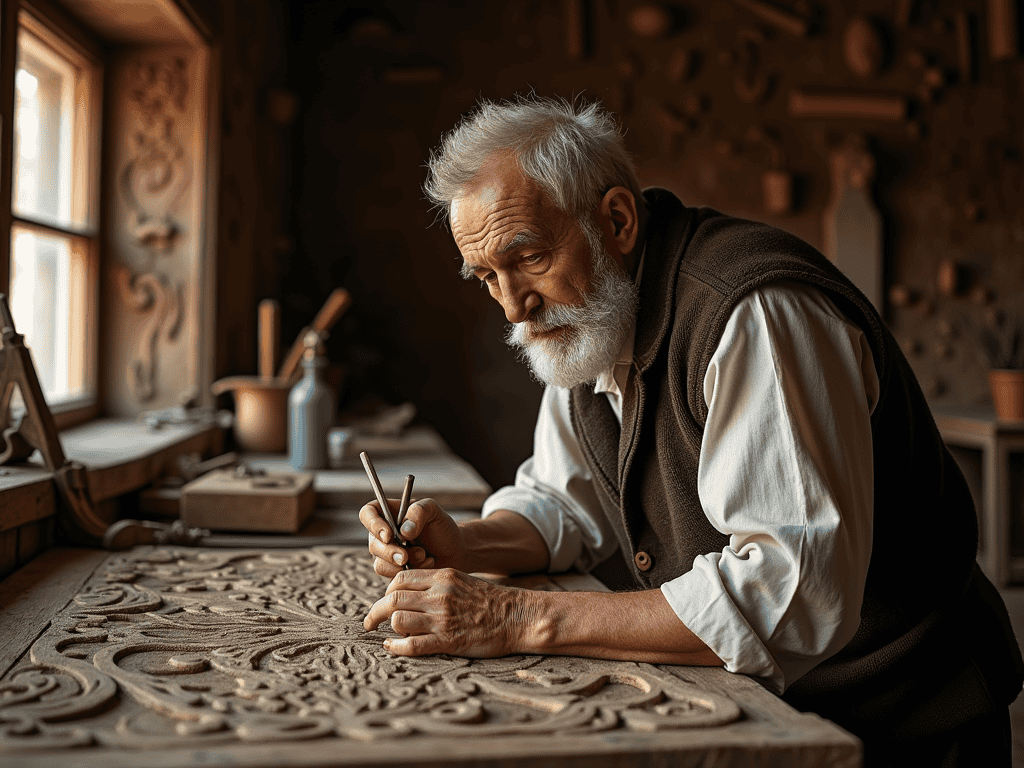
What is the Odor of Batai?
Falcataria moluccana, known as Batai, has a rather indistinct aroma compared to other woods, making it a neutral choice for woodworkers sensitive to scents. This tree species, a softwood, is lightweight yet strong, a handy material for various woodworking projects. Just be glad it doesn’t smell like a skunk – now that’s a real nose-turner!
OK, imagine a tree that’s super tall, like 35 meters (taller than a roller coaster!). That’s Batai or Falcataria moluccana. It’s a softwood and doesn’t have a strong smell. So, your nose won’t be distracted while you carve fun things from it!
Every wood has its story, and Batai whispers gently so you can focus on creating yours.

What are the allergies and toxicity risks associated with Batai wood?
Batai wood, also known as Falcataria moluccana, can cause mild allergic reactions such as skin irritation and respiratory issues. These reactions are relatively uncommon but should be considered when working with the wood. Just remember, if your nose starts itching while carving Batai, it’s not a bug, it’s a feature!
Batai wood, which comes from the Falcataria moluccana tree, can sometimes make your skin itchy or make you cough when you work with it. Though it’s rare, it’s good to wear a mask or gloves to be safe. Think of it like handling a cactus; a little care goes a long way to avoid those prickly situations.
In the world of wood carving, understanding the nature of each wood, even softwoods like Batai, is key to turning splinters into sculptures.

What are Common Uses of Batai?
Batai, also known as Falcataria moluccana or Moluccan albizia, is a versatile softwood used in timber production, furniture making, and plywood manufacturing. Its light weight and specific gravity make it ideal for these applications. So, when carving with it, let’s just hope it doesn’t start thinking it’s a heavyweight champion!
Falcataria moluccana trees can grow up to 35 meters tall and are known for their light, softwood. In countries like Malaysia and Indonesia, it’s commonly used for making furniture, plywood, and even construction materials. The wood is easy to work with and not too heavy, making it perfect for crafting various objects (though carving a life-size statue might be a bit ambitious).
Even the softest wood can create the strongest bond between hands and hearts.
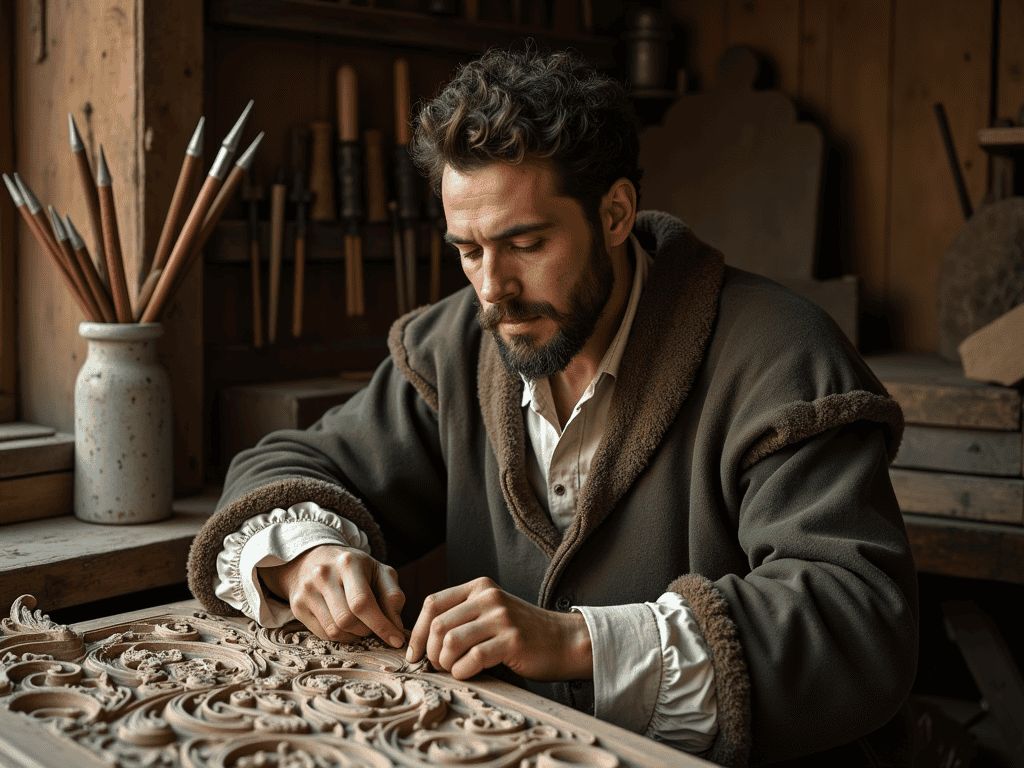
The Art of Carving Batai
In the realm of wood, Batai stands tall,
Soft to the touch, a friend to us all.
With gentle curves, it beckons the hand,
A canvas of dreams, where visions expand.Light as a feather, it won’t weigh you down,
Perfect for practice, no need for a frown.
Chisels and knives glide through with ease,
Creating fine shapes like a soft summer breeze.Named Falcataria, it comes with a flair,
In corners of homes, it crafts memories rare.
Though not meant for weight, it serves its own grace,
In every soft curve, a story takes place.So pick up your tools, let your spirit roam,
In the heart of Batai, you’ll find a new home.
Each slice a reminder, of joy in the craft,
Where every creation becomes a sweet laugh.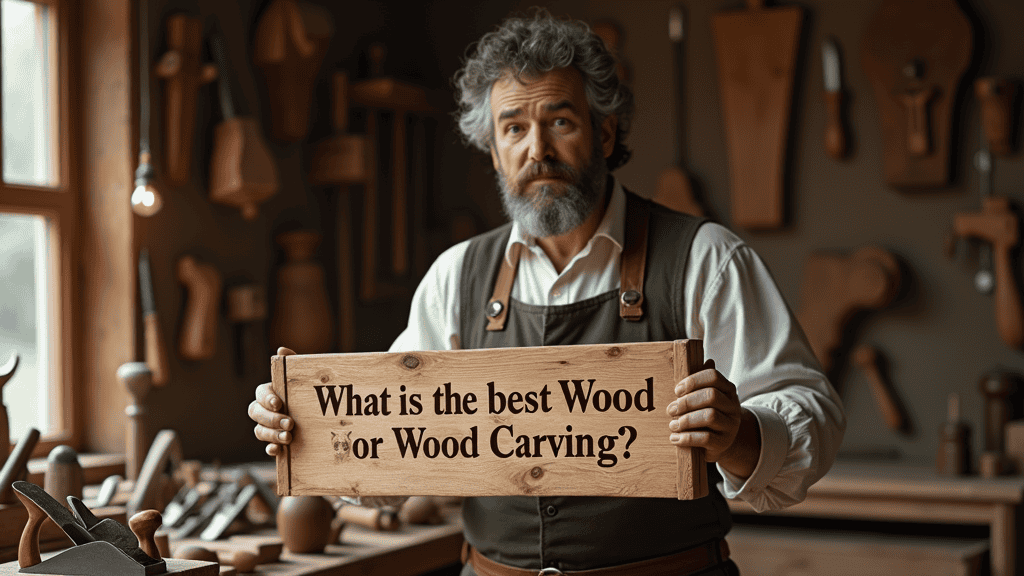

Comparison Table: Information about Batai
Property Details Is it HARDWOOD or SOFTWOOD? Softwood Common Name(s) Batai, Moluccan albizia, Sengon, Salawaku, Jeungjing, Ai-samtuco, Kerosin tree, Sau, Falcata, Tamaligi Scientific Name Falcataria moluccana (syn. Albizia falcataria) Tree Size Up to 35m tall and 1.3m in diameter Average Dried Weight 22 lbs/ft³ (360 kg/m³) Specific Gravity 0.32 Janka Hardness Soft, not specified Modulus of Rupture Not specified Elastic Modulus Not specified Crushing Strength Not specified Shrinkage Radial: Not specified, Tangential: Not specified, Volumetric: Not specified, T/R Ratio: Not specified Color/Appearance Pale yellow to light brown Grain/Texture Straight, may be interlocked Rot Resistance Poor Workability Easy to carve Odor Neutral Allergies/Toxicity Can cause mild reactions (skin irritation, respiratory issues) Pricing/Availability Not specified Sustainability Not specified Common Uses Timber production, furniture making, plywood manufacturing