

Is Bloodwood, or Satine, good for carving by hand?
Bloodwood, also known as Satine, is a beautiful but challenging wood for hand carving. Its high density and hardness mean it can be tough on your tools, but the rich red finish is worth the effort. Just be ready to sharpen your tools frequently and handle it with care! (And maybe keep a first aid kit nearby – those splinters can be nasty!)
Let’s put it in simple terms – Bloodwood is like trying to carve through a rock with the promise of striking gold at the end. It’s very hard (like really, really hard), making it difficult to carve by hand.
- Average Dried Weight: Heavy at 66 lbs/ft³ – your arms will feel it.
- Janka Hardness: Super high at 2,900 lbf – it’s a real workout.
- Workability: Tends to splinter and dull blades quickly – frustrating but rewarding.
“Carving Bloodwood is like climbing a mountain; tough on the way up, but the view at the top is spectacular.
Grain and Texture of Bloodwood, Satine.
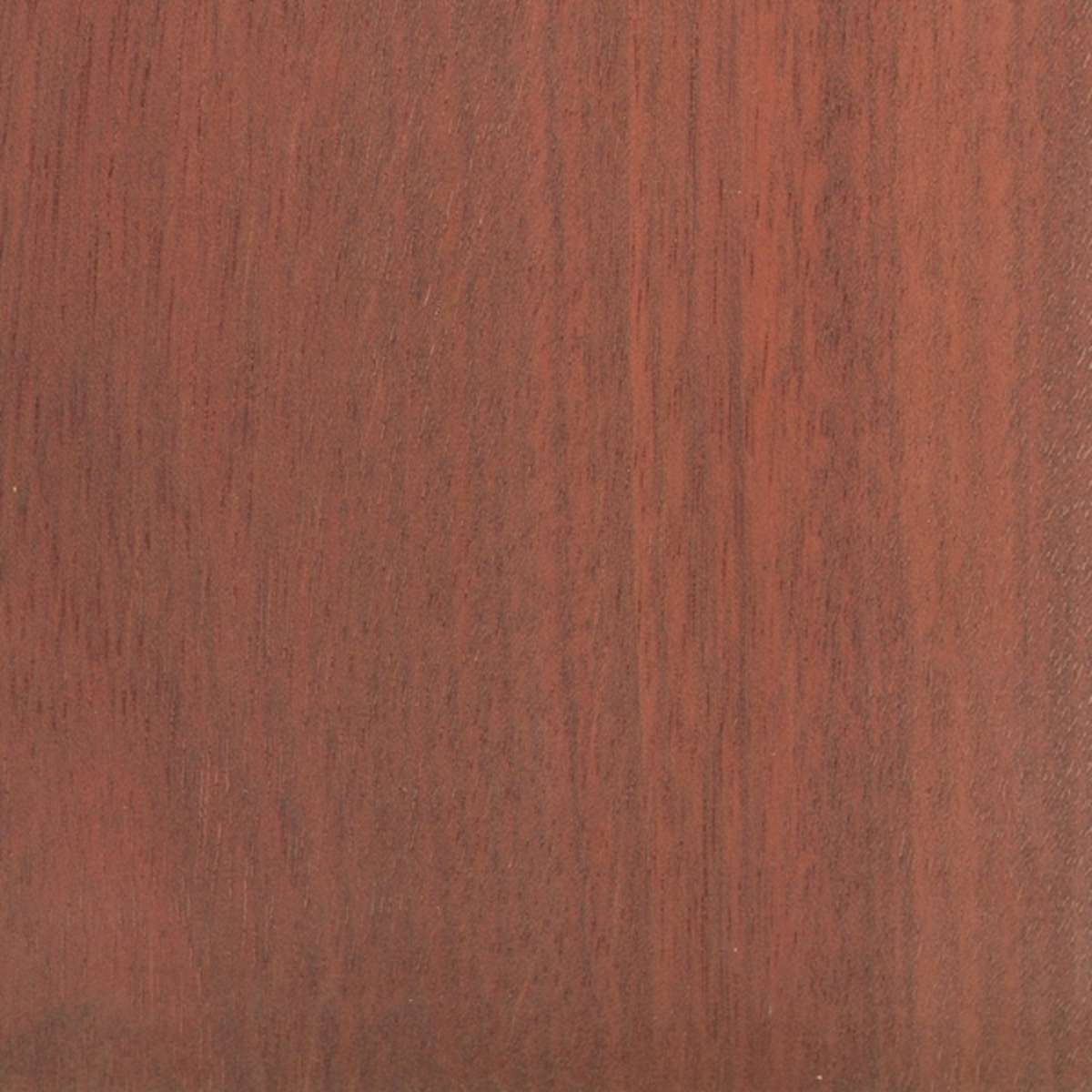

Is Bloodwood, Satine HARDWOOD or SOFTWOOD?
Bloodwood, or Satine, is classified as a hardwood because of its scientific classification and physical properties. Its dense and hard nature makes it excellent for durable carvings or furniture. Don’t forget, though – it’s as hard as nails, so be prepared for a real workout! (Maybe even consider buying stock in a sharpening stone company!)
Bloodwood is a hardwood species that grows very tall and thick in Tropical South America. It’s super dense and tough, like a piece of really hard candy that you have to keep crunching and crunching.
- Native Region: Tropical South America
- Tree Size: Can grow up to 150 feet tall with a trunk diameter of up to 7 feet.
- Color: Bright red heartwood, which can darken over time.
“Handling Bloodwood is like taming a wild beast – tough to do, but the result is something spectacular.”

What are common names of Bloodwood, Satine?
Bloodwood is not just called Satine; it has other notable names like Bastard Lignum vitae and Cardinal Wood. Each name emphasizes different aspects of its remarkable red hue and dense properties. Known under these various names, it’s cherished by woodworkers who appreciate its beauty and robustness. (Don’t tell the other woods – Bloodwood likes to keep it mysterious!)
Bloodwood is a type of tree that grows in South America and has many different names. These names are given to it because of its strong wood and bright red color, which make it special and unique.
- Bastard Lignum Vitae
- Cardinal Wood
“Naming Bloodwood is like giving a nickname to a friend – each one shows a different side of its unique character.”

What is the scientific name of Bloodwood, also known as Satine?
The scientific name for Bloodwood, which is also referred to as Satine, is Brosimum rubescens (synonym B. paraense). This dense and vibrant hardwood is native to Tropical South America where it stands tall and strong, living up to its reputation. (Think of it as the secret identity of this crimson superhero!)
Bloodwood goes by a fancy scientific name: Brosimum rubescens. It comes from the tropical areas in South America and grows to be really tall, like a giant tree with a very thick trunk.
- Scientific Name: Brosimum rubescens (B. paraense is also used)
- Native to: Tropical South America
- Height: Can grow 80 to 150 feet tall
- Trunk Diameter: Ranges from 4 to 7 feet wide
“In the world of wood, knowing the scientific names gives you the key to unlock the wonders hidden in each tree.”

What is the size of Bloodwood, also known as Satine, trees?
Bloodwood trees are giants in the forest, often reaching heights between 80 and 150 feet, with trunk diameters stretching up to 7 feet. Their towering presence is matched by their robust, bright red heartwood, making them a prized material for durable carvings and furniture. (I just hope they don’t get a big head from all the attention!)
Think of Bloodwood trees like the skyscrapers of the forest. They grow so tall and wide that you might have to look up for a while to see the top and hug a few friends to reach all the way around.
- Impressively tall: 80 to 150 feet high (like a 15-story building!)
- Wide trunks: between 4 and 7 feet in diameter (you’d need a really long tape measure)
- Color: Bright red heartwood that stands out like a beacon in the forest
“A Bloodwood tree’s size mirrors its spirit – strong, towering, and full of life’s vibrant beauty.”
What is the density of Bloodwood, or Satine?
The average dried weight of Bloodwood, also known as Satine, is notably dense at 66 lbs/ft³ (1,050 kg/m³). This high density contributes to its durability and strength, making it a desirable hardwood for heavy-duty carvings and sturdy furniture. (Just make sure your muscles are up for the challenge!)
Imagine if you had a block of wood that weighs as much as a small dumbbell – that’s Bloodwood for you! Its dense nature makes it very tough, which means it’s strong and lasts a long time.
- Density: A hefty 66 lbs/ft³ (1,050 kg/m³)
- Strength: Known for its incredible durability
- Workout: Handling it can feel like lifting weights!
“The density of Bloodwood is a testament to its incredible strength and endurance; a real heavyweight in the carving world.”

What is the Specific Gravity of Bloodwood, Satine?
Bloodwood, also known as Satine, boasts impressive specific gravity values of 0.90 at basic moisture content and 1.05 at 12% moisture content. This high specific gravity shows its density and toughness, making it a prime choice for heavy-duty uses. (It’s tough enough that even your tools need a workout plan!)
Specific gravity is a measure of how much a piece of wood weighs compared to water. Bloodwood’s high specific gravity means it’s much denser than water, so it will sink rather than float.
- Specific Gravity (at Basic Moisture Content): 0.90
- Specific Gravity (at 12% Moisture Content): 1.05
- Usage: Ideal for projects needing strong, durable wood
“In the world of wood, the higher the specific gravity, the tougher the challenge – but also, the greater the reward.”
What is the Janka Hardness of Bloodwood, or Satine?
Bloodwood’s, or Satine’s, impressive Janka Hardness rating of 2,900 lbf (12,900 N) places it among the toughest woods available for carving and woodworking. This hardness ensures remarkable durability and resilience, making it a favorite for demanding projects. (Just be prepared to give your muscles and tools a real workout!)
If you think of Janka Hardness like a school test, Bloodwood is the kid who always gets 100%. It’s super tough and can handle a lot without getting damaged.
- Hardness Level: 2,900 lbf (12,900 N) – think of it as the heavyweight champion in the wood world.
- Durability: Great for making things that need to last long and look good.
- Workability: Expect your tools to get dull faster, but the end result is worth it!
The Janka Hardness of Bloodwood is not just a measure of its strength; it’s a testament to its enduring beauty and resilience.
This paragraph introduces the specific hardness rating of Bloodwood, simplifies it using relatable analogies, and lists key aspects in an engaging yet informative way.
What is the Modulus of Rupture of Bloodwood, or Satine?
Bloodwood, or Satine, has a remarkable modulus of rupture, measuring in at 25,290 lbf/in² (174.4 MPa). This high value signifies its excellent bending strength, making it a preferred choice for applications requiring robust and resilient material. (Just make sure not to arm-wrestle with it; you might lose!)
Think of the modulus of rupture as a measure of how much bending pressure Bloodwood can handle before it breaks. It’s like the wood’s superpower, helping it resist forces that try to snap it in half.
- Modulus of Rupture: 25,290 lbf/in² (174.4 MPa) – it’s incredibly strong!
- Applications: Ideal for furniture, carvings, and structural uses.
- Durability: Make sures that items made from Bloodwood are tough and long-lasting.
“The strength of Bloodwood is a reflection of its inner resilience, standing tall and firm no matter the challenge.”
What is the Elastic Modulus of Bloodwood, or Satine?
Bloodwood, another name for Satine, has an impressive Elastic Modulus of 3,013,000 lbf/in² (20.78 GPa). This high modulus shows excellent stiffness, making it a strong, reliable choice for projects that require long-lasting strength and minimal bending. (Trust me, even Superman might struggle to bend this wood!)
Elastic Modulus measures how much a material resists bending when force is applied. Bloodwood’s high Elastic Modulus makes it super stiff – like trying to bend a thick metal rod.
- Elastic Modulus Value: 3,013,000 lbf/in² (20.78 GPa)
- Stiffness: Extremely resistant to deformation.
- Usage: Ideal for structural components and detailed carvings that must maintain shape.
“In the dance of wood and force, Bloodwood stands firm, unyielding, a true testament to the beauty of natural strength.”
What is the Crushing Strength of Bloodwood, also known as Satine?
Bloodwood, or Satine, has an impressive crushing strength of 14,310 lbf/in² (98.7 MPa). This reveals its capability to withstand significant compression forces, making it ideal for sturdy and durable pieces. (Trust me, trying to crush this wood with your bare hands is like trying to crush a brick!)
Think of the crushing strength as how much weight a piece of Bloodwood can handle before it starts to squish. With a rating this high, it’s perfect for projects that need to hold up under pressure.
- Crushing Strength: 14,310 lbf/in² (98.7 MPa) – super strong against compression!
- Ideal For: Heavy-duty carvings, furniture, and structural components.
- Durability: Make sures long-lasting resilience even under heavy loads.
“Bloodwood’s crushing strength is like the strength of a steadfast warrior, capable of withstanding immense pressure yet standing firm and resolute.”

Shrinkage of Bloodwood, Satine?
Bloodwood, also called Satine, exhibits significant shrinkage rates because of its density and hardness. With radial shrinkage at 4.6%, tangential at 7.0%, and volumetric shrinkage at 11.7%, planning for these changes during woodworking is crucial. (Think of it as a disappearing act – careful measuring is key!)
Imagine making a big puzzle that shrinks a little bit over time. Bloodwood changes its size slightly as it dries out, which can be tricky if you don’t plan for it.
- Radial Shrinkage:
- 4.6%
- Tangential Shrinkage:
- 7.0%
- Volumetric Shrinkage:
- 11.7%
- T/R Ratio:
- 1.5
“Every woodworker knows that understanding wood’s shrinkage is like understanding a river’s flow – both are needed to navigating the path ahead.”
What is the Color/Appearance of Bloodwood, Satine?
Bloodwood, or Satine, is renowned for its strikingly vivid red heartwood, which can mature to a darker, brownish red when exposed to light. Applying a thick protective finish and limiting light exposure helps retain its vibrant color. (This wood doesn’t just age; it evolves like a fine wine!)
Picture a sunset captured in wood – that’s the heartwood of Bloodwood, glowing in a bright red shade that can darken with time if left in sunlight. The sapwood, usually a contrasting pale yellow, is often not visible because of the large trunk size.
- Heartwood: Bright, vivid red, darkening to brownish red.
- Sapwood: Pale yellow, rarely seen in lumber because of large trunks.
- Finish: Protective finishes can preserve the vibrant red hue.
“Color in wood, like life, tells a story of time; with Bloodwood, each hue is a chapter of strength and beauty.”
Grain/Texture of Bloodwood, Satine?
Bloodwood, or Satine, typically has a straight grain, though it can sometimes be slightly interlocked. The texture is fine, providing a smooth and lustrous finish, which is improved by its natural chatoyancy. (It’s like carving a piece of luxury – just be ready for its quirks!)
Imagine the grain of Bloodwood as the lines in a finely crafted piece of art. Usually, the lines are straight, but sometimes, they twist a bit, making the wood look even cooler.
- Grain: Straight or slightly interlocked, adding to its unique charm.
- Texture: Very fine, which makes the surface smooth and shiny.
- Chatoyancy: Exhibits a shimmering effect, almost as if the wood is alive.
“The beauty of Bloodwood lies not just in its color but in the fine details of its grain and texture – nature’s true masterpiece.”
What is the Rot Resistance of Bloodwood, Satine?
Bloodwood, also known as Satine, is highly resistant to decay and insect attacks, making it a durable choice for outdoor and indoor projects. Its natural density and toughness contribute significantly to its longevity and resilience. (Carving this wood is like working with nature’s armor – built to last!)
Bloodwood stands up well against rot and bugs, kind of like wearing a super-strong shield that keeps it safe. It means your carved pieces or furniture will stay looking great for a long time.
- Rot Resistance: Exceptionally durable and resistant to decay.
- Insect Resistance: Fends off most insect attacks naturally.
- Longevity: Ideal for lasting projects both indoors and outdoors.
“Choosing Bloodwood is like choosing a guardian for your woodcraft – reliable, resilient, and ever steadfast.”

How workable is Bloodwood, or Satine, for woodworking projects?
Bloodwood, or Satine, requires patience and persistence because of its extreme density and proneness to dulling tools. It tends to splinter, making it challenging for hand tools, but the stunning, vibrant red finish rewards those who can bear with the difficulties. (Just think of it as earning a woodworking badge of honor!)
Imagine trying to carve a masterpiece from a block of iron – that’s what working with Bloodwood feels like. It’s super hard and brittle, so your tools will get dull quickly and you might get frustrated with the splinters.
- Tool Dulling: Frequent sharpening is necessary because of the wood’s density.
- Splintering: Can easily splinter, so it requires careful handling.
- Finishing: Results in a beautiful, lustrous red finish that makes the effort worthwhile.
“Working with Bloodwood is like crafting with a piece of nature’s jewelry – intense, intricate, and at last rewarding.”
What is the Odor of Bloodwood, Satine?
Bloodwood, or Satine, emits a mild fragrance when worked. The scent is not particularly strong, but some woodworkers might find it pleasant during carving and crafting. (It’s a bit like a woodshop with a hint of nature’s perfume!)
Imagine you’re in a forest and pick up a piece of wood that smells faintly nice when you start to carve it. That’s the kind of subtle smell Bloodwood has when you work with it.
- Mild Fragrance: Not overpowering, just a gentle reminder you’re working with quality wood.
- Persistent Smell: Lingers softly while you’re carving or sanding, without being too strong.
- Natural Aroma: Adds a touch of nature to your woodworking space.
“The scent of Bloodwood is a gentle talk from the forest, adding another layer of pleasure to the crafting experience.”
What are the Allergies and Toxicity risks associated with Bloodwood, Satine wood?
Bloodwood, also known as Satine, can cause some allergic reactions, particularly through wood dust exposure. Common effects include thirst, increased salivation, and occasional nausea, along with skin irritation. (Think of it as a nature’s way of reminding you to keep your workspace clean!)
Imagine if getting some wood dust on your skin made it itchy or made you feel a bit sick – that’s what Bloodwood can do sometimes.
- Possible Allergic Reactions:
- Thirst and salivation.
- Nausea.
- Skin irritation.
- Precautions: Handling wood dust safely is crucial.
- More Info: Check out articles on Wood Allergies and Toxicity for detailed guidelines.
“Working with wood is a joy, but understanding its hidden risks helps keep the craft safe and enjoyable.”
Feel free to add this content to your WordPress post as needed!

Common Uses of Bloodwood, Satine?
Bloodwood, or Satine, is highly prized in the woodworking community for its stunning appearance and durability. It is frequently used in decorative veneers, fine furniture, and intricate inlays. Also, its striking color makes it a popular choice for musical instruments, especially guitars, and for crafting unique knife handles or turned objects like bowls and pens. (Who knew carving a guitar could add a ‘note’ of elegance?)
Imagine making beautiful furniture or instruments that not only look exceptional but also last a long time. Bloodwood’s rich red hue and solid build make it perfect for creating eye-catching and durable pieces.
- Decorative Veneers: Adds a luxurious touch to furniture surfaces.
- Fine Furniture: Ideal for crafting elegant, long-lasting pieces.
- Inlays: Perfect for intricate designs that require a pop of color.
- Musical Instruments: Commonly used in guitars for its resonance and beauty.
- Knife Handles: Provides a sturdy and attractive grip.
- Turned Objects: Great for making bowls, pens, and other round items.
“Crafting with Bloodwood is like adding a touch of fire to your projects, making each piece stand out with its own glow and character.”
Carving Bloodwood: A Hand’s Labor
In woods where shadows softly tread,
The Bloodwood waits, in hues of red.
Its grain, though fine, is hard and tough,
A challenge met when tools get rough.
With every stroke, a splinter flies,
A dance with patience, skill, and ties.
Each cut reveals its vibrant glow,
A promise kept, though toil may grow.
For those who carve with steady hand,
This dense, red wood, a sought-after strand.
With strength to bear both weight and time,
The final piece, a work of rhyme.
So gather tools and let them gleam,
With Bloodwood’s beauty, forge your dream.
Though blades may dull and fingers sore,
The heart of the wood tells tales of lore.
| Attribute | Bloodwood, Satine |
|---|---|
| Common Name(s) | Bloodwood, Satine |
| Scientific Name | Brosimum rubescens (syn. B. paraense) |
| Tree Size | 80-150 ft (25-45 m) tall, 4-7 ft (1.2-2.1 m) trunk diameter |
| Average Dried Weight | 66 lbs/ft³ (1,050 kg/m³) |
| Specific Gravity | 0.90 (Basic), 1.05 (12% MC) |
| Janka Hardness | 2,900 lbf (12,900 N) |
| Modulus of Rupture | 25,290 lbf/in² (174.4 MPa) |
| Elastic Modulus | 3,013,000 lbf/in² (20.78 GPa) |
| Crushing Strength | 14,310 lbf/in² (98.7 MPa) |
| Shrinkage | Radial: 4.6%, Tangential: 7.0%, Volumetric: 11.7%, T/R Ratio: 1.5 |
| Color/Appearance | Bright, vivid red heartwood, darkening to a brownish red with time |
| Grain/Texture | Straight or slightly interlocked grain, fine texture with natural luster |
| Rot Resistance | Highly durable and resistant to insect attacks |
| Workability | Extremely dense, dulls tools quickly, prone to splintering |
| Odor | Mild scent when worked |
| Allergies/Toxicity | Can cause irritation and allergic reactions, particularly through dust |
| Pricing/Availability | Moderate to moderately high, widely available for boards and turning blanks |
| Sustainability | Not listed as threatened or endangered |
| Common Uses | Carvings, furniture, inlays, guitars, knife handles, turned objects |
Is Bloodwood, Satine Good for Carving?
Bloodwood, also known as Satine, is a gorgeous but hard-to-carve wood. It’s dense, tough on tools, and splinters easily, but the red finish is stunning.