
How to carve decorative borders with Ancient Greek Acanthus
Learning about the acanthus leaf’s history is not easy because different art times blend, and styles often change countries There are many writings on ornamental arts, but this Greek Acanthus carving course is not meant to be a history lesson I know things about the history of the acanthus, but I am not a doctor of history.
Every day, I am a wood carver, working from the morning until it gets dark.
Learning about the acanthus leaf’s history and meaning is captivating.
Did you ever see carved leaves as part of building or room decor? While at art museums, you might notice paintings surrounded by impressive carved frames. Those frames could have carved acanthus leaves. Acanthus leaves are found everywhere.
I visited St. Augustine in Florida, known as the oldest city in the US. This city has an old fort named Castillo de San Marcos. You could call it a castle since America’s history begins here.
An interesting fact is that even on old cannons, you can find the acanthus motif
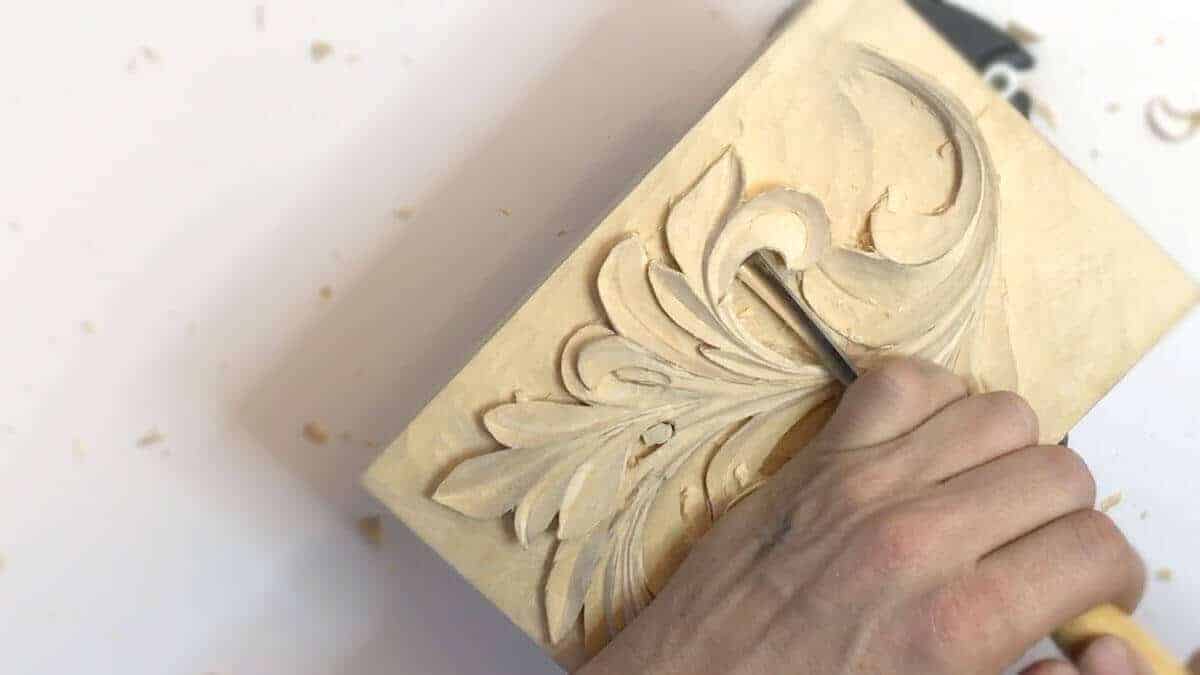
ACANTHUS LEAF
What explains the acanthus leaf’s popularity in ancient Greco-Roman architecture and even in modern times? What a good question to ask. There seems to be a special and almost magical meaning behind the acanthus.
According to the ancient Greeks, the acanthus leaf symbolizes the afterlife and the everlasting soul.You find acanthus leaves in designs that run from the bottoms of Greek columns to the tops of pediments and fancy crown moldings.
The Greeks used acanthus leaves to decorate their grand buildings and temples. Acanthus is a hardy plant that can adapt well to different environments. In Southeast Asia, the acanthus leaves are good for storing rice since they take moisture from the air, which helps keep the rice. The acanthus has been used in places like ancient China, Russia, India, Southeast Asia, the Mediterranean region and its nearby islands.
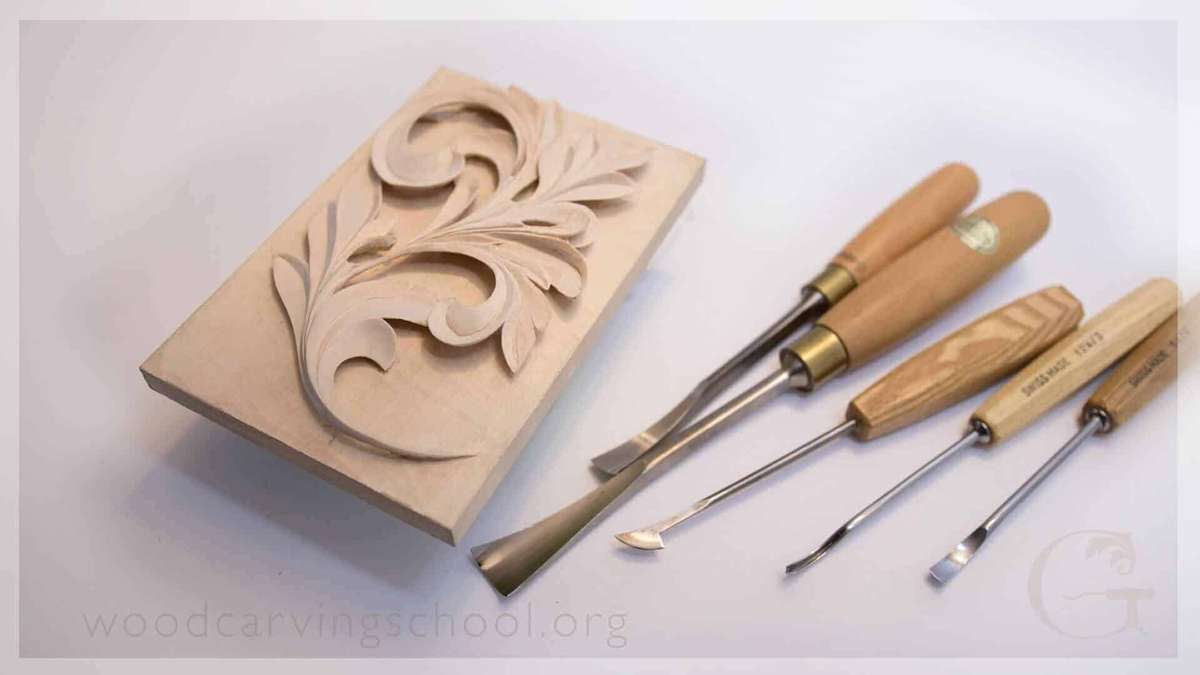
Acanthus Leaf Shape
Since around the 5th century BC, acanthus leaf motifs have been a key part of Greek classical architecture.
During the Renaissance and medieval ages, artists and builders included the acanthus leaf design in their woodcraft, sculptures, and cornices, as well as in fine art frames and around doors and window frames. These days, acanthus leaf motifs decorate classical homes and various public buildings, including the U.S. Capitol in Washington, D.C., and the University of Notre Dame.
Throughout time, the acanthus leaf symbol has found its place on graves, signifying the afterlife and the eternal nature of the soul.
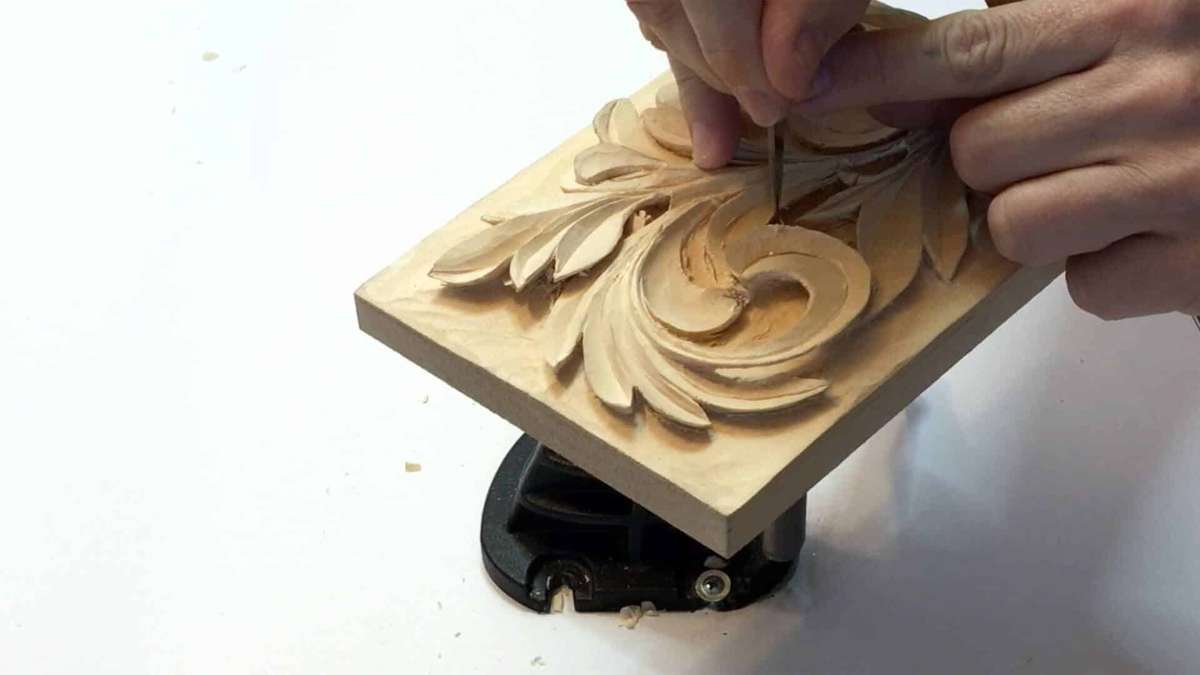
The Acanthus in Ancient Greek Architecture
If you travel to Greece, explore the ruins of ancient temples and grand palaces. You’ll notice that the ancient acanthus motif is common in many places. I’m not telling you to hold their beliefs. See the creations of ancient Greek builders as pieces of art. You’ll witness that very few ancient buildings lack the acanthus motif.
You will see an intriguing transformation in acanthus designs throughout the centuries. Over the centuries, large differences in the acanthus motif are noticeable. If you know about acanthus, you will notice even the smallest details. One example is how the artisans crafted the inner part of a leaf.
Master the skill of carving Ancient Greek Acanthus – a woodcarving course
In this course, I will showcase how the most ancient acanthus appeared.
We need to understand that acanthus is not just one thing.
During my woodcarving class at a woodworking school, someone came up to me and said.
I had never looked at acanthus like this before. I always thought of acanthus as that design on Chippendale chairs. That was a revelation for me.
Greek acanthus designs are not the same as Corinthian acanthus motifs. And it is absolutely different from the Roman acanthus style.
So, what do I really mean? I have a video course called “Greek Acanthus Carving.” You need to be a member of a Wood Carving School
How to carve decorative borders with Ancient Greek Acanthus-Academy of wood carving

I’m a woodworker who loves carving. I make fancy carvings for a high end client worldwide. I also teach wood carving. I started the School of Wood Carving, a non-profit to help people learn.
The school’s website has over 3,000 how-to videos. Great for beginners and pros! I’m from Russia but have lived in the USA a long time. Like wood? Join us at the School of Wood Carving. We’d love to have you!