
How to carve using different types of wood for Ancient Greek Acanthus
The history of the acanthus leaf is tough to follow because many art styles mix and move from nation to nation Many people have written about decorative arts, but this Greek Acanthus carving course is not meant to give a detailed history I understand a little about the acanthus’s history, but I don’t have a PhD in history.
Every day, I am a wood carver, working from the morning until it gets dark.
The history and meaning of the acanthus leaf is fascinating.
Have you seen carved leaves used to decorate rooms or buildings? When you visit an art museum, you often see beautiful paintings in fancy carved frames. Those frames could have carved acanthus leaves. Acanthus leaves can be spotted everywhere.
Not long ago, I traveled to St. Augustine in Florida, the oldest city in America. This city has an old fort named Castillo de San Marcos. I should really call it a castle because America starts here.
An interesting fact is that even on old cannons, you can find the acanthus motif
ACANTHUS LEAF
Why do people really like the acanthus leaf in old Greco-Roman buildings and in today’s architecture? This is a great question. There appears to be a deep, almost magical significance to the acanthus.
According to the ancient Greeks, the acanthus leaf symbolizes the afterlife and the everlasting soul.You find acanthus leaves in designs that run from the bottoms of Greek columns to the tops of pediments and fancy crown moldings.
The Greeks used acanthus leaves to decorate their grand buildings and temples. The acanthus leaf is a tough plant that can adapt to various environments. In Southeast Asia, the acanthus leaves are good for storing rice since they take moisture from the air, which helps keep the rice. The acanthus has been used in places like ancient China, Russia, India, Southeast Asia, the Mediterranean region and its nearby islands.
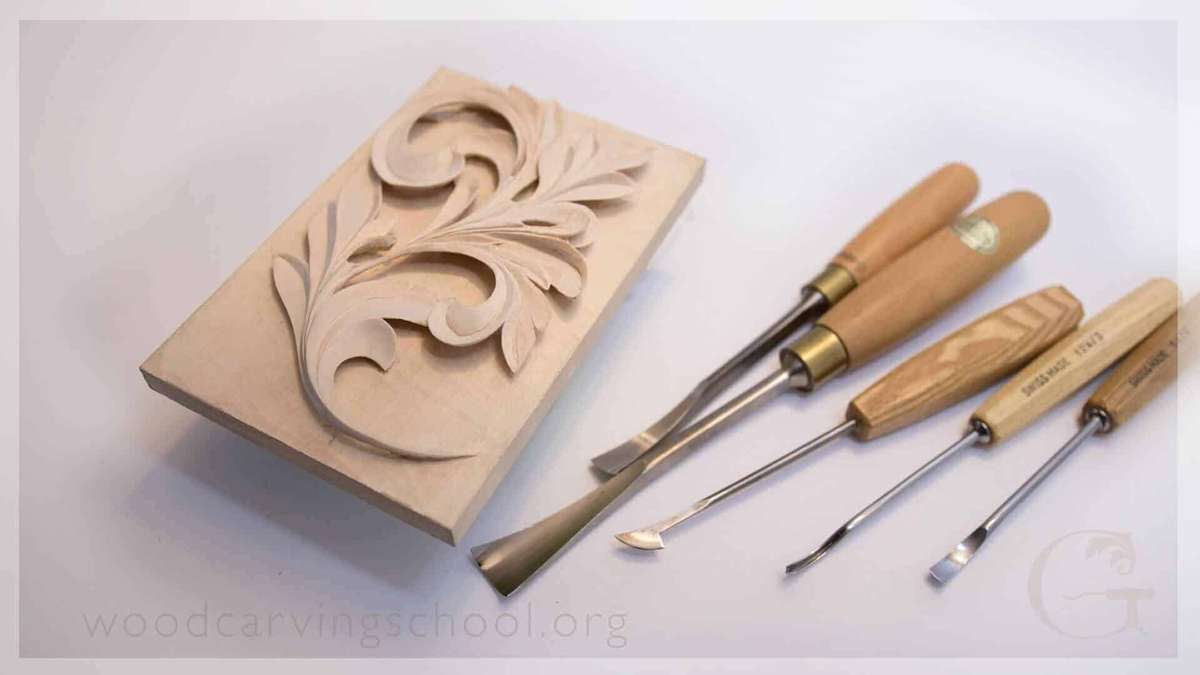
Acanthus Leaf Shape
Starting from the 5th century Before Christ, acanthus leaf patterns became a hallmark of Greek classical architecture.
The acanthus leaf was also included in wood carvings, sculptures, and cornices during the Renaissance and medieval times, along with framing fine art and decorating house doors and window casings. Today, you can spot the acanthus leaf motif in classical home decor and many public buildings, including the Capitol building in Washington, D.C., and Notre Dame University.
As time passed, the acanthus leaf motif appeared on graves, symbolizing the afterlife and the everlasting soul.
Acanthus Leaves with Ancient Greek Architects
When you visit Greece, check out the ruins of ancient temples and palaces. You’re likely to discover the acanthus motif in many spots. I’m not asking you to believe as they did. Look at the work of ancient Greek architects as art. You will find that nearly every old building features some form of acanthus carving.
You’ll notice an exciting development in how the acanthus design has changed. Throughout the years, you will observe major differences in the acanthus leaf design. If you recognize the acanthus, even tiny details will stand out to you. For example, how those artisans carved the inner part of a leaf.
Take a woodcarving course to learn how to carve Ancient Greek Acanthus
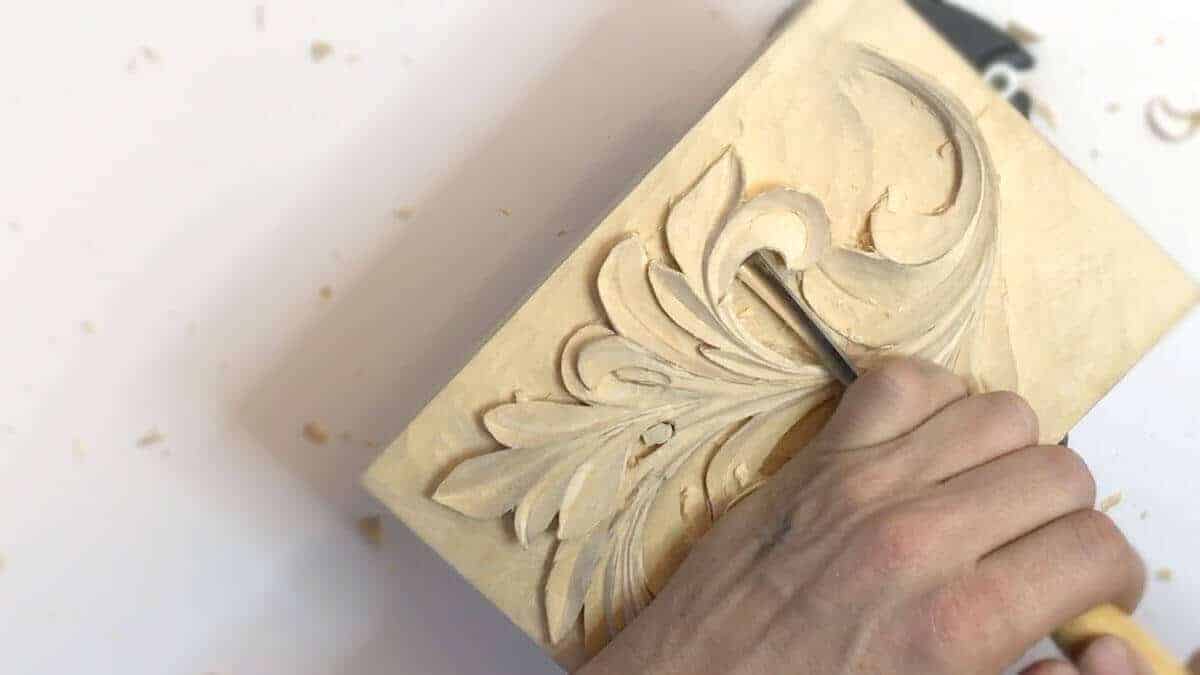
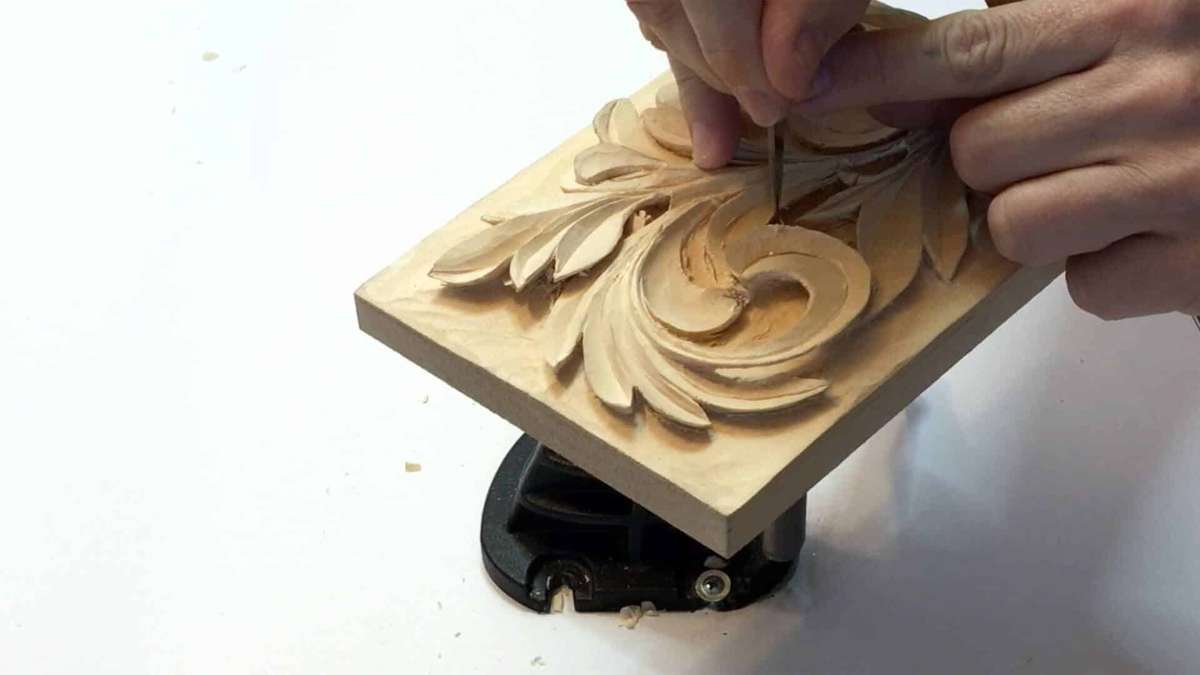
In this woodcarving course, I will demonstrate how the earliest form of acanthus looked.
We have to recognize that acanthus includes various forms.
In one of my woodcarving classes at a school, a student said to me.
I never considered acanthus in this way. For me, the acanthus form is what I’ve seen many times on Chippendale chairs. This changed my perspective.
The Greek acanthus motif is different from the Corinthian acanthus motif. It certainly does not resemble the Roman acanthus motif.
What do I mean by that? I have a video course called “Greek Acanthus Carving.” You need to be a member of a Wood Carving School
How to carve using different types of wood for Ancient Greek Acanthus-Academy of fine woodworking and carving

I’m a woodworker who loves carving. I make fancy carvings for a high end client worldwide. I also teach wood carving. I started the School of Wood Carving, a non-profit to help people learn.
The school’s website has over 3,000 how-to videos. Great for beginners and pros! I’m from Russia but have lived in the USA a long time. Like wood? Join us at the School of Wood Carving. We’d love to have you!