
How to carve using different types of wood for Ancient Greek Acanthus
The history of the acanthus leaf is tough to follow because many art styles mix and move from nation to nation Lots of writers have shared ideas about ornamental arts, but this Greek Acanthus carving course does not aim to be a history expert I know some about how the acanthus has changed over time, but I am not a top historian.
As a wood carver, I carve each day from early morning until late at night.
The history and meaning of the acanthus leaf is fascinating.
Did you ever see carved leaves as part of building or room decor? While at art museums, you might notice paintings surrounded by impressive carved frames. You might see acanthus leaves carved into those frames. Acanthus leaves can be spotted everywhere.
I visited St. Augustine in Florida, known as the oldest city in the US. In St. Augustine, there’s an old fort called Castillo de San Marcos. I would call it a castle because it marks the start of America.
A fun fact is that old cannons also display the acanthus design
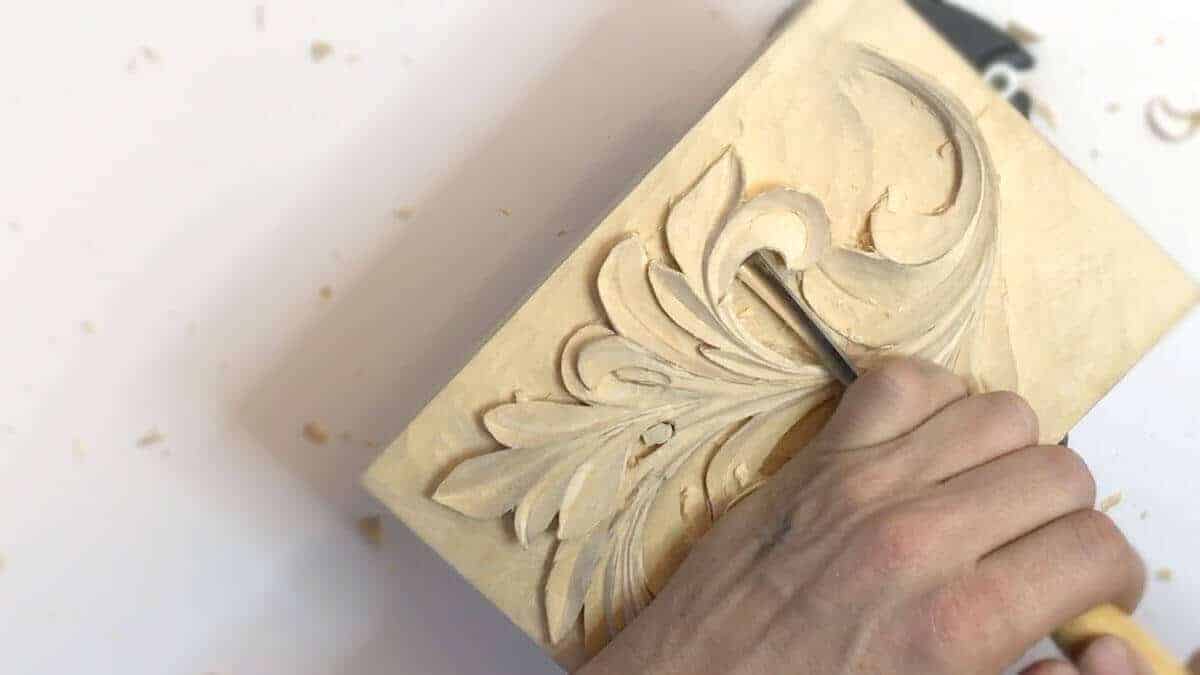
ACANTHUS LEAF
What explains the acanthus leaf’s popularity in ancient Greco-Roman architecture and even in modern times? This is a great question. It seems there is a mystical meaning behind the acanthus leaf.
According to the ancient Greeks, the acanthus leaf symbolizes the afterlife and the everlasting soul.The acanthus leaf design appears throughout, from the bottom of Greek columns to the top of pediments and fancy cornices.
The Greeks used acanthus leaves to decorate their grand buildings and temples. The acanthus leaf is a tough plant that can adapt to various environments. In Southeast Asia, the leaves are used to store rice as they absorb moisture from the air, which keeps the rice fresh. The acanthus leaf has been popular in old China, Russia, India, Southeast Asia, and all around the Mediterranean area and its islands.
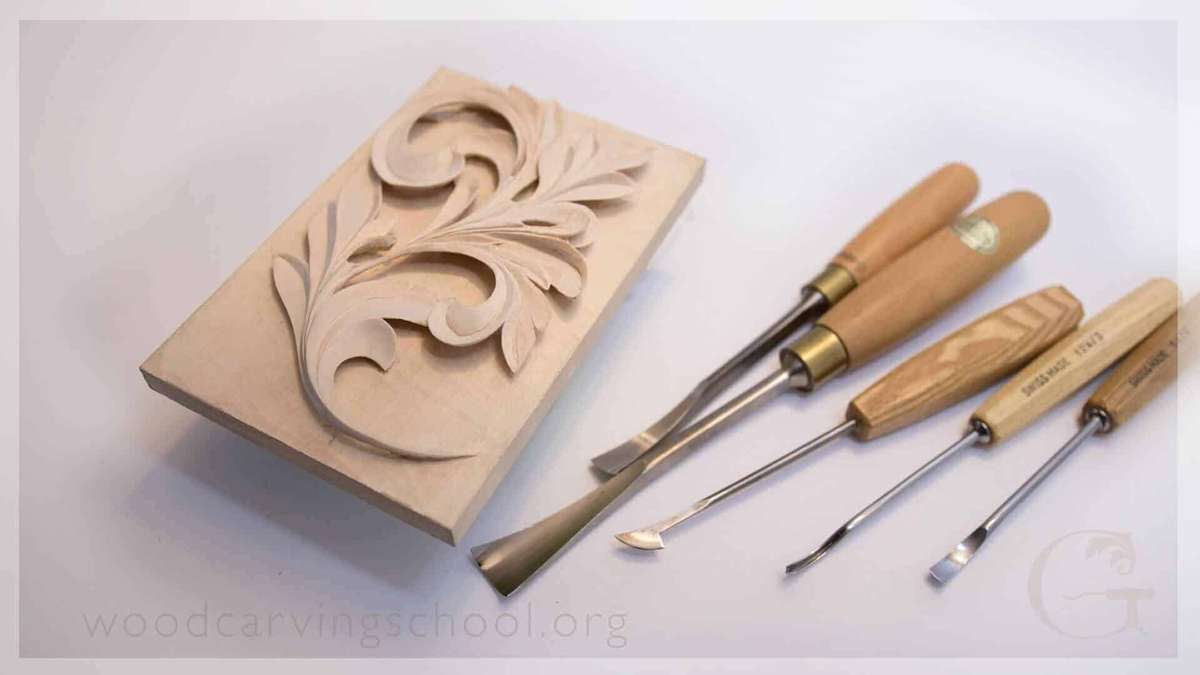
Acanthus Leaf Pattern
Since the 5th century BCE, the acanthus leaf design has been common in Greek classical architecture.
The acanthus leaf was also included in wood carvings, sculptures, and cornices during the Renaissance and medieval times, along with framing fine art and decorating house doors and window casings. Today, we see the acanthus leaf motif in homes with classical designs and in many public buildings, like the United States Capitol in Washington, D.C., and the University of Notre Dame.
Through history, the acanthus leaf design has made its way to gravesites, representing the afterlife and the immortality of the soul.
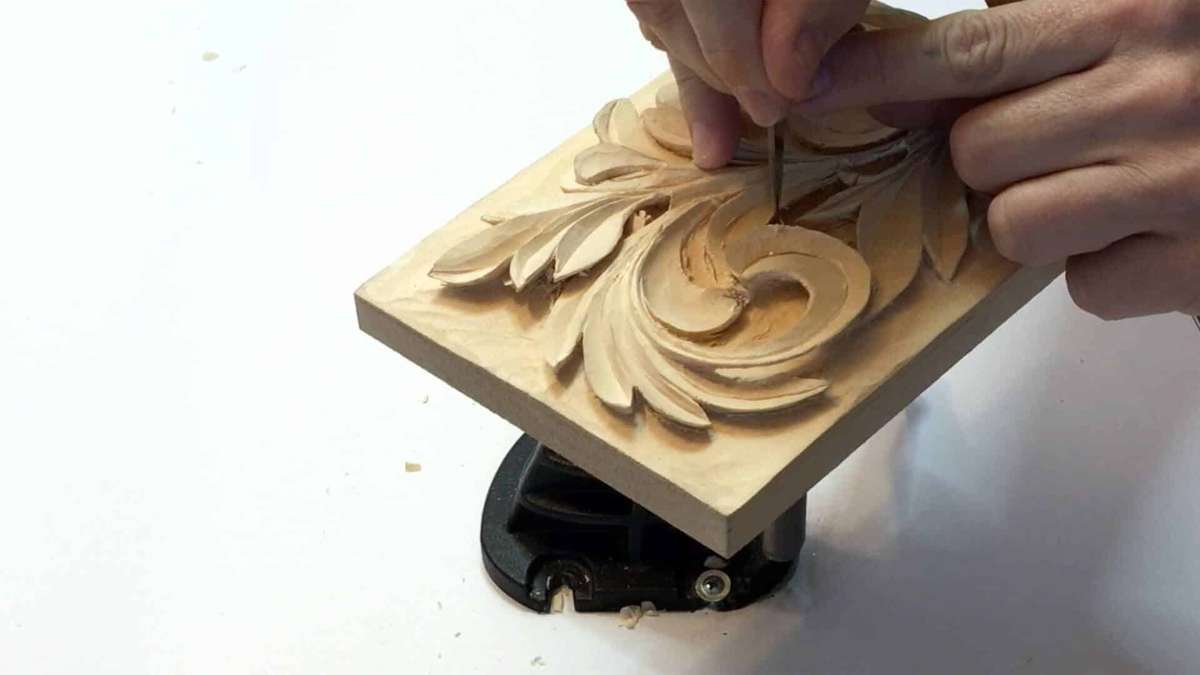
Ancient Greek Architects and the Acanthus
When you visit Greece, check out the ruins of ancient temples and palaces. You’re likely to discover the acanthus motif in many spots. I don’t mean for you to accept their beliefs. Appreciate the architecture of ancient Greek builders as art. You’ll notice that almost every building from ancient times has acanthus motifs carved in them.
You will find a fascinating evolution in the design of the acanthus. From century to century, you will see big differences in the acanthus design. If you understand acanthus, you will see the smallest details. For example, how those artisans carved the inner part of a leaf.
Learn the art of carving Ancient Greek Acanthus – woodcarving class
During this woodcarving course, I will show you what the oldest version of acanthus looks like.
It is essential to understand that there are many kinds of acanthus.
I was teaching a woodcarving class in person at a woodworking school, and one student approached me.
– I never thought about acanthus from this point of view. In my mind, acanthus only meant the styles I saw on Chippendale chairs. It’s an eye-opener.
There are clear differences between the Greek acanthus and the Corinthian acanthus motifs. It certainly does not resemble the Roman acanthus motif.
How am I explaining this? I have a video course called “Greek Acanthus Carving.” You need to be a member of a Wood Carving School
How to carve using different types of wood for Ancient Greek Acanthus-Wood carving fundamentals for all levels

I’m a woodworker who loves carving. I make fancy carvings for a high end client worldwide. I also teach wood carving. I started the School of Wood Carving, a non-profit to help people learn.
The school’s website has over 3,000 how-to videos. Great for beginners and pros! I’m from Russia but have lived in the USA a long time. Like wood? Join us at the School of Wood Carving. We’d love to have you!