

Is Bocote Good for Carving by Hand? And Why is Bocote Good or Bad for Carving?
Bocote is known for its toughness and beautiful grain, making it a favorite among carvers who have a bit of experience under their belts. Its high Janka hardness score of 2,010 lbf means it’s not the easiest wood to carve by hand, but the striking patterns are usually worth the effort. But beware, you might find yourself spending more on tools as they dull faster!!!
Imagine trying to carve a piece of rock-hard chocolate—you need a sturdy knife and some patience! Bocote, from Mexico and Central/South America, is dense and tough. Its dark stripes on a yellowish-brown background make it look super cool, but it can be tricky to carve by hand.
- Density: It’s a heavy wood with an average dried weight of 53 lbs/ft³, making it harder to work with but great for detailed finishes.
- Hardness: With a Janka hardness of 2,010 lbf, it can be challenging for hand tools.
- Appearance: Its beautiful, dramatic grain makes it a favorite for decorative items.
- Workability: Natural oils can make gluing tricky and may dull tools quicker.
- Toxicity: Some carvers might get allergic reactions, so wear gloves!!!
A carver’s patience is tested not by the shape he envisions but by the wood he chooses.
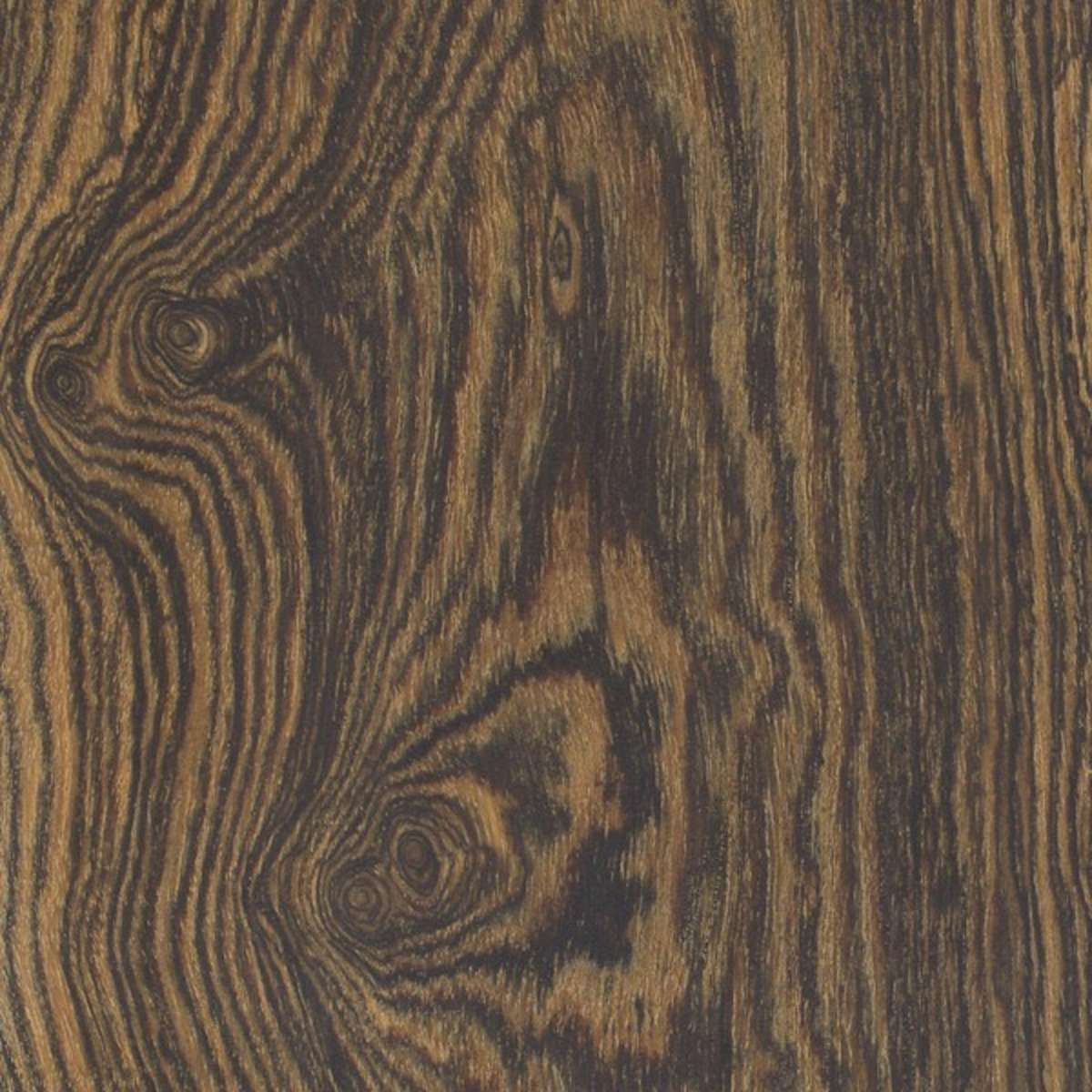
Grain and Texture of Bocote.
Is Bocote Hardwood or Softwood?
Bocote is a recognized hardwood, known for its impressive durability and striking appearance. Classified under the Cordia genus, this hardwood is denser and tougher than many other woods, making it perfect for high-end furniture and decorative pieces. Just don’t be surprised if you need a more robust saw—think of it as the gym for your tools.
Imagine a tree from Mexico or Central America that grows tall and wide, much like a tower. Bocote wood comes from these towering trees and is thick and heavy, which makes it strong. It’s this strength that earns it the title of “hardwood.”
- Scientific Name: Cordia spp.
- Specific Gravity: .68 to .85
- Average Dried Weight: 53 lbs/ft³
- Crushing Strength: 8,610 lbf/in² (59.4 MPa)
- Elastic Modulus: 1,767,000 lbf/in²
“The beauty of hardwood lies not just in its appearance but in the stories it tells through its grain.”
What Are Common Names of Bocote?
A few different names depending on the region or even the specific type of tree often refer to Bocote. Besides its primary name, it is also known as Cordia, which comes from its scientific classification. So, whether you hear “Bocote” or “Cordia,” just remember, it’s the same beautiful, strong wood—think of it as a wood that just loves to go by a couple of nicknames!
Imagine you’re meeting a friend who has a fancy name and a simpler nickname. Bocote is like that. In some places, people call it Cordia, which is a bit like its formal name.
- Main Name: Bocote
- Nickname: Cordia
- Other Names: Ycote (regional in some areas)
“Every piece of wood has a story to tell, no matter what name it goes by.”

What Is the Scientific Name of Bocote?
The scientific name for Bocote is Cordia spp., categorizing it under the broader genus Cordia. This classification encompasses several species of hardwood, all known for their robustness and beautiful grain. Think of it as the wood’s official name-tag at a fancy woodworker’s banquet.
Imagine meeting a grand, impressive tree that towers over the forest. This tree, from the warm regions of Mexico and Central/South America, is where Bocote, also known scientifically as Cordia spp., comes from. Like many members of a large family, there are different species, but they all share the same sturdy and handsome qualities.
- Genus: Cordia
- Distribution: Widely found in Mexico and Central/South America.
- Size: Trees can grow between 65 to 100 feet tall with trunk diameters of 3 to 5 feet.
The true identity of wood is revealed through its grain patterns and the scientific names bestowed upon it.

What Is the Tree Size of Bocote?
Bocote trees are large, reaching impressive heights of 65 to 100 feet and boasting trunk diameters between 3 to 5 feet. This grand size helps produce sizeable, beautiful wood planks ideal for projects requiring robustness and visual appeal. Just imagine handling all that wood—it’s like carving a giant’s leg!
Think about a tree that stands as tall as a building. Bocote trees, mostly found in Mexico and Central/South America, grow very tall and their trunks can be as wide as a small car. These hefty trees give us the durable and attractive wood that carvers love to use.
- Height: 65-100 feet (20-30 meters)
- Trunk Diameter: 3-5 feet (1-1.5 meters)
- Distribution: Mainly in Mexico and Central/South America
- Wood Characteristics: Perfect for large, detailed projects
“Large trees like Bocote remind us that greatness is often rooted in strength and beauty.”
What Is the Average Dried Weight of Bocote?
The average dried weight of Bocote is 53 lbs/ft³ (855 kg/m³), making it a relatively dense and heavy hardwood. This characteristic contributes to its exceptional durability and strength, ideal for carving, furniture making, and other detailed woodwork projects. Just think of it as carrying a small boulder every time you’re working with it—great for a natural workout!
Imagine lifting a stack of giant, heavy books—Bocote is just as hefty. This weight gives the wood strength and makes it perfect for projects that need to last a long time and look stunning.
- Density: 53 lbs/ft³ (855 kg/m³)
- Strength: Ideal for detailed and durable pieces
- Durability: Long-lasting and resistant to wear
In the realm of wood carving, the weight of the wood is like the soul of the project—it defines the effort and beauty of the final piece.

Specific Gravity of Bocote?
Bocote’s specific gravity ranges between .68 and .85, which means it’s relatively dense and heavy compared to other woods. This density is a testament to its strength and durability, making it an excellent choice for high-end furniture, decorative items, and even musical instruments. If you ever wondered why carving Bocote feels like a workout, now you know—it’s the wood’s way of saying ‘no pain, no gain’!
Think about Bocote being like a heavyweight champion in the world of wood. Its specific gravity shows how solid and tough it is. This makes it fantastic for creating beautiful and strong pieces that last a long time.
- Specific Gravity (Basic): .68
- Specific Gravity (12% MC): .85
- Characteristics: Dense, durable, ideal for detailed woodwork
The gravity of the wood reveals its true strength and beauty.
Janka Hardness of Bocote?
The Janka hardness of Bocote is 2,010 lbf (8,950 N), making it a highly durable and resilient hardwood. This level of hardness is significant for tasks requiring both strength and fine detail, like creating intricate carvings or robust furniture pieces. Now, if only my chisel had a gym membership, it might keep up with this wood!
Picture trying to push a very tough, dense wood into shape— that’s Bocote for you with its Janka rating of 2,010 lbf. This hardness tells us that Bocote can withstand a lot of wear and tear, making it great for pieces that need to last and look good.
- Janka Hardness: 2,010 lbf (8,950 N)
- Significance: Ideal for durable, detailed woodwork
- Applications: Perfect for carving, furniture making, and decorative pieces
In wood carving, hardness is not just a measure of strength, but a testament to the wood’s enduring beauty.
What is the Modulus of Rupture of Bocote?
Bocote has an impressive modulus of rupture of 16,590 lbf/in², showcasing its strength and resilience. This high MOR value means that Bocote is capable of withstanding significant stress before bending or breaking, making it a reliable choice for structural and weight-bearing applications. It’s like the superhero of woods, always ready to shoulder the load!
Imagine having a wooden beam that can hold up a giant elephant—it’s not an exaggeration. Bocote’s modulus of rupture tells us just how strong and flexible this wood can be under pressure, making it great for projects where durability is key.
- Modulus of Rupture: 16,590 lbf/in² (114.4 MPa)
- Applications: Ideal for anything requiring structural integrity and aesthetic beauty
The true test of a wood’s worth is in its ability to stand firm under pressure.
Elastic Modulus of Bocote?
Bocote boasts an elastic modulus of 1,767,000 lbf/in² (12.19 GPa), demonstrating its ability to resist deformation under load. This property makes it particularly valuable in applications requiring both strength and some level of flexibility. It’s like the yoga instructor of hardwoods—strong but flexible enough to adapt!
Think of Bocote like a rubber band that’s hard to stretch but bounces right back. This “stretchiness” without breaking is what elastic modulus measures, making Bocote a wood that can handle heavy-duty work while maintaining its shape.
- Elastic Modulus: 1,767,000 lbf/in² (12.19 GPa)
- Uses: Good for load-bearing and flexible, yet strong projects
- Strength: Substantial enough for both structural and artistic creations
The elasticity in wood is a restatement of nature’s balance between strength and flexibility.
What Is the Crushing Strength of Bocote?
Bocote boasts a crushing strength of 8,610 lbf/in² (59.4 MPa), showcasing its excellent ability to withstand substantial compression without deforming. This high value makes Bocote an exceptional choice for structural and weight-bearing applications. Picture it like having the Hulk of hardwoods supporting your projects!
Think of Bocote as a superhero wood that can handle enormous pressure—kind of like lifting heavy weights without breaking a sweat. This makes it perfect for things that need to be really strong and last a long time.
- Crushing Strength: 8,610 lbf/in² (59.4 MPa)
- Applications: Ideal for heavy-duty, high-stress projects
- Durability: Perfect for long-lasting, robust creations
True strength in wood carving is measured by the wood’s resistance to crushing forces.

Shrinkage of Bocote
Bocote exhibits moderate shrinkage characteristics, with radial shrinkage at 4.0% and tangential shrinkage at 7.4%. The volumetric shrinkage stands at 11.6%, and its T/R Ratio is 1.9, reflecting balanced stability. So while it might not fit into those tight jeans anymore, it maintains its shape remarkably well for wood!
Think about a balloon deflating but just a little— that’s how Bocote behaves when it dries. It loses some size but not enough to cause big issues, keeping itself stable and reliable.
- Radial Shrinkage:
- 4.0%
- Tangential Shrinkage:
- 7.4%
- Volumetric Shrinkage:
- 11.6%
- T/R Ratio:
- 1.9
“The true test of a wood’s performance is how well it holds its form over time.”
Color/Appearance of Bocote
Bocote’s visual charm lies in its yellowish-brown base with dramatic dark brown to nearly black stripes. The wood tends to darken as it ages, adding to its character and charisma. Say hello to a wood that not only ages like fine wine but also features striking grain patterns and “eyes” without causing carving headaches.
Imagine a canvas splashed with striking black stripes on a warm yellow-brown background. That’s Bocote for you! Over time, it darkens, giving it a rich, aged look. The grain is so amazing it almost looks like art, especially when you find those “eyes” that make the wood even more unique.
- Base Color: Yellowish-brown
- Stripes: Dark brown to almost black
- Grain Patterns: Often dramatic and eye-catching
- Aging: Darkens over time
“The true beauty of Bocote is revealed through its intricate grains and aging colors.”
Grain/Texture of Bocote?
Bocote’s grain is typically figured and interlocked, featuring a medium, uniform texture with a naturally oily or waxy feel. This unique characteristic contributes to its good natural luster, making Bocote ideal for decorative projects. You could say it’s like the peacock of the wood world—always showing off its beautiful feathers!
Picture a fabric with interesting patterns and a smooth touch—that’s Bocote wood for you. The grain on this wood often has figures and an interlocking design which gives it that special look. The texture is smooth, somewhat waxy, and shiny, making it perfect for fancy carvings.
- Grain: Figured and interlocked
- Texture: Medium, uniform with oily/waxy feel
- Luster: Naturally high
“The true charm of Bocote lies in its intricate grain and the tactile delight it offers.”
Rot Resistance of Bocote
Bocote is usually rated as moderately durable to very durable in terms of rot resistance. This variability in durability largely depends on the specific species and its growing conditions, but Bocote typically holds up well against decay. But, it can be susceptible to insect attacks, making it a good idea to keep an eye out for unwanted wood-eaters—like a security guard for your workshop!
Imagine you have a piece of wood that doesn’t easily break down when exposed to moisture. Bocote is known for being pretty resilient against rot, which is why it’s great for outdoor projects or items that need to last a long time.
- Durability: Ranges from moderately durable to very durable
- Decay Resistance: Usually holds up well against rot
- Insects: Susceptible to insect attack
“The true testament to a wood’s longevity is its resistance to the elements and critters.”
Workability of Bocote
Bocote is usually easy to work with, both by hand and machine, offering good results. But, some species contain silica, which can dull cutters. Despite its high oil content, gluing this wood is typically trouble-free, and it is known for turning and finishing exceptionally well—it’s like the wood equivalent of a team player!
Think of Bocote as a cooperative friend who still has a few quirks. You can carve and machine it easily, but watch out for the natural oils and possible silica that can wear out your tools faster.
- Tool Wear: May dull cutters because of silica
- Gluing: Usually trouble-free, despite high oil content
- Turning and Finishing: Excellent results
“Good woodwork blends patience, skill, and the right kind of wood.”
What Is the Odor of Bocote?
Bocote gives off a moderate odor when worked, akin to the scent of dill pickles. This distinctive smell can be surprisingly pleasant, making your woodworking experience a bit more aromatic. Just be prepared, you might find your workshop smelling like a deli!
Imagine cutting this wood and suddenly your nose is reminded of a spicy dill pickle jar. That’s Bocote for you! This unique aroma adds another layer of experience to working with this beautiful hardwood.
- Smell: Moderate, similar to dill pickles
- Work Experience: Adds a pleasant, aromatic touch to woodworking
“Working with Bocote is like carving with a hint of deli in the air.
What Are the Allergies and Toxicity Risks Associated with Bocote Wood?
Bocote can cause allergic reactions, especially if you’ve already developed sensitivities to other exotic woods like Cocobolo or Pau Ferro. Known for its beautiful grains and striking appearance, this wood can also lead to skin irritation and respiratory issues when you’re exposed to its dust. So, think twice before taking a deep breath while sanding—unless you enjoy sneezing fits!
Think of Bocote like a pretty flower that might make you sneeze. The wood’s dust can cause skin problems or make it hard to breathe for some people. Always be cautious and maybe even wear a mask to keep safe.
- Skin Irritations: Possible allergic reactions
- Respiratory Issues: Can affect breathing because of wood dust
- Cross-sensitivity: Especially if sensitive to woods like Cocobolo or Pau Ferro
“The beauty of wood is often paired with respect for its hidden challenges.”

Common Uses of Bocote
Bocote serves a variety of uses because of its striking appearance and durability. It’s a popular choice for fine furniture, cabinetry, veneer, flooring, and even boatbuilding. Besides, it’s also beloved in the world of luthiery for making musical instruments and specialized wood items. Think of it as the Swiss Army knife of woods—versatile and reliable!
Imagine building everything from a beautiful cabinet to a sturdy boat—Bocote can do it all. This wood is incredibly strong and looks stunning, making it ideal for various projects.
- Furniture: Excellent for high-end furniture
- Cabinetry: Perfect for detailed and decorative cabinets
- Veneer: Used for thin layers to add beautiful finishes
- Flooring: Durable and visually attractive floors
- Boatbuilding: Strong enough for watercraft
- Musical Instruments: Great for guitars and other instruments
- Specialty Wood Items: Unique items like gunstocks and turned objects
“The flexibility of Bocote lies in its varied uses, from everyday items to the extraordinary.”
The Craft of Bocote: A Carver’s Tale
In the heart of the wood, a story unfolds,
Bocote shines bright, with colors bold.
A dance of dark stripes on yellowish grain,
Each cut tells a tale, both pleasure and pain.
With tools that may dull, a chore to embrace,
Yet patience rewards the skilled artist’s grace.
Strong as a fortress, tough as a stone,
For those who seek beauty, Bocote’s their own.
From furniture fine to instruments sweet,
This hardwood sings songs, a rhythmic heartbeat.
Its scent talks secrets, of pickles and spice,
A memorable journey, each carving precise.
So gather your chisels and let your hand glide,
With Bocote beside you, let passion be your guide.
In every smooth curve, in every bold line,
A masterpiece born, in the wood’s grand design.
| Property | Details |
|---|---|
| Is it HARDWOOD or SOFTWOOD? | Hardwood |
| Common Name(s) | Bocote |
| Scientific Name | Cordia spp. |
| Tree Size | 65-100 ft (20-30 m) tall, 3-5 ft (1-1.5 m) trunk diameter |
| Average Dried Weight | 53 lbs/ft³ (855 kg/m³) |
| Specific Gravity | .68 – .85 |
| Janka Hardness | 2,010 lbf (8,950 N) |
| Modulus of Rupture | 16,590 lbf/in² (114.4 MPa) |
| Elastic Modulus | 1,767,000 lbf/in² (12.19 GPa) |
| Crushing Strength | 8,610 lbf/in² (59.4 MPa) |
| Shrinkage | Radial: 4.0%, Tangential: 7.4%, Volumetric: 11.6% |
| T/R Ratio | 1.9 |
| Color/Appearance | Yellowish-brown with dark brown to nearly black stripes |
| Grain/Texture | Figured, interlocked, medium uniform texture, oily feel |
| Rot Resistance | Moderately durable to very durable |
| Workability | Easily worked but may dull cutters because of silica |
| Odor | Moderate scent, similar to dill pickles |
| Allergies/Toxicity | Possible allergic reactions for sensitive individuals |
| Pricing/Availability | Somewhat expensive, similar to mid-high priced exotics |
| Sustainability | Not listed on CITES or IUCN Red List |
| Common Uses | Fine furniture, cabinetry, flooring, musical instruments, gunstocks |
Is Bocote Good for Carving?
Bocote wood, known for its toughness and striking grain, is great for experienced carvers. Its hardness can dull tools, so be prepared for extra maintenance.