

Wood Species Guide · September 1, 2024 · Updated August 12, 2026
By Alexander Grabovetskiy — Master Woodcarver · Founder, School of Wood Carving · 15 min read
Is Blackwood, African Good for Carving?
Is Blackwood, African Good Wood For Carving

Is African Blackwood good for carving by hand?
African Blackwood, known scientifically as Dalbergia melanoxylon, is exceptionally hard and dense, making it a challenging material for hand carving. With a Janka hardness of 3,670 lbs, it is more suited for turned objects and precision work rather than hand carving. Let’s just say, your tools might need a vacation after working with it!
African Blackwood is very hard and heavy, so it’s tough to shape with hand tools. It’s great for making small, detailed items like musical instruments because it can hold tiny designs well. But, be prepared to spend extra time and effort if you’re carving it by hand.
- Hardwood with a Janka Hardness of 3,670 lbs
- Mostly used for musical instruments, tool handles, and turned objects
- Can cause a blunting effect on cutting tools
- Very expensive and usually available in small sizes
- Listed on CITES appendix II for conservation
Not all woods in the world of wood carving are created equal; some will challenge your patience and keep your tools sharp.
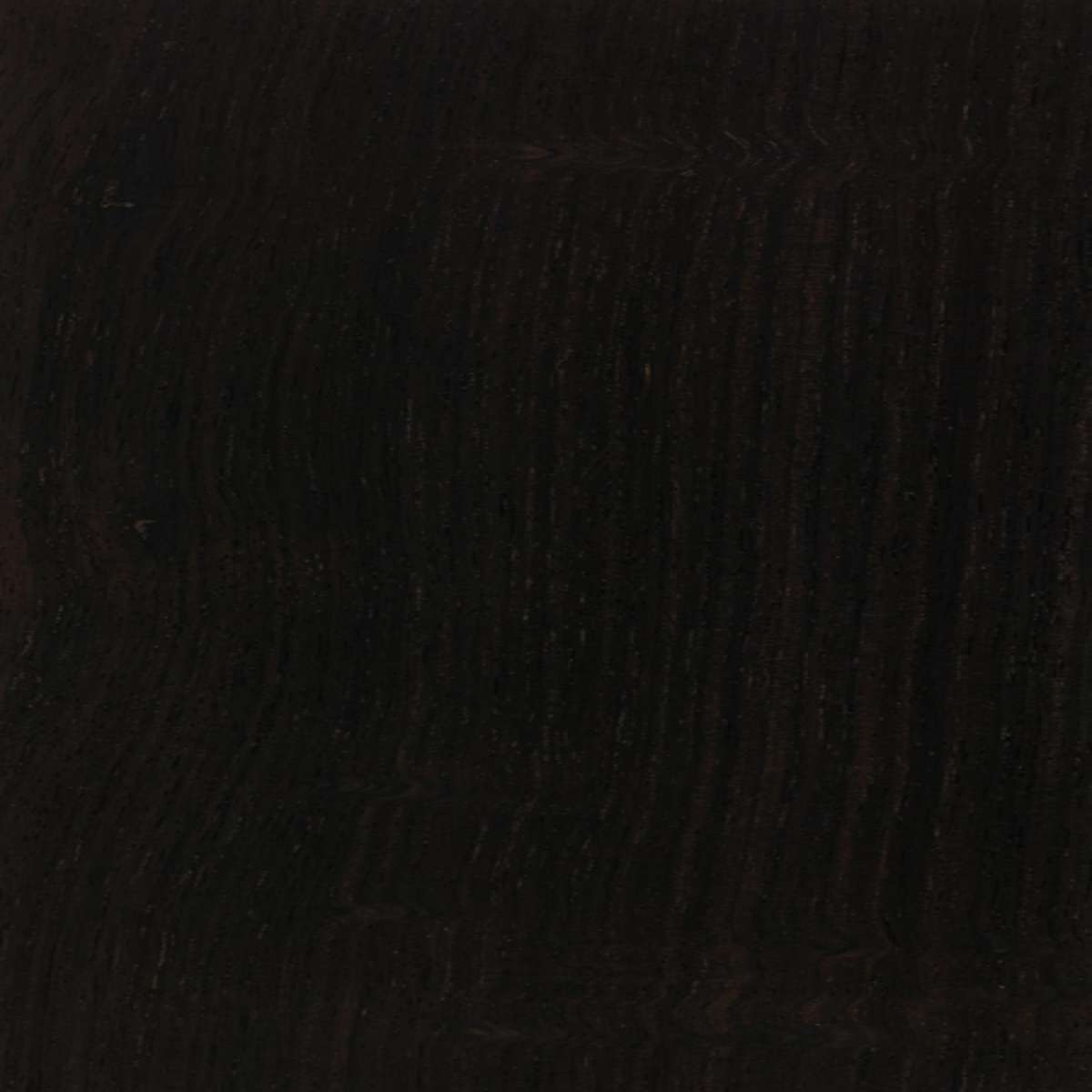
Grain and Texture of Blackwood, African.

Is Blackwood, African HARDWOOD or SOFTWOOD?
African Blackwood is a hardwood, known for its exceptional hardness and density. With its origins in the dry savanna regions of Africa, this wood has a scientific name of Dalbergia melanoxylon and is heavy, dense, and incredibly strong. You could say it’s the Arnold Schwarzenegger of woods!
African Blackwood is not only super tough but also has a beautiful, dark color that makes it perfect for making fancy things like musical instruments. It’s so hard that it’s like trying to carve a rock, but the result is worth it.
- Height: 20-30 ft (6-9 m) tall
- Trunk diameter: 2-3 ft (.6-1.0 m)
- Average Dried Weight: 79 lbs/ft³ (1,270 kg/m³)
- Specific Gravity: 1.08 (Basic), 1.27 (12% MC)
- Janka Hardness: 3,670 lbs (16,320 N)
- Modulus of Rupture: 30,970 lbs/in² (213.6 MPa)
- Elastic Modulus: 2,603,000 lbs/in² (17.95 GPa)
- Crushing Strength: 10,570 lbs/in² (72.9 MPa)
“In the realm of
What are the common names of African Blackwood?
African Blackwood, scientifically known as Dalbergia melanoxylon, is also commonly called Mpingo, its Swahili name, and Grenadilla. These names reflect its widespread use and recognition across various cultures. It might have more aliases than a secret agent!
African Blackwood goes by a few names, depending on where you are. In Swahili-speaking regions, folks call it Mpingo. In other areas, you might hear it referred to as Grenadilla.
- Mpingo – Used mainly in East Africa, particularly among Swahili-speaking communities.
- Grenadilla – A term commonly used in musical instrument crafts.
- African Blackwood – The name most commonly recognized in global markets.
“Names might change, but the strength and beauty of African Blackwood remain timeless and universal.”
What is the Scientific Name of African Blackwood?
The scientific name for African Blackwood is Dalbergia melanoxylon. This name classifies it within the Dalbergia genus, which includes other valuable hardwoods often used for high-quality woodworking projects. Dalbergia melanoxylon sounds fancy, but it’s just a posh way of saying “tree with really tough wood.”
Imagine you had a tree that’s super tough and its official name is Dalbergia melanoxylon. It’s known for being super strong and is often used to make musical instruments because it’s hard and pretty.
- Scientific Classification: Dalbergia melanoxylon
- Family: Fabaceae
- Order: Fabales
- Genus: Dalbergia
- Species: D. melanoxylon
Naming it Dalbergia melanoxylon is like giving a strong, resilient tree its well-earned medal of honor.
What is the Tree Size of African Blackwood?
African Blackwood trees typically grow to heights of 20-30 feet and have a trunk diameter of 2-3 feet. Despite their modest size, these trees are renowned for their incredibly dense and hard wood. Think of them as the compact powerhouses of the tree world—small but mighty!
African Blackwood trees may not be very tall, but they make up for it with their strength. They usually grow to about the height of a two-story house and have a trunk that’s about as wide as a kitchen table.
- Commonly reach heights of 20-30 feet (6-9 meters)
- Trunk diameter ranges from 2-3 feet (0.6-1.0 meters)
- Remarkable density and hardness make it a prized wood
Size doesn’t always matter; sometimes the best things come in small packages, especwith Africanfrican Blackwood.
What is the average dried weight of African Blackwood?
On average, African Blackwood has a dried weight of 79 lbs/ft³ (1,270 kg/m³). Its heaviness underscores its incredible density and durability, making it one of the most sought-after woods for fine craftsmanship. Just be careful not to drop a block of this on your toes!
African Blackwood is very heavy—kind of like carrying around a small stack of bricks. Because it’s so dense, it’s perfect for making things that need to last a long time and be very strong. You often see it in high-end musical instruments and intricate wood carvings.
- Weight: 79 lbs/ft³ (1,270 kg/m³)
- Uses: Ideal for durable items like tool handles and musical instruments
- Density: Adds to the wood’s strength and longevity
Strong and dense, African Blackwood is the Hercules of the wood world.
What is the Specific Gravity of African Blackwood?
African Blackwood has an impressive range when it comes to specific gravity, which measures the density of a wood compared to water. With a specific gravity of 1.08 (basic) to 1.27 (at 12% moisture content), this wood shows its incredible density and strength. Just imagine, if it were any denser, it might sink faster than a treasure chest in the ocean!
Think of specific gravity as a way to tell how tightly packed the material inside the wood is. African Blackwood’s high numbers mean it’s packed really tight with very little empty space, which makes it super strong and durable.
- Basic Specific Gravity: 1.08
- Specific Gravity at 12% Moisture Content: 1.27
- Indicates high density and robustness
“Weight and density aren’t just numbers; in African Blackwood, they signify unmatched strength and resilience.”
What is the Janka Hardness of African Blackwood?
African Blackwood has an impressive Janka hardness of 3,670 lb, making it one of the hardest woods available for woodworking. This high hardness makes it extremely wear-resistant and durable, but it also presents a significant challenge when working with hand tools. Just be prepared—your tools and your muscles will get quite the workout!
Imagine you’re dealing with one of the toughest woods out there, harder than most others. African Blackwood’s Janka hardness signifies its incredible strength, allowing it to withstand a lot of wear and tear. This makes it perfect for items needing durability, like musical instruments and knife handles.
- Exceptional Hardness: 3,670 lb (16,320 N)
- Durable: Ideal for long-lasting items
- Wear-resistant: Stands up well to regular use
“African Blackwood’s high Janka hardness is a testament to its unparalleled strength and durability.”
What is the Modulus of Rupture of African Blackwood?
African Blackwood boasts an impressive Modulus of Rupture of 30,970 lb/in² (213.6 MPa), underscoring its unparalleled strength and rigidity. This characteristic makes it an excellent choice for high-stress applications, where durability is paramount. Just imagine, it’s like the Superman of woods!
Think of Modulus of Rupture like a measure of how much weight a piece of wood can handle before it breaks. African Blackwood stands up to a lot of pressure, which is why it’s used for things that need to be super strong, like certain musical instruments and tool handles.
- Breaking Point: 30,970 lb/in² (213.6 MPa)
- Durability: Ideal for high-stress applications
- Strength: Reflects the wood’s formidable structural integrity
“With its impressive Modulus of Rupture, African Blackwood defies the odds, standing strong against immense pressure.”
What is the Elastic Modulus of African Blackwood?
The Elastic Modulus of African Blackwood, also known as Dalbergia melanoxylon, measures an impressive 2,603,000 lb/in² (17.95 GPa). This property shows the wood’s remarkable ability to bend and return to its original shape without deforming, making it ideal for precision instruments and high-stress applications. It’s like the wood version of a yoga master—flexible yet strong!
Imagine a piece of wood that can bend without breaking and go back to its original shape. That’s what African Blackwood’s Elastic Modulus tells us. It means that this wood is perfect for making things that need to be flexible yet sturdy, like musical instruments.
- Elastic Modulus: 2,603,000 lb/in² (17.95 GPa)
- Application: Ideal for items requiring both flexibility and strength
- Benefit: Enables precision and durability in craftsmanship
“The strength of African Blackwood isn’t just in its density; its flexibility makes it a formidable material for artisans worldwide.”
What is the Crushing Strength of African Blackwood?
The crushing strength of African Blackwood, also known by its scientific name Dalbergia melanoxylon, is an incredible 10,570 lb/in² (72.9 MPa). This outstanding strength under pressure makes it ideal for heavy-duty applications where durability is a must. Imagine this wood holding up under pressure better than a multitasker on a Monday morning!
African Blackwood is known not only for being hard but also for handling a lot of stress without breaking. Its crushing strength means it can support a lot of weight, making it good for things like tool handles and musical instruments that need to last a long time.
- Crushing Strength: 10,570 lb/in² (72.9 MPa)
- Ideal Applications: Tool handles, turned objects, and musical instruments
- Durability: Make sures long-lasting and high-stress resistance
“In the world of wood, African Blackwood’s crushing strength stands as a testament to its unmatched durability and resilience.”
What is the Shrinkage of African Blackwood?
African Blackwood experiences shrinkage when dried, especially exhibiting 2.9% radial shrinkage, 4.8% tangential shrinkage, and 7.7% volumetric shrinkage. These numbers highlight that while it is dense and durable, it can still expand and contract with moisture changes. Even the toughest wood needs a bit of elbow room!
When African Blackwood dries out, it shrinks a bit in different ways. Think of it like a sponge that gets smaller when it loses water.
- Radial Shrinkage:
- 2.9%
- Tangential Shrinkage:
- 4.8%
- Volumetric Shrinkage:
- 7.7%
- T/R Ratio:
- 1.7
“Even the strongest woods must adapt to change; a bit of flexibility makes them all the more enduring.”
Color/Appearance of African Blackwood?
African Blackwood is often characterized by its deep, lustrous black appearance, accompanied by subtle dark brown or purplish hues. Its fine grain and naturally shiny surface make it a prized material for high-end craftsmanship, especially musical instruments and luxury items. As beautiful to look at as it is challenging to work with!
African Blackwood usually looks almost completely black, but sometimes you can see shades of dark brown or purple. The wood has a really smooth, shiny texture, which makes it great for making pretty things like musical instruments.
- Predominantly black with occasional dark brown or purplish hints
- Fine grain with a natural shine
- Thin pale yellow sapwood clearly separates from the darker heartwood
“The classic elegance of African Blackwood lies not just in its strength but in its striking black beauty.”
Grain/Texture of African Blackwood?
African Blackwood boasts a typically straight grain combined with a fine, even texture and a natural luster. This combination gives it a smooth and shiny surface that improves its appearance, making it a favorite for detailed and precise work. Think of it as the silk of the wood world—luxuriously smooth and refined!
The way African Blackwood grows makes it very smooth and shiny. Its grain is usually straight, which means it looks neat and tidy, and its texture is fine and evenly spread out.
- Straight Grain: Gives a consistent and clean appearance
- Fine Texture: Smooth to the touch, ideal for detailed work
- Natural Luster: Shiny surface that improves its beauty
“Grain and texture aren’t just about looks; they define how the wood feels and behaves in the hands of a craftsman.”
Is African Blackwood Resistant to Rot?
African Blackwood is known for its excellent decay resistance, especially in its heartwood. While it can fend off rot effectively, it’s only moderately effective against borer insects. So, even tough woods have their Achilles’ heel—just like my patience with dull carving tools!
This wood is really good at fighting off rot, especially the dark middle part called heartwood. But watch out for tiny bugs that like to munch on the lighter bits. They have a whole buffet planned!
- Heartwood: Very durable against decay
- Borer Resistance: Moderately resistant
- Sapwood: Susceptible to insect attacks
“Even the mightiest of woods has its vulnerabilities, reminding us that strength and weaknesses often go hand in hand.”
Is African Blackwood easy to work with?
African Blackwood is extremely difficult to work with, both by hand and machine tools, because of its hardness and density, causing rapid wear on tools. It is best suited for turned objects and fine detail work, but be cautious – this wood can quickly wear out your tools and make them feel like they should be retired early! Just imagine, it’s like trying to carve a stone.
African Blackwood is very hard, so it’s tricky to work with. It can quickly dull your tools, making it tough to shape. But, it shines in detailed projects like making parts for musical instruments.
- Tool Wear: Extremely blunting on cutters
- Best Uses: Turned objects, musical instrument parts, detailed carvings
- Smell: Mild but distinctive scent when worked
“Sometimes the hardest challenges yield the most beautiful results—just like in wood carving.”
What is the Odor of African Blackwood?
African Blackwood, known for its remarkable density and strength, emits a mild but noticeable scent when worked on. This distinct aroma can be quite pleasing and is often a telltale sign of its quality. Just think of it as the wood’s way of waving hello… and maybe saying ‘Здравствуйте’!
When working with African Blackwood, you’ll notice it has a unique, gentle smell. It’s almost like the wood is telling you a little secret while you carve.
- Odor: Mild yet distinctive aroma
- Detectable: Noticeable when cut or sanded
- Characteristic: Indicates high quality
“Every piece of wood has its own story to tell; with African Blackwood, the tale begins with a subtle, unforgettable scent.”
What are the Allergies and Toxicity risks associated with Blackwood, African wood?
While severe reactions are rare, woodworking with African Blackwood (Dalbergia melanoxylon) can cause skin, eye, and respiratory irritation. It is known to be a sensitizer, meaning repeated exposure can increase sensitivity. Think of it as the wood giving you a nudge to wear a mask—you wouldn’t sandpaper your lungs, right?
African Blackwood can cause some problems if you inhale its dust, or if it gets on your skin and in your eyes. It’s kind of like when you get itchy after playing outside without washing your hands.
- Skin Irritation: Can cause redness and itching
- Eye Irritation: Might make your eyes water and feel scratchy
- Respiratory Issues: Breathing in the dust can make you cough or sneeze
- Sensitizer: Increased reactions with more exposure
“Understanding the risks helps to enjoy the rewards; in woodworking, always respect the materials you work with.”
What are the common uses of African Blackwood?
African Blackwood is predominantly utilized for making high-quality musical instruments, decorative inlays, and intricate carvings. Its dense and hard nature also makes it suitable for durable tool handles and turned pieces. You might say, working with it can turn “solid” into an understatement!
Imagine using this super-strong wood to make things that need to last forever. People often craft clarinets, oboes, and other musical instruments out of it because it produces amazing sound. Artists also love it for carving tiny, beautiful details that stand the test of time.
- **Musical Instruments**: Guitars, clarinets, and oboes
- **Decorative Inlays**: Fine details in furniture and boxes
- **Carvings**: Intricate and lasting wood art
- **Tool Handles**: Strong and durable grips
- **Turned Objects**: Bowls, vases, and other lathe-turned items
“The best materials challenge us to be better artists, one stroke, one cut at a time.”
In the Hands of Craft: African Blackwood
In talks of the forest, tough and strong,
African Blackwood calls; it’s where we belong.
With grain like silk and depths of dark hue,
Yet carving this beauty? That’s quite a to-do!Hard as a mountain, tools wear away,
Yet music and art spring forth as we play.
Its heartwood sings in clarinets and more,
Turning simple shapes into rich folklore.With every careful stroke and patient line,
The journey is costly, as tools begin to pine.
Each effort reveals the beauty inside,
From darkness emerges what patience will bide.Though not for the faint of heart or hand,
True artisans gather, eager to understand.
In African Blackwood, treasures unfold,
As the tale of craftsmanship in shadows is told.
Comparison Table: African Blackwood (Dalbergia melanoxylon)
Property Description Is it HARDWOOD or SOFTWOOD? Hardwood Common Name(s) African blackwood, mpingo (Swahili), grenadilla Scientific Name Dalbergia melanoxylon Tree Size 20-30 ft (6-9 m) tall, 2-3 ft (.6-1.0 m) trunk diameter Average Dried Weight 79 lbs/ft³ (1,270 kg/m³) Specific Gravity 1.08 (Basic), 1.27 (12% MC) Janka Hardness 3,670 lb (16,320 N) Modulus of Rupture 30,970 lb/in² (213.6 MPa) Elastic Modulus 2,603,000 lb/in² (17.95 GPa) Crushing Strength 10,570 lb/in² (72.9 MPa) Shrinkage Radial: 2.9%, Tangential: 4.8%, Volumetric: 7.7%, T/R Ratio: 1.7 Color/Appearance Predominantly black, occasional dark brown or purplish hue Grain/Texture Straight grain, fine texture, good natural luster Rot Resistance Very durable in heartwood, moderate resistance to insects Workability Very difficult, causes extreme blunting on tools Odor Mild distinctive scent when worked Allergies/Toxicity Can cause skin, eye, and respiratory irritation Pricing/Availability Very expensive; limited availability of larger boards Sustainability Listed on CITES appendix II, near threatened status Common Uses Musical instruments, inlays, carvings, tool handles, turned objects





Filed under