

Wood Species Guide · October 21, 2024 · Updated August 12, 2026
By Alexander Grabovetskiy — Master Woodcarver · Founder, School of Wood Carving · 20 min read
Is Breadnut Good for Carving?
Is Breadnut Good Wood For Carving

Is Breadnut good for carving by hand?
Breadnut (Brosimum alicastrum) is a hardwood known for its density and grain complexity, making it challenging for hand carving. With a Janka hardness of 1,520 lbf, it requires significant effort and sharp tools for detailed work. The grain is often irregular or interlocked, which may add difficulty when hand carving. Despite these challenges, it finishes well with proper patience. So, why did the woodcarver bring a ladder to his workshop? To carve out his high expectations!!!
Breadnut is like trying to carve a rock! Well, not exactly, but it’s pretty tough. This wood is heavy and has a lot of grains, meaning it’s not as easy to cut through. But if you try really hard, the result can be pretty (like those incredible sculptures in museums).
- Hardwood species – Not the easiest to carve by hand.
- Density– 46.9 lbs/ft³ – Heavy and dense for a hardwood.
- Grain– Can be irregular and interlocked – A challenge for craftsmanship.
- Workability– Requires sharp tools because of silica content which dulls knives.
Success in woodcarving is to understand a tree’s truth, hugging every knot and groove.
Grain and Texture of Breadnut.
Is Breadnut HARDWOOD or SOFTWOOD?
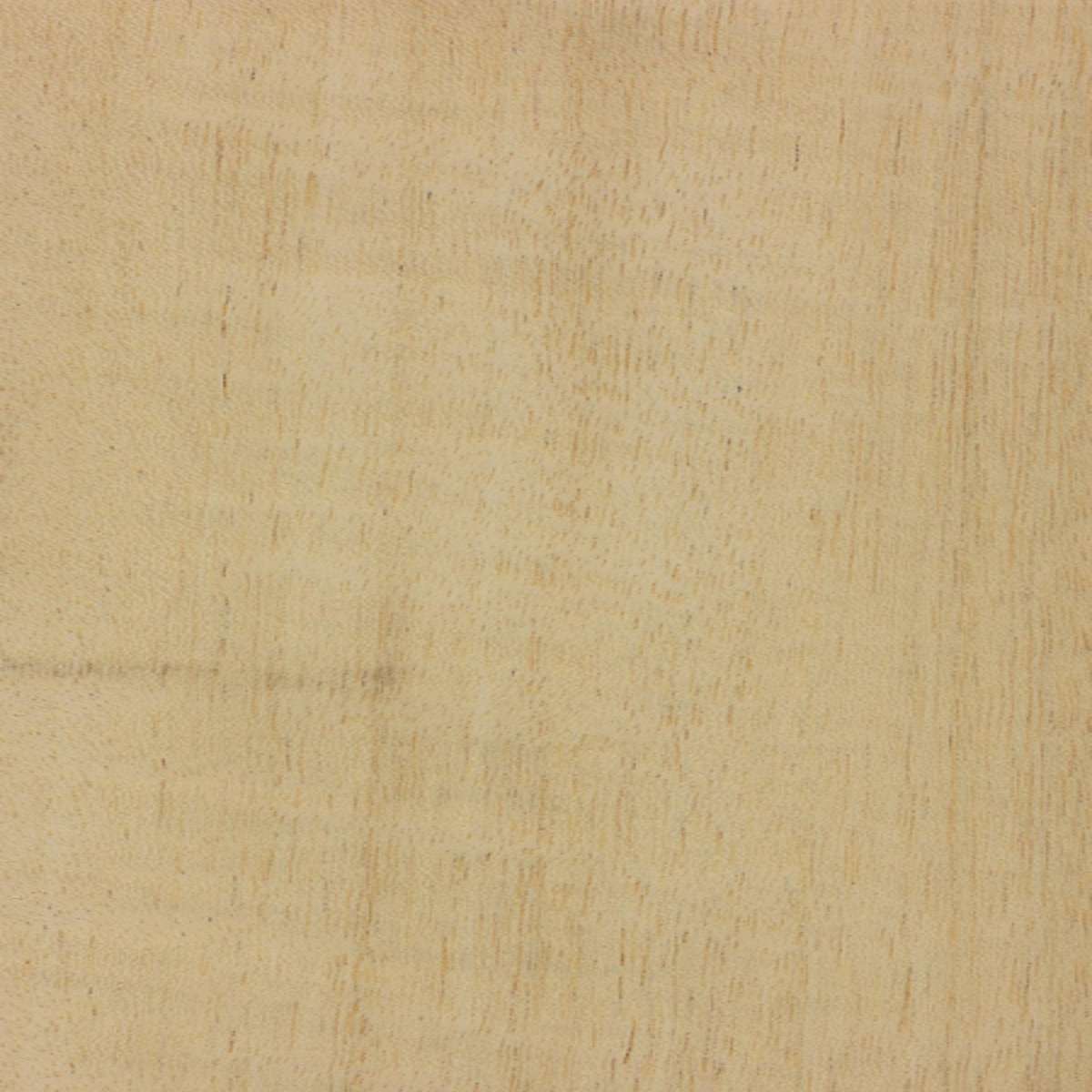
Breadnut (Brosimum alicastrum) is classified as a hardwood, recognized for its tough grain and high density. Known by various names like ramon and capomo, it’s a distinctive part of the hardwood family because of its specific gravity at .75 and significant shrinkage, especially in the tangential direction. Its Janka hardness rating of 1,520 lbf highlights its durability and strength, though it’s not commonly found in your average lumberyard. So why did the woodcarver switch to carving soap? To chip away at easier problems!!!
Breadnut trees stand tall, reaching up to 120 feet, and have trunks as wide as 4 feet. This hardy tree is mainly found from southern Mexico to parts of South America. Its heartwood is a lovely pale yellowish brown, blending seamlessly with the sapwood, and sometimes shows darker streaks based on the tree’s habitat. Although it’s tough for small projects, its wood was once a staple material in cultures like the Mayans.
- Height– 100-120 ft tall – It’s a giant in the forest.
- Janka Hardness– 1,520 lbf – The right balance of strength and charm.
- Natural Luster– Moderate to high – A pleasant sheen under the light.
- Common Uses– Furniture, cabinetry, and even veneer – Versatile for its weight.
Even the strongest wood talks

What are common names of Breadnut?
Breadnut (Brosimum alicastrum) goes by many names, including ramon and capomo. These names are often used interchangeably, reflecting regional preferences in its native range, which spans southern Mexico to parts of South America. This versatile tree, with various uses, highlights people’s wisdom, knowledge, and understanding of natural resources. Why do woodcarvers love trees with multiple names? Because they’re knot stuck with just one!!!
Imagine a tree that has lots of names depending on where you are. In some places, it’s called Breadnut, while in others, you’d hear it as ramon or capomo. These names help people talk about this special tree and understand what it can do. It’s a bit like having nicknames for your favorite things!
- Breadnut – A familiar name reflecting the tree’s edible nuts.
- Ramon – Common in regions like Mexico, where this tree is widespread.
- Capomo – Used in areas where the tree’s nuts play a culinary role.
Even names, like carvings, reveal the character within.

What is the Scientific Name of Breadnut?
The scientific name of the breadnut tree is Brosimum alicastrum. This name distinguishes it in the plant world, helping scientists accurately identify and categorize it. This hardwood species is native to regions from southern Mexico to parts of South America. It’s like breadnut wears a special badge showing its place in nature’s lineup with that name, Brosium alicastrum (I guess even trees need a little recognition). Did you hear about the tree who kept its name secret? It didn’t want to be leafed out!!!
Think of a scientific name as a tree’s unique name tag. The breadnut’s tag is “Brosimum alicastrum”—a bit like calling you by your full name. Scientists use these names to be sure they’re talking about the same tree, whether it grows in Mexico or elsewhere across its range.
- Scientific Name– Officially referred to as Brosimum alicastrum.
- Unique Identifier– Differentiates the breadnut in botanical discussions.
- Geographic Range– Streches from southern Mexico to parts of South America.
Just like a carver find outs form within the wood, a scientific name reveals the essence of a species.

What is the Tree Size of Breadnut?
Breadnut trees are quite impressive, often reaching heights of 100-120 feet, with trunks that span an ample diameter of 3-4 feet. This robust tree stands tall in its native habitat, showcasing its impressive stature. You’d think it was competing in a tree-tall contest! With so much height and girth, the Breadnut makes for a striking presence in any forest (though I suspect it might cast the longest shadows!). Why don’t trees gossip? Because they prefer to keep things rooted in truth!!!
Breadnut might just be one of the tallest trees out there. It’s like a sky-high skyscraper, but made of wood. The tree’s giant trunk is so wide you could almost use it for playing hide and seek (if you’re not afraid of heights). Imagine how many squirrels get their exercise running up and down this gigantic green tower!
- Height– 100-120 feet tall – As high as a 12-story building.
- Trunk Diameter– 3-4 feet wide – Roomy enough to host a squirrel party.
- Presence– Imposing on the landscape – A giant with humble roots.
The majesty of a tree lies not just in its height, but in the breadth of life it embodies.

What is the Average Dried Weight of Breadnut?
The average dried weight of Breadnut (Brosimum alicastrum) reaches around 46.9 lbs per cubic foot, or 750 kg per cubic meter. This density places it firmly in the hardwood category, highlighting its substantial presence as a material for crafting. Because of its weight, working with Breadnut might feel akin to handling a sturdy rock, but it offers great results if managed well. Why don’t breadnuts go to concerts? They’re afraid of getting sawdust in their ears!!!
Imagine holding a big, heavy block that feels like a rock but comes from a tree. Breadnut is like that because it’s super dense compared to other trees. But its weight gives it the perfect balance of toughness and beauty, making it special for creating things.
- Average Dried Weight– 46.9 lbs/ft³ – Heavy for a tree!
- Visual Charm– Achieving a beautiful finish rewards the effort.
- Usefulness– Good for furniture and cabinetry – strong and stable once crafted.
In the balance of weight and strength lies the unique voice of Breadnut.

What is the Specific Gravity of Breadnut?
The specific gravity of Breadnut (Brosimum alicastrum) is a remarkable measure of its density, with values recorded at 0.62 and 0.75 (basic and at 12% moisture content, respectively). This figure places Breadnut in the heavyweight category among hardwoods, hinting at its substantial mass per unit volume. Its specific gravity is crucial in determining the resilience and workability of the wood, making it a reliable choice for certain solid constructions. Ever wonder why Breadnut trees never skyjump? They’re just too grounded!
Specific gravity helps us understand how dense something is, like comparing a piece of Breadnut to a big brick. Higher numbers mean it’s really packed with wood stuff, making the tree tough and sturdy, sort of like a superhero in the wood world.
- Basic Specific Gravity– 0.62 – Measures directly from the tree.
- 12% Moisture Content– 0.75 – Indicates the dried state for use.
- Relevance– Guides its utility in heavy-duty applications.
Density in wood, like character in people, defines its enduring spirit.

What is the Janka Hardness of Breadnut?
The Janka hardness of Breadnut (Brosimum alicastrum) is an impressive 1,520 lbf, indicating its substantial strength and resilience. With such a firm hardness rating, it’s no surprise that the wood holds up well under pressure (think of it as the wood that could take a punch!). Breadnut’s toughness (measured in this way) shows just how hard it is to work by hand—but worth it!!! Did you know the woodcarver entered a bodybuilding contest? He was inspired by breadnut’s natural toughness.
Breadnut’s Janka hardness tells us how difficult it is to carve into the wood. If you imagine trying to squish a marshmallow with your hands versus a stone, you’ll get why it’s tricky. But once you manage to carve it, the strong wood can make very beautiful and long-lasting furniture.
- Janka Hardness Value– 1,520 lbf – A testament to its durability.
- Usefulness– Ideal for heavy-duty projects needing strong wood.
- Craftsmanship– Perseverance pays off in crafting with such tough wood.
In the heart of solid timber lies the elegance born from tenacity.

What is the Modulus of Rupture of Breadnut?
The modulus of rupture for Breadnut (Brosimum alicastrum) stands at a hefty 16,330 lbf/in² (112.6 MPa). This value sheds light on its impressive ability to withstand bending forces, showcasing its strength under stress. It’s an needed indicator for those considering its use in structural applications or where resilience is key. Breadnut really makes other woods feel like they’re just splinters!!! Why did the wooden beam get promoted? Because it never cracked under pressure!!!
Imagine Breadnut like a superhero wood that can withstand a great deal of bending before breaking. It tells us how strong the wood is, almost like how many books you could stack on it before it snaps. Breadnut’s strength means it’s super reliable for building strong furniture.
- Resilience– Offers great sturdiness for structural uses – real tough stuff!
- Bending Strength– Holds up well under pressure – perfect for big projects!
- Reliable– Trustworthy for creating long-lasting wooden works.
The true strength of wood lies in its silent resilience.

What is the Elastic Modulus of Breadnut?
The elastic modulus of Breadnut (Brosimum alicastrum) is a robust 2,084,000 lbf/in² (14.37 GPa). This figure reflects the wood’s flexibility in response to stress, demonstrating its ability to return to its original shape after bending—talk about a stiff upper lip! With such flexibility, Breadnut is suitable for various construction needs. Why do trees never lie about their flexibility? Because they always bend to the truth!!!
Think of the elastic modulus as how stretchy Breadnut can be. It’s like a super springy tree that won’t snap easily, making it good for building all sorts of things like furniture.
- Flexibility Rating– 2,084,000 lbf/in² – Great for bending without breaking.
- Construction Value– Suitable for applications needing endurance.
- Reliability– Ideal for projects where strength and flexibility are key.
In the bend of a tree, we find the resilience of its spirit.

What is the Crushing Strength of Breadnut?
Breadnut (Brosimum alicastrum) boasts a crushing strength of 9,950 lbf/in² or 68.6 MPa, making it highly capable of bearing loads without deforming. This robust characteristic is crucial where load-bearing capacity is needed, like in solid furniture and construction. Breadnut’s durable nature sets it apart as a reliable hardwood, standing firm under pressure. Want to hear about the wood that joined the strongman competition? It rides on Breadnut’s solid example!!!
Think of crushing strength like how much weight Breadnut can handle before it gets squished, much like a champion weight lifter holding up a heavy barbell. With such strong wood, it’s perfect for making sturdy furniture and buildings that don’t buckle easily.
- Load-Bearing Capacity– Great for furniture and structural applications.
- Reliability– Make sures durability in demanding environments.
- Strength– Reflects its ability to withstand intense pressure.
The true measure of wood’s greatness is found in its ability to stand firm under life’s greatest pressures.

What is the Shrinkage of Breadnut?
The breadnut (Brosimum alicastrum) exhibits radial shrinkage of 5.4% and tangential shrinkage of 9.2%, which highlights its dimensional changes as it dries. This imbalance contributes to a volumetric shrinkage of 14.6%, signifying how much the wood reduces in volume after drying. Its T/R ratio is 1.7, giving it good stability compared to many other hardwoods. Breadnut’s shrinkage stats make it seem like it’s got a secret weight loss program—just not one you’d want on your bathroom scale!!!
Imagine a sponge drying after being soaked in water, and it shrinks, right? Breadnut does a similar thing as it dries out, changing in size because of how much the wood loses its inner moisture. These shrinking changes help builders know how stable breadnut can be when making furniture that keeps its shape over time.
- Radial Shrinkage
- 5.4% – Reflects change in width.
- Tangential Shrinkage
- 9.2% – Shows change across the grain.
- Volumetric Shrinkage
- 14.6% – Measures overall volume change.
-

What is the Color/Appearance of Breadnut?
Breadnut’s heartwood and sapwood are typically pale yellow to light brown, and there’s little difference between them. Some trees develop a darker orangish-brown color known as ramon colorado, especially in mature specimens. This variation depends largely on the tree’s age and environmental conditions it’s grown in. Breadnut sapwood can experience fungal staining if not dried correctly. Why did the breadnut wear sunglasses? It couldn’t handle its own natural luster!!!
Breadnut looks a bit like a wood with a simple color palette—mostly light shades. Some trees, especially the older ones, might show off a darker color, like someone who spent a lot of time in the sun. If these woods aren’t dried properly, they can get spotty, just like wet clothes left in a pile too long.
- Basic Colors– Pale yellow to light brown – Subtle classic tones.
- Darker Variation– Orangish-brown possible in older trees.
- Wood Maintenance– Vulnerable to fungal spots if not properly dried.
Every shade in wood carries the story of its growth and grace, one ring at a time.

What is the Grain/Texture of Breadnut?
Breadnut (Brosimum alicastrum) features a grain that can vary from straight to irregularly interlocked, providing a unique challenge during carving and machining processes. The texture is usually medium to fine, offering a smooth finish when handled correctly. Its natural luster ranges from moderate to high, which improves its aesthetic appeal after polishing. Carvers often say working with Breadnut’s texture can feel like trying to solve a Rubik’s Cube blindfolded! Why don’t woodworkers play hide and seek with Breadnut? Because its grain always gives it away!
Picture a piece of wood with lines that don’t behave; some are straight like roads, while others twist and turn like a playful stream. This makes the job tricky, but just like a puzzle, it’s fun if you like challenges! When done right, the smooth surface shines beautifully. The breadnut’s grain kinda feels like how a cat’s fur looks when wind-blown—it’s all over the place (in the best way possible).
- Grain Type– Straight to irregular – Offers jumprse working experiences.
- Luster– Moderate to high – Enhances visual appeal.
- Texture– Medium to fine – Smooth to the touch with proper tooling.
Nature’s artistry lies in the grain, where every twist tells a tale of resilience.

How resistant is Breadnut to rot?
Breadnut (Brosimum alicastrum) is non-durable and exhibits poor resistance to decay or insect attack. This hardwood, though strong in many ways, lacks protection against natural elements like fungi and insects. The hazards make it less suitable for outdoor use unless treated. The wood doesn’t boast the natural defenses of its heartier relatives but remains a trusty material indoors. Why did the Breadnut prefer the library over the garden? It liked to keep its seservation skills shelved!!!
Breadnut isn’t very good at fighting off bugs or staying healthy outside. Imagine it like a superhero without a cape—pretty cool inside but not great in the rain. Since it can get attacked by bugs and fungus, people usually use it indoors where it’s safe and dry.
- Resistance to Decay– Below average – Better kept away from the elements.
- Susceptible to Insects– Needs protection – Vulnerable without treatment.
- Optimal Use– Indoor items – Keep it happy under a roof.
A wood’s strength is not just in its hardness but in its harmony with the seasons.

How does Breadnut fare in terms of workability?
Breadnut (Brosimum alicastrum) is notably tough to work with, particularly with hand tools because of its dense grain and .68% silica content, which can dull blades quickly. Irregular or interlocked grain adds complexity during machining, although straight-grained pieces are typically easier to manage. Despite these hurdles, Breadnut glues, stains, and finishes quite nicely, offering a rewarding payoff for those who tackle its challenges with patience. I guess you could say that Breadnut is like the stubborn donkey of woods—it’s a slow trek, but you’ll enjoy the view!
Imagine cutting a piece of wood that’s like a puzzle- some parts are easy, but others need more work. That’s what it’s like with Breadnut! The right tools help make beautiful furniture, even if it takes some time to finish.
- Sawing Requirement– Sharp tools are a must because of density and grain.
- Machinability– Better in straight-grained *material* – like finding the fast lane on a busy highway.
- Finishing Quality– Excellent results with proper technique.
Even the most stubborn wood can reveal its beauty when shaped with patience and care.

What does Breadnut smell like?
If you’re wondering about the odor of Breadnut (Brosimum alicastrum), then here’s the scoop- it doesn’t really have one. Unlike some more aromatic woods, Breadnut remains surprisingly neutral in scent. That’s great news for those sensitive to strong smells when handling and working with wood. So why did the breadnut refuse to wear perfume? It figured it was naturally unscented!
Imagine picking up a piece of this wood and expecting a whiff of something nice or earthy, but it turns out Breadnut is like having a nose day off. Since it doesn’t have any strong smells, it won’t distract anyone while you’re busy creating something wonderful.
- Odor Free– No distinct smell – keeps the workshop zen-like.
- No Associated Aroma– Perfect for those who prefer scentless carpentry.
- Neutral Presence– Won’t interfere with your creative senses.
In the absence of aroma, wood still speaks its quiet truth.

What are the Allergies and Toxicity Risks Associated with Breadnut Wood?
Breadnut (Brosimum alicastrum) is usually considered safe, as it presents no unique health risks beyond the usual concerns with wood dust inhalation. This wood doesn’t carry specific allergic reactions or toxicity issues, making it a low-risk material for crafters. As always, it’s wise to manage wood dust exposure carefully. Why did the breadnut lounge in the corner of the shop? To stay away from any risky business!!!
Imagine working with Breadnut and not having to worry about sneezes or itchy skin, unlike some other woods. But just like when you ride a bike, it’s smart to keep some distance, maybe even wear a mask, to keep tiny wood bits from bothering your nose while you work on your masterpiece.
- Wood Dust– Standard precautions advised – Use masks or ventilation.
- Allergic Percentage– No specific allergies known – All good for woodworkers.
- Toxicity– Negligible – Won’t bite (or sneeze).
The safest woods are those that carve beauty without carving discomfort.

What are the Common Uses of Breadnut?
Working with breadnut (Brosimum alicastrum) opens a world of possibilities, despite its challenges. This dense hardwood is known for its excellent finish, making it ideal for high-quality furniture and cabinetry. Breadnut wood is also utilized in crafting beautiful veneers and flooring because of its natural luster. But, breadnut’s poor resistance to outdoor conditions limits its construction applications indoors only. Why don’t breadnuts miss any family photos? Because they always have their best veneer on!!!
Breadnut can make some really pretty things, like tables and chairs, with the right tools and care. This wood’s finish shines nicely, kind of like a new bike. But it’s not a great idea to leave anything made of breadnut outside because it could get damaged by rain or bugs.
- Furniture– Breadnut is strong and offers a sleek finish.
- Cabinetry– Its appealing finish makes it a sought-after choice.
- Veneer and Flooring– Utilized for its natural gloss and charm.
Even the hardest wood can carve the softest touch in the hands of the skilled.

The Breadnut Challenge
In the workshop, tools all laid so neat,
I ponder the Breadnut beneath my feet.
With grains that twist and turn just like a maze,
Carving this wood can truly test my ways!The Janka score, oh boy, it’s quite a test,
One thousand five hundred twenty, I can’t rest.
My knives are sharp, but I’m on guard, you see,
It’s like slicing through a stubborn old tree!The finish brings a shimmer, pale and bright,
But oh, the sweat, it makes me call it night.
With patience and care, I shape and I whittle,
Creating something special, that’s the riddle!So here’s to those who take on the tough,
Like working with Breadnut, it’s never rough.
Though it’s heavy, and the grain can be a bore,
The joy of crafting makes my spirit soar!!!
Breadnut (Brosimum alicastrum) – Detailed Information
TOPIC DETAILS Is it HARDWOOD or SOFTWOOD Hardwood Common Name(s) Breadnut, ramon, capomo Scientific Name *Brosimum alicastrum* Tree Size 100-120 ft (30-37 m) tall; 3-4 ft (1-1.2 m) trunk diameter Average Dried Weight 46.9 lbs/ft³ (750 kg/m³) Specific Gravity 0.62 (basic), 0.75 (12% MC) Janka Hardness 1,520 lbf (6,760 N) Modulus of Rupture 16,330 lbf/in² (112.6 MPa) Elastic Modulus 2,084,000 lbf/in² (14.37 GPa) Crushing Strength 9,950 lbf/in² (68.6 MPa) Shrinkage Radial- 5.4%, Tangential- 9.2%, Volumetric- 14.6% T/R Ratio 1.7 Color/Appearance Pale yellow to light brown; dark streaks in some older trees Grain/Texture Straight or irregularly interlocked; medium to fine texture Rot Resistance Non-durable; poor resistance to decay or insect attack Workability Can be difficult with hand tools; good machinability in straight-grained pieces Odor No characteristic odor Allergies/Toxicity Standard risks with wood dust; no specific allergies Pricing/Availability Not commonly available as exported lumber; used locally Sustainability Not on CITES Appendices; least concern status Common Uses Furniture, cabinetry, veneer, flooring, general construction 
Is Breadnut Good for Carving?
Is Breadnut good for carving? Find Out this type of wood for carving and why it’s not the best choice among carving wood options like Basswood and blocks.
Is breadnut wood good for carving?, Best wood for hand carving, Wood carving techniques using breadnut, Breadnut hardness for carving, Challenges of carving breadnut, Wood types suitable for carving, Breadnut wood characteristics for carving, Best softwood for carving, Tools for carving breadnut wood, Pros and cons of breadnut wood carving, Breadnut vs other carving woods, Hardwoods for carving projects, Wood carving blocks for beginners, Carving Basswood vs breadnut, Ideal wood for woodcarving, Breadnut wood finish options, Best wood for detailed carving, Breadnut carving blanks, Understanding wood grain for carving, Wood carving chops and tools
- Breadnut wood can be a real beast to carve by hand. It’s dense and tough, so get ready for a workout. Sharp tools and patience are your best pals!
Filed under