

Wood Species Guide · October 21, 2024 · Updated August 12, 2026
By Alexander Grabovetskiy — Master Woodcarver · Founder, School of Wood Carving · 19 min read
Is Briar Good for Carving?
Is Briar Good Wood For Carving

Is Briar Good for Carving by Hand?
Briar is a hardwood derived from the Erica arborea tree, known for its strength and unique grain patterns. With a Janka hardness of 2,090 lbf, it’s quite dense and durable, making it a decent choice for carving if you’ve got the patience and the right tools. This wood is particularly famous for its heat resistance, which is why it’s commonly used in tobacco pipes. Its distinctive burl forms, such as ebauchon and plateaux, offer fascinating designs (and make every carving piece quite a conversation starter). Now, why don’t you get your hands on it, and let your creative spirit dig in? Oh, and if the carving gets tough, just remember- “At least you’re not trying to carve a diamond!”
Imagine a tree that’s not too tall or big, but its roots have special bumpy parts called burls. These burls from the briar tree are tough and sturdy. If you carve them, you’ll find beautiful patterns hidden inside. Sure, it’s a little hard to carve, but the designs are totally worth it!
- Type of Wood- Briar is a hardwood.
- Weight- Heavy, at 57 lbs/ft3.
- Strength- High Janka hardness of 2,090 lbf.
- Uses- Commonly in tobacco pipes and small items.
“In the world of carving, patience reveals the hidden beauty within
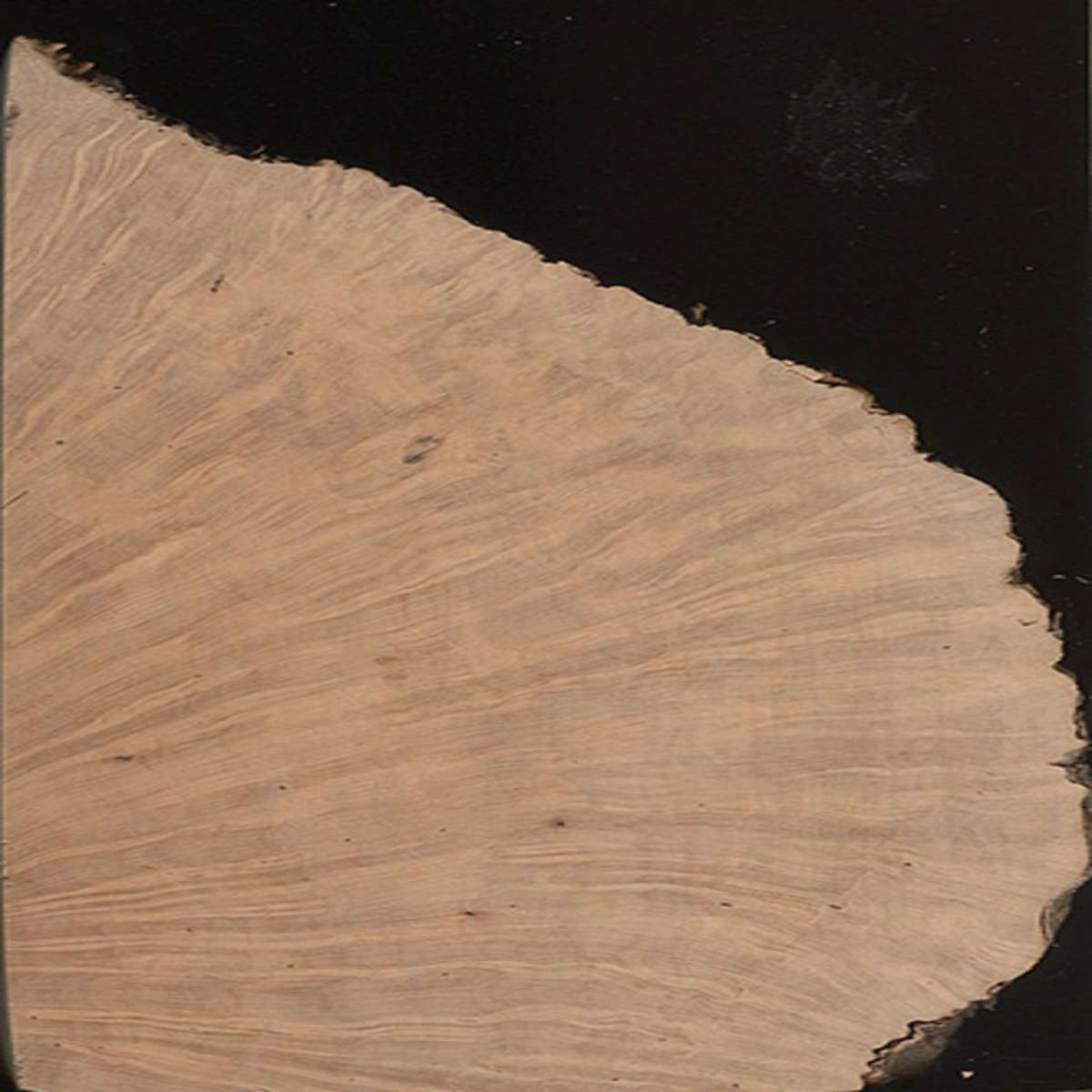
Grain and Texture of Briar.

Is Briar a HARDWOOD or SOFTWOOD?
Briar wood comes from the Erica arborea tree and is classified as a hardwood. Its robust nature and density, highlighted by a specific gravity range of .69 to .91, showcase its durability. The wood’s birthplace lies in the Mediterranean region, where it grows modestly, not exceeding 13 feet in height. It’s renowned, particularly in pipe-making, for its charming grains from burls like plateaux, which add a touch of elegance to carvings. Contrary to softwoods, briar’s toughness requires patience, but hey, at least you’re not dealing with a marshmallow!
Think of briar as a tree that’s not the tallest in the forest, but its wood is very strong. This strength makes it a hardwood—kind of like the superheroes of the wood world! While it’s not the easiest wood to shape, the beautiful patterns you’ll find in it make every effort worthwhile. Especially if you love creating special things.
- Tree Family- Part of the Erica family.
- Distribution- Across the Mediterranean region.
- Use in Crafts- Popular in pipe-making for its heat resistance.
“In every log of briar, nature has stored a hidden lesson in patience and beauty just waiting to be revealed.”

What are the Common Names for Briar?
While “Briar” is the most recognized name, this wood is commonly identified by its burl types- plateaux and ebauchon. These unique burls, favored for their fine grain in crafts like pipe-making, distinguish briar and add to its allure. Commonly, the terms “briar plateaux” and “briar ebauchon” pop up in woodworking conversations, especially among artisans who enjoy creating specialty items. Now, let’s carve our way to understanding briar’s charm, and remember- using really sharp tools won’t hurt!
Briar wood has special and funny names based on the bumpy parts it comes from, like “plateaux” and “ebauchon.” These parts have fancy patterns and make briar great for crafts like making pipes. It’s like calling it by nicknames that show how it looks!
- Plateaux- Quarter-round burl pieces with outer bark.
- Ebauchon- Rectangular burl pieces from the center.
“Even the smallest burl can crack a big smile with its hidden grain tale.”
What is the Scientific Name of Briar?
The scientific name for Briar is Erica arborea. This hardwood, sourced from the Mediterranean region, showcases a modest height of 8-13 feet with a trunk diameter of 1-1.5 feet. Briar is renowned in woodworking for its distinct burl types, plateaux and ebauchon, cherished for their lovely patterns. Trust me, carving Briar requires patience, but remember—at least it’s not rocket science or maths!!!
Think of Briar as a superhero tree with a secret identity called Erica arborea. This tree might be small, but it’s super strong and has cool patterns that people love. With its special name, the Briar tree can turn into awesome things like pipes and knife handles when given the right tools.
- Scientific Name- Erica arborea
- Tree Size- Typically 8-13 ft tall
- Trunk Diameter- 1-1.5 ft wide
- Region- Grows in the Mediterranean
- Uses- Ideal for tobacco pipes and small specialty items
“In every scientific name lies a story that unwraps the mysteries of nature’s creations.”

What’s Unique About the Tree Size of Briar?
Briar trees, modest in stature, typically stand between 8 to 13 feet tall with a trunk diameter of 1 to 1.5 feet. These dimensions might not impress in height, but their *burls*, born out of the trunk’s thickness, are the true treasures. With a dense and sturdy nature, these burls are cherished for crafting fine items because of their durability. Well, you know what they say, “It’s not the size of the tree, but the burl in the trunk that counts!”
Imagine briar trees as small giants with hidden surprises under their barks. While they aren’t the tallest trees in the forest, their burls make them special. These burls are like tree knots with cool designs, perfect for creating amazing carvings.
- Height- 8-13 ft (2.5-4 m)
- Trunk Diameter- 1-1.5 ft (.3-.5 m)
- Location- Found in the Mediterranean region
“In the quiet presence of a small tree lies the potential for grand artistic creations.”
What is the Average Dried Weight of Briar?
The average dried weight of briar wood is 57 lbs/ft3 (910 kg/m3), marking it as a notably heavy and dense material. Such mass makes briar a challenging but rewarding choice for woodcarvers who appreciate its strength and unique grain. The weight is distributed across this relatively small tree size, emphasizing its compact durability. If briar wood were on a diet, it would probably break the scale—and that’s certainly not a lightweight matter!
Imagine a tree that may not win any height awards, but it’s like carrying a backpack full of rocks when dry. Weighing more than other woods, it’s like holding a solid friend who won’t bend or break easily. It might be a little extra hard to handle, but its strength is perfect for creating cool things like pipes and handles.
- Average Weight- 57 lbs/ft3 (910 kg/m3)
“A solid weight in a small space brings with it the opportunity for grand craftsmanship.”

What is the Specific Gravity of Briar?
Briar wood boasts an impressive specific gravity range from .69 to .91, highlighting its dense and durable nature. This measure reflects the wood’s substantial weight and compactness, making it a favored choice for crafting tobacco pipes and other small specialty items. The specific gravity shows how much the wood weighs compared to water (imagine how much effort it takes to lift a soaked log out of a river!). So, while working with briar takes a bit of muscle, its rewarding patterns make it worth every ounce of effort.
Let’s think of specific gravity like a special number that tells us how much briar would weigh compared to water. If the number is bigger than one, that means it’s heavier than water; kind of like a very dense and compact sponge (without all those empty holes). So, with briar, you get that hefty feeling in your hands!
- Specific Gravity- Range from .69 to .91 (Basic, 12% MC)
“Even a small weight can bear a story beyond its surface, offering strength and beauty in every grain.”
What Does Briar’s Janka Hardness Mean for Woodcarving?
Janka hardness of briar is an impressive 2,090 lbf (9,300 N), which speaks to its strength and durability. This high rating shows that briar can withstand a lot of pressure before showing wear or indentations, making it a solid choice for intricate woodcarving projects. While this means carving briar requires hefty tools and a strong arm, the effort is rewarded with remarkable grain patterns. After all, why not get a workout while you release your creativity? And remember, at least it’s not like trying to carve a stairway to heaven!!!
Think of the Janka hardness as a toughness scale for wood. Briar scores really high, which means it’s like the tough kid on the block. Carving briar is a bit of a challenge, but it won’t smash or chip easily, revealing cool designs beneath the surface.
- Janka Hardness- 2,090 lbf (9,300 N)
- Durability- Withstands pressure with ease
- Projects- Ideal for detailed carvings
“The elegance in carving lies not in the force applied, but in the patience to uncover beauty hidden within the toughest grain.”

What Does the Modulus of Rupture Tell Us About Briar Wood?
Briar wood’s modulus of rupture is an impressive 7,120 lbf/in² (49.1 MPa), indicating its strength against bending and breaking under stress. This means briar can handle a lot of pressure before giving in, which makes it suitable for crafting enduring items like tobacco pipes and knife handles. The resilience of briar is because of its unique grain and dense composition. Now, if only they tested my patience like that—I’d still get a lower score, trust me!!!
Let’s think of the modulus of rupture as a way to see how strong briar is when you try to bend it. It’s a big number, so this wood isn’t going to snap easily—even if someone sits on it (not recommended, by the way)! This strength gives it top marks for making things that need to last.
- Strength Indicator- 7,120 lbf/in² (49.1 MPa)
- Durability- Great for enduring stress
“In every strong grain pattern, lies the power to withstand and create lasting beauty.”
How Does the Elastic Modulus of Briar Affect Its Use in Crafting?
While specific data on the elastic modulus of briar is missing, this property typically measures how much a material will flex under stress. Because briar is a hardwood, we can infer it has low elasticity; that means it doesn’t bend easily—which is why it’s so great for carving those intricate designs. If you dig into crafting with this wood, expect less bounce back, kind of like arguing with a stubborn friend!!! Remember to consider that, unlike softer woods, briar won’t be your stretchy buddy during a creative session.
Think of the elastic modulus like a test to see if briar is as flexible as a rubber band. Since briar’s really tough, it’s more like trying to bend a strong spoon—it wants to stay just how it is. This makes it great when you need it to hold its shape but maybe not for building a bouncy castle!
- Elasticity Insight- While data isn’t specific, briar’s rigidity speaks volumes
- Carving Benefit- Less likelihood of bending during crafting
“In the wood’s refusal to bend, lies a promise of steadfast design shaping precision.”
What is the Crushing Strength of Briar?
The crushing strength of briar wood, clocking in at 8,540 lbf/in² (58.9 MPa), is an impressive stat for brian’s reputation in durability and strength. This high figure means that briar can handle a lot of compression without crumpling, which is important for the detailed crafting and shaping of small specialty items. This strength makes briar a reliable choice when creating items that demand structural integrity. Unlike a softwood that might yield under pressure, briar stands firm—like a true unsquashable superhero!!!
If you think about briar’s crushing strength, just picture squishing a sponge and how easy it is. Well, briar is the opposite, it doesn’t squish easily at all! That’s why it’s great for making things that need to be strong and last a long time, like pipe bowls and handles.
- Crushing Strength- 8,540 lbf/in² (58.9 MPa)
- Ideal For- Structurally sound carvings and durable items
“In the steadfast compressive resistance of briar, *artistry* stands ready to withstand the test of pressure.”

How Does the Shrinkage of Briar Affect Woodworking Projects?
Briar wood shows shrinkage values of 6.1% radial, 8.5% tangential, and a 15.6% volumetric shrinkage with a T/R ratio of 1.4. This moderate shrinkage can affect woodworking projects, especially those requiring precision fitting or larger pieces. The greater tangential shrinkage compared to radial may lead to slight warping during drying, so careful consideration is needed. But as long as you’re not carving a wobbly tower, you’ll be just fine!!! So, have fun and remember- shrinking wood is just nature’s way of giving it a hug.
Shrinkage is like when a tree drinks water and later the water leaves, making the tree a bit smaller. Briar’s percentage of shrinking tells us how the sides (radial) and tops (tangential) change size when dry. It’s like a snug sweater that doesn’t want to lose its shape.
Radial Shrinkage-
6.1%
Tangential Shrinkage-
8.5%
Volumetric Shrinkage-
15.6%
T/R Ratio-
1.4
“In every change of form, lies the resilient story of nature’s enduring adaptability.”
What Does the Color/Appearance of Briar Look Like?
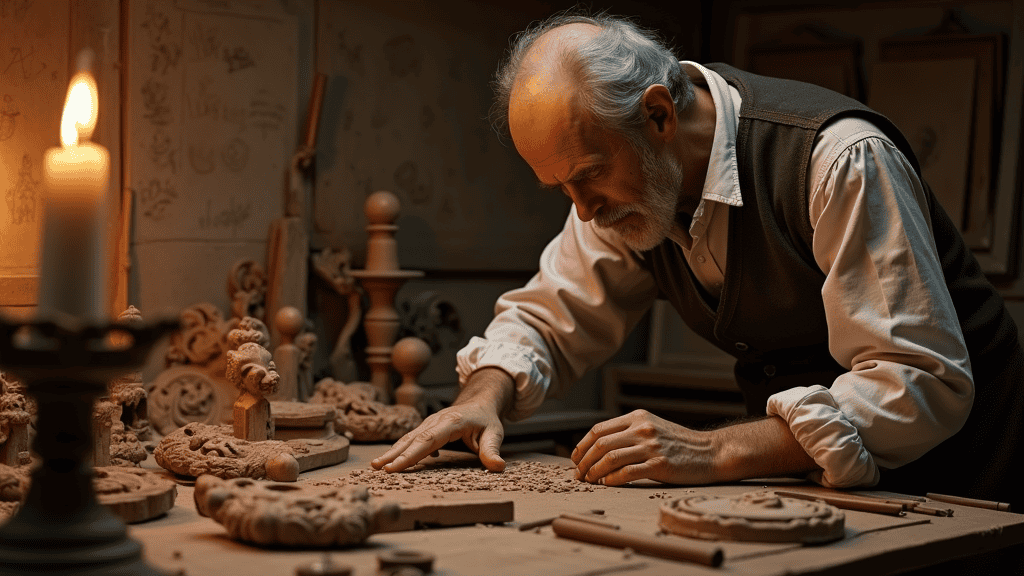
The color/appearance of briar wood stands out because of its distinctive features, especially in the burl sections. Ebauchon burl blocks often showcase a more random grain pattern, giving them a rustic charm, while plateaux burls maintain a more consistent grain that’s highly valued for its elegant finish. settled within a rich, warm palette that ranges from pale pink to a deeper reddish-brown, this hardwood provides a striking visual appeal. Just when you think you’ve seen every grain pattern, briar surprises you—sort of like finding a secret in the bark!
Imagine viewing colors in wood as if looking at a sunrise—briar’s colors shift from light to dark, forming unique patterns. This creates a canvas full of surprises that you can use to make things like tobacco pipes and knife handles.
- Color Range- Pale pink to deep reddish-brown
- Burl Characteristics- Ebauchon for randomness, plateaux for consistency
“In each twist of grain, the tree talks tales of color, inviting the hand to create with delight.”
What is Special About the Grain and Texture of Briar?
Briar’s grain and texture present a visual feast that is both unique and striking because of its growth in the burls, primarily the plateaux and ebauchon types. These burls, when cut, reveal jumprse grain patterns that range from tidy and straight to twisting and chaotic, which adds character to creations such as tobacco pipes. This variety in grain makes briar a crafty choice for those seeking one-of-a-kind pieces. Just remember, a difficult wood surface makes the end result much more impressive—kind of like finishing a marathon with a sprint!!!
Imagine each piece of briar is like a treasure map, where every twist and turn in the grain leads to a new surprise. Some grains look neat and others look swirly, just like how a river goes through both curvy roads and straight paths. This makes the wood super fun to work with!
- Grain Type- Variable from straight to chaotic patterns
- Texture- Offers a challenge but yields unique beauty
“Within each line of grain lies an untold story, waiting to be read by the hands of the carver.”
How Does the Rot Resistance of Briar Affect Its Use in Woodworking?
Briar wood is usually considered to have moderate rot resistance, especially when compared to other hardwoods like oak or cedar. This characteristic means briar can weather relatively mild outdoor conditions without significant decay. But, it’s not the best option for projects that will face heavy moisture or constant contact with the ground. From my view, it’s perfect for those making finely crafted indoor items where its beautiful grain can be appreciated without worry over rot. Why, it’s like the wood equivalent of a fair-weather friend!!!
Think of briar as a fence that stands tall, but needs to stay mostly indoors to avoid too much rain. It’s not the wood you’d choose for a pirate ship sailing the high seas! But for creating beautiful pieces inside, it’s perfectly fine and strong enough.
- Suitable Conditions- Best for indoor use, moderate resistance
- Unsuitable Conditions- Heavy moisture or contact with soil
“In the calculated patience of crafting, one finds the balance between beauty and longevity, even in something as unyielding as rot resistance.”

How Does Briar’s Workability Influence Its Crafting Possibilities?
When considering workability, briar wood presents both challenges and opportunities for craftspeople relying on its qualities. This kind of hardwood requires sharp tools to carve its dense grain, which is known for its beauty and durability. The Janka hardness of 2,090 lbf means a bit of elbow grease is needed, but when the effort pays off, items like tobacco pipes or knife handles showcase stunning patterns. It’s wood like briar that makes carving as much about the journey as the destination—kind of like trying to cook a soufflé without it falling flat!
Working with briar can be like solving a puzzle with your hands. Using sharp tools, you can shape it into awesome items like handles and pipes. It’s tough and strong, but the fun designs inside make it exciting to work with.
- Tools Needed- Sharpened tools for carving dense hardwood
- End Results- Beautiful items like pipes and handles
- Effort Required- Patience and skill in equal measure
“In the dance between tool and timber, workability becomes the key to revealing potential and artistry.”

What is the Odor of Briar?
Briar is a hardwood known for its strength and unique grain, but surprisingly, it has no distinct odor. While some woods might delight or offend with their scents, briar remains neutral, allowing carvers to focus solely on the richness of its textures without any olfactory distractions. So, while working with briar, you won’t be caught sniffing the air like a hound looking for sausages—it’s all about the tactile experience here!
Briar wood is like the quiet kid in a room full of noisy trees—does its job without making a fuss. When you carve into it, you won’t notice any particular smell. It’s kind of like if wood could wear invisible perfume.
- Odor Characteristic- None
- Focus- On grain and texture, not scent
“In the simplicity of scentless wood lies the essence of true craftsmanship—an invitation to carve with all senses engaged, except one.”
What are the Allergies and Toxicity risks associated with Briar wood?
Briar wood, derived from the Erica arborea tree, poses standard health risks related to any wood dust exposure, but no specific reactions linked directly to briar wood itself have been documented. Like most hardwoods, proper dust control and protective measures should be employed to mitigate respiratory irritation or allergic responses (nobody enjoys sneezing fits while trying to create a masterpiece!). When working with exotic burl woods such as this, it’s always wise to consult up-to-date safety guidelines or pros, but briar seems to play it safe in the toxicity department. Now, if only it could help me sneeze less in pollen season!!!
Briar wood doesn’t have any special health warnings other than what you’d get from other woods. Think of it like making sure to wash your hands before eating after playing in the sandbox. Always good to take precautions!
- Standard Risks- Related to wood dust exposure
- No Unique Reactions- Specific to briar
- Safety Measures- Dust control recommended
“The true beauty of crafting lies in taking care, ensuring that the art created comes with no more than the risk of a tired hand.”

What are the Common Uses of Briar?
Briar, with its robust qualities and heat resistance, is primarily used for crafting tobacco pipes, admired for its ability to withstand heat without cracking. It’s also a popular choice for knife handles, providing a firm grip and showcasing the wood’s natural beauty. Other small specialty items often feature briar, capitalizing on its durability and unique grain patterns. While I can’t promise these creations will make you the next woodworking sensation, they’ll surely add a touch of craftsmanship to your collection. And remember, if you start carving a briar handle, it’s always “handle with care”!
Picture using briar to make awesome creations like pipe bowls or knife handles. Its strong wood lets you make things that can last a long time and look really special. It’s like giving yourself the perfect tools for building neat stuff!
- Primary Use- Tobacco pipes because of heat resistance
- Secondary Uses- Knife handles and small specialty wood items
- Crafting Benefit- Unique grain patterns and durability
“In each crafted piece, briar offers a tale of resilience, celebrating artistry with every stroke of the blade.”

The Beauty of Briar
Briar wood’s a gem, strong and fine,
From the Erica tree, it does shine.
With burls so unique, patterns untold,
Its charm, I believe, is worth more than gold!!!
You grab your tools, let the carving commence,
Patience is key—this wood makes sense.
With sharp tools in hand, you start to see,
That each grain’s a story, waiting to be free.
Though it weighs a lot, at fifty-seven pounds,
Crafting with briar? Joyous sounds!
For pipes and more, its heat won’t crack,
A sturdy companion—no need to hold back!!!
Remember, my friend, it’s not all a breeze,
Briar might test you, but it’s sure to please.
Each swirl and each knot adds a flair so rare,
In the world of wood, there’s nothing to compare!!!
So if you’re eager to carve something great,
Briar’s waiting—don’t hesitate.
With every stroke, feel the wood’s loving care,
Trust me, in briar, you’ll find beauty to share!!!
Briar Wood Information
| Property | Details |
|---|---|
| Is it Hard or Softwood? | Briar is a hardwood. |
| Common Name(s) | Briar (burl types- plateaux and ebauchon) |
| Scientific Name | Erica arborea |
| Distribution | Europe (Mediterranean region) |
| Tree Size | 8-13 ft (2.5-4 m) tall, 1-1.5 ft (.3-.5 m) trunk diameter |
| Average Dried Weight | 57 lbs/ft3 (910 kg/m3) |
| Specific Gravity | .69 to .91 (Basic, 12% MC) |
| Janka Hardness | 2,090 lbf (9,300 N) |
| Modulus of Rupture | 7,120 lbf/in2 (49.1 MPa) |
| Elastic Modulus | No data available |
| Crushing Strength | 8,540 lbf/in2 (58.9 MPa) |
| Shrinkage | Radial- 6.1%, Tangential- 8.5%, Volumetric- 15.6%, T/R Ratio- 1.4 |
| Color/Appearance | Ranges from pale pink to deep reddish-brown; variations in burl types. |
| Grain/Texture | No data available. |
| Rot Resistance | Moderate; best for indoor use. |
| Workability | Requires sharp tools; dense grain. |
| Odor | No characteristic odor. |
| Allergies/Toxicity | Standard risks from wood dust; no unique reactions. |
| Pricing/Availability | Sold commercially as root burl blocks; pricing varies. |
| Sustainability | Not listed as threatened species. |
| Common Uses | Tobacco pipes, knife handles, and other small specialty items. |
Is Briar Good for Carving?
Briar’s dense with cool patterns, perfect for carving if you’ve got patience. It’s tough, so go for it and trust me, it’s worth the effort!