

September 2, 2024
How long do wood carvings last?
How long do wood carvings last?

How long do wood carvings last?
Wood carvings can last for centuries if properly maintained and protected from the elements. Just look at Grinling Gibbons' work in England; it’s over 300 years old and still looks fantastic! Not to mention the beautiful pieces by Tilman Riemenschneider from the 15th century, which you can still see in churches and museums. Makes you wonder if woodcarvers ever worry about running out of space for new projects, huh?
Wood carvings have an incredible lifespan, often lasting hundreds of years or more. Think about the intricate carvings in English palaces by Grinling Gibbons, which are still in fantastic condition after 300 years. In Germany, you can also find the timeless creations of Tilman Riemenschneider from the 15th century, preserved in churches and museums. Some carvings were even find outed from the Bronze Age, showing just how durable and long-lasting wood art can be.
Here are some key points to consider about the longevity of wood carvings:
- Maintenance: Proper care and protection against the elements can greatly extend the life of wood carvings.
- Historical Significance: Examples like Grinling Gibbons‘ and Tilman Riemenschneider's works are testament to the durability and timelessness of wood art.
- Aging Gracefully: Even carvings from the Bronze Age have been found, showing wood's potential for enduring through centuries.
“A well-carved piece of wood is a bridge across centuries, linking the artist's spirit with future generations.”

What types of wood last the longest for carvings?
Basswood (European Lime), Oak, Walnut, and Mahogany earn a reputation for their durability and longevity in wood carving. These hardwoods are resistant to decay and can withstand the test of time when properly maintained. Even ancient civilizations have carved pieces from these materials, showcasing the lasting quality of Basswood, Oak, Walnut, and Mahogany. Funny, you don't hear much about anyone carving a masterpiece out of balsa wood, do you?
Some types of wood are really good at staying strong for a long time. Woods like Basswood, Oak, Walnut, and Mahogany are excellent choices because they don't easily rot and can last for years and years. Imagine finding a carving made from these hardwoods in an old treasure chest; it would still look amazing!
- Oak: Very strong and resistant to insects and fungi.
- Walnut: Known for its fine grain and toughness.
- Mahogany: Durable and resistant to warping.
- Cherry: Ages beautifully and becomes richer in color over time.
- Basswood: Develops a stunning beauty and deepens in color as time goes on.
“Choosing the right wood is the first step to creating art that stands the test of time.”
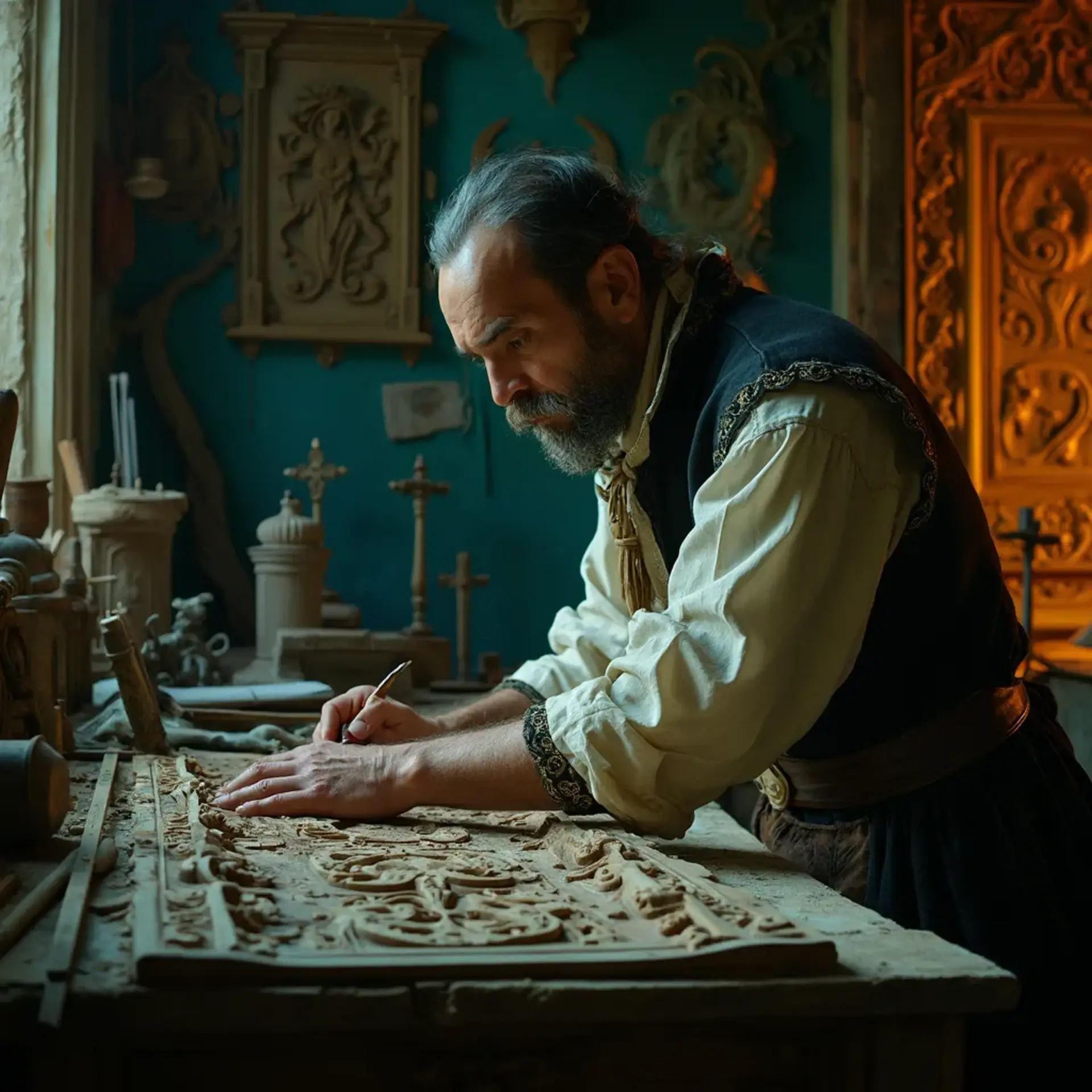
Does hardwood outlast softwood in carvings?
In my view, hardwood typically outlasts softwood because of its density and resistance to rot and pests. Hardwoods like Basswood, Oak and Walnut can endure for centuries, while softwoods might deteriorate faster if not well-maintained. So, next time you’re picking wood for carving, remember, it's less about the size and more about the strength—because nobody wants a masterpiece that turns into sawdust!
Let me explain it simply: hardwoods are like the superheroes of the wood world; they stay strong and last a really long time. Think of softwoods like sidekicks—they're useful but not as tough. So if you want your carving to stick around, go for hardwood!
- Hardwoods vs. Softwoods: Hardwoods are denser and more durable, making them ideal for long-term art.
- Examples: Basswood, Oak, Walnut, Mahogany, and Cherry are excellent choices for lasting carvings.
- Durability: Properly maintained hardwood carvings can last across generations.
“In the world of wood carving, longevity is the reward for choosing strength over ease.”

How does the density of wood affect carving longevity?
In my opinion, denser woods like Oak and Mahogany tend to last longer in carvings because they resist rot and insect damage better. This makes them ideal for creating lasting pieces that can endure for centuries. So next time you're choosing a wood for your carving, think dense!!! Even Superman would be impressed!
When wood has a lot of density, it means it's packed tightly and is really strong. This strength helps the wood last a long time without getting damaged by bugs or water. Imagine having a carving that can be enjoyed by your great-great-grandkids!
- Dense Woods: Oak, Walnut, Mahogany, and Cherry are good choices for their longevity.
- Decay Resistance: Denser woods usually don't rot as easily as softer woods.
- Insect Protection: These woods are also less likely to get eaten by insects.
“The denser the wood, the longer your art will stand the test of time and elements.”
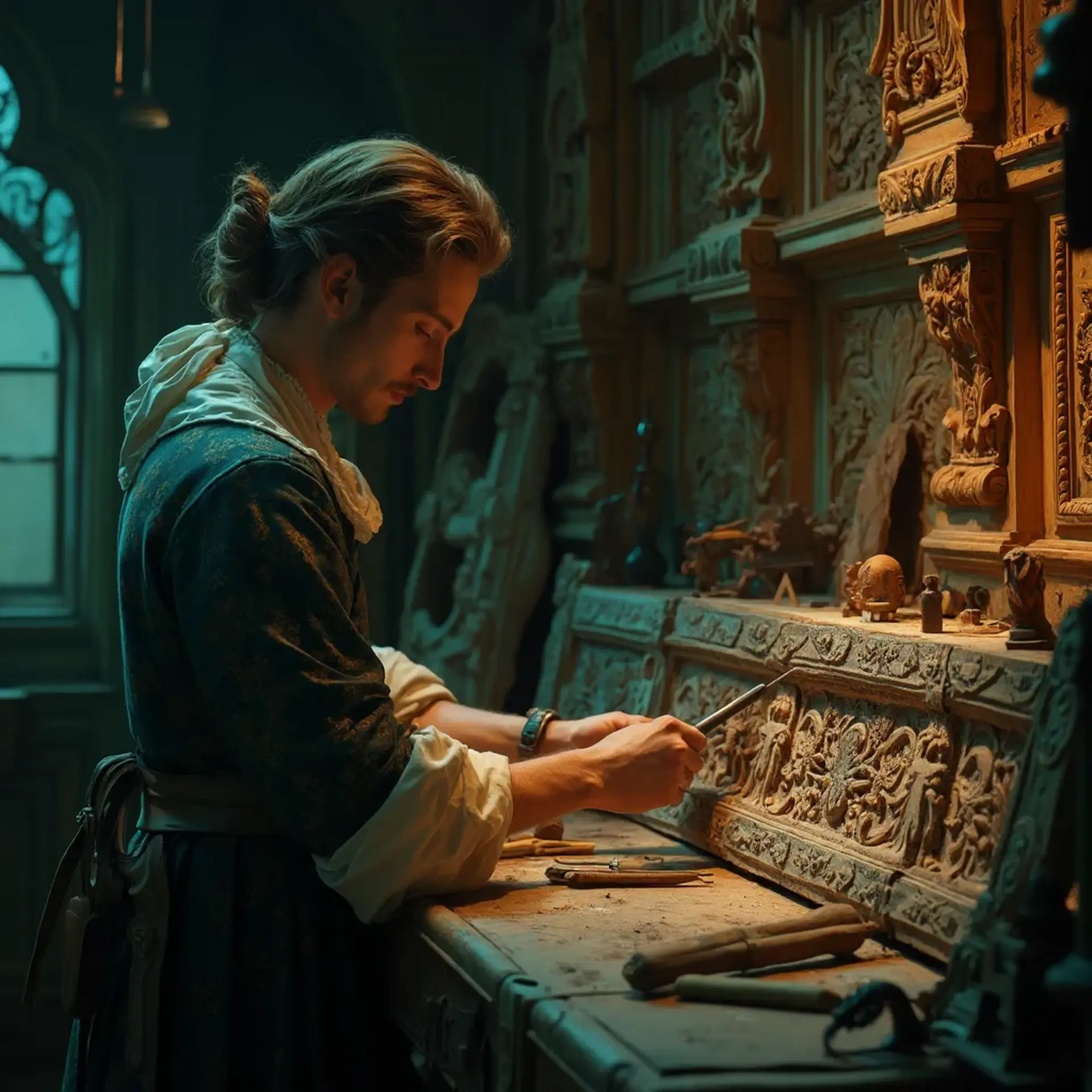
Are certain wood grains better for durability?
From my perspective, the grain of the wood can really influence its durability in carvings. Fine, straight grains usually provide more strength and stability, which helps the wood endure over time. So, if your masterpiece is going to outlive you, better pick those tight, straight grains—because nobody wants a floppy carving!
Wood grains play a big role in how strong the carving will be. Woods with straight grains are tough and less likely to crack or break. It's like picking the right building blocks to make sure your creation stays together for many, many years.
- Straight Grain: More stable and less likely to warp over time.
- Examples: Basswood, Walnut, Oak, Mahogany, and Cherry typically have tight and straight grains.
- Longevity: These types of grains help the wood resist environmental damage.
“The straighter the grain, the stronger the wood—a simple wisdom for any carver aiming for timeless art.”
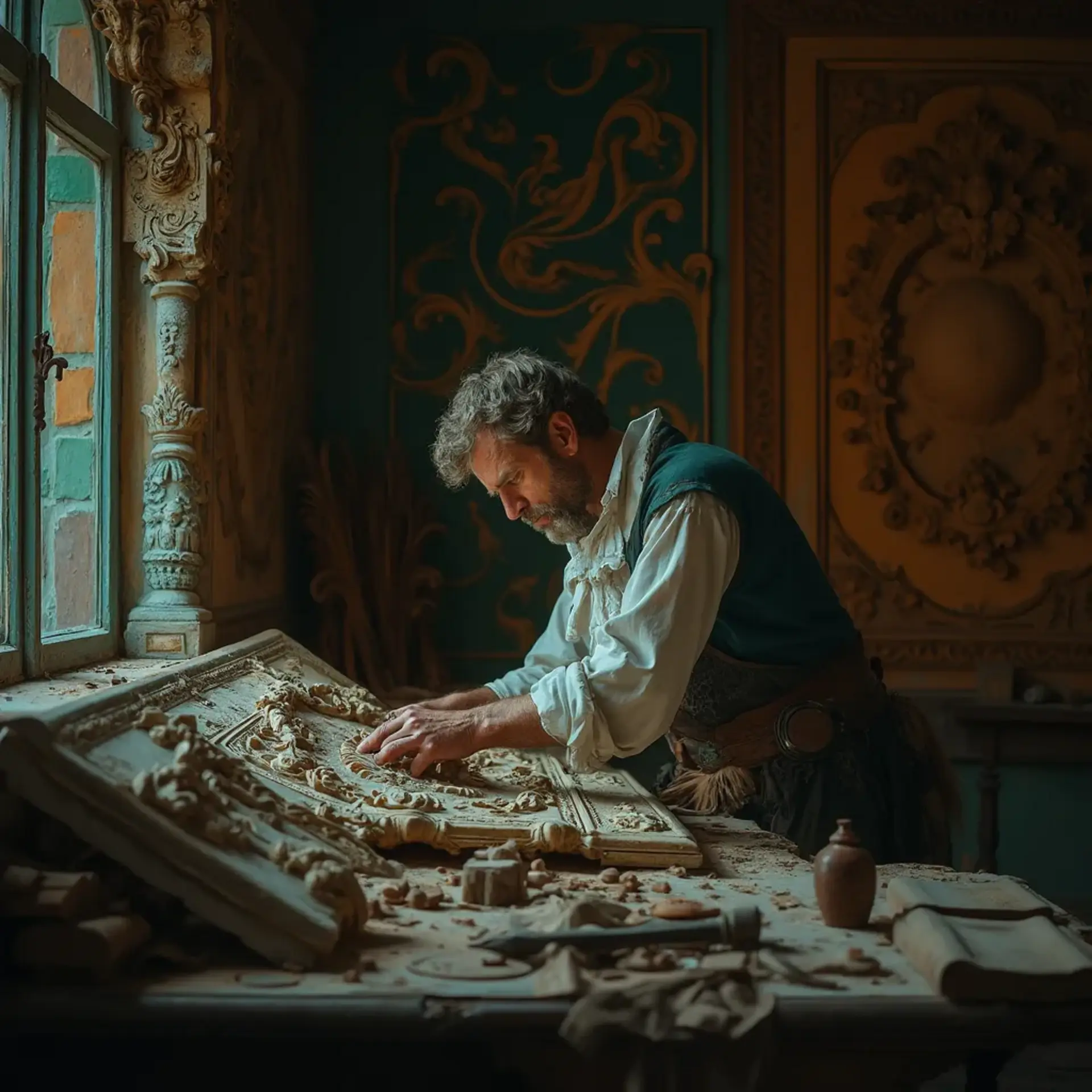
What role does wood moisture content play in carving lifespan?
From my experience, moisture content dramatically impacts the lifespan of wood carvings. Too much moisture can lead to rot and decay, while too little can cause cracks and splits. So, it's all about finding that sweet spot—just like making the perfect borscht!
If wood has too much water in it, it can get soft and start to rot. If it doesn't have enough water, it can dry out and crack. So keeping the right amount of moisture in the wood is very important to make sure your carving lasts a long time.
- Optimal Moisture: Keeping moisture levels balanced prevents both rot and cracking.
- Durability: Properly pro wood can withstand environmental changes better.
- Pre-treatment: Drying wood before carving helps achieve the right moisture balance.
“Mastering moisture control in wood is like finding harmony in a symphony—it keeps everything in perfect tune for ages.”
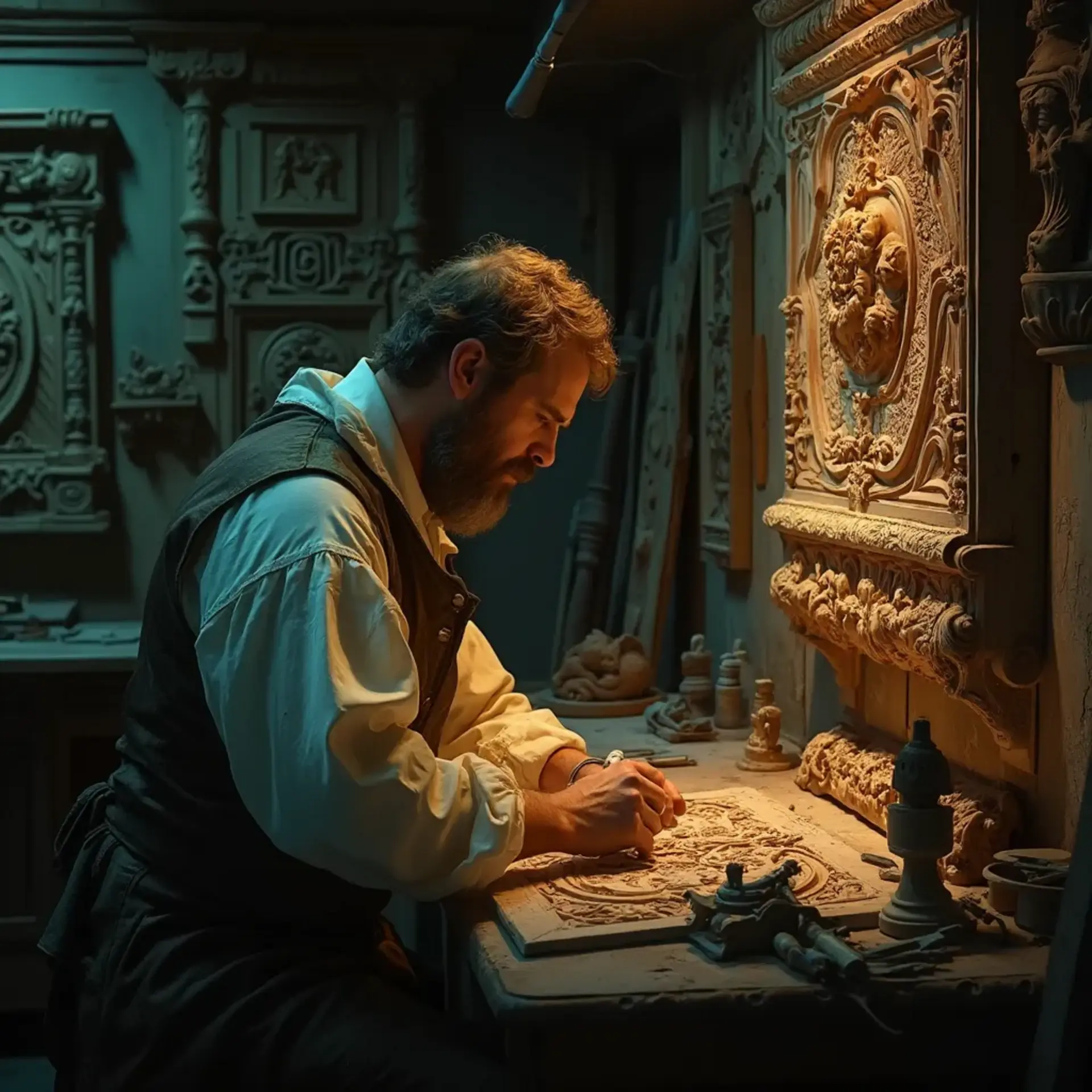
How does resistance to termites and bugs impact wood carvings?
In my view, resistance to termites and bugs plays a huge role in the longevity of wood carvings. Woods that repel pests, like Walnut and Oak, can endure for centuries without getting eaten away. Ever seen a bug nibbling on a Grecian sculpture? Neither have I!
Think of wood like a superhero. If it's strong against bad guys like termites and bugs, it means the wood can stay solid and look amazing for a long time. Bugs just can't munch on it and ruin your masterpiece.
- Termite Resistance: Woods like Walnut and Oak have natural properties that make them less appealing to pests.
- Protection: Using resistant woods means less need for chemical treatments.
- Long-term Durability: Carvings made from bug-resistant woods tend to look fantastic even after many years.
“A carving safe from pests today, is a masterpiece standing the test of time tomorrow.”

Do treated woods extend the life of carvings?
In my opinion, treating wood can significantly extend its lifespan and improve its durability. Treatments help protect the wood from moisture, pests, and decay, making it a more resilient material for long-lasting carvings. Think of it as giving your carving a protective shield—maybe not as strong as Captain America's, but close enough!
Treating wood is like putting on armor. It keeps the wood from rotting or becoming full of bugs, which helps your carving last much longer. The treatment acts like a shield, making sure your masterpiece stays safe over time.
- Moisture Protection: Treated woods resist rot and decay better than untreated ones.
- Pest Resistance: Treatments can deter insects and termites effectively.
- Longevity: Properly treated wood carvings can last for centuries, maintaining their beauty and strength.
“Treat your wood well, and it will reward you with timeless art.”

What are the best wood finishes for preserving carvings?
In my opinion, the best wood finishes for preserving carvings include oil-based finishes like Danish Oil, tung oil, and varnishes. These finishes penetrate deep into the wood, providing protection against moisture and damage while enhancing the wood's natural beauty. It’s like giving your carving a protective suit—stylish and sturdy!
Imagine giving your wood carving a cozy blanket that keeps it safe from rain and scratches. Finishes like Danish Oil, tung oil, and varnish do just that! They soak into the wood and shield it from the elements while making it look shiny and new.
- Danish Oil: Penetrates the wood for deep protection and a rich finish.
- Tung Oil: Known for its water resistance and durable coat.
- Varnish: Provides a strong, protective layer against wear and tear.
- Polyurethane: Offers excellent durability and is often used for high-traffic pieces.
- Shellac: Dries quickly and adds a warm, glossy finish.
“The right finish not only preserves your carving but captures the essence of its beauty for generations to come.”

Timeless Tales in Wood
Across the years, the talks call,
Of pro hands that carved it all.
From oak to walnut, stories blend,
In each unique creation, a legacy to send.
With gentle strokes, the grain reveals,
Hidden magic that wood conceals.
Moments frozen in a wooden embrace,
Everlasting beauty, time cannot erase.
Maintenance wrapped in love and care,
A testament to the craft, so rare.
Preserved in grace, from sun and rain,
Each carving stands, a glimpse of time's domain.
The strength of hardwoods tells a tale,
Of nature’s wonders that will not pale.
In every piece, a history embraced,
Woodcarvings immortal, their beauty interlaced.

| Topic | Information |
|---|---|
| What types of wood last the longest for carvings? | Woods like Oak, Walnut, and Mahogany are known for their durability and longevity. Proper care can keep these beauties intact for centuries!!! |
| Does hardwood outlast softwood in carvings? | Usually, hardwoods last longer than softwoods (that’s just how it is). Think of hardwoods as the tough guys in the wood world! |
| How does the density of wood affect carving longevity? | Densely packed woods like Oak and Mahogany resist damage better, making them a smart choice for lasting carvings. |
| Are certain wood grains better for durability? | Straight grains are usually stronger and last longer. No one wants a floppy carving, right? |
| What role does wood moisture content play in carving lifespan? | Finding the right moisture balance is crucial. Too much makes it rot, too little causes cracks. It's a delicate dance!!! |
| How does resistance to termites and bugs impact wood carvings? | Woods like Walnut and Oak resist pests, helping your carvings to stay intact for longer. Bugs can be a real nuisance!!! |
| Do treated woods extend the life of carvings? | Treating wood often adds a long-lasting shield against pests and moisture. It’s like giving your carving a superhero cape! |
| What are the best wood finishes for preserving carvings? | Oil-based finishes like Danish Oil and tung oil penetrate deep to protect and beautify. Think of them as cozy blankets for your art! |

So, there you have it! Wood carvings can last for ages (literally)! Whether it’s a majestic piece in an English palace or a relic in a German church, the secret lies in the wood and its care. Keep those chisels sharp, and who knows, your work might just end up in a museum one day!!! Imagine that? Всего хорошего!
Key Takeaways
- Longevity: Wood carvings can last for centuries if they’re properly cared for and protected from the elements.
- Historical Examples: Intricate carvings by Grinling Gibbons in English palaces and works by Tilman Riemenschneider in German churches and museums have endured over 300 years.
- Maintenance is Key: Proper maintenance can significantly extend the lifespan of wood carvings.
- Ancient Finds: Carvings from the Bronze Age show wood's potential for enduring through centuries.
Originally published at schoolofwoodcarving.com