
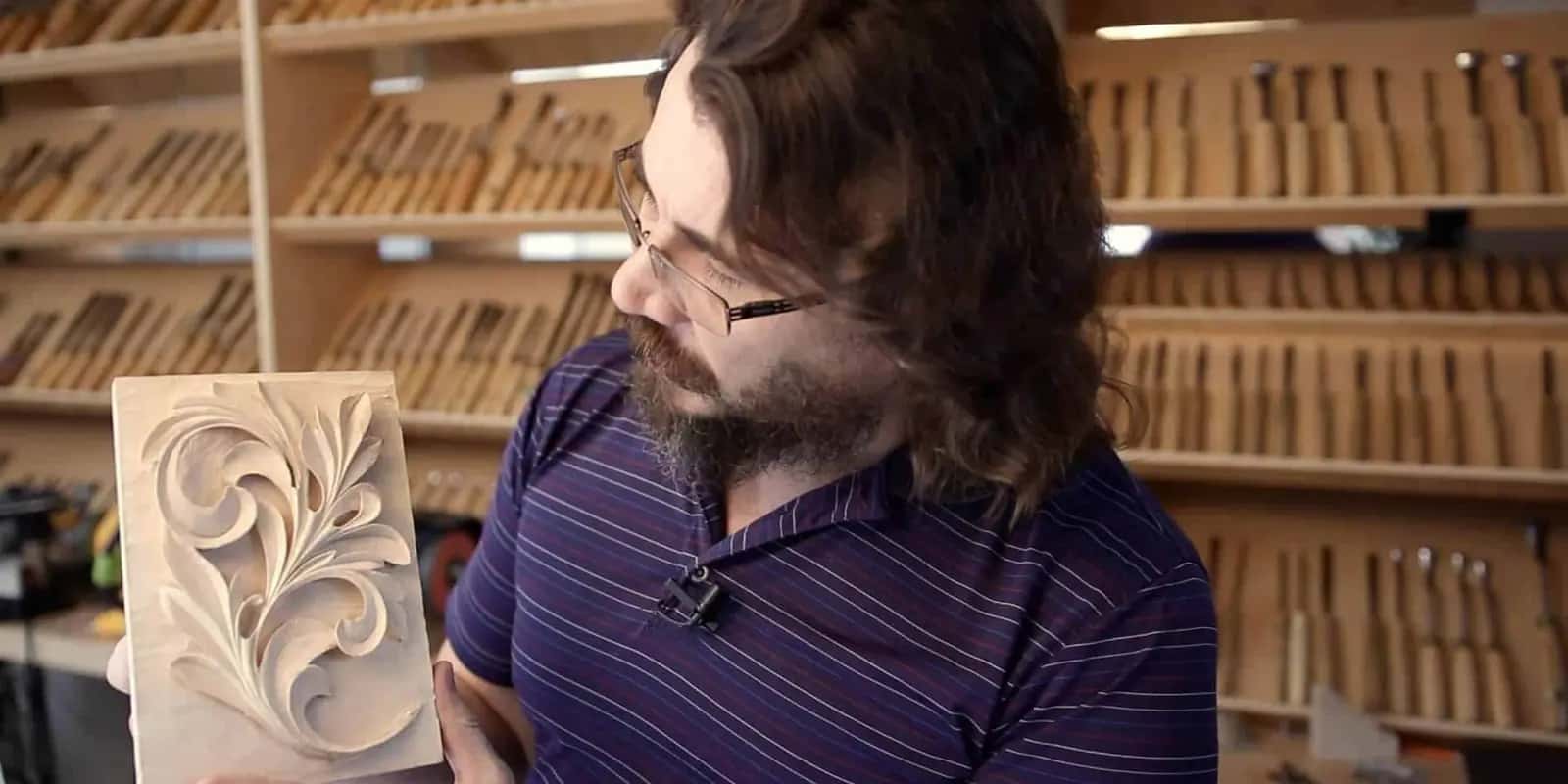
Online and in person wood carving classes for Jersey City, NJ
The apprenticeship I got at sixteen, rebuilt so it reaches a bench in Jersey City, NJ
When you search for Woodcarving Lessons near Jersey City, NJ, the map comes back empty. No carving shop in your town is taking students, and I'm not going to pretend one is. Everything I teach runs online, out of my shop and onto your bench.
You stand over a clean board knowing roughly what should come out of it, and you have no idea where to begin carving. Hundreds of people have described that exact moment to me. Is your gouge properly sharp right now, today, without you having to go and check? Hundreds of people stall at exactly that spot, and almost none of them ever told a single soul about it.
My name is Alexander Grabovetskiy. Over forty years at the bench, one International Woodcarver of the Year award, and plenty of architectural ornament in houses you would recognize. Keep reading for what happened to me at sixteen, though, because at sixteen I was handed something money mostly cannot buy any more, and I have spent years rebuilding it so it reaches a bench in Jersey City, NJ.

Something stands between you and carving, and a town has never been it.
What I got at sixteen that you cannot buy in Jersey City, NJ
I was one apprentice with one master. One bench, one man watching my hands, every day, for years. He could see the carving going wrong before the edge ever reached the wood, and he would stop me mid stroke. Nothing else comes close.
Here is the part that surprised me then and still surprises my students. He did not hand me a gouge on the first day. Paper came first, and a pencil. Design first, he said, and design to him had nothing to do with drawing something pretty. He meant the laws of space. Rhythm. Repetition. How one curve has to answer another or the whole panel looks wrong and nobody can say why. "Think how you are going to carve it," he would say. "What tools, how you get in there."

My grandfather gave me my first chisel when I was six years old. I took it straight to a brick, tried to carve a face into the brick, and destroyed the tool inside a minute. He never raised his voice about it. Somewhere in that year something started that has never let go.

The videos stop at the finished leaf
They show you the result. The carving is the lesson, and the carving is what the camera missed. A camera parked across the room shows a man leaning over a board and, eight minutes later, an acanthus leaf. Edge angle to the grain, the way the left hand brakes the right, how far up the handle a thumb sits, none of that shows from four feet away, and every one of them decides whether wood slices or tears.

Trouble is almost always one of three habits, and habits can be changed by Thursday. Most people quit somewhere in week three, and week three is a drawing problem wearing a carving costume.

Same story, different bench.
Woodcarving Lessons in Jersey City, NJ, start to finish
So I rebuilt the apprenticeship and put the camera where my master's eyes were. Over the shoulder. Close enough to watch the bevel ride the wood. I built a virtual apprenticeship, and I mean that word literally rather than as a phrase for a headline.
Behind one login sit 46 courses, 619 lessons and 3,039 separate parts, and they run in the order my master used. Design comes first, in Principles of Design in Wood Carving. Carving second. Sharpening last and hardest, in Carving Tool Sharpening, the course people put off for a year and then write to me about. If you have never held a gouge, Beginner in Carving is the door, and it runs 17 lessons on its own.

Rewind me as often as you like.
That is what I mean by Woodcarving Lessons. A way of being taught that copies what was done to me, one lesson at a time, in an order somebody chose on purpose. I got that order wrong the first time I built it. Sharpening sat at the front, because sharpening seemed like the sensible place to start, and people drowned in it and left. Moving it to the end helped. I am still not sure the design course sits where it should.

Move one course and the whole thing stops working, which is a strange fact about teaching that took me years and too many lost students to accept.
Each part carries a place to write notes against the video, and you can grab a still from the exact frame where my hand is at the angle you keep missing. Students print those and tape them above the bench. Some people redraw it by hand instead, which works even better, though it takes an evening.

How long does it take to learn to carve?
Give it a month of real evenings and you will carve clean, controlled shapes in basswood. A year in, people start asking who made that. I'm not going to sell you speed. You can't hurry the part where your hands stop arguing.
The first weeks look roughly like this, and the order matters more than the pace.
- Week one is paper, which annoys almost everybody, and straight practice carving that goes nowhere near a finished thing.
- Then a simple moulding profile in week two, and it looks bad. Carve it again.
- Week three it looks better, and you feel the difference in your hand before you see it in the wood.
- By week five or six you stop the tool exactly where you meant to stop it, which is the whole game, and everything after that is scale.

The calendar above is only a shape, and I've watched people hold at week two for a whole season and then pass everyone.
Something you can do tonight, whether you ever pay me or not
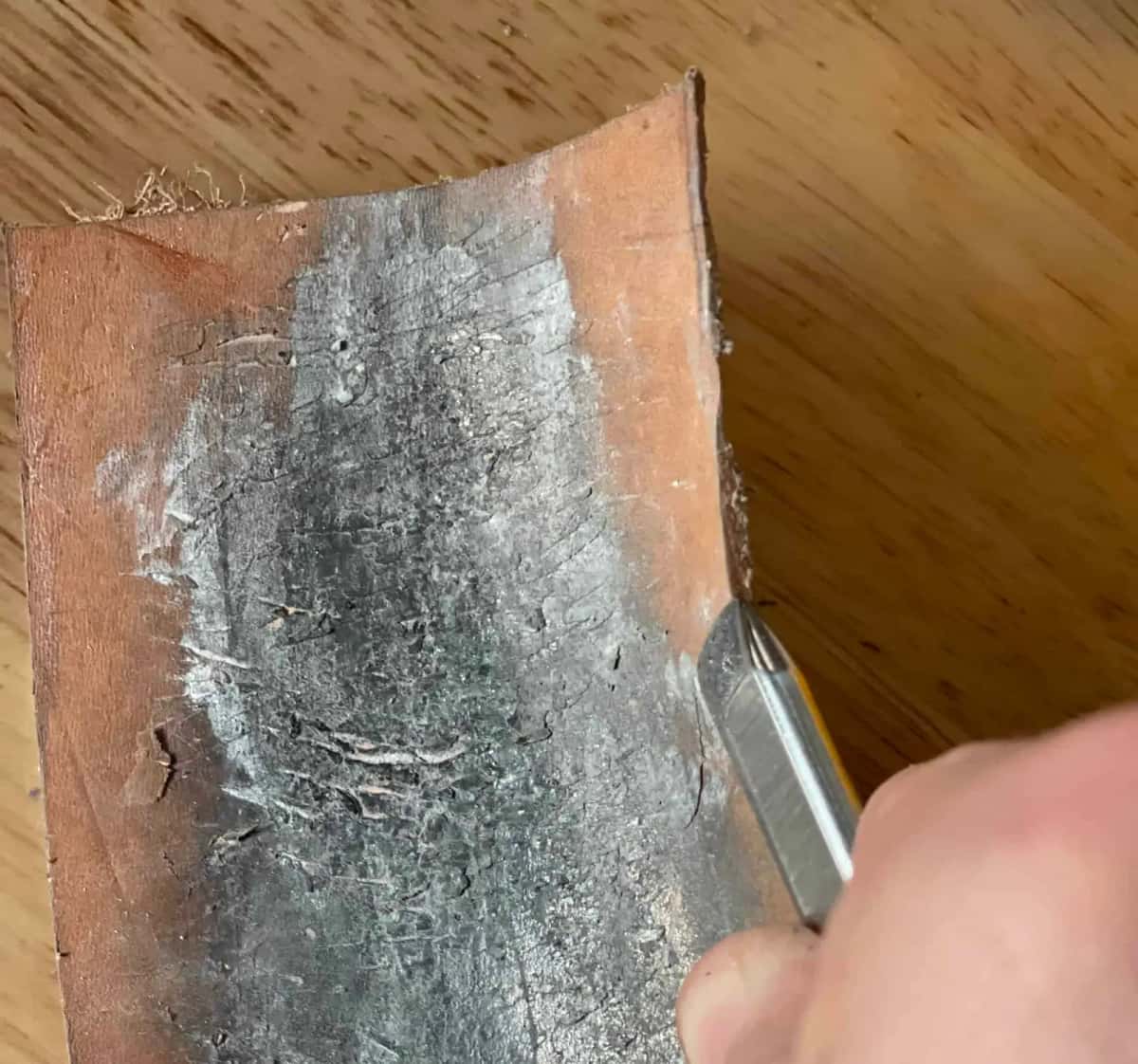
Strop your gouge before you sharpen it. Most edges that feel dull are not dull at all, they are folded over, and a strop stands that wire back up in about forty seconds. Take a scrap of leather, glue it flat to a board, rub in green honing compound. Pull the tool backwards along it, bevel flat to the leather, twenty strokes, rolling the gouge as you go so the whole curve touches. Then test it by paring across the end grain of a pine offcut, because your thumbnail lies and end grain tells the truth. A sharp edge is quiet. The folded one squeaks, and you'll know the difference the moment you have heard it once.
That one is free and it is yours, and it fixes more frustration than any tool you could buy this month. If it works on your bench tonight, shall we carve?
What wood can you actually get around Jersey City, NJ?
Basswood, and it is worth ordering ahead instead of taking whatever the lumber yard has stacked by the door. New Jersey has good hardwood dealers and plenty of black walnut and cherry within driving distance, and both are fine wood for a carver who already has hands.
| Wood | How it carves | When to use it |
|---|---|---|
| Basswood | Soft and even, forgives a bad angle | Your first year, and every practice panel after |
| Butternut | Harder, and it holds a real color | The first piece you actually want to keep, once the practice boards stop embarrassing you |
| Black walnut | Hard, and the grain changes direction on you | Once your edge holds and your layout is right |

Start on basswood anyway. And whatever you carve, don't carve a construction 2x4. You will fight the grain, kill your edge, and decide you are no good at this, when the truth is you picked a fight with kiln dried pine that nobody wins. Nobody has ever shown you where to put the edge. The tree it came from had nothing to do with any of it.
Looking for Woodcarving Lessons near you, and what a weekend really costs
I do teach in person, and I'll say plainly that it isn't enough. Those classes sell out in eight minutes. Eight minutes. A few dozen people get in, they get two or three days with me, and then they go home and the real questions start arriving the following week, when there is nobody standing there to answer them. I love teaching them. Still not enough.

Money is not the only reason people cannot come.
A workbench in Jersey City, NJ and the one I am standing at can run the same lesson on the same evening. Same lesson, same evening. That is the only geography this craft has left. It took me a long time and a lot of camera angles to believe it.
What it costs, and who should not pay me for Woodcarving Lessons
Tuition is $25 a month, or $200 for the year, and it renews automatically every month or every 12 months until you cancel it yourself on your account page. One button, on the same page you signed in on.

Before you spend money on Woodcarving Lessons anywhere, including here, add up what a weekend elsewhere really costs. Flights and a hotel are the hidden half.
If $25 a month is a real problem in your house this month, then this is not the right hobby for you yet, and I'd rather say so than take the money. Get a pencil and paper and draw instead. Drawing is free. Come back when the wood and the tools will not hurt anybody at home. This will still be here.
The school is a non-profit. Tuition pays for filming and for the site, and what is left funds orphans and widows and buys art lessons for children whose families cannot pay for them. When my father left us there was no money for anything of that kind, so that line means something to me.
Footage is cheap and everywhere.
Who sits at the other benches
Retired machinists. Cabinet makers who got tired of building boxes. A design teacher who does an impression of my accent for the whole room. People in their seventies who have wanted this since they were twelve. One man told me he wanted to learn something new before he died, which lands as either sad or magnificent depending on the hour you hear it, and he is still carving.

I never set out to teach. Selling my Felder machines was meant to buy me time to carve full time, and then a man called Mark Adams asked me to take a class, and I was so frightened of my English that I nearly said no. Yes came out instead. That was seven years ago and it changed what I do with my life. When I carve alone now I put on Bach or Vivaldi, and some days a university lecture instead, and I've finished whole college courses that way with a mallet in my hand.

I do not edit the bad carving out.
The gift you have for the three dimensional world was not given to you so you could spend it on a phone. Work on it. And before you decide anything about me, go and do the strop and the pine offcut tonight, on a bench in Jersey City, NJ, because that part costs you nothing and it will tell you more about your own edge than I can from here.
Frequently asked questions
Do I need my own tools before I start?
You can watch the first two weeks with nothing in your hands at all. When you do buy, one good gouge and one knife will take you further than a boxed set of twelve, because you will use four of the twelve and resent the tray the other eight came in.
I have never drawn anything in my life. Is that a problem?
Almost everyone writes to me with that same sentence. Drawing for carving is a set of rules about space and rhythm, and rules can be taught in an evening, so the design course comes first rather than last.
What should I buy first?
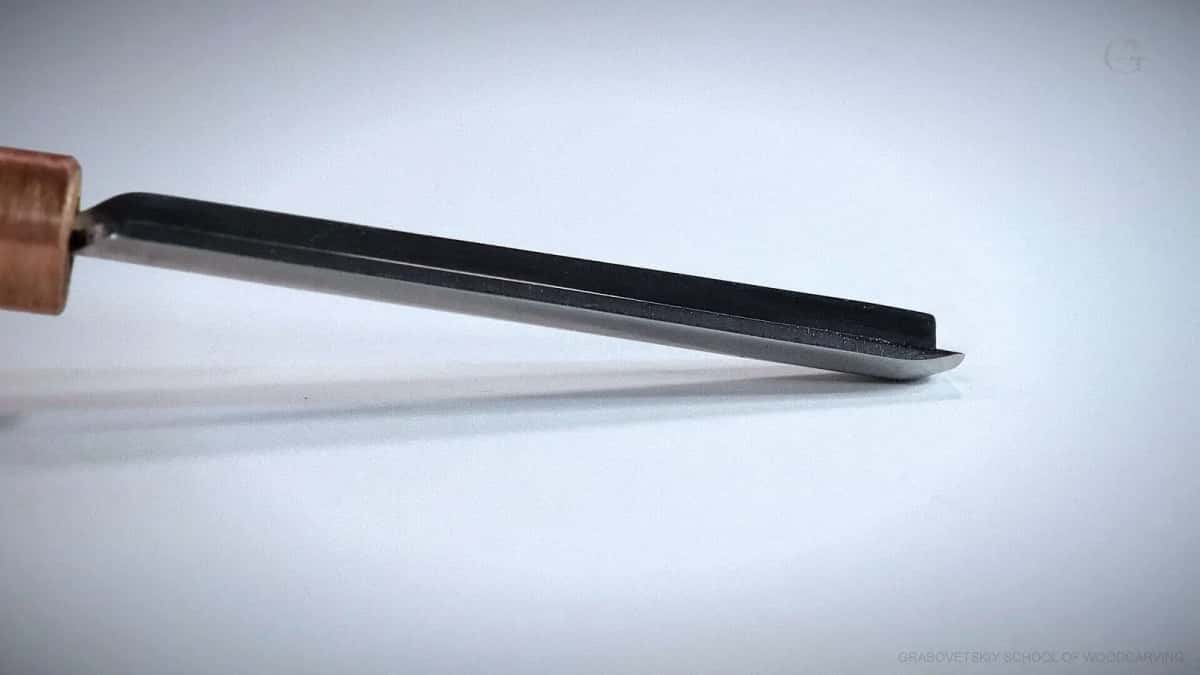
Four things, in this order. One number 7 gouge, around 14mm across. It does most of the work in your first year. A carving knife with a short blade, short enough that your thumb can sit behind the blade and control it. Then a leather strop and green honing compound, about fifteen dollars together, and worth more to you than the gouge for the first month. Basswood, ordered rather than scavenged, and more of it than you think, because the early boards are practice and practice gets used up.
Is this really different from the free videos?
Free videos stop at the finished leaf. Here you watch the carving that made it, filmed from where my own eyes were, in an order that builds, which is why people searching for Woodcarving Lessons near them keep ending up on this page.
What if I only get an hour a week?
An hour a week is enough to keep moving forward. One hour every Saturday beats four hours once a month, because your hands forget faster than your head does.
Am I too old to start carving?
Some of my students are teenagers. Others are past ninety. Carving in three dimensions builds new connections in your brain, so starting late may well be the better argument of the two.
How do I stop paying if it turns out not to be for me?
Open your account page and cancel there yourself, in about four clicks. There's no phone call, no letter, and nobody will ring you up to ask why.