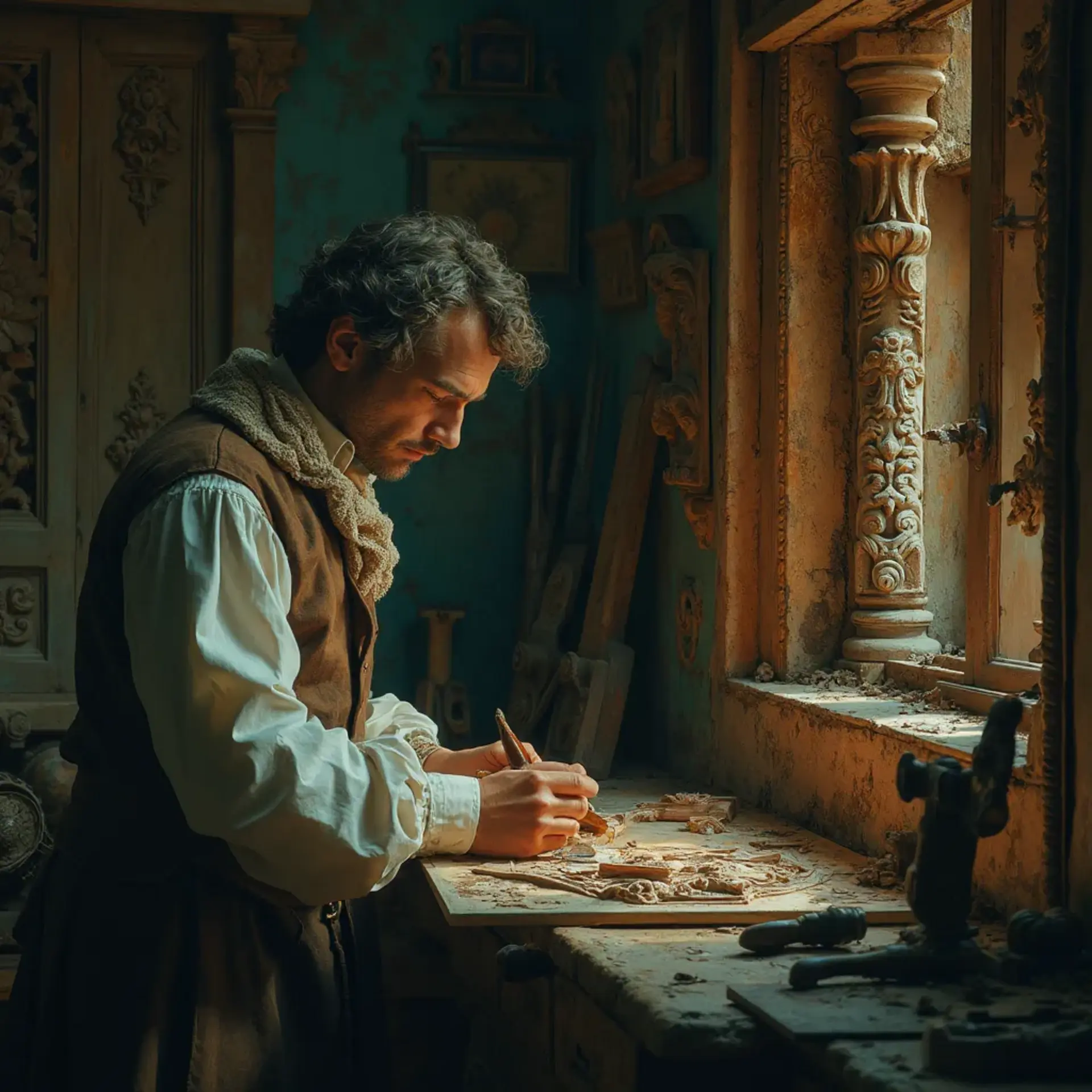
How do you know if wood is good for carving?
A good wood for carving should be soft enough to work with yet durable enough to hold details. Basswood, walnut, and mahogany are top choices. If the wood chips easily without splintering, you’ve found a good one. Otherwise, you might have a tough nut to crack (quite literally)!
Carving wood is like picking the right shoe size. Not all wood is good for carving. Some wood is too hard or splits easily. Basswood is one of the best because it’s easy to carve and holds detail well.
“Choosing the right wood is just as crucial as mastering your tools. The grain speaks volumes.”
| Type of Wood | Characteristics |
|---|---|
| Basswood | Soft, easy to carve, holds fine details |
| Walnut | Medium hardness, rich color, durable |
| Mahogany | Medium hardness, smooth texture, darker tones |
| Oak | Hard, strong grain, better for larger carvings |
| Cherry | Medium hardness, fine grain, polishes well |
| Olive | Hard, beautiful grain, often used for intricate work |

What makes wood hard or soft?
The hardness or softness of wood largely depends on its cellular structure and density. Hardwoods like oak and cherry have tighter, more compact cell structures, making them firm and durable, while basswood’s looser, more open cells make it softer and easier to carve. Think of it as comparing rock collections; some rocks are dense and tough, while others are soft and easily shaped!
Wood’s hardness or softness comes from how its cells are packed. Dense cells make wood like oak and cherry hard and strong, but lighter cells make basswood soft and easy to carve. Different woods, like in any collection, have their own traits, giving us lots of choices.
“Understanding the hardness of wood helps shape your best creations. The heartwood holds the secret.”
| Wood Type | Density |
|---|---|
| Basswood | Light, loosely packed cells |
| Walnut | Moderately dense, balanced |
| Mahogany | Medium density, smooth feel |
| Oak | High density, strong grain |
| Cherry | Medium to high density, fine grain |
| Olive | High density, beautiful grain |
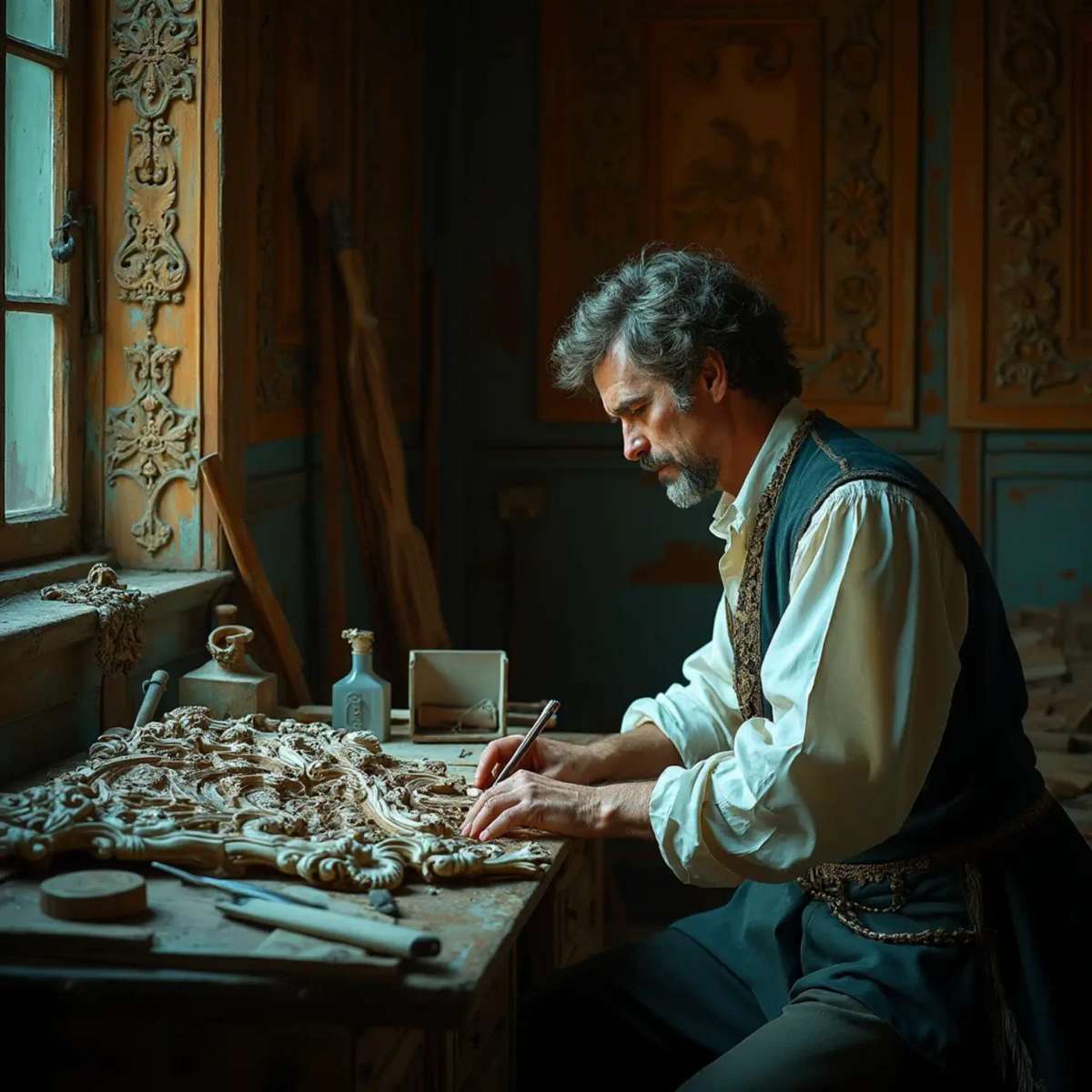
How can you tell if wood is hard?
One way to check if wood is hard is by pressing your thumbnail into it; if it barely makes a dent, the wood is likely hard. Listening to the sound of a piece being tapped can also help—hard wood tends to have a higher-pitched sound. Remember, if it’s harder than your grandma’s peanut brittle, it’s probably hard!
Think of wood like a collection of toy blocks. Some blocks are really tough and don’t dent when you press on them. Hard wood usually makes a loud sound when you tap it.
“Hard wood may challenge you, but it rewards with strength and lasting beauty.
| Wood Type | How to Test Hardness |
|---|---|
| Oak | Thumbnail test: barely dents; high-pitched tapping |
| Cherry | Thumbnail test: slight dent; medium pitch |
| Olive | Thumbnail test: very slight dent; high pitch |
| Walnut | Moderate dent with thumbnail; balanced sound |
| Mahogany | Small dent with thumbnail; smooth tapping |

How can you tell if wood is soft?
If you can easily press your thumbnail into the wood, it’s soft. Soft wood often feels lighter and more pliable when bending small sections. Fun fact: Basswood is so soft, you might think you’re carving a bar of soap!
Imagine your favorite piece of bread. If you squeeze it and it leaves an imprint, it’s soft. Same with wood; soft wood bends a bit and feels light.
“Soft wood welcomes your tools with open arms; it’s the wood carver’s best friend.
| Wood Type | Softness Test |
|---|---|
| Basswood | Easily dented with your thumbnail, very light |
| Poplar | Moderate dent with thumbnail, relatively light |
| Cedar | Soft and easy to cut, sweet smell |
| Butternut | Soft with a warm tone, easy to carve |
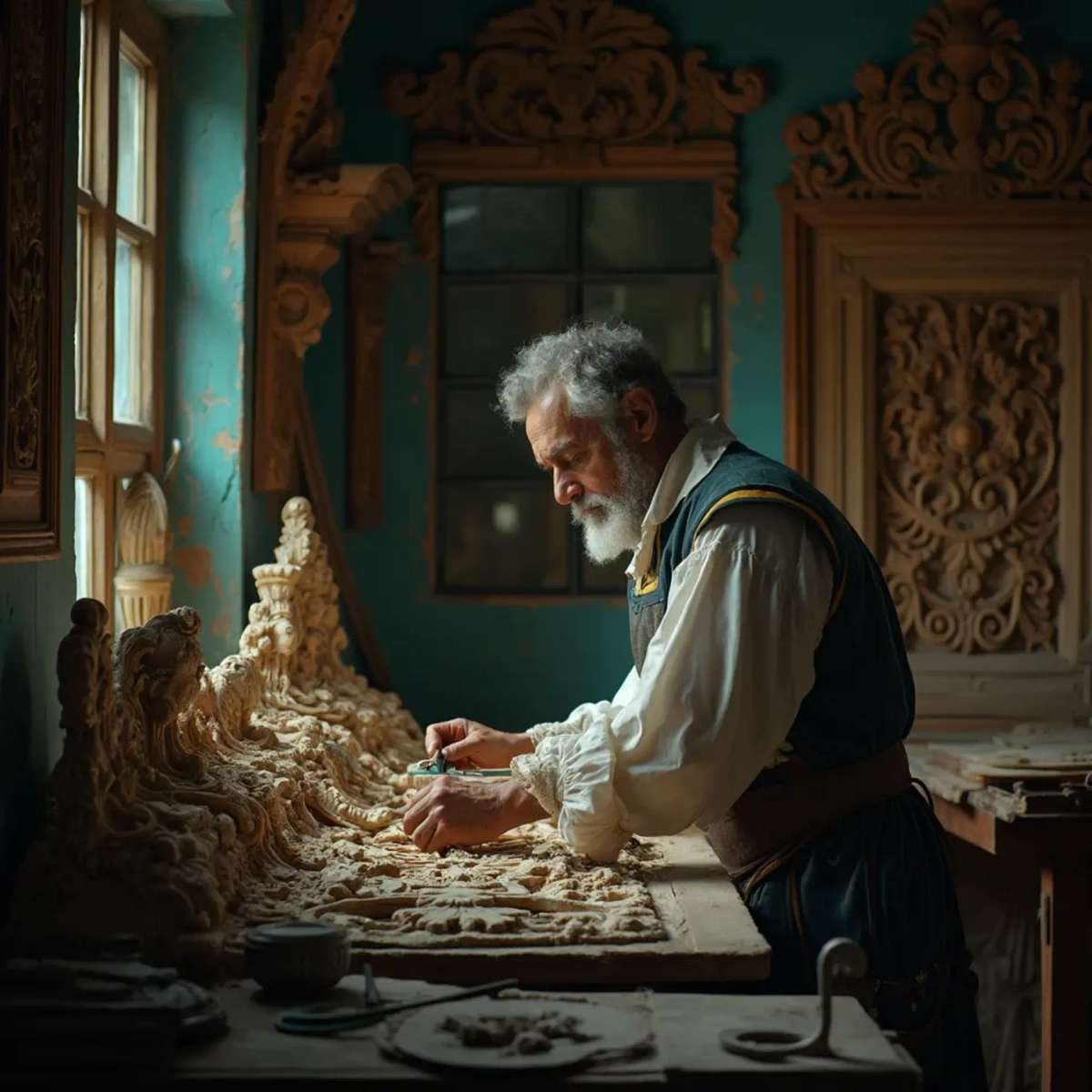
Why is it important to know if wood is hard or soft?
Understanding whether wood is hard or soft helps tailor your tools and techniques for better results. Soft woods are more forgiving, making them a great choice for beginners, while hard woods offer durability and are suited for intricate or detailed work. Think of it like choosing between using crayons or fine-tip markers on different types of paper.
When you know if a piece of wood is hard or soft, you can decide the best way to carve it. For example, soft woods might be easier to shape with basic tools, while hard woods need stronger tools and more skill. Making the right choice means your carvings will look better and be easier to create.
The true woodcarver listens to the wood and understands its nature. Knowing its hardness or softness is your first conversation.”
 What are examples of hard wood?
Hardwoods such as oak, cherry, and olive are known for their dense cell structure, making them ideal for detailed and durable carvings. These woods may require more skill and stronger tools, but the end result can be exquisite and long-lasting. It’s like comparing solving a Rubik’s Cube to a simple puzzle—the challenge is bigger, but so is the reward!Imagine picking marbles from a collection; some are heavy and dense, just like hard woods such as oak and cherry. These woods don’t dent easily when you press on them, which makes them tough for carving but great for creating detailed pieces that last a long time.
In the world of carving, hard woods test your patience but repay with timeless beauty and resilience.
 What are examples of soft wood?
Softwoods like basswood, Cedar, and butternut are popular choices for carving due to their pliability and ease of shaping. These woods allow details to emerge effortlessly, making them ideal for beginners and complex designs alike. Think of carving soft wood as collecting feathers—light, easy, and versatile, but you’ll still want to invest in some good tools.Softwood like basswood feels a lot like a collection of really soft, breakable things. You can push your thumbnail into it and see an indent. This softness makes it great for carving detailed designs without much resistance.
“Soft wood opens up a world of carving possibilities, always welcoming your creativity.
 How do you know if wood is good for carving?
To determine if a piece of wood is good for carving, check its grain tightness and uniformity, as well as its hardness or softness. Smooth, even grain and medium softness, like in basswood, make carving easier and more pleasant. Think of it like choosing the right dough for baking cookies—some doughs just roll out smoother!Imagine you have a collection of playdough. Some pieces are easier to shape because they’re smooth and even. Wood with smooth grain and medium softness is like that—it’s perfect for carving.
Choosing the right wood for carving is the key to revealing your creativity and ensuring a smooth process.
 How does wood hardness impact woodworking?
The hardness of wood significantly impacts woodworking, influencing the types of tools used and the techniques that will yield the best results. While hard woods like oak and walnut offer durability and intricate detail, they require more skill and stronger tools; softer woods such as basswood and butternut are more forgiving and easier to shape. So, in simple terms, if you don’t want your project to feel like wrestling a bear, choose your wood wisely!
Imagine working with marshmallows versus clay. Hard woods need more effort and strong tools, much like using a sharp stick to shape clay, while with soft woods, it’s like gently shaping marshmallows—simple and pliable.
“Understanding wood hardness is like knowing the secret recipe; it lets you carve with confidence and skill.
Join School of Wood Carving
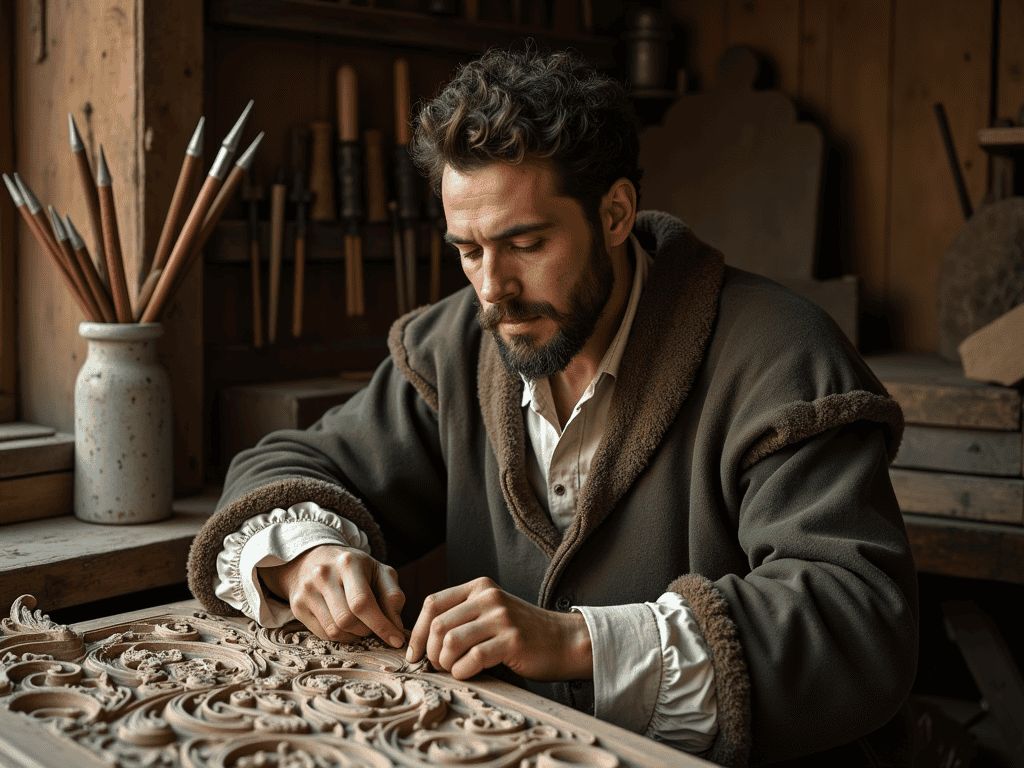 The Carver’s Choice
In the workshop’s gentle glow, wood waits,
Each grain and knot tells tales it creates.
Soft basswood yields to the craftsman’s hand,
A canvas for dreams, both delicate and grand.
Walnut’s rich warmth, with a touch of finesse,
Draws skilled attention, no need to impress.
While mahogany’s tone, deep and refined,
Holds stories of time, in each curve entwined.
To carve a sweet line, a snug-fitting tool,
Testing the hardness, as the wood bends to rule.
With a push of a thumb, if no mark it leaves,
A challenge awaits; oh, the patience it weaves!
So choose wisely, dear friend, for each piece you find,
In the dance with the grain, let your spirit unwind.
For in every chip, a new future awakes,
Crafting beauty from nature, for sweet art’s own sake.