
August 29, 2024 · Updated August 17, 2026
By Alexander Grabovetskiy — Master Woodcarver · Founder, School of Wood Carving · 16 min read
What Janka hardness of wood means for a hand carver
Janka hardness is the load it takes to press an 11.28 mm steel ball halfway into a piece of wood. American basswood reads 410 lbf. White oak reads 1,350 lbf. For hand carving that one figure tells you whether a gouge will slice the fibers or skid across them.
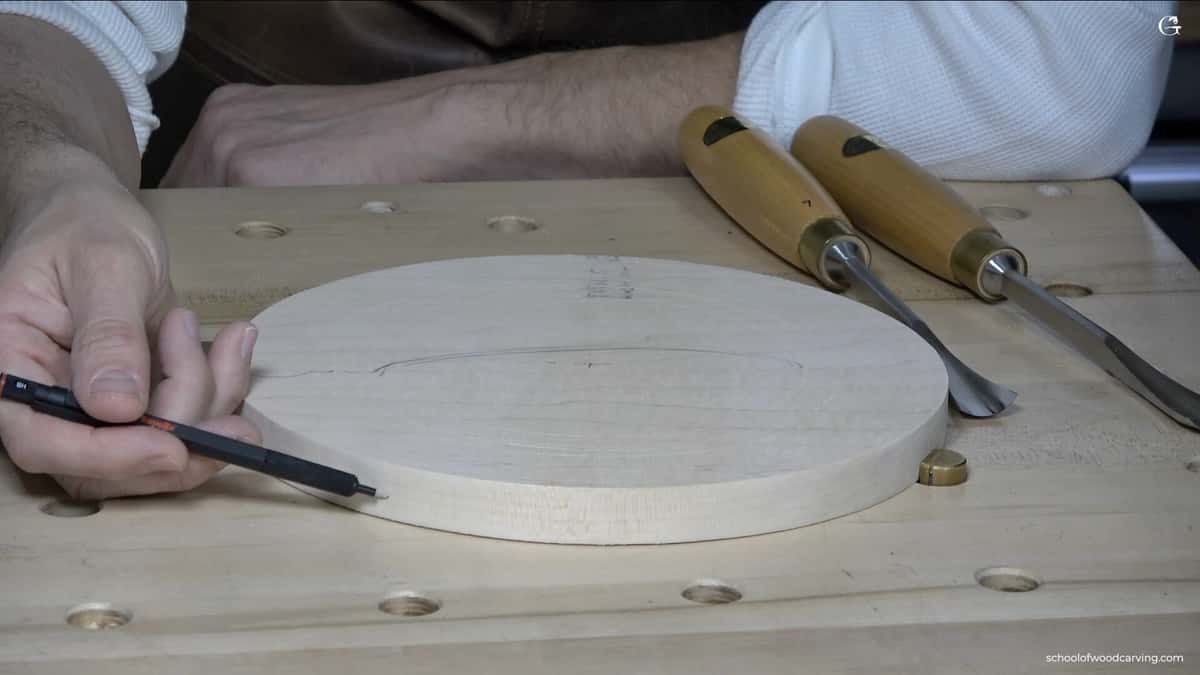
More beginners wreck a first panel by buying the wrong board than by holding the gouge wrong. I see it every year. Somebody picks the prettiest plank at the yard, carries it home, and three hours later the shoulder aches, the edge is gone, and the wood has won.
When I was six my grandfather handed me my first chisel. I took it straight to a brick and tried to carve a face in it. The tool was ruined in about a minute, and the passion was born right there. That brick taught me hardness before anyone taught me a number.
- A steel ball 0.444 of an inch across, driven to half its own depth, leaves a dent whose flat circle measures exactly 100 square millimeters.
- The load at that moment is the number. Nothing about beauty, grain or moisture is in it.
- Published tables give side hardness, measured across a plank face, never on end grain.
- Two books print two figures for one species because they rounded different units and sometimes measured a different tree.
- Hand pressure alone works below roughly 500 lbf. Near a thousand pounds the mallet comes out and stays out.
What does the Janka number actually measure?
The Janka number is a load, not a rating out of ten. A steel ball 11.28 mm across gets pressed into a wood surface until it sits at half its own depth. That depth is 5.64 mm. The force needed at that instant is written down, and the written force is the whole measurement.
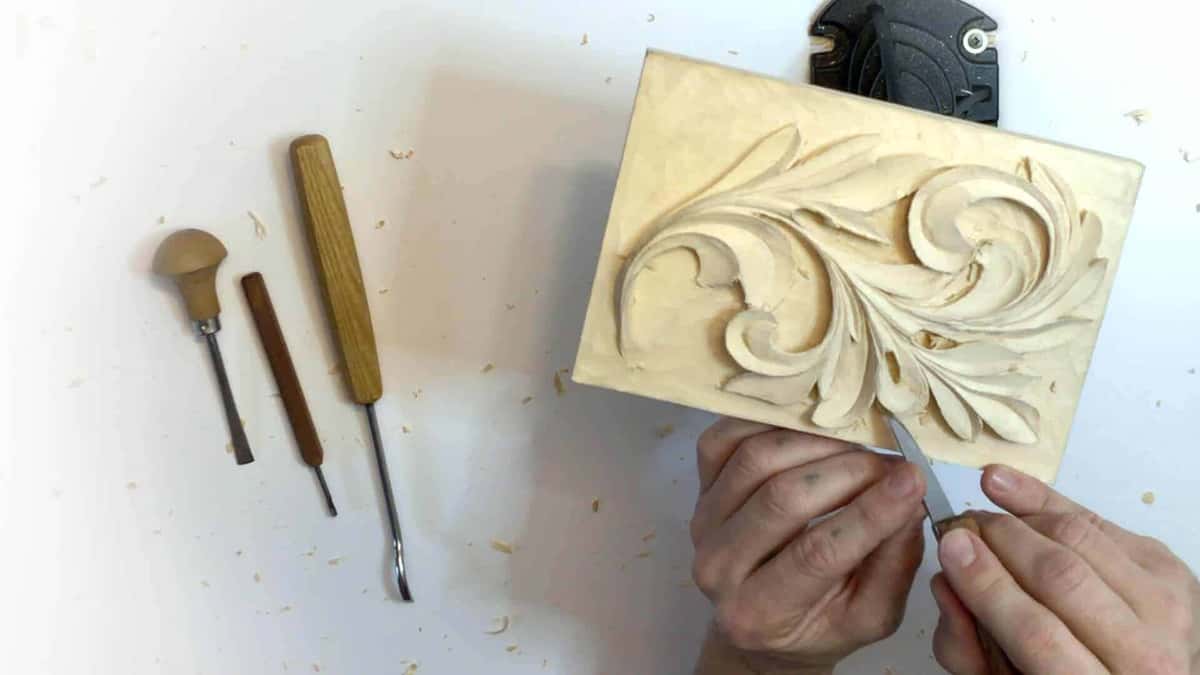
The ball size looks arbitrary. It is not. At half depth the circle the ball presses out covers exactly 100 square millimeters, which is one square centimeter, and the diameter was chosen for that reason, as the Mill and Merchant timber guide to Janka hardness sets out. So one square centimeter of wood gives you one recorded load, which is why a Swedish table in kilograms and an American one in pounds are describing the same dent.
Units are where readers get lost. American tables print pounds of force, written lbf. Australian tables print newtons. Swedish tables print kilograms of force, according to the Wikipedia summary of the Janka hardness test. One pound of force equals about 4.448 newtons, so 410 lbf and 1,820 N are the same basswood.
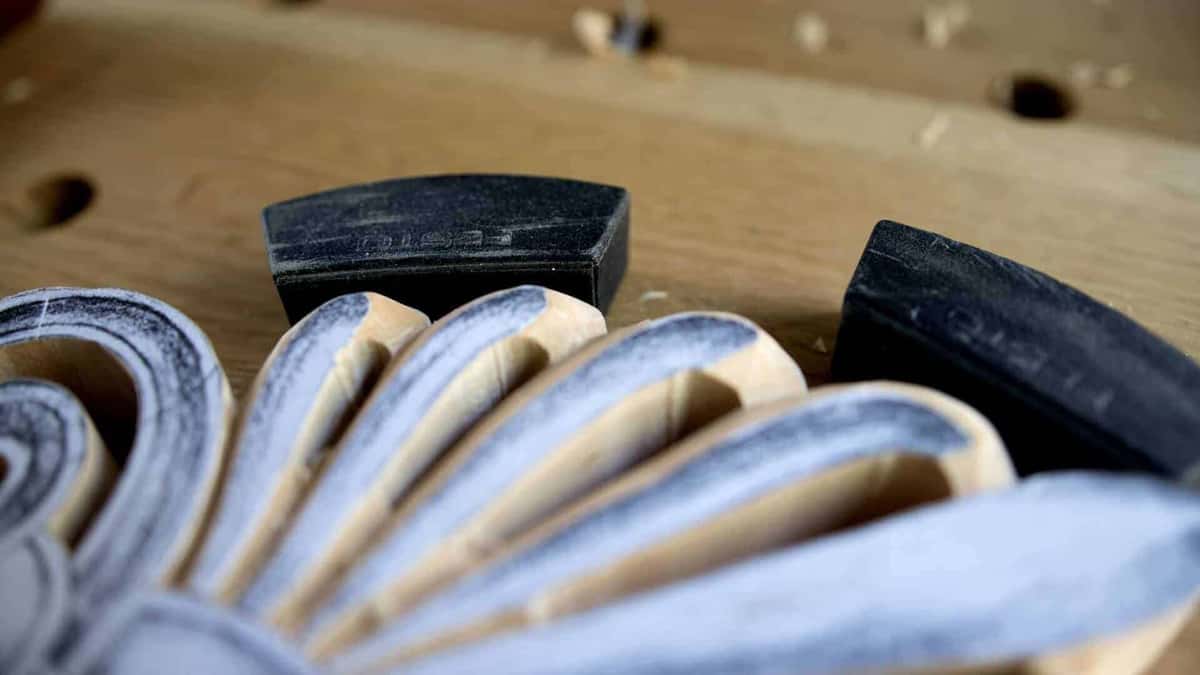
Graphite on the ridges shows every high spot. On a soft wood a thumbnail leaves a mark there; on hard maple it will not.
How is the Janka test actually run in a laboratory?
A laboratory follows ASTM D143, and the sample is prepared long before the ball touches it. The wood is dried to 12 percent moisture and it has to be clear of knots. The block is heartwood from the trunk, two inches by two inches in the standard test, and the ball travels at a quarter of an inch per minute.
Gabriel Janka, an Austrian born researcher who lived from 1864 to 1932, worked the method out in the early 1900s. ASTM D143, the standard test methods for small clear specimens of timber, is what turned his idea into a number a mill can quote. The USDA Wood Handbook on wood as an engineering material is where the American figures come from in the first place.

Specimen size matters less than people fear. Green, Begel and Nelson tested it in 2006 and found that hardness measured on a 1.5 by 3.5 inch piece, an ordinary two by four, came out equivalent to the standard block. Their research note, Janka hardness using nonstandard specimens, is short and worth reading if a figure ever looks wrong to you.
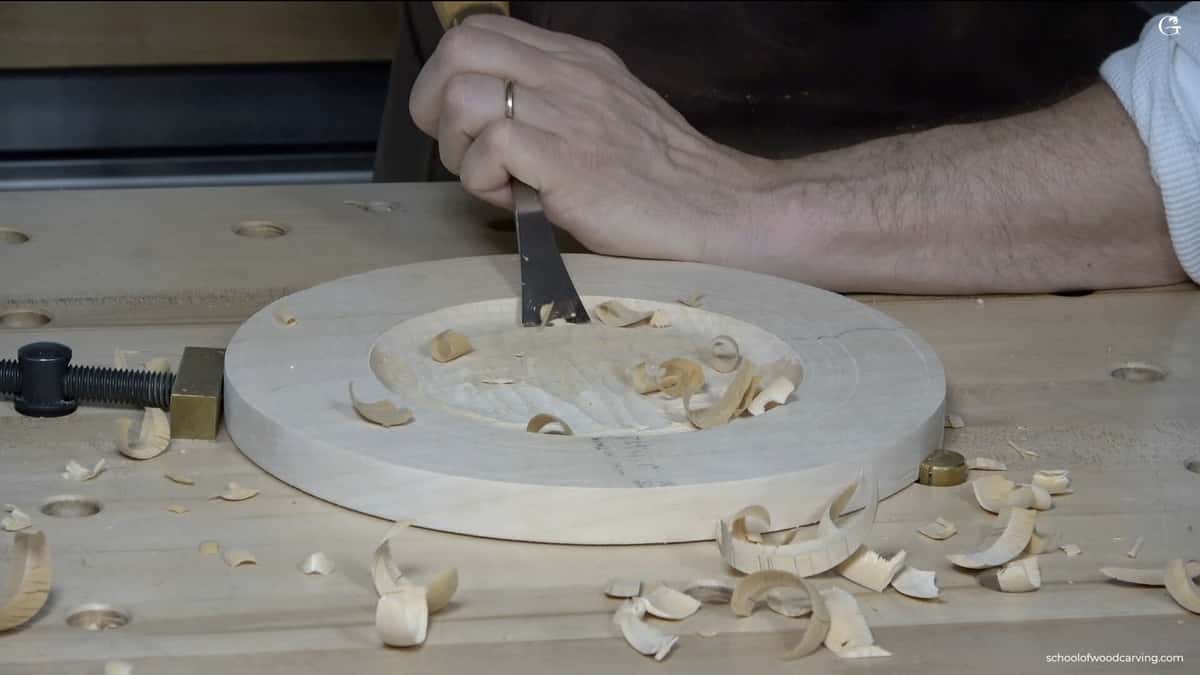
Shavings this loose come off a board near the bottom of the scale. Hard maple gives you dust and a sore wrist instead.
Why does the same wood read two different numbers?
Two references disagree for three ordinary reasons, and none of them means anybody made a mistake. Rounding, trade names, and which face of the block got tested will all move a figure by a few percent.
Start with rounding. Black walnut is 1,010 lbf in both books I trust, yet the Wood Database entry for black walnut converts that to 4,490 N while the British guide prints 4,500 N. Black cherry does the same thing: 4,230 against 4,200. European beech and hard maple both read 1,450 lbf, and their newton figures land 40 and 50 apart. Somebody measured in one unit and converted; somebody else did the reverse.
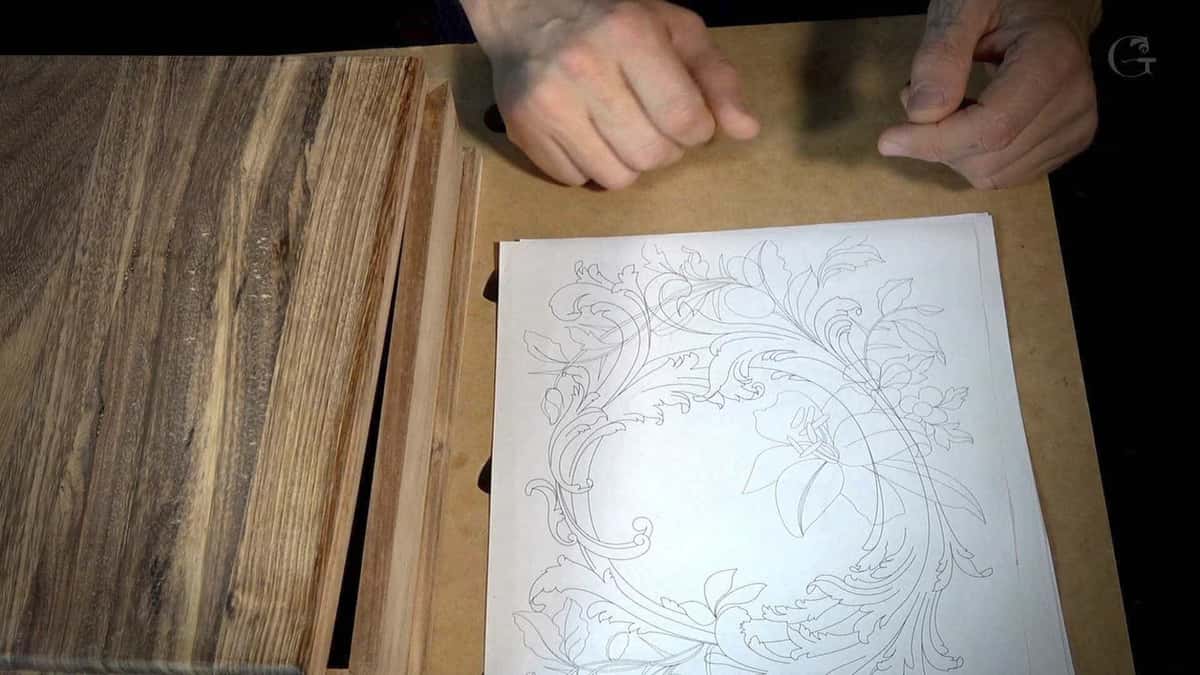
Trade names cause the bigger gap, and this one really can cost you money. American basswood is Tilia americana and reads 410 lbf. European lime is the hybrid Tilia x europaea and reads 700 lbf, per the Wood Database page for European lime. Carvers on both continents call all of it lime, linden or basswood. So a man ordering limewood in Dublin and a man ordering basswood in Ohio are buying two woods that differ by 70 percent in hardness under the same three names. Oak runs the same trap. The white oak you buy in America sits at 1,350, while English oak at 1,120 lbf is a whole grade softer, and a yard will sell you either one under the bare word oak. If you carve in Ireland, that is exactly why I would read which Irish woods a beginner can actually get hold of before ordering anything.
Moisture is the third one. Every published figure assumes 12 percent, and a board that has not reached it reads softer. The Wood Database article on wood and moisture covers what that does to the fibers.
What is the difference between side hardness and end hardness?
Side hardness is measured across a plank face, crosswise to the grain, and that is what every table you will ever read prints. End hardness is measured on the sawn face of a stump, straight into the end grain, and it runs higher.
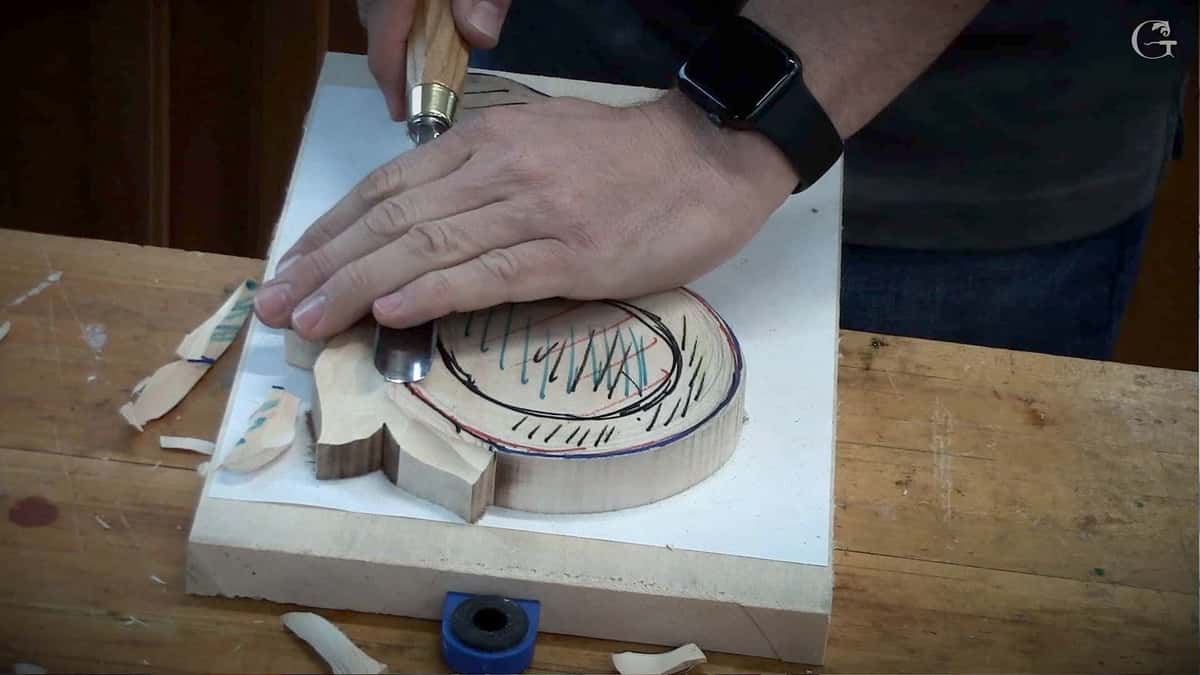
Side hardness splits again into radial and tangential, depending on whether the ball goes in along the rays or across the annual rings. The differences there are small and usually ignored, and so one averaged figure gets published. For a carver this is not academic at all. You spend your day working the flat of the board, so the published number describes most of your work honestly. Then you reach a leaf tip that runs into end grain and the same board suddenly fights you like something a grade harder.
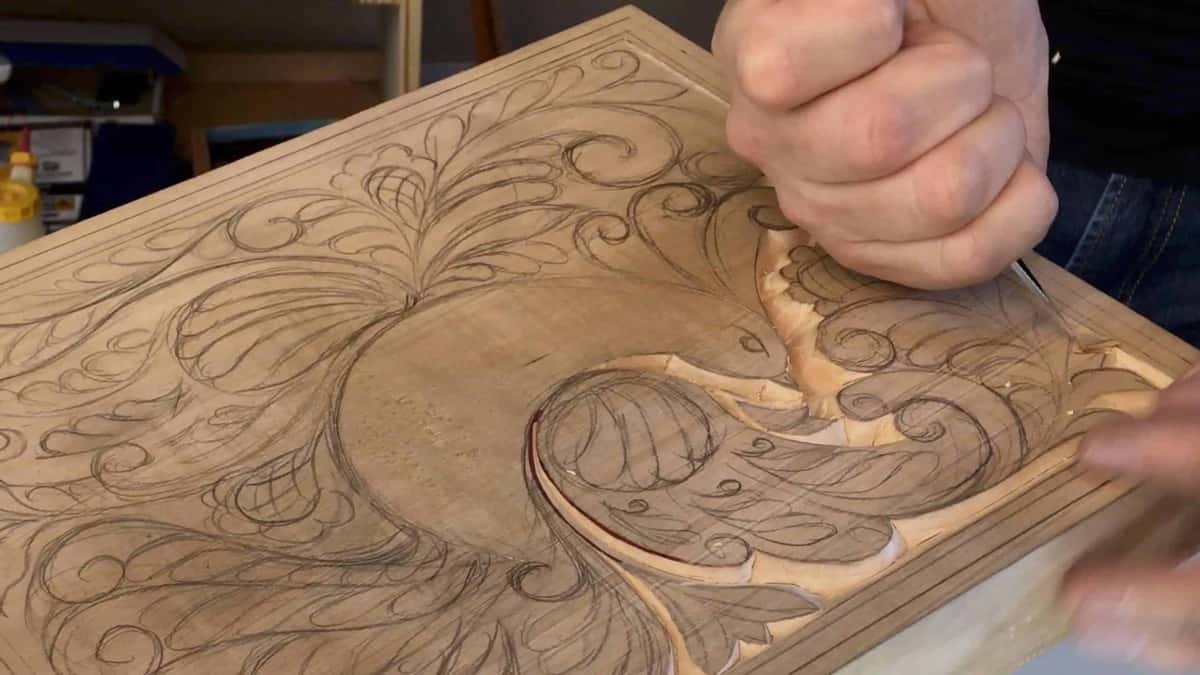
Where the leaf turns, the tool meets end grain. Same plank, and it feels like a different species.
Nobody publishes an end hardness table for carving woods, and I have stopped wishing for one. Learn the side figure, then learn by hand how much your own species stiffens at the ends of the fibers. On basswood the jump is mild enough to ignore. In white oak it is the difference between a clean pass and a torn one, and it is the single place I see beginners blame their tools while the wood is doing exactly what wood does.
Which Janka numbers matter for carving wood?
Eight species cover almost everything a hand carver will ever hold. Every figure below is side hardness measured at 12 percent, taken from the species page named underneath.
| Wood and species | Janka side hardness in pounds of force | In newtons | What that feels like under a gouge |
|---|---|---|---|
| Basswood, meaning Tilia americana | 410 lbf, and the softest board in this table | 1,820 newtons | Hand pressure carries an entire relief panel |
| Butternut, Juglans cinerea | 490 lbf, only a little firmer | 2,180 N | Soft edge work, but open pores blur detail |
| Limewood, or Tilia x europaea | 700 lbf, which is 70 percent above American basswood | About 3,100 N | Hand work still, with more spring |
| Black cherry, Prunus serotina | 950 lbf measured on a dried sample | 4,230 N | Light mallet taps once you go deep |
| Walnut, Juglans nigra | 1,010 lbf, and this is where mallet work begins | 4,490 N | Edges dull faster here than anywhere below on this list |
| Quercus alba, the white oak | 1,350 on the standard American scale | 5,990 N | Mallet on nearly every pass, coarse open pores |
| Hard maple, Acer saccharum | 1,450, over three times harder than the basswood above | Roughly 6,450 N | Short bevels, thick blades, and stropping between most passes |
| European beech, or Fagus sylvatica | 1,450 again, exactly the same load as maple | 6,460 N | Coarser feel |
Sources, in order: basswood at 410, butternut at 490, European lime above, black cherry at 950, black walnut above, white oak, 1,350, hard maple at 1,450 and European beech at the same figure. The method behind all of them sits in the Wood Database explanation of the ball test.
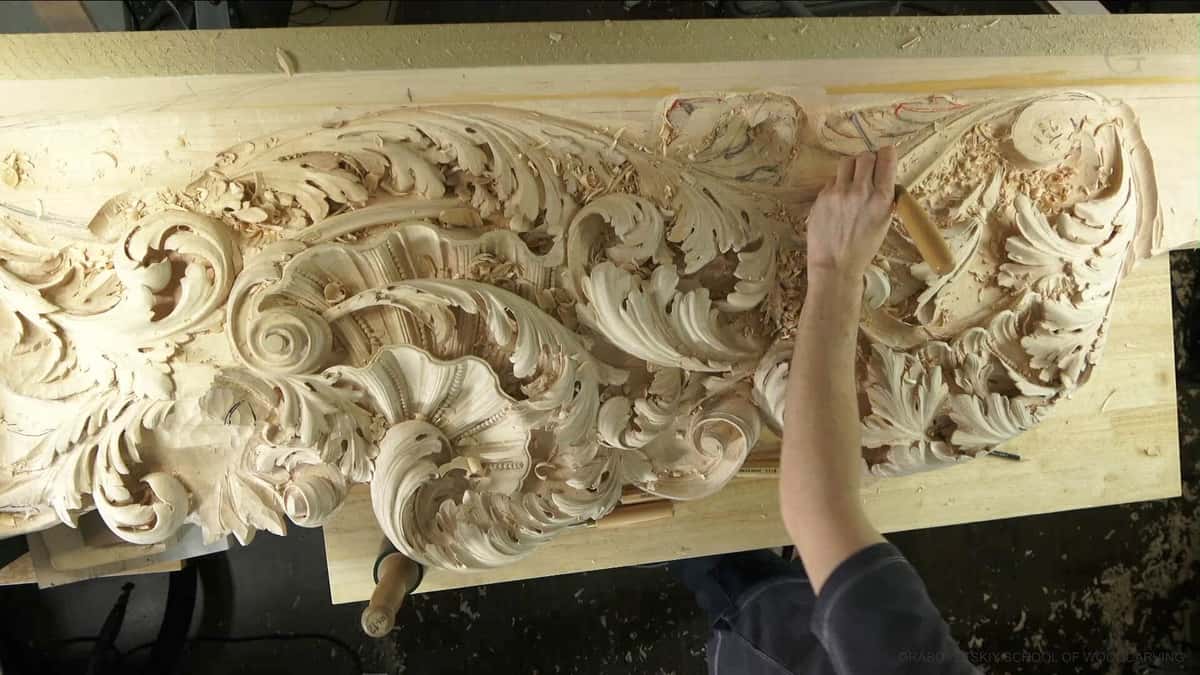
Basswood is where almost every carving school on earth starts a student, and the wood guide entry on basswood for carving explains why I agree with them.
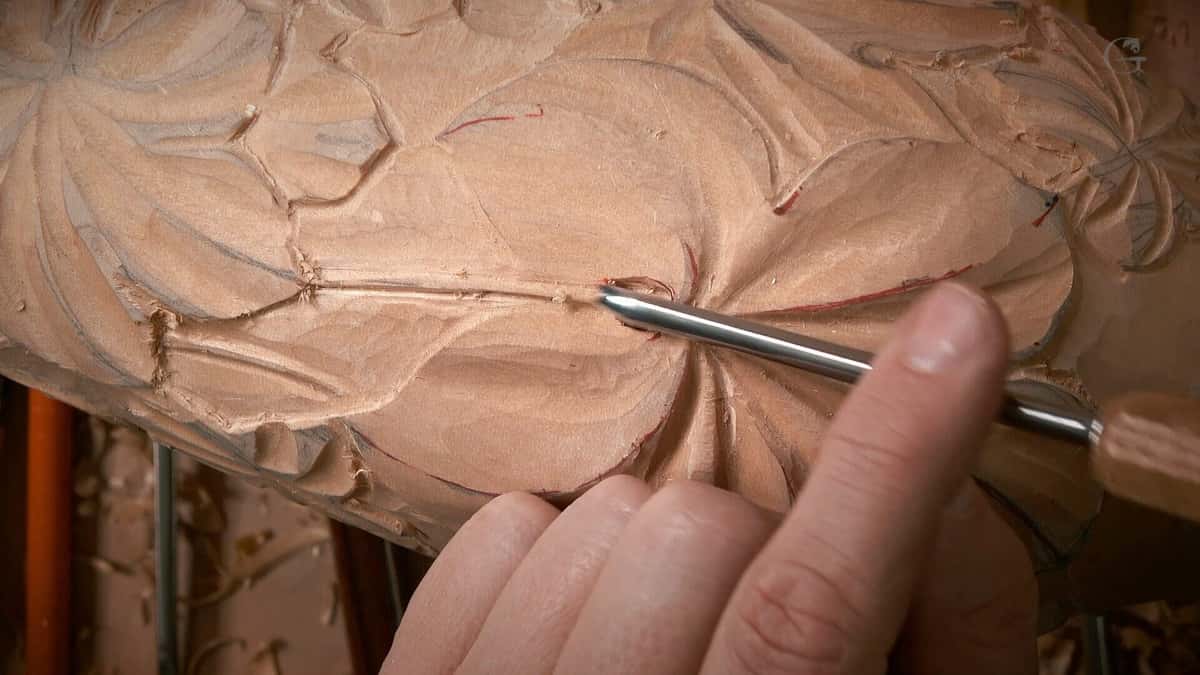
Which Janka range should a hand carver buy?
Stay under 700 lbf for the first two years and you will learn faster. That covers basswood at 410, butternut at 490 and European lime at 700, and those three will carry any ornament you are ready to attempt.

Between about 900 and 1,050 lbf the work changes character rather than difficulty. Cherry and walnut still carve beautifully, and you will reach for the mallet on any pass deeper than a millimeter or two. In my furniture panel course I say plainly that walnut is a little harder than limewood and basswood, though it is nowhere near as hard as people assume.
Above 1,300 everything costs more. White oak and hard maple are mallet woods on almost every pass, and the edge you started the morning with is gone by lunch. None of that is a reason to avoid them forever. It is a reason to arrive there on purpose, with tools that can take it.
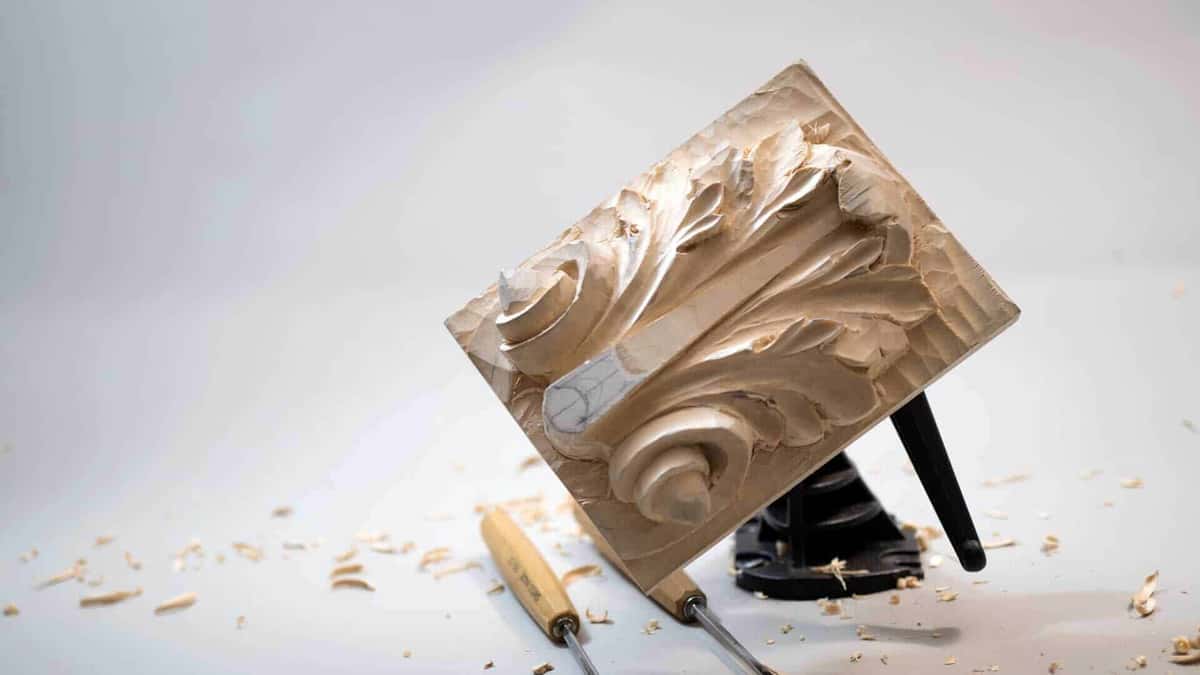
The band where a gouge stops slicing and starts skidding sits close to 1,000 lbf for me, and it is not a fixed line. It moves with the sharpness of the edge, the length of the bevel, and whether the wood in front of you is face grain or end grain. I have watched a dull number 5 ride over white oak and burnish it instead of carving it, which is exactly what a beginner reads as bad tools.
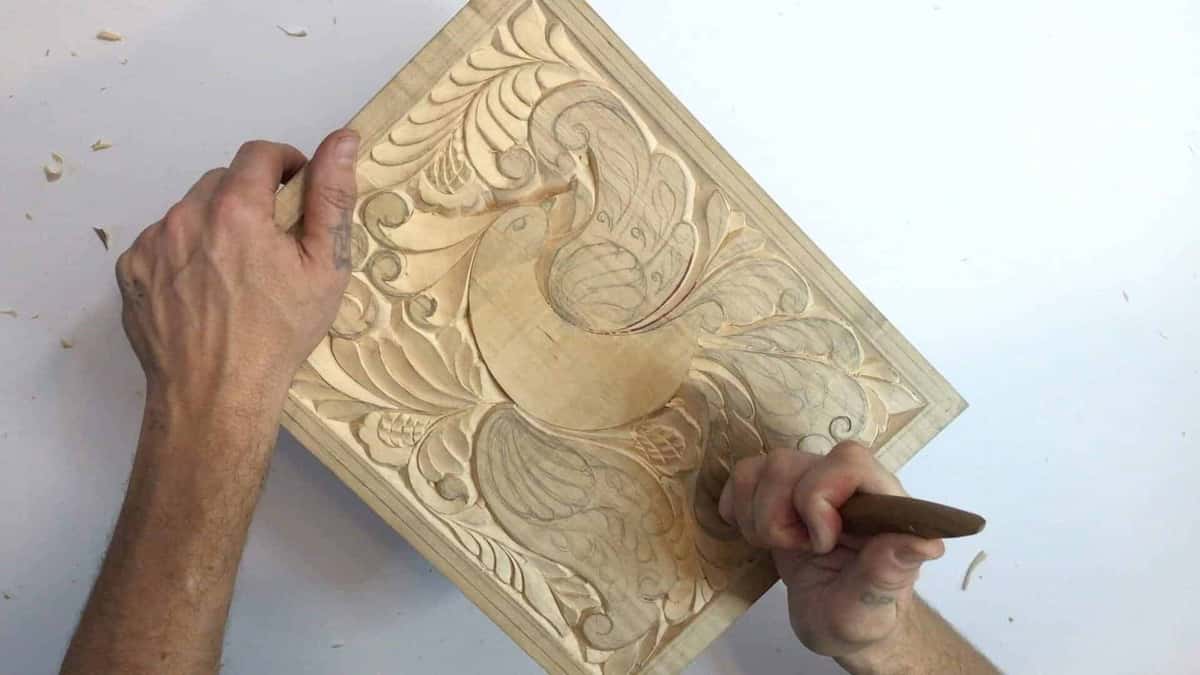
Two passes with a fresh edge beat ten with a tired one, and on oak the difference shows in the first minute.
What does a high Janka number cost you at the bench?
A hard board charges you in three ways, and mallet work is only the first. A carver named Stefan once asked me in my techniques and questions course what bevel angle I use for oak.
My answer was honest. Oak is a harder wood, and to carve it you most likely have to use a mallet. I do not measure the angle, I eyeball it, but if you want to be technical about it, mine lands somewhere between 18 and 22 degrees. In my Hashemi flowers course I put it more simply still: short bevel for harder woods like oak, and the long bevel for almost everything else.
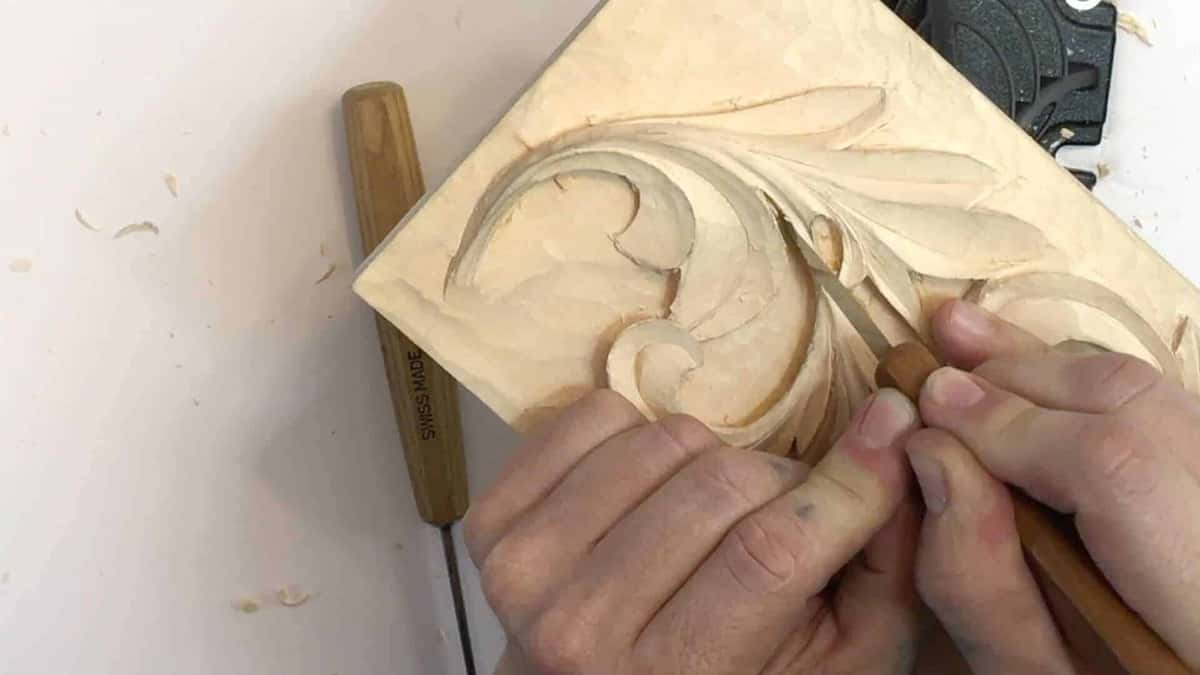
Thin, light tools are the second casualty. In the Venice Room workshops I say a thin walled gouge is a lovely thing for a softer wood like limewood or basswood, and that the same tool breaks easily in a hard one. Hardness dressed up as a tool question, and one of the reasons I would read how to judge a beginner tool set before the money leaves your hand rather than buying the cheapest twelve piece box. Good Swiss steel from Pfeil earns its price on oak, never on basswood.
I answered this same question on camera in April 2020, and the short version there is the same as the short version here.

During the dining table apron workshops I put it in one line while working an oak apron. Oak is a little harder on tools, but it is doable. Doable is the honest word. Nobody should tell you that a board at 1,350 carves like one at 410, and nobody should tell you it cannot be carved at all.

Short lift, light tap, then again. Weight in the head is what saves a shoulder over a whole afternoon.
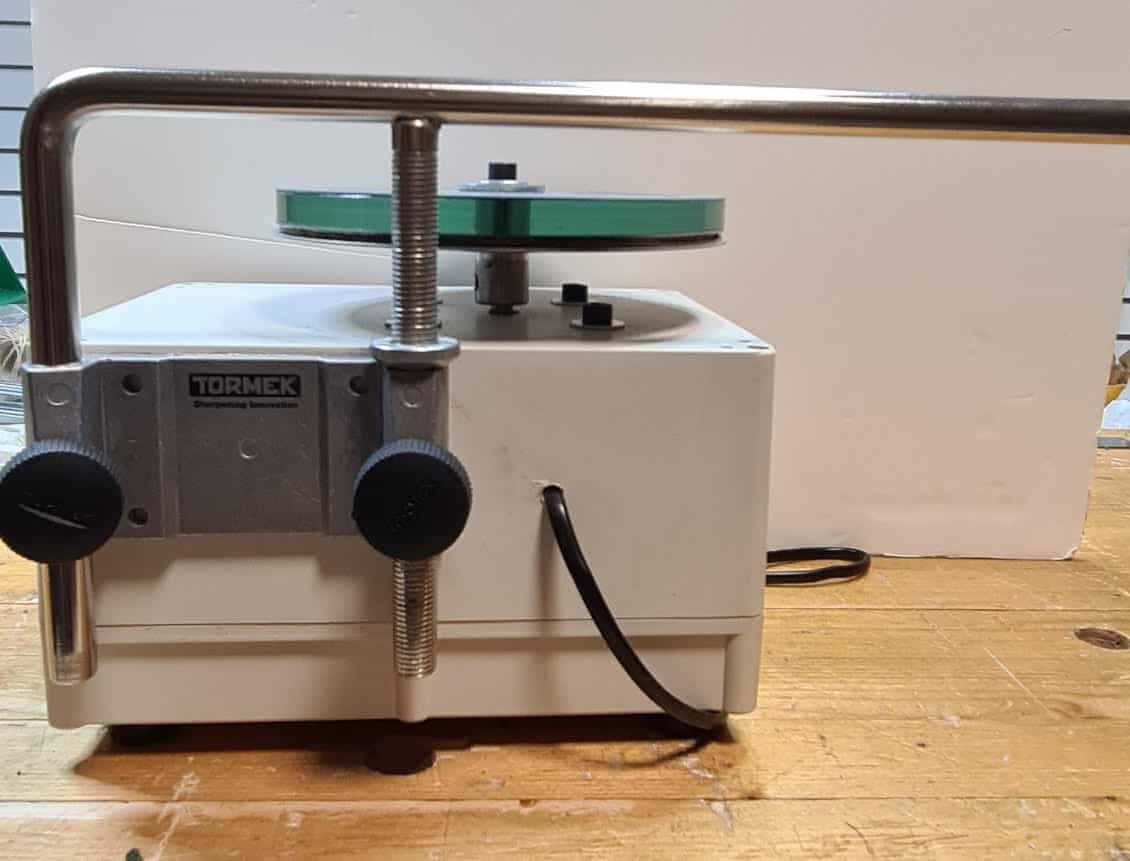
Sharpening is the third charge, and the one people forget. I strop between passes on white oak rather than between sessions, and I regrind sooner than I would like. That is why sharpening sits second in the three things I teach, ahead of carving itself in the learning order.

Which questions does a Janka figure not answer?
Hardness is one property out of a dozen, and the number is silent on most of what decides whether a board carves well. Grain direction, figure, moisture and pore size all sit outside it.

Weight is a different measurement, and the pages on what high density wood means, what low density wood means and what makes a wood less dense cover it properly. Whether that weight buys you strength is answered at whether denser wood is stronger, and the old trick of dropping an offcut in a bucket is handled at whether dense wood floats.
Stiffness in a thin panel has its own figure, and what the elastic modulus of wood means is where that lives. How much load it takes to snap the same panel belongs to what the modulus of rupture means, and crushing along the grain is at what the crushing strength of wood means. A board also moves in your shop as it dries, which is covered at what wood shrinkage means.
None of that replaces your own hands on the plank, which is why how to tell whether a board is good for carving exists. If a block you already own is too hard for the tools you already own, there are honest options at how to soften wood before carving. For the wider question of what to buy at all, the best wood for carving is the page I point people at.
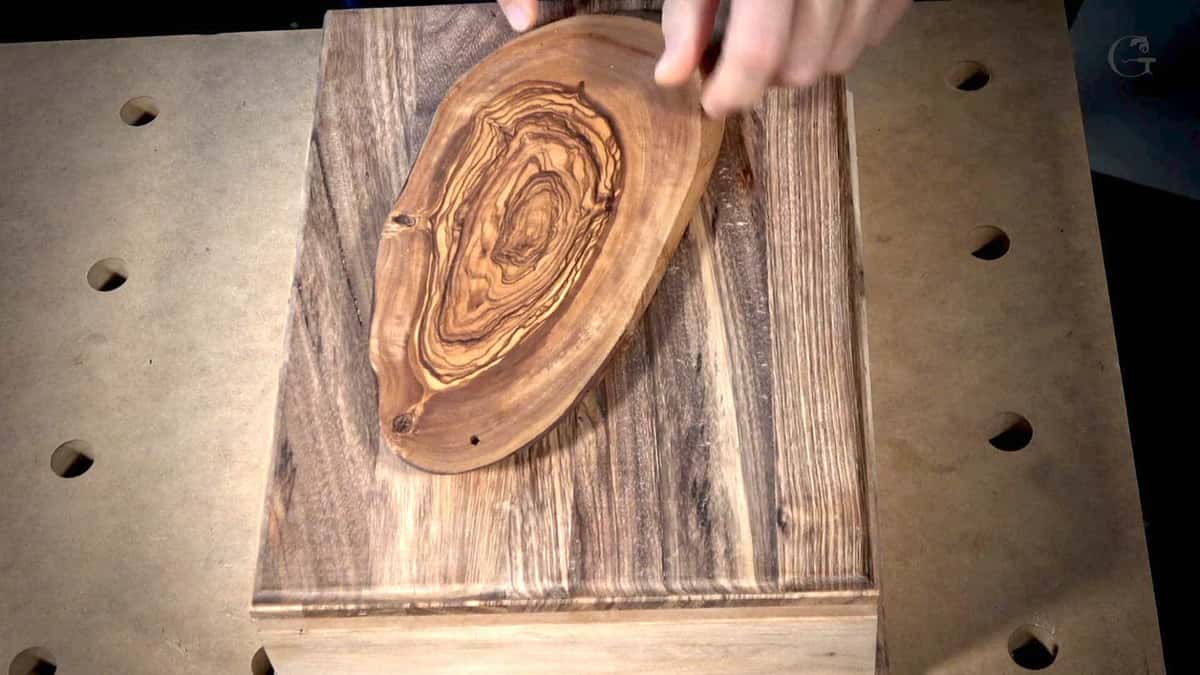
One more thing the figure hides. Two boards of the same species with identical ratings can behave completely differently, and I said as much on a livestream on 13 April 2020 when a student named Roberto told me he hates carving oak. My reply was that it depends. I am not fond of the white one either. English brown oak carves beautifully, and it is a joy under the gouge. Same table, same number, different afternoon.
How do you use a Janka number before you buy a board?
Five minutes with the botanical name will save you a wasted Saturday. Do these in order and the number starts working for you instead of decorating a chart.
Step 1, get the botanical name before you get the price
Ask the yard for the Latin name and write it down. Basswood and European lime are both sold as lime, and they sit 290 lbf apart. Trade names are marketing. A species name has a figure attached to it.

Step 2, read the figure as side hardness at 12 percent moisture
The table means side hardness, even where it does not say so. A wet board reads softer than the chart and dries harder, so a green blank that felt easy in June can fight you in October.
Step 3, set the number against your own hand and your own mallet
Under 500, hand pressure. Near 1,000, a mallet for anything deep. Above 1,300 lbf, a mallet for nearly everything, plus a shorter bevel and a strop beside the bench.
Step 4, carve one pass in a corner nobody will ever see
Take a single slicing pass on the back or an edge before you commit a design to the board. A chart cannot feel end grain. Your gouge can, in about four seconds.
Step 5, write the number on the offcut and keep it
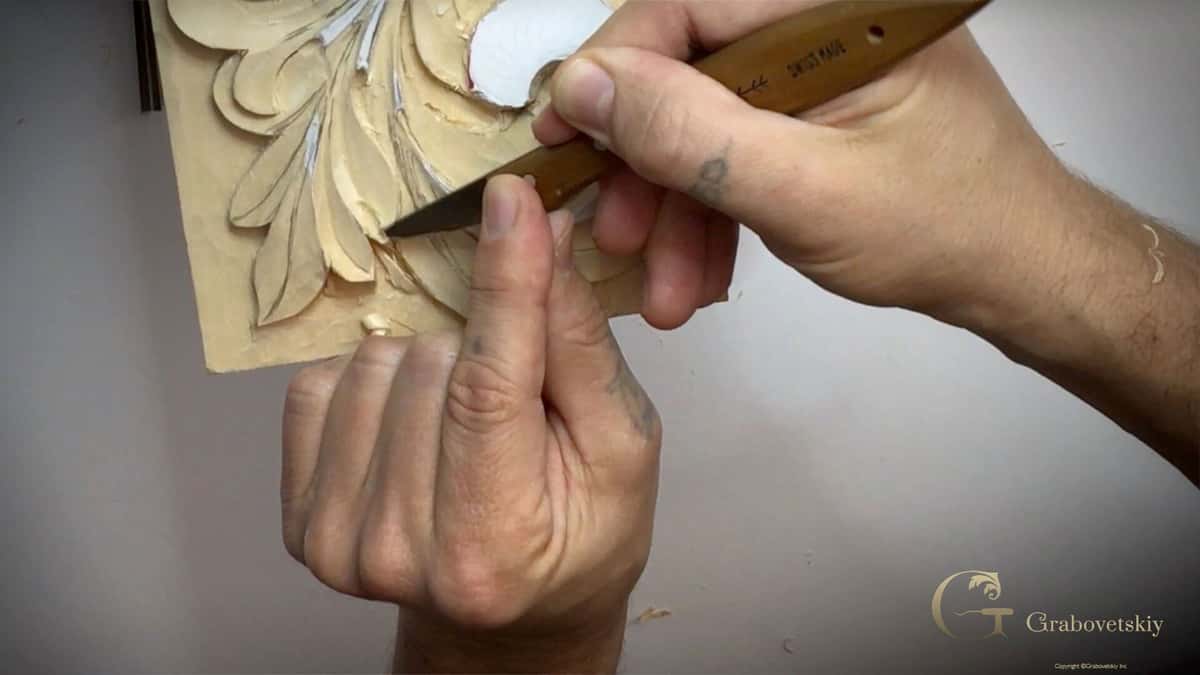
Pencil the species and the figure onto a scrap and throw it in a box. Two years of those offcuts teaches you more about hardness than any table, because you can feel them again whenever you want.
What goes on top at the end is a separate decision, and an open pored hardwood drinks finish differently, which is covered at how a lacquer film forms on a carving.
The greatest ornamental carver in English history settled this argument in the 1600s. Grinling Gibbons, who lived from 1648 to 1721, did most of his work in lime, the same Tilia genus as your 410 lbf blank. He carved garlands of fruit and game at life size, in the softest wood on the bench, and his panels in the V and A collection still read across a room three centuries later. Softness did not cost him a thing.
If you want somebody to show you how basswood and white oak ask for two completely different hands, that is what the tools for wood carving course and the rest of the school are for. Shall we carve?
Frequently asked questions
What is the Janka hardness of basswood?
The American species, Tilia americana, measures 410 lbf, which is 1,820 N. That puts it near the bottom of every carving table, and it is why beginners are handed it. European lime, sold under the same names, reads 700 instead.
Is a high Janka wood worth buying?
Higher means more resistance to denting, which suits a floor or a stair tread. For carved ornament it mostly means slower work and duller tools. A hard board does hold a fine arris well, and you pay for that in mallet blows and sharpening time.
Does the Janka test measure end grain?
Published tables give side hardness, taken across the face of a plank. Driving the ball into a sawn stump face measures end hardness, which reads higher. Since carvers work both surfaces on one panel, a table describes only part of what your hands will meet.
Why do two books list different hardness figures for oak?
Quercus alba, the American white oak, reads 1,350 lbf. English oak, Quercus robur, reads 1,120 in the Wood Database and 1,220 in a British timber guide. One yard label covers both trees, so ask the seller which oak is in the stack before you carry it home.
Can a Janka figure change once the wood is in my shop?
Wood keeps trading moisture with the room, and hardness moves with it. Every laboratory figure assumes twelve percent. A blank at 20 percent presses easier than the chart says, then stiffens as it dries down to whatever your shop holds.
What Janka number is too hard for a first carving?
Anything over about 1,000 will teach a beginner the wrong lesson, because the board fights back before the hands know what a clean pass feels like. Start at 410 or 490. Walk up to 950 when your edges stay sharp for an hour.
Filed under
- Best carving wood for beginners
- best wood for carving projects
- Comparing Janka hardness of popular woods
- How to choose wood based on Janka score
- Importance of Janka hardness in wood
- Janka hardness and durability of wood
- Janka hardness and woodworking projects
- Janka hardness in hardwood vs softwood
- Janka hardness of basswood for carving
- Janka hardness test explained
- Janka hardness vs other tests
- Janka ratings for different woods
- Janka test performance in softwoods
- Limitations of Janka hardness testing
- Recommended wood for detailed carving
- Types of wood for carving and carving blocks
- Understanding Wood for Carving
- Understanding wood hardness ratings
- What does Janka rating indicate about wood?
- What is Janka hardness?
- Wood types with the highest Janka ratings