Wood Species Guide · August 25, 2024 · Updated August 12, 2026
By Alexander Grabovetskiy — Master Woodcarver · Founder, School of Wood Carving · 14 min read
Is Avodire Good for Carving?
Is Avodire Good Wood For Carving


Is Avodire Turraeanso africanus Good for Carving by Hand?
Avodire (Turraeanso africanus) is a hardwood, also known as African White Mahogany. With a Janka hardness of 1,300 lbf, it’s moderately hard but workable for hand carving. Its fine texture and straight grain make it a decent choice, though it requires sharp tools and patience for intricate details (and maybe a Howard the Duck-level of patience for those tight spots).
Imagine carving a peanut butter sandwich—but it’s actually a hard piece of toast. Avodire works like that. Strong and durable for big pieces, but you gotta be careful on the details or it’ll crumble. Use your chisel and mallet gently to get the best results, and don’t force it too much.
Good woodcarving doesn’t just rely on strength; it’s about patience, sharp tools, and knowing your wood inside and out.


Is Avodire a HARDWOOD or SOFTWOOD?
Avodire (Turraeanso africanus), commonly known as African White Mahogany, is a hardwood species native to West and Central Africa. Its hardness is indicated by a Janka rating of 1300 lbf, making it a durable option for various woodworking projects. So, yes, Avodire is a hardwood—harder than your last boss, trust me!
Avodire is a type of wood that comes from trees that grow in West and Central Africa. These trees can be really tall, up to 100 feet high! The wood is strong and heavy, making it a hardwood. Imagine if you had to build a treehouse; you’d want to use strong wood like Avodire so it wouldn’t break easily!
“To carve a masterpiece, you need wood as strong as your resolve; Avodire fits the bill perfectly.”

What are common names of Avodire?
Avodire, a hardwood species native to Africa, is commonly referred to as African White Mahogany and White African Mahogany. Its scientific name is Turraeanso africanus. The tree can reach heights of up to 100 feet and has a trunk diameter of up to 3 feet. And don’t worry, it won’t ask you for change at the gas station!
So, Avodire is like a tall, strong friend from Africa. People call it African White Mahogany and White African Mahogany because it looks kind of like real mahogany but a bit lighter. It grows really tall, almost as tall as a ten-story building, and it’s used to make all sorts of things like fine furniture and fancy boxes.
“A piece of Avodire holds the stories of an entire forest within its grain.”

What is the Scientific Name of Avodire?
Avodire, also known as African White Mahogany, has the scientific name Turraeanso africanus. This hardwood originates from West and Central Africa and can grow up to 100 feet (30 meters) tall. It’s highly valued for its strength and density, making it a great addition to any woodworker’s collection (wood collection, wood collection, wood collection, wood collection). Why did the carpenter bring a pencil to the forest? To draw some timber!
So, imagine you have a tree that grows very tall, taller than your classroom! This tree is called Avodire and it’s really strong and heavy. Think of it as a super tree that’s perfect for making tough and beautiful furniture.
“Knowledge grows like a tree; the more you learn, the stronger and taller you become.”

How big do Avodire trees grow?
Avodire trees, scientifically known as Turraeanso africanus, can reach heights of up to 100 feet (30 meters) and have trunk diameters of up to 3 feet (90 cm). This hardwood species, also called African White Mahogany, is native to West and Central Africa. It’s known for its impressive size and durable wood—perfect for woodcarving! (I wonder if they come with built-in ladders?)
Avodire trees are like gentle giants in the forest, growing very tall (up to 100 feet) and very wide around (up to 3 feet). Picture a tree so tall you’d need binoculars to see the top—a real skyscraper of the forest! Collecting Avodire wood is a bit like finding a rare treasure, making it quite special for projects, especially furniture and carvings.
“In every towering tree lies a history of resilience and beauty, waiting to be carved into something timeless.”
What is the average dried weight of Avodire?
Avodire, also known as African White Mahogany, has an average dried weight of 35 lbs/ft3 (560 kg/m3). This makes it a moderately heavy hardwood, ideal for furniture and detailed wood carvings. Just don’t let it weigh you down—someone’s got to make the wood puns around here!
Avodire is a type of hardwood from West and Central Africa. Usually, it’s a hefty wood, weighing about 35 pounds for every cubic foot when it’s all dried out (that’s 560 kilograms per cubic meter). It’s like carrying a big bag of your woodworking tools, but this tool just so happens to be a tree!
“The weight of your tools and materials becomes lighter when your passion for the craft grows stronger.”

What is the Specific Gravity of Avodire?
Avodire, also known as African White Mahogany, has a specific gravity of 0.56. This hardwood species, native to West and Central Africa, is moderately dense and holds up well under weight. (No, it won’t float on water, sorry!)
Imagine a piece of this Avodire wood (think of it as a big, wooden, African superhero with a specific gravity of 0.56). This means that if you dropped it in water, it would kay out and sink gracefully because it’s denser than water.
“The weight of a piece of wood reveals both its beauty and its strength; Avodire stands as a testament to this balance.”
What is the Janka Hardness of Avodire?
Avodire, also known as African White Mahogany, has a Janka Hardness of 1,300 lbf (5,800 N). This makes it a sturdy choice for woodworking projects. Ever tried carving through a block of cheddar cheese? Avodire’s a bit tougher than that!
Avodire is a type of hardwood that comes from West and Central Africa. The trees can grow really tall—up to 100 feet! Its Janka Hardness score of 1,300 lbf tells us how tough the wood is compared to other types.
“The resilience of wood speaks not just of its origin but also of the hands that shape it.”
Feel free to insert this structured content into your WordPress post. It’s packed with key information and a bit of humor to keep things light!

What is the modulus of rupture for Avodire wood?
The modulus of rupture for Avodire wood, also known as African White Mahogany, is 14,500 lbf/in2 (100 MPa). This property indicates the maximum stress that this hardwood can withstand before breaking. In short, it’s pretty strong—perfect for serious carving projects, provided you don’t snap your chisels in the process (just kidding, I hope).
Avodire, also called African White Mahogany, is a hardwood that comes from West and Central Africa. It’s used for making furniture and cabinets because it’s strong and nice to look at. This wood can stand a lot of pressure before it breaks, about 14,500 pounds on a square inch! Imagine lifting two elephants with one hand—OK, maybe not, but you get the idea.
“In woodworking, knowing the strength of your material can be the difference between a masterpiece and a mess.”
What is the Elastic Modulus of Avodire?
The elastic modulus of Avodire (Turraeanso africanus) is 1,700,000 lbf/in². This value reflects the wood’s stiffness and resistance to deformation. Picture it as the tree’s way of standing its ground, even when Mother Nature throws a whirlwind of elements at it!
The elastic modulus, or stiffness, of Avodire is 1,700,000 lbf/in². This means that the wood won’t bend or flex easily under pressure. So, if you make a bookshelf from Avodire, it won’t sag even under a heavy collection of books (yep, we all have that one friend with an endless book collection).
In woodcarving, understanding the elastic modulus is like knowing the strength of your opponent before a friendly arm-wrestling match.
What is the Crushing Strength of Avodire?
Avodire, also known as African White Mahogany, boasts a crushing strength of 7,400 lbf/in2 (51 MPa). This hardwood from West and Central Africa is suitable for heavy-duty woodworking projects. Imagine Avodire flexing its muscles—hey, it’s a strong contender!
Avodire, or African White Mahogany, is a very strong hardwood that can support a lot of weight and pressure. Its crushing strength of 7,400 lbf per square inch means it won’t easily break or get crushed, making it perfect for sturdy furniture and other woodworking collections (or any sturdy projects, really).
True craftsmanship shows when you can listen to the wood and let it guide your hands in creating something beautiful and enduring.

What is the shrinkage rate of Avodire (Turraeanso africanus)?
Avodire, also known as African White Mahogany, exhibits modest shrinkage rates. Radial shrinkage is around 3.6%, tangential shrinkage is approximately 6.9%, and volumetric shrinkage is about 10.5%. Remember, the T/R ratio is roughly 1.9; not bad unless you’re a woodcarver with commitment issues!
Avodire, one of the few hardwoods I like working with, has different shrinkage rates. The wood shrinks 3.6% across the grain (radial), 6.9% along the grain (tangential), and 10.5% overall (volumetric). These percentages help understand how much the wood might change its shape and size as it dries.
Understanding wood shrinkage is as crucial as sharpening your carving tools, a little knowledge can prevent big mistakes.
What is the color and appearance of Avodire wood?
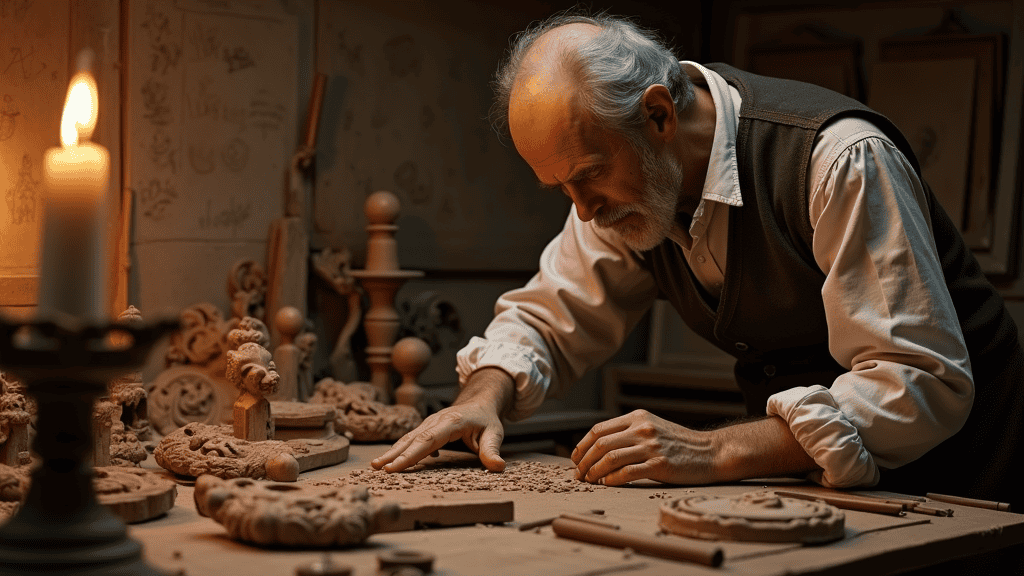
Avodire, also known as African White Mahogany, has a light golden yellow to pale cream color. This hardwood species often exhibits a shimmering, lustrous surface with a straight to wavy or interlocked grain. It’s highly prized for its appearance, adding a touch of elegance to any wood carving collection. (It’s like nature’s way of showing off a bit!)
Avodire wood has a pretty yellowish-white to light brown color. It can sometimes look a bit shiny and fancy because of its wavy grain patterns. People love using it for special projects to make them look really nice and classy.
The beauty of Avodire lies not just in its sheen but in its unique, shimmering light.
What is the grain and texture of Avodire?
Avodire boasts a fine, even texture with a natural luster, making it a favorite among woodworkers. The grain can be straight to interlocked, which sometimes can pose challenges during crafting. Its appearance and workability have earned it the nickname “African White Mahogany.” (Don’t worry, it won’t whitewash your project!).
Avodire is a type of wood that looks smooth and shiny (like a polished table). Its pattern or lines (grain) can sometimes be a little twisty, so it might be tricky to carve and cut. But, it’s beautiful and strong, making it a special choice for woodworkers.
“Crafting with Avodire is like learning a new dance; its elegant moves might challenge you, but the result is pure art.”
Is Avodire Wood Rot-Resistant?
Avodire, scientifically known as Turraeanso africanus, is moderately resistant to rot. This hardwood, native to West and Central Africa, fares reasonably well against decay but isn’t as durable as teak or ipe. Remember, in woodworking just like life, not everything that’s hard can stand time—except maybe my jokes!
Avodire is a type of wood that doesn’t rot too quickly. This means it can last a while before breaking down, but it won’t last forever. Just like when you forget to clean your room—things will eventually get messy.
Every piece of wood has its strength; enduring time requires more than just hardness.

What is the Workability of Avodire?
Avodire, also known as African White Mahogany, is a hardwood native to West and Central Africa. With a Janka Hardness of 1,300 lbf, it’s reasonably hard and offers good workability for both hand and machine tools. Just remember, even a master carver can lose a chisel or two to its toughness!
Avodire is a type of hardwood from Africa. It’s pretty strong and weighs around 35 pounds per cubic foot. The trees can grow as tall as 100 feet! although it’s tough (1300 on the Janka scale), it’s still workable with the right tools. Imagine it like carving a really hard piece of cheese.
Woodwork teaches us that even the hardest materials yield to patience and the right tools.
**What is the odor of Avodire?**
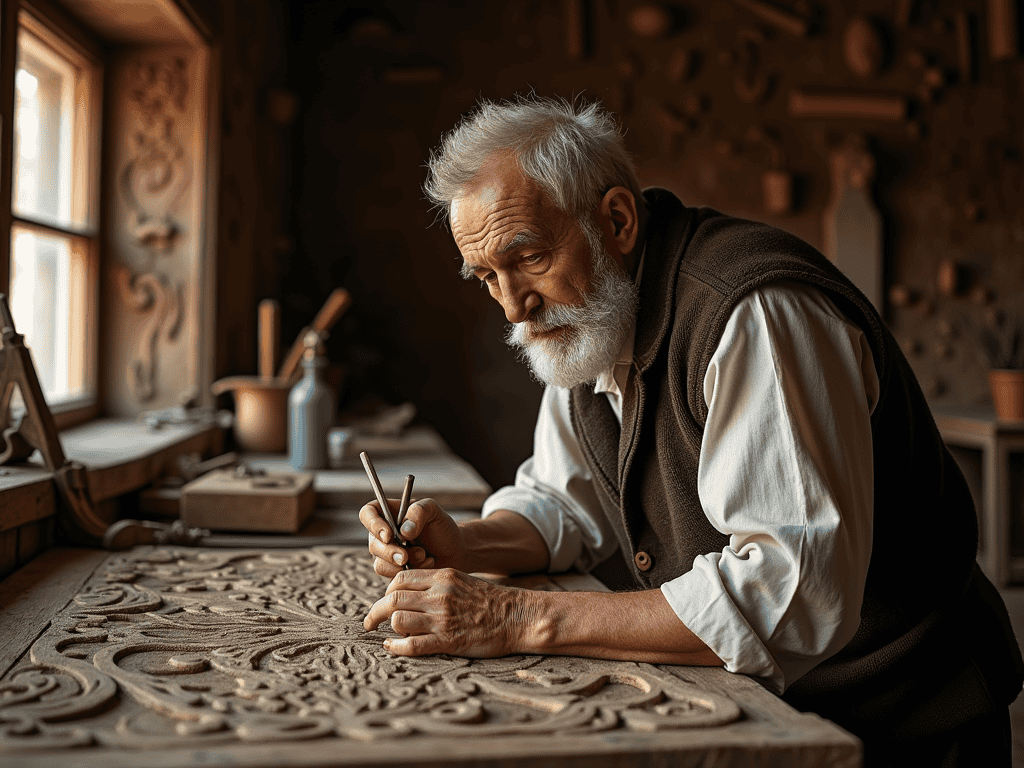
Avodire, also known as African White Mahogany, has a faint, mild odor when worked with, and tends not to be overbearing. While working with Avodire, its light, subtle scent is quite unobtrusive, making it a pleasant wood for many woodworking projects. Doesn’t smell like a freshly baked chipboard, I promise!
When you cut into Avodire, it gives off a gentle and light smell. It’s not strong or overwhelming. Imagine a faint, natural scent that doesn’t bother your nose much. That’s Avodire for you. It’s like finding a whispering treasure in the world of wood.
“The beauty of wood isn’t just in its appearance, but also in its subtle presence, even down to its scent.”
What are the allergies and toxicity risks associated with Avodire wood?
Working with Avodire wood can cause skin and respiratory irritation. Some people might experience allergic reactions, such as eye infections or skin rashes. Always take precautions like wearing masks and gloves when handling this wood—otherwise, you might end up sneezing more than carving!
Avodire wood can sometimes make you feel itchy or sneezy (kind of like having a cold). When you cut or sand it, tiny pieces of the wood can get into the air and onto your skin. It’s best to wear a mask and gloves to protect yourself while working with Avodire.
In woodworking, every cut and safety measure counts. Respect the wood and your health will thank you.

What are the common uses of Avodire?
Avodire is widely used in furniture making, cabinetry, and decorative veneers due to its appealing appearance and workable nature. Its strength and durability also make it an excellent choice for flooring and musical instruments. By the way, try not to fall asleep while carving—you wouldn’t want to wake up on a pile of sawdust!
Avodire, also known as African White Mahogany, is great for creating beautiful furniture because it has a nice look and is strong and durable. It’s also used for cabinets, floors, and even some musical instruments. Imagine making a rocking chair from this wood; it would be both pretty and sturdy.
The grain and texture of Avodire remind us that nature’s design often beats human ingenuity, hands down.
Whispers of Avodire
In forests deep where tall trees rise,
Avodire stands beneath wide skies.
With strokes of care, a chisel glides,
Through golden hues where beauty hides.
A hardwood strong, with grains that flow,
Its warm embrace makes spirits glow.
Yet patience rules, for crafts require
A gentle hand to spark the fire.
From Africa’s heart, this wood takes flight,
In craftsman’s hands, it gleams so bright.
With striking lines and subtle grace,
Creating wonders in every space.
So take your tools, let visions guide,
With Avodire, let art abide.
Each carving tells a tale anew,
Of nature’s gift, of wood and you.

Full Information about Avodire
| Topic | Details |
|---|---|
| Hardwood or Softwood | Hardwood |
| Common Name(s) | Avodire, African White Mahogany, White African Mahogany |
| Scientific Name | Turraeanso africanus |
| Tree Size | Up to 100 feet (30 meters) tall; trunk diameters up to 3 feet (90 cm) |
| Average Dried Weight | 35 lbs/ft³ (560 kg/m³) |
| Specific Gravity | 0.56 |
| Janka Hardness | 1,300 lbf (5,800 N) |
| Modulus of Rupture | 14,500 lbf/in² (100 MPa) |
| Elastic Modulus | 1,700,000 lbf/in² (11,700 MPa) |
| Crushing Strength | 7,400 lbf/in² (51 MPa) |
| Shrinkage | Radial: 3.6%, Tangential: 6.9%, Volumetric: 10.5% |
| T/R Ratio | 1.9 |
| Color/Appearance | Light golden yellow to pale cream |
| Grain/Texture | Fine, even with natural luster; grain can be straight to interlocked |
| Rot Resistance | Moderately resistant to rot |
| Workability | Good for both hand and machine tools |
| Odor | Faint, mild; not overpowering |
| Allergies/Toxicity | May cause skin and respiratory irritation |
| Pricing/Availability | Variable, typically available through specialty wood dealers |
| Sustainability | Considered a sustainable option when harvested responsibly |
| Common Uses | Furniture making, cabinetry, decorative veneers, flooring, musical instruments |