Wood Species Guide · August 23, 2024 · Updated August 12, 2026
By Alexander Grabovetskiy — Master Woodcarver · Founder, School of Wood Carving · 14 min read
Is Amoora Good for Carving?
Is Amoora Good For Carving


Is Amoora Aglaia spectabilis Good for Carving by Hand?
Amoora (Aglaia spectabilis) is a hardwood native to tropical regions of Asia and the Pacific Islands. With a Janka hardness of 1,300-1,500 psi, it’s durable but challenging to carve by hand. If you’re up for a workout, Amoora will keep you in shape—no need for a gym membership!
Imagine a tree that’s really tall, like a skyscraper, and its wood is super strong, almost like concrete but a bit more flexible. That’s Amoora! Carving it by hand can be tricky because it’s very tough, but it stays in shape really well once it’s carved.
“Choosing the right wood is like picking a life partner; it should be tough enough to last but not so hard that it breaks your spirit.”

Is Amoora Hardwood or Softwood?
Amoora (Aglaia spectabilis) is a hardwood tree native to tropical regions of Asia and the Pacific Islands. It typically grows up to 100 feet tall and has a trunk diameter of 2-4 feet. Amoora has a Janka hardness of 1,300-1,500 psi, making it quite durable for any woodworking project. By the way, it’s tougher than convincing my cat to share the sofa!
Think of Amoora like an all-star athlete of wood. It’s very strong (12,000-15,000 psi for bendy stuff), doesn’t shrink much, and it’s heavy. Basically, it’s like a tough guy in the wood world, perfect for making cool and strong wooden things. It’s not like softwood, which is more like the wood you use for simple stuff like paper.
“The strength of a tree isn’t just in its wood, but in its roots and the care it receives.”
What are common names of Amoora?
Amoora, also known as Aglaia spectabilis, is a robust hardwood tree from tropical Asia and the Pacific Islands. It’s commonly referred to as Amoora, Aglaia, and various regional names. With a typical height of 100 feet and a trunk diameter of 2-4 feet, it’s a big player in the hardwood [Collection]. Trust me, this tree’s credentials could give any woodworker a run for their money!
Amoora is a strong tree that grows very tall and thick. People call it different names like Amoora and Aglaia depending on where they are from. The wood from this tree is heavy and hard, making it great for making strong things.
The many names of a tree are like the stories it holds—each one adds a piece to its identity.
What is the scientific name of Amoora?
The scientific name of Amoora is Aglaia spectabilis. It’s a hardwood tree hailing from the tropical regions of Asia and the Pacific Islands. This tree typically grows to about 100 feet tall and has several regional names.
Amoora, also known as Aglaia spectabilis, is a large hardwood tree that can grow up to 100 feet high (that’s really tall!). It’s super strong and heavy, weighing between 47-53 pounds per cubic foot. The wood is tough, bending under 12,000-15,000 psi, making it difficult to carve—but not impossible! (Just takes some muscle.)
“Wood carries the history of the tree it came from, and carving it reveals the stories it holds.”

How tall can an Amoora tree grow?
An Amoora, or Aglaia spectabilis, can grow up to 100 feet (30 meters) tall, with a trunk diameter of 2-4 feet (60-120 cm). It’s a substantial hardwood tree native to the tropical regions of Asia and the Pacific Islands. You could say its size is a “tree-mendous” feat!
Amoora trees are like the skyscrapers of the forest, shooting up to around 100 feet. Imagine a giant wooden tower standing among the other trees. That’s a lot of tree to add to your collection of wood for carving projects.
“In the world of woodcarving, it’s not the height of the tree that matters, but the height of your ambition.”
What is the average dried weight of Amoora (Aglaia spectabilis)?
Amoora, a hardwood native to Asia and the Pacific Islands, has an average dried weight of about 47-53 lbs/ft³ (750-850 kg/m³). It boasts impressive strength characteristics, making it a valuable resource for robust woodworking projects. Why did the woodcarver bring a ladder to the shop? To carve some high-quality woodwork, of course!
Amoora trees are big, often reaching about 100 feet tall (as high as a 10-story building). When it’s dried, its wood weighs almost like a pile of books (47-53 pounds for every cubic foot). It’s great for making strong furniture or even musical instruments (if you’re feeling fancy).
“Work with Amoora as if crafting a legacy; its strength and beauty are like nature’s own sculpture.”

What is the specific gravity of Amoora wood?
Amoora (Aglaia spectabilis) boasts a specific gravity ranging from 0.75 to 0.85, making it a dense and durable hardwood. This high density contributes to its impressive hardness and strength characteristics. Need a tough material? Amoora’s got your back, but just don’t ask it to float!
Carvers and woodworkers, Amoora is a hardwood tree found in tropical Asia and the Pacific Islands. Its specific gravity measures between 0.75 and 0.85, meaning it’s quite heavy and strong. This wood is great for making sturdy furniture or decorative pieces but can be challenging to carve.
“The strength of a tree lies not in its height but in its resolve to weather the storm.” — Proverb
What is the Janka Hardness of Amoora?
Amoora, also known as Aglaia, has a Janka Hardness of 1,300-1,500 psi. This tropical hardwood, native to Asia and the Pacific Islands, is both durable and strong. When working with Amoora, you might want to invest in some sharp chisels—unless you enjoy a good arm workout!
Amoora, or Aglaia spectabilis, is a super tough tree from Asia and the Pacific. It can grow really tall, like up to 100 feet (that’s about 30 meters). The wood is hard, so it’s strong, making it great for furniture and carving projects. But boy, it’s heavy too, around 47-53 lbs/ft³!
“Carving Amoora feels like nature’s gym session—strength, patience, and sheer determination carve out greatness.”

What is the Modulus of Rupture of Amoora?
Amoora, or Aglaia spectabilis, has a Modulus of Rupture ranging from 12,000 to 15,000 psi. This hardwood native to tropical regions is strong and durable, making it suitable for various woodworking projects. One could say it’s tough, but not tough enough to win an arm-wrestling match against a table saw!
Amoora, also known as Aglaia, is a hardwood tree that typically grows very tall (up to 100 feet) and has a thick trunk (about 2-4 feet in diameter). The wood is pretty heavy, averaging 47-53 lbs/ft³. Its Modulus of Rupture, a measure of how much stress it can handle before breaking, is between 12,000 and 15,000 psi, showing it’s quite strong!
Understanding the strength of the wood you work with is key to crafting pieces that last a lifetime.” —Alexander Grabovetskiy
What is the Elastic Modulus of Amoora?
The elastic modulus of Amoora (Aglaia spectabilis) ranges from 1,500,000 to 2,000,000 psi. This measure indicates the stiffness of the wood, making it a resilient choice for durable woodworking projects. Just remember, even the sturdiest wood doesn’t like being referred to as “bored”! ?
Amoora is a type of hardwood native to tropical regions in Asia and the Pacific Islands. Trees can grow up to 100 feet tall and have a trunk diameter between 2 to 4 feet. For woodworkers, this means the wood is pretty strong and slightly bouncy (not like a trampoline though!). Its elastic modulus—basically how stretchy it gets when you put weight on it—tells you how it bends under stress.
Choosing the right wood for your craft is like picking a dance partner; you need strength, flexibility, and a little bit of charm.” – Alexander Grabovetskiy
What is the Crushing Strength of Amoora Wood?
Amoora, also known as Aglaia spectabilis, is a hardwood with a crushing strength ranging between 6,000 to 8,000 psi. This tropical tree, native to Asia and the Pacific, offers impressive durability and strength. Trust me, this wood is as tough as sealing a deal at a carpenter’s meeting!
Amoora wood is really strong. If you squished it between two big weights, it could handle up to 8,000 pounds of pressure before breaking. Imagine trying to crush a really tough cookie—only this cookie is a tree!
“Wood’s strength lies not just in its density, but in its resilience; a quality forged by nature and cherished by craftsmen.”

What is the shrinkage rate for Amoora wood?
Amoora wood, or Aglaia spectabilis, exhibits radial shrinkage, tangential shrinkage, and volumetric shrinkage typical of many hardwoods. The specific measurements are yet to be provided. Woodworkers should consider these rates for precision projects—unless you want your wooden masterpiece turning into a banana!
Amoora is a hardwood tree from tropical Asia and the Pacific Islands. It’s quite big, growing up to 100 feet tall. This wood has a weight between 47-53 lbs/ft³. Imagine it as quite solid but not too heavy. People also call it Aglaia.
“To master wood, understand its nature; even a mighty tree starts with a small seed.”
- Hardwood or Softwood:
- Hardwood
- Common Name(s):
- Amoora, Aglaia, and various regional names
- Scientific Name:
- Aglaia spectabilis
- Tree Size:
- Typically grows up to 100 feet (30 meters) tall with a trunk diameter of 2-4 feet (60-120 cm)
- Average Dried Weight:
- 0.75-0.85 g/cm³ (47-53 lbs/ft³)
- Specific Gravity:
- 0.75-0.85
< 
What is the Color and Appearance of Amoora Wood?
Amoora wood features a rich reddish-brown to golden-brown hue, in stark contrast with its pale yellow sapwood. It often displays appealing grain patterns with occasional streaks or darker zones, making it a prized choice for fine carving and furniture. Given its handsome appearance, it’s no wonder folks say this wood has a “rich personality.”
Imagine a big, tall tree standing in a tropical forest. When you cut into it, the wood inside is a beautiful mix of red and golden shades. It’s like finding hidden treasures, making this wood special for creating nice furniture and detailed carvings.
“Crafting with Amoora is like painting with nature’s richest colors—every stroke reveals a story waiting to be told.”

What is the Grain and Texture of Amoora?
Amoora wood features a medium to fine texture with interlocking grain patterns, providing a distinctive and attractive appearance. This hardwood’s grain structure contributes to its strength and durability, making it a popular choice for furniture and cabinetry. Despite its hardness, it can be worked with standard tools, though it’s known to dull blades quickly, much like a woodcarver’s patience during intricate work (wink, wink).
Amoora trees grow very tall and their wood is strong and stable. The texture of the wood is smooth and when you look closely, you can see the unique patterns in the grain. This makes the wood both pretty and tough, perfect for creating fine furniture or sculptures.
In woodworking, the grain tells the story of the tree—each line a memory, each pattern a unique fingerprint.” -Alexander Grabovetskiy
What is the Rot Resistance of Amoora?
Amoora, also known as Aglaia spectabilis, is a hardwood tree with moderate rot resistance. This makes it suitable for various woodworking projects, especially in indoor environments. While not the most rot-resistant, its strength makes up for it. Carve responsibly—wood’s version of “tough love”!
Amoora trees can grow really tall and have strong wood that doesn’t rot easily. This makes it good for furniture and carving. Just imagine carving a super sturdy treehouse, but only indoors.
“Even the strongest hardwood needs some care—just like us!”

What are the workability characteristics of Amoora (Aglaia spectabilis)?
Amoora, or Aglaia spectabilis, is a hardwood from Asia and the Pacific Islands. It has a high Janka Hardness of 1,300-1,500 psi, making it moderately hard to work with. Its specific gravity of 0.75-0.85 indicates a heavy, dense wood, but it can be rewarding for experienced woodworkers. Did someone say a woodpecker needs a gym to tackle this one?
Amoora is a big, sturdy tree that grows up to 100 feet tall. It’s pretty heavy and hard, which means it’s tough to shape and carve. But if you’ve got the right tools and patience, it can make some beautiful projects.
If a woodcarver’s patience is a forest, then Amoora is the tallest tree. Tackle it with calm and precision, and the rewards are both beautiful and enduring.

What is the Odor of Amoora?
Amoora (Aglaia spectabilis) has a moderate scent, neither overwhelming nor absent. It’s a hardwood native to tropical Asia and the Pacific, valued for its strength and coloration. Speaking of strength, it sure won’t break any hearts—or noses! (Pun intended.)
Amoora is a big tree from Asia and the Pacific. Its wood is very strong and heavy, making it good for building things. The smell of Amoora is just right—not too strong, not too light.
“In woodworking, even the scent of the wood tells a story. Amoora’s moderate aroma speaks of strength and resilience—lessons every carver values.”
What are the allergies and toxicity risks associated with Amoora wood?
Amoora wood, or Aglaia spectabilis, is known to cause moderate to severe allergic reactions and toxicity risks for some woodworkers. Symptoms can include skin irritation, respiratory issues, and headaches. Always use the right safety gear like masks and gloves when working with this wood—better safe than itchy and sneezy!
Amoora, also known as Aglaia, can be a bit risky for some people. It might cause skin rashes or make it hard to breathe if you’re not careful. That’s why wearing masks and gloves is so important to keep yourself safe while working with this wood.
“Woodworking is like life: always wear your safety gear, because nobody wants a headache—or worse!”

What are the common uses of Amoora (Aglaia spectabilis)?
Amoora, also known as Aglaia, is commonly used for high-quality furniture, flooring, and cabinetry. Its hardwood properties and density make it a strong and durable option for heavy-duty applications. You’ll often find it in luxury wooden items thanks to its impressive strength and aesthetically pleasing look. Why did the tree become a carpenter? Because it wanted to branch out!
Amoora is a big tree that grows up to 100 feet tall. It has strong wood, which makes it great for making things like furniture and floors. People like it because it’s tough and looks really nice!
A good piece of wood, like Amoora, reminds us that strength and beauty often grow together.
- The Strength of Amoora
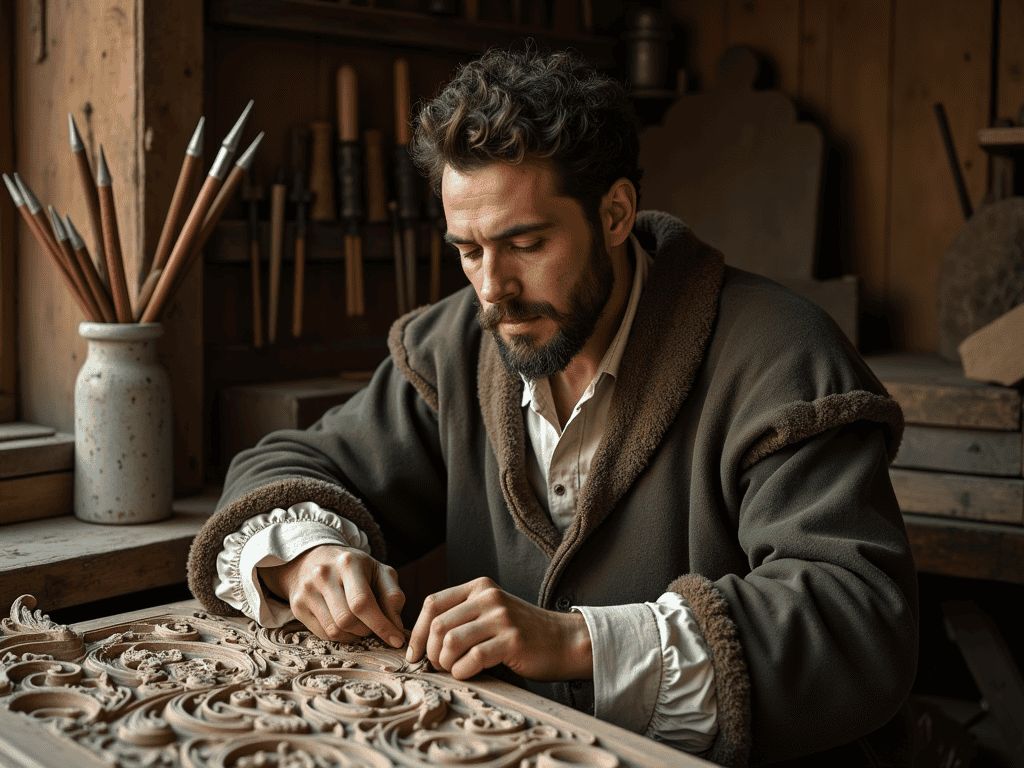
In tropical lands, the Amoora reigns,
A hardwood sturdy, through sun and rains.
At heights of a hundred, it stretches wide,
A challenge awaits for the hands that guide.
With strength like a warrior, tough yet grand,
Carving by hand may take a strong hand.
The Janka reveals its resolute might,
In each careful strike, the wood bends just right.
Rich hues of brown greet the craftsman’s eye,
In patterns unique, as time whispers by.
Though heavy it stands, with gravity’s claim,
The struggle to shape it rewards just the same.
So wield your tools with both care and grace,
Amoora demands a true lover’s embrace.
For in every knot and grain, stories dwell,
Of nature’s great strength—ah, do carve it well!
Full Information about Amoora
| TOPIC | DETAILS |
|---|---|
| Hardwood or Softwood | Hardwood |
| Common Name(s) | Amoora, Aglaia, and various regional names |
| Scientific Name | Aglaia spectabilis |
| Tree Size | Typically grows up to 100 feet (30 meters) tall with a trunk diameter of 2-4 feet (60-120 cm) |
| Average Dried Weight | 0.75-0.85 g/cm³ (47-53 lbs/ft³) |
| Specific Gravity | 0.75-0.85 |
| Janka Hardness | 1,300-1,500 psi |
| Modulus of Rupture | 12,000-15,000 psi |
| Elastic Modulus | 1,500,000-2,000,000 psi |
| Crushing Strength | 6,000-8,000 psi |
| Shrinkage | Radial, Tangential, and Volumetric values not provided |
| Color/Appearance | Rich reddish-brown to golden-brown hue with pale yellow sapwood |
| Grain/Texture | Medium to fine texture with interlocking grain patterns |
| Rot Resistance | Moderate rot resistance |
| Workability | Moderately hard to work with, can dull tools quickly |
| Odor | Moderate scent |
| Allergies/Toxicity | Can cause moderate to severe allergic reactions; safety gear recommended |
| Pricing/Availability | Amoora is typically available, but pricing may vary |
| Sustainability | Information not provided |
| Common Uses | High-quality furniture, flooring, and cabinetry |