
Wood Species Guide · September 12, 2024 · Updated August 12, 2026
By Alexander Grabovetskiy — Master Woodcarver · Founder, School of Wood Carving · 19 min read
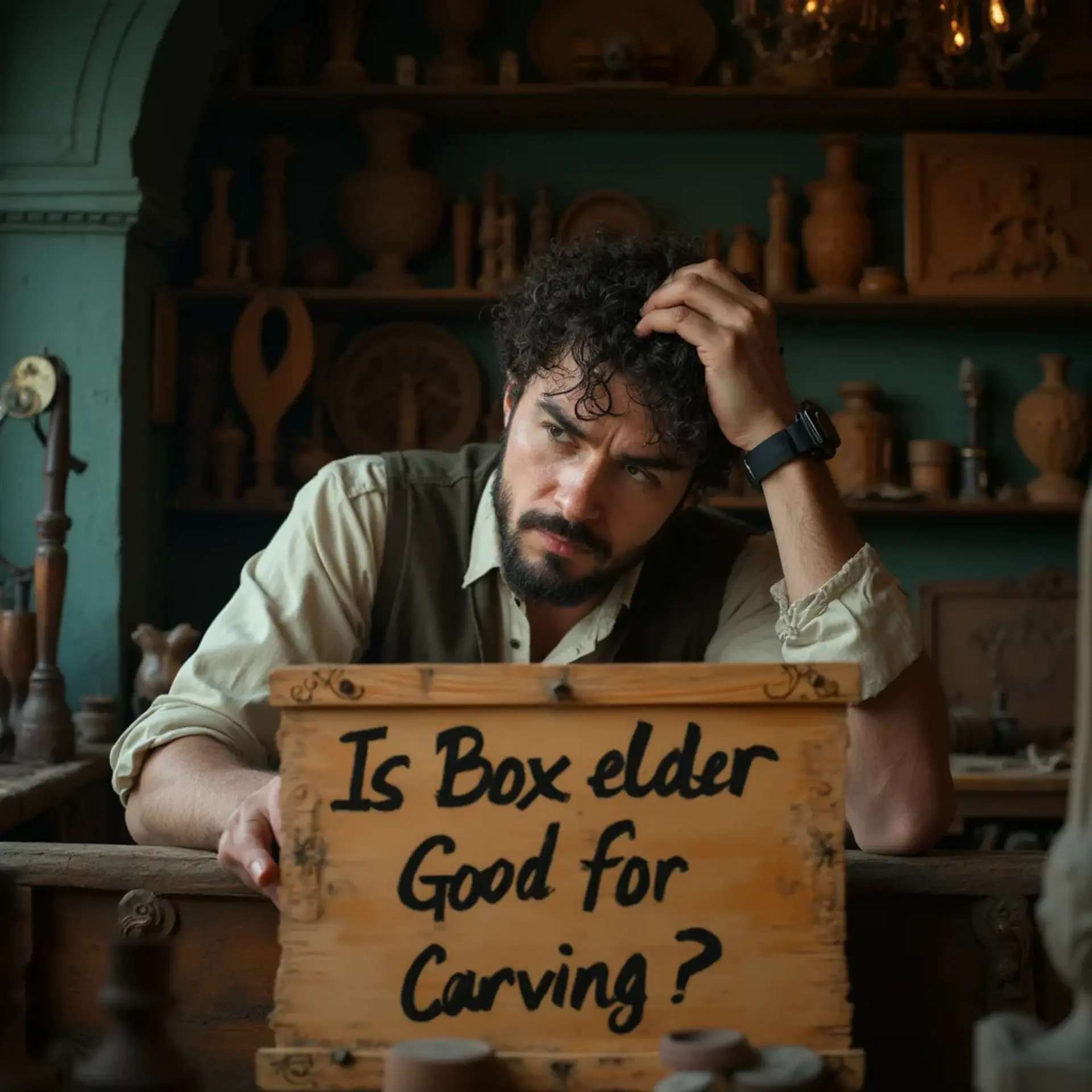
Is Box elder Good for Carving?
Is Box elder Good Wood For Carving

Is Box Elder Good for Carving by Hand?
Box elder, or Manitoba maple, isn’t the best choice for hand carving. It has a Janka hardness of 720 lbf, which makes it relatively soft but not ideal for detailed work. The wood is easy to work with both hand and machine tools but has poor durability and is prone to rot and insect attacks. Though it can be used for turned objects and small ornamental projects, you better prepare for its distinct, unpleasant wet smell!!! Why did the woodcarver bring a map? Because he was carving his way through a “box” elder!!!
Think of Box elder like a piece of cheese. It’s not too hard, so you can carve it. It’s also not very strong and can get moldy (rotten) quickly if not taken care of.
- Physical Properties: Specific gravity is .42, and Janka hardness is 720 lbf.
- Durability: Poor, as it is non-durable to perishable.
- Workability: Easy to work with hand tools, but emits a bad smell when wet.
- Appearance: Often shows red or pink streaks, which can fade over time.
Not every piece of wood can be a masterpiece, just like not every joke lands. But that’s how we learn and grow, one carve at a time.”
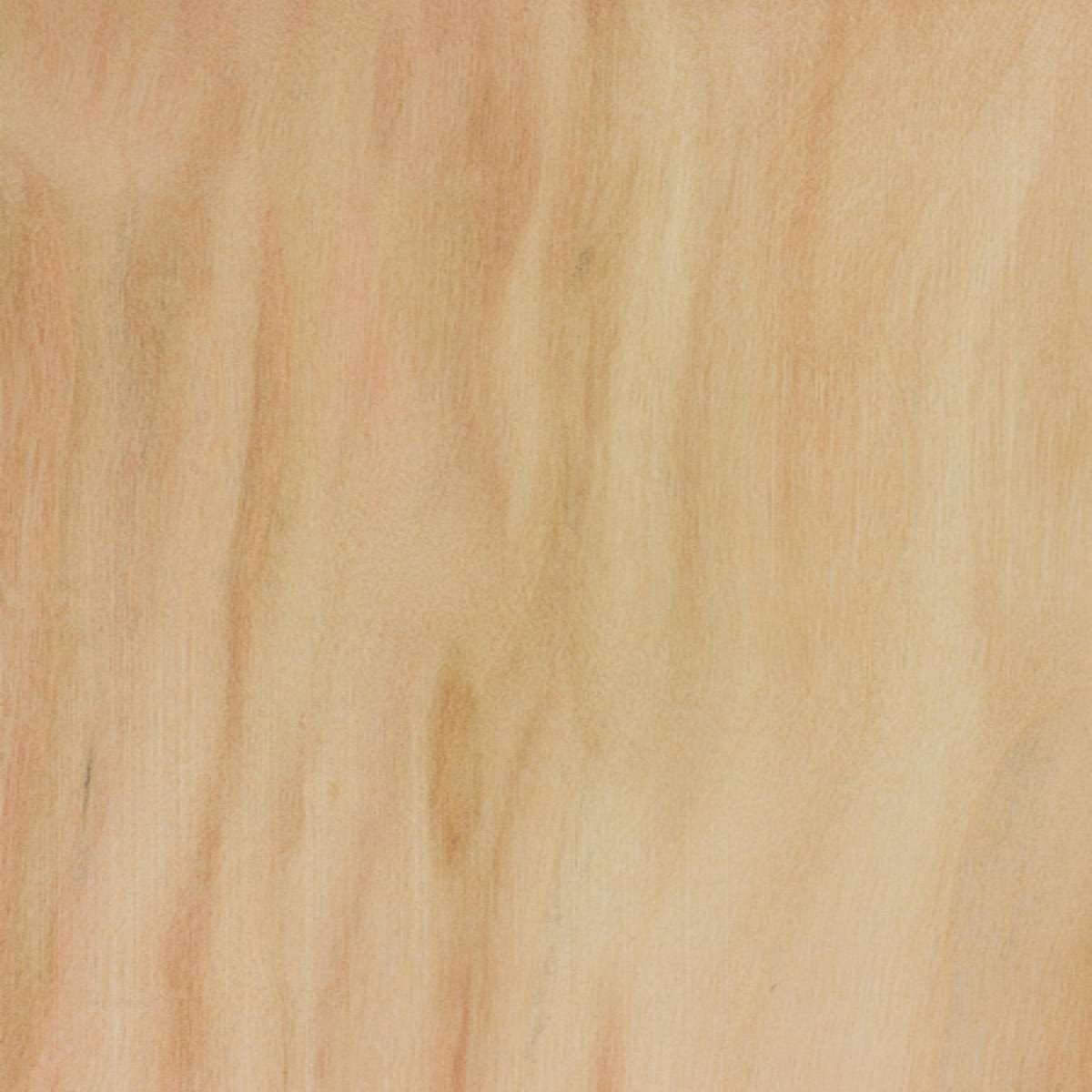
Grain and Texture of Box elder.

Is Box Elder HARDWOOD or SOFTWOOD?
Box elder, also known as Manitoba maple or ash-leaved maple, is classified as a hardwood species. It belongs to the genus Acer, which includes the maples commonly recognized for their hardwood properties. Box elder trees are commonly found in North America, particularly in the central and eastern United States. The wood shows a beautiful pale color with potential pink or red streaks, making it popular for decorative purposes. Why don’t box elders ever get lost? Because they always have a “maple” to guide them!!!
OK, imagine a tree that grows pretty tall and has wood that’s special but not too tough. That’s box elder! It’s called a hardwood because of its cellular structure, sort of like how some cookies are hard but still easy to bite into.
- Classification: Hardwood, because of its botanical characteristics.
- Distribution: North America, notably central and eastern regions of the United States.
- Common Traits: Pale wood with unique red or pink streaks.
- Uses: Ideal for decorative items, wood pulp, and small craft projects.
“Hardwood or softwood, it’s all about what the piece becomes in the hands of a loving carver.”
What are common names of Box elder?
Box elder is known by several common names! Aside from being called Box elder, it is also referred to as Manitoba maple and ash-leaved maple. Another lesser-known name is Maple Ash, which highlights its distinctive leaf structure resembling that of an ash tree. These various names reflect the tree’s jumprse range and the different qualities that people find notable. What tree always wants to help you? A “helper” maple!
If you ask me, Box elder has some interesting names!!! One of them is Manitoba maple. It’s also called ash-leaved maple because its leaves look like those of an ash tree. See how many names one tree can have!
- Box Elder: The most straightforward name, referring to this versatile wood species.
- Manitoba Maple: Common in Canada, reflecting the tree’s prevalence there.
- Ash-Leaved Maple: Named for its leaves, which are similar to those of an ash tree.
- Maple Ash: Another name that shows off its unique leaf structure.
A tree by any other name would carve just as sweet.
What is the Scientific Name of Box elder?
The scientific name of Box elder is Acer negundo. This species belongs to the Acer genus, which is commonly known for its various maples. The term “negundo” identifies its unique properties and distinct characteristics within the genus. “Acer” is derived from the Latin word “sharp,” referring to the strong points of the leaves. Fun fact: Why are Box elders so intelligent? Because they are always “sharp”!
This tree has a fancy scientific name—Acer negundo. It helps scientists know exactly what kind of tree they’re talking about. Acer means maple, and negundo is like a special code that shows its unique place in the maple family.
- Scientific Name: Acer negundo
- Botanical Family: Aceraceae (the maple family)
- Character Id: Negundo refers to its unique place in the genus
- Leaf Shape: Leaves similar to those of ash trees
In the world of wood carving, even the name of a tree like Acer negundo can inspire precision and creativity—carve wisely!
Hope you found this useful!!! If you have any more questions about wood carving or different types of wood, feel free to ask. Remember, a sharp tool is a carver’s best friend (and makes for fewer splinters)!!!
What is the Tree Size of Box Elder?
Box elder trees usually grow to a height of 35-80 feet with a trunk diameter of 1-2 feet. In ideal conditions, they can reach up to 80 feet tall. The trunks are relatively slender compared to other maple species. This tree’s size makes it versatile but not necessarily the most durable.
Imagine a tree that can grow as tall as a building but has a skinnier trunk compared to other trees. That’s Box elder! It’s pretty amazing how it can stretch up and still manage to support itself.
- Height Range: Typically 35-80 feet tall
- Trunk Diameter: 1-2 feet-wide trunks
- Ideal Growth: Reaches maximum height in optimal conditions
- Versatility: Suitable for a variety of wood projects despite size limitations
“Size is just one part of the story; even the tallest tree starts from a small seed.”
What is the Average Dried Weight of Box Elder?
The average dried weight of Box elder wood is 30.2 lbs/ft³ (485 kg/m³). This measurement shows its density, which is considered lightweight compared to other woods. Despite its lightness, Box elder is favored for certain types of projects like small ornamental items and wood turning. Its ease of handling and finishing makes it a popular choice for hobbyists and woodworking lovers. Why did the woodworker rest while holding Box elder? He didn’t want to “weight” forever for inspiration to strike!!!
If I had to explain it simply, Box elder is like a piece of foam. It’s not heavy, so it’s easy to carry and work with. Because it’s so light, you can make nice little decorations without breaking your back. But hey, it’s no Hulk, so don’t expect super strength from it!
- Average Dried Weight: 30.2 lbs/ft³ (485 kg/m³)
- Lightweight Properties: Easy to handle and work with
- Common Uses: Ideal for ornamental items and wood turning projects
- Workability: Easily turned, glued, and finished
In the world of wood carving, even the lightest wood can bear the weight of creativity.
What is the Specific Gravity of Box Elder?
Box elder, commonly known as Manitoba maple, has a basic specific gravity of .42 and .49 at 12% moisture content (MC). This specific gravity shows the wood’s density relative to water, making Box elder relatively light for hardwood. Despite its lightweight nature, Box elder maintains enough density to be used in craft and decorative projects. It’s a good balance for those who want an easy-to-handle wood that still has some weight to it. Why did the Box elder refuse to float? It had to “box” its weight first!
Imagine Box elder as a sponge that’s half-full of water. It’s not too heavy, but it’s also not the lightest. This makes it a good choice for things you want to carve and shape easily.
- Basic Specific Gravity: .42
- Specific Gravity at 12% MC: .49
- Density: Lightweight, yet substantial enough for various projects
- Ease of Use: Balances density and workability for hobbyists
“Even the lightest wood can be weighed down by heavy creativity—balance your craft wisely.”
Janka Hardness of Box Elder
Box elder wood has a Janka hardness rating of 720 lbf (3,200 N). Despite being considered a hardwood, this makes it relatively softer compared to other hardwood species. In my experience, this level of hardness strikes a good balance; it’s easy to carve and handle but still maintains adequate strength for many decorative projects. But, it may not be the best choice for items that need to withstand significant wear and tear. Why did the carpenter switch to Box elder? Because he needed a “lighter” touch!
Imagine a wooden block that’s hard enough to carve into and shape but not so strong that it’s tough to work with. That’s Box elder for you! It’s like a balance of being firm yet easy to handle, giving you a great material for lots of different projects.
- Janka Hardness: 720 lbf (3,200 N)
- Carvability: Easier to carve compared to other hardwoods
- Strength: Suitable for decorative and light-use items
- Balance: Great for woodworking projects that require moderate strength
“In the world of wood carving, finding the right balance of hardness and workability is key to creating art from nature—carve wisely!”
What is the Modulus of Rupture of Box Elder?
Box elder has a modulus of rupture of 8,010 lbf/in² (55.2 MPa). This makes it reasonably flexible and able to withstand bending forces to some degree. Despite this, Box elder is not the most robust wood for structural uses because of its other limitations, such as low rot resistance and susceptibility to insect attacks. This property makes it useful for small decorative objects and wood items that won’t face heavy loads.
Imagine Box elder as a flexible ruler—you can bend it a bit before it breaks. That’s what modulus of rupture means for this wood. It’s like having a wooden friend that can take some pressure, but not too much!
- Modulus of Rupture: 8,010 lbf/in² (55.2 MPa)
- Bending Strength: Well-suited for decorative projects
- Flexibility: Moderately flexible under pressure
- Durability: Best for light-use items because of its overall durability
“Strength comes in many forms, but knowing your material’s limits is key to mastering your craft.”
Elastic Modulus of Box Elder
The Elastic Modulus of Box Elder is 1,050,000 lbf/in² (7.24 GPa). This property measures the wood’s ability to resist deformation under stress, making it reasonably sturdy but still workable for various projects. Box Elder’s elastic modulus strikes a balanced point suitable for carvings that require some flexibility without compromising shape or structure. With this elasticity, you’ll get wood that’s pliable enough for artistic endeavors yet stable enough for practical crafts.
To think of it simply, imagine you have a wooden stick that bends a little when you press on it but doesn’t break easily. That’s Box Elder’s Elastic Modulus for you! Whether you’re making a decorative bowl or a small sculpture, this wood has got your back.
- Elastic Modulus: 1,050,000 lbf/in² (7.24 GPa)
- Flexibility vs. Stability: Provides a balance between flexibility and structural integrity
- Workability: Suitable for carving, turning, and crafting
- Project Applications: Ideal for items that need moderate flexibility without losing shape
“Knowing how your wood bends and holds can be the difference between a broken piece and a masterpiece—choose wisely and carve with skill.”
What is the Crushing Strength of Box Elder?
The crushing strength of Box elder wood is 4,950 lbf/in² (34.1 MPa). This makes it relatively strong under compression but still easy to work with for many wood projects. This moderate strength is suitable for items that don’t require high durability but need enough sturdiness to maintain shape under pressure. Box elder strikes a balance where you can enjoy its unique aesthetics without compromising too much on structural integrity. Why did the Box elder go to therapy? To balance its “compression” issues!
Think of crushing strength like how strong you are when you squeeze something—Box elder is solid enough to handle some squeezing without breaking, making it great for neat wood projects.
- Crushing Strength: 4,950 lbf/in² (34.1 MPa)
- Compression Capability: Handles moderate pressure well
- Suitability: Ideal for small-to-medium-sized decorative items
- Balance: Offers a mix of aesthetic beauty and functional strength
“Even under pressure, a well-chosen piece of wood can reveal its true beauty—carve with purpose.”

What are the Shrinkage characteristics of Box elder?
Box elder, also known as Manitoba maple, has specific shrinkage properties that might interest you. Its radial shrinkage is 3.9%, while its tangential shrinkage measures 7.4%. The total volumetric shrinkage comes to around 14.8%, and the T/R ratio is 1.9. This means that Box elder experiences moderate shrinkage, making it relatively stable compared to other woods. How about that? A wood that’s true to its form even under stress!!!
Think of shrinkage in wood like how a sponge shrinks when it dries out. The radial shrinkage shows how much it shrinks across the growth rings, and tangential tells you about the shrinkage along the growth rings.
- Radial Shrinkage:
- 3.9%
- Tangential Shrinkage:
- 7.4%
- Volumetric Shrinkage:
- 14.8%</
- T/R Ratio:
- 1.9
“Understanding wood properties like shrinkage helps you carve masterpieces that stand the test of time.”
What is the Color/Appearance of Box Elder?
Box elder wood features interesting coloration that makes it visually appealing for many woodworking projects. The sapwood is predominantly pale white and can sometimes carry a yellow or greenish tint, similar to yellow poplar. The heartwood, meanwhile, tends to show a grayish-yellow-brown hue often accentuated by striking red or pink streaks. These vibrant streaks are a result of the tree’s defense mechanism against fungal attacks. What do you get when a Box elder blushes? “Pink streaks” of course!
Think of Box elder like a scoop of Neapolitan ice cream—it’s a mix of colors!!! The pale sapwood and colorful heartwood make your carving projects look extra special.
- Sapwood Color: Pale white with potential yellow/green hues
- Heartwood Color: Grayish-yellow-brown, often with red or pink streaks
- Color Changes: Red streaks can fade to pink or brown over time
- Visual Appeal: Unique coloration makes it a favorite for decorative uses
“The beauty of Box elder isn’t just in its strength but in the colors it reveals—each carve brings out a new shade of creativity.”
Grain/Texture of Box Elder?
Box Elder exhibits a straight grain with a fine and even texture. The growth rings in Box Elder are usually faint and not easily distinguishable. This characteristic gives it a smooth workability, which is ideal for various wood projects. The texture makes it a favorite for carvers who appreciate fine details and a consistent surface. Why do Box Elders make good friends? Because they never come with “grainy” attitudes!!!
Alright, think about drawing a perfect line on a piece of paper—smooth and easy. That’s what Box Elder’s grain is like. It’s got fine lines you can barely see, making it smooth and great for carving!
- Grain Pattern: Straight and fine
- Texture Quality: Smooth and even
- Growth Rings: Often faint and non-distinct
- Suitability: Great for carving detailed work
“The finer the grain, the smoother the journey—carving is a dance with nature’s finest lines.”
Rot Resistance of Box Elder?
Box elder wood, or Manitoba maple, has quite poor rot resistance. Its heartwood is vulnerable to heart rot and other fungal issues, making it non-durable and susceptible to insect attacks. This lack of durability means it’s not ideal for outdoor projects or for items exposed to moisture regularly. If you’re planning to use Box elder, it’s best suited for indoor decorative pieces where longevity isn’t a primary concern. Why don’t Box elders last long in the wild? Because they’re “rooting” for a short lifespan!!!
Think of Box elder as a loaf of bread left in a damp place. It’s going to get pretty mushy and moldy quickly. Not the best choice if you want something to last long outside or in wet conditions.
- Durability: Rated as non-durable to perishable
- Heartwood Vulnerabilities: Prone to heart rot and insect attacks
- Ideal Usage: Best for indoor decorative items
- Outdoor Suitability: Poor, not recommended for moisture-prone areas
“A wise carver knows that every piece of wood has its strengths and weaknesses—choose your material like you choose your battles.”
Workability of Box Elder?
Box elder, known for its ease of use, is great for various carving and woodworking projects. Despite being a hardwood, it’s relatively soft and easy to carve with hand tools, making it a favorite among hobbyists and artisans. It turns, glues, and finishes exceptionally well, although it emits a distinct, unpleasant odor when wet. Its lightweight and fine texture allow for smooth, detailed work without much effort. Why did the Box Elder feel confident? Because it always “works” out perfectly!
OK, think of Box elder like a butter knife sliding through a stick of room-temperature butter. It’s smooth and easy to handle, right? You can use different tools on it and still get a nice finish.
- Ease of Use: Easy to work with hand and machine tools
- Versatility: Suitable for turning, gluing, and finishing
- Texture: Fine and even, allows for detailed work
- Odor: Emits an unpleasant smell when wet
“Great workability transforms even the simplest piece of wood into a work of art—carve with joy and purpose.”
What is the Odor of Box Elder?
Box elder wood emits a distinctive smell when freshly cut or wet. This odor is often described as unpleasant, resembling a musty or sour scent. While noticeable during the initial stages of woodworking, the smell usually diminishes after the wood has dried completely. Despite its unique smell, the *wood’s workability* and *craft-friendly properties* keep it popular among hobbyists. Why did the Box elder take a bath? Because it couldn’t stand its own “odor” anymore!!!
OK, think of a smell you don’t like, kind of like stinky socks. That’s what Box elder can smell like when it’s wet. But don’t worry, the smell mostly goes away once it’s all dry.
- Odor Characteristics: Musty or sour when wet
- Initial Work:** Noticeable smell when freshly cut
- Drying Effects: Odor diminishes after drying
- Popularity: Still favored for its ease of use and workability
“A distinctive scent may start the journey, but it’s the beauty of the final piece that leaves a lasting impression—carve with care.”
What are the Allergies and Toxicity risks associated with Box elder wood?
Box elder, along with other maples in the Acer genus, can cause certain allergic reactions and toxicity risks. Contact with the wood or inhalation of its dust may lead to skin irritation, a runny nose, or asthma-like respiratory effects. It’s important to take suitable precautions while working with this wood to minimize exposure. Fortunately, these reactions are usually mild and manageable with proper safety measures. Why did the woodcarver wear gloves? To “maple” sure he wasn’t itching for a break!!!
Imagine dealing with an annoying mosquito bite—itchy and uncomfortable. That’s what Box elder can do to your skin and nose if you’re not careful. Using the right protection can help keep you from sneezing and scratching during your carving sessions.
- Typical Reactions: Skin irritation, runny nose, asthma-like symptoms
- Trigger Factors: Wood dust and direct contact with the wood
- Precautionary Measures: Use protective gear to minimize exposure
- Severity: Usually mild, manageable with precautions
“In wood carving, knowing your material’s quirks, like allergies, helps you work smarter and enjoy your craft without the itch.”

What are the Common Uses of Box Elder?
Box elder is popularly used for various small ornamental objects, and its unique appearance makes it ideal for turning projects. Also, it’s well-suited for wood pulp production and charcoal making. The lightweight and working properties make it perfect for carving intricate designs and creating beautiful boxes and crates. With its distinctive color streaks, it’s also favored by hobbyists for making specialty items, particularly in decorative woodworking and fine furniture projects. Why did the Box elder love art class? Because it was a natural “turn” of events!
Imagine making cool little toys and decorations with wood that’s easy to carve and has nice colors. That’s what Box elder is used for. It’s also good for making paper and charcoal.
- Ornamental Objects: Perfect for small decorative items
- Turning Projects: Ideal because of its unique color streaks
- Wood Pulp: Used for making paper
- Boxes and Crates: Great for lightweight storage solutions
“Creativity finds its best companion in wood that is both easy to work with and visually striking—Box elder fits this description perfectly.”
The Box Elder Paradox
In the workshop, I took a look,
At Box elder—soft like a book.
Easier to carve, that’s no lie,
But strong? Oh please, it’s not up high!!!
It smells a bit, when wet it’s true,
A musty scent that’s less than new.
Great for small crafts, not for the bold,
So be careful—you’ll see it unfold!
With soft pale wood and pink streaks inside,
It’s like candy—sweet, but can’t hide.
For all my tools, it’s a joy to work,
Yet outside? Just a sneaky jerk!!!
Yeah, Box elder, lovely but weak,
You may be cool, but you can’t take a peak.
Stick to indoors, where it can thrive,
And in my heart, you’ll stay alive!!!
Box Elder Properties Comparison Table
| Property | Description |
|---|---|
| Is it HARDWOOD or SOFTWOOD | Hardwood |
| Common Name(s) | Box elder, Manitoba maple, ash-leaved maple |
| Scientific Name | Acer negundo |
| Tree Size | 35-80 ft (10-25 m) tall, 1-2 ft (.3-.6 m) trunk diameter |
| Average Dried Weight | 30.2 lbs/ft³ (485 kg/m³) |
| Specific Gravity | .42 (Basic), .49 (12% MC) |
| Janka Hardness | 720 lbf (3,200 N) |
| Modulus of Rupture | 8,010 lbf/in² (55.2 MPa) |
| Elastic Modulus | 1,050,000 lbf/in² (7.24 GPa) |
| Crushing Strength | 4,950 lbf/in² (34.1 MPa) |
| Shrinkage | Radial: 3.9%, Tangential: 7.4%, Volumetric: 14.8% |
| T/R Ratio | 1.9 |
| Color/Appearance | Sapwood is pale white; heartwood is grayish-yellow-brown with red or pink streaks. |
| Grain/Texture | Straight grain, fine and even texture |
| Rot Resistance | Poor, non-durable to perishable. Susceptible to heart rot and insect attack. |
| Workability | Easy to work with hand and machine tools; turns and finishes well. |
| Odor | Distinct and unpleasant when wet, subsides after drying. |
| Allergies/Toxicity | May cause skin irritation or respiratory effects. Take appropriate precautions. |
| Pricing/Availability | Occasionally available, often harvested by hobbyists or specialty sawmills. |
| Sustainability | Not listed as endangered, common in North America. |
| Common Uses | Turned objects, small ornamental objects, wood pulp, charcoal, boxes, and crates. |
Is Box Elder Good for Carving?
Box elder isn’t the best for hand carving. It’s soft but lacks durability and has a rotten smell when wet. Great for small projects though!