

Wood Species Guide · September 4, 2024 · Updated August 12, 2026
By Alexander Grabovetskiy — Master Woodcarver · Founder, School of Wood Carving · 16 min read
Is Malaysian Blackwood Good for Carving?
Is Malaysian Blackwood Good Wood For Carving

Is Malaysian Blackwood good for carving by hand?
Malaysian Blackwood can be tricky to carve by hand because of its high density (about 72 lbs/ft3) and Janka hardness of 3,180 lbf. While it boasts exceptional tonal qualities and unique patterns, it is hard, so it might not be the best choice for less experienced carvers. Remember, patience, and sharp tools are key when working with this special wood! (Seriously, your chisels will need a vacation after this one.)
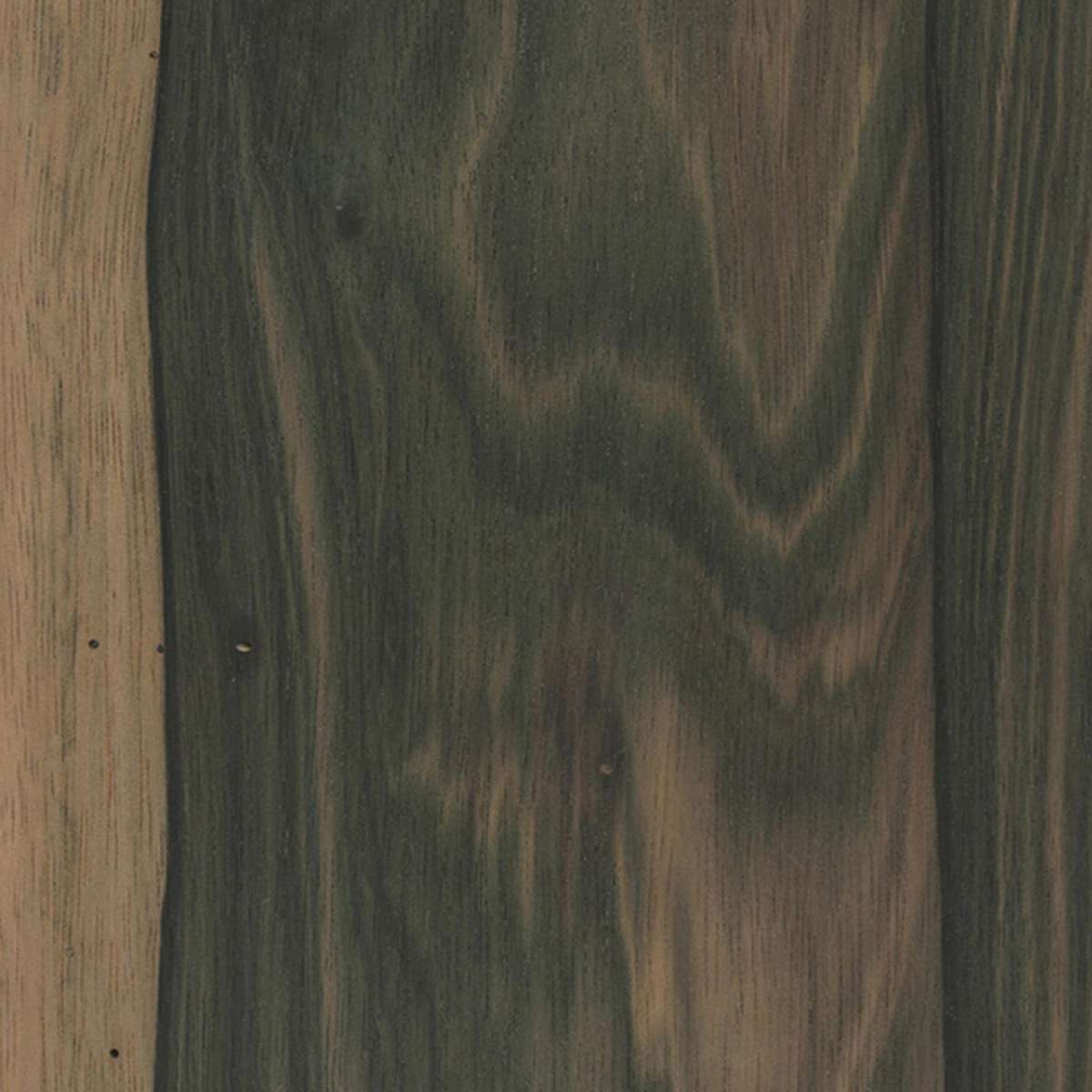
Malaysian Blackwood, also known as Kalimantan Ebony or Borneo Ebony, is a very hard wood. It is so dense and heavy that carving it can feel like trying to carve a rock! The wood has beautiful brown and black streaks, making it very pretty but tough to work with.
- Hardness: 3,180 lbf Janka hardness, tough on your tools.
- Appearance: Unique brown and black patterns with fine texture.
- Workability: Hard to carve, good for experienced hands.
- Uses: Acoustic guitars, knife handles, and inlays.
In wood carving, your tools and your patience shape your masterpiece.
Grain and Texture of Malaysian Blackwood.

Is Malaysian Blackwood HARDWOOD or SOFTWOOD?
Malaysian Blackwood, or Kalimantan Ebony, is definitively a hardwood. This wood is highly valued for its exceptional tonal qualities, often utilized in making acoustic guitars. The hardness of Malaysian Blackwood ensures it retains its beautiful, unique patterns over time. (Just imagine your carving tools groaning in disdain!)
Malaysian Blackwood, known by many names like Asian Ebony and Borneo Ebony, is one tough wood. Its dark tones, interspersed with brown or reddish streaks, make it very beautiful, but the density makes it challenging to work with. This wood is as solid as a rock—no kidding!
- Scientific name: Diospyros ebonasea (unverified)
- Density: Average dried weight of 72 lbs/ft3
- Specific Gravity: 1.15
- Color/Appearance: Heartwood ranges from medium brown to nearly black
In the realm of wood carving, perseverance and sharp tools carve out success.
What are the common names of Malaysian Blackwood?
Malaysian Blackwood, otherwise known as Kalimantan Ebony, Asian Ebony, or Borneo Ebony, is widely recognized in woodcarving for its incredible density and mesmerizing patterns. These names often reflect the regions where this type of wood is found or its physical characteristics. (Just remember, regardless of what you call it, your carving tools will still groan in protest!)
Malaysian Blackwood goes by several different names, and each of these names adds to its mysterious aura. Whether it’s called Kalimantan Ebony because it comes from the Kalimantan region, or Borneo Ebony because of its roots in Borneo, all these names point to one thing: this wood is tough and absolutely stunning.
- Malaysian Blackwood
- Kalimantan Ebony
- Asian Ebony
- Borneo Ebony
The name might change, but the beauty and challenge of this wood remain constant.
What is the scientific name of Malaysian Blackwood?
The scientific name of Malaysian Blackwood is currently unconfirmed but is often referred to as Diospyros ebonasea. Despite the lack of definitive confirmation, this wood is highly prized for its notable tonal qualities and unique appearance. (Just picture your chisels questioning their life choices!)
Malaysian Blackwood is a type of hardwood known for its remarkable density and beautiful black and brown patterns. Different names might be used, but they all point to the same uniquely challenging wood. While the scientific name isn’t firmly established, it falls within the Diospyros genus, similar to other ebonies.
- Scientific Name: Diospyros ebonasea (unconfirmed)
- Common Names: Kalimantan Ebony, Asian Ebony, Borneo Ebony
- Historical Usage: Acoustic guitars, turned objects, inlays
In wood carving, the name of the wood may be uncertain, but its beauty and complexity are undeniable.

What can you tell me about the tree size of Malaysian Blackwood?
Unlike other common hardwoods, detailed information about the size of the Malaysian Blackwood tree, including its height and trunk diameter, is largely unavailable. What we do know is that this hardwood, also called Kalimantan Ebony, is highly valued for its dense structure and beautiful patterns. (Think of it as the mysterious mystery of the wood world!)
Imagine a tree that holds age-old mysteries. The Malaysian Blackwood tree, despite its high density and incredible beauty, keeps its physical dimensions well-guarded. Nobody really knows how tall it grows or how wide its trunk can get, but it sure makes for some fantastically challenging carving material.
- Distribution: Endemic to Malaysia
- Density: 72 lbs/ft3
- Scientific Name: Diospyros ebonasea (unconfirmed)
- Common Uses: Acoustic guitars, turned objects, inlays, and knife handles
In the world of woodcarving, sometimes the most elusive trees produce the most captivating pieces.
What is the average dried weight of Malaysian Blackwood?
Malaysian Blackwood, also known as Kalimantan Ebony, averages a dried weight of about 72 lbs/ft3 (1,155 kg/m3). This significant density contributes to its durability and excellent usage in high-stress applications like knife handles and musical instrument inlays. (Think of it as the heavyweight champion in the world of carving woods!)
Imagine picking up a chunk of wood as heavy as a pet rock! Malaysian Blackwood is super dense and heavy even when dried out. It’s this heaviness, around 72 lbs for every cubic foot, that makes it so hard to carve but also super strong and beautiful.
- Hardwood Status: Yes, it absolutely is
- Scientific Name: Diospyros ebonasea (unverified)
- Special Uses: Acoustic guitars, turned objects, inlay work, and knife handles
- Key Characteristic: Dense, averaging 72 lbs/ft3 (1,155 kg/m3)
Every piece of dense wood jas the promise of a remarkable and enduring creation.

What is the specific gravity of Malaysian Blackwood?
The specific gravity of Malaysian Blackwood, also known as Kalimantan Ebony, is 1.15. This high specific gravity shows considerable density, contributing to its sought-after tonal qualities and durability in various applications. (Think of it as the Arnold Schwarzenegger of wood… strong and dependable!)
Specific gravity is like calculating how “heavy” a piece of wood feels compared to water. Malaysian Blackwood’s specific gravity of 1.15 means it’s super dense—sinking rather than floating if dropped in water! This density plays a huge role in making it very strong and hard to carve, but excellent for making sturdy items.
- Common Names: Malaysian Blackwood, Kalimantan Ebony, Asian Ebony, Borneo Ebony
- Scientific Name: Diospyros ebonasea (unverified)
- Average Dried Weight: 72 lbs/ft3 (1,155 kg/m3)
- Janka Hardness: 3,180 lbf (14,140 N)
The sheer density of wood can transform it from a simple material into a timeless piece of craftsmanship.

What is the Janka Hardness of Malaysian Blackwood?
The Janka hardness of Malaysian Blackwood, also referred to as Kalimantan Ebony, is estimated at 3,180 lbf. This makes it an incredibly tough hardwood, which provides great durability but can be a challenge to carve. (Think of it as the ultimate bench press champion in the wood world!)
Let’s say you’re testing how hard you need to push a small steel ball into a piece of wood. For Malaysian Blackwood, you’d need a lot of strength—3,180 pounds of force, to be exact! This hardness is why it’s so great for super strong items but also pretty tough for carving projects.
- Super Tough: Requires 3,180 pounds of force for Janka test.
- Hardwood: Yes, it is absolutely a hardwood.
- Common Uses: Knife handles, acoustic guitars, and inlay work.
- Unique Patterns: Distinctive black veining and brown streaks in the heartwood.
The hardness of Malaysian Blackwood mirrors the determination needed to carve it.
What is the Modulus of Rupture of Malaysian Blackwood?
Currently, detailed data on the Modulus of Rupture (MOR) for Malaysian Blackwood, also known as Kalimantan Ebony, is unavailable. But, given its high density and specific gravity of 1.15, the wood likely exhibits significant strength and resilience in various applications. (This wood might leave you feeling like you’ve tackled a real heavyweight champ!)
Imagine trying to see how much weight a stick can hold before it breaks. That’s neededly what the Modulus of Rupture measures. For Malaysian Blackwood, this information is a bit of a mystery, but knowing how dense and sturdy it is, you can bet it can take a lot before snapping.
- Hardwood Status: Yes, it’s a hardwood.
- Specific Gravity: 1.15
- Distribution: Found in Malaysia
- Common Uses: Acoustic guitars, inlays, knife handles, and turned objects
Strength in wood, much like character, often reveals itself under pressure.
What is the Elastic Modulus of Malaysian Blackwood?
Information on the Elastic Modulus of Malaysian Blackwood, commonly known as Kalimantan Ebony, is not readily available. This lack of data, but, does not diminish the wood’s high value in the industry because of its exceptional tonal qualities and distinctive appearance. (In the world of wood, it’s like the Mysterious Stranger who leaves everyone guessing!)
Imagine trying to stretch a piece of rubber band, but instead, it’s a piece of wood—this is what the Elastic Modulus measures. For Malaysian Blackwood, we are still in the dark about its exact number. But, given its high density, it is likely strong and resistant to bending, making it useful for many specialized applications.
- Scientific Name: Diospyros ebonasea (unconfirmed)
- Common Names: Malaysian Blackwood, Kalimantan Ebony, Asian Ebony, Borneo Ebony
- Average Dried Weight: 72 lbs/ft3 (1,155 kg/m3)
- Specific Gravity: 1.15
The unknown often holds the promise of great find outy in the art of wood carving.

What is the Crushing Strength of Malaysian Blackwood?
Crushing Strength, also referred to as compressive strength, for Malaysian Blackwood is not available in the current data. But, given its high density and specific gravity of 1.15, it is likely that this hardwood exhibits significant resistance to crushing forces. (In the world of wood, this one’s a tough nut to crack!)
Imagine trying to squish a piece of super-dense wood without it breaking—that’s what crushing strength measures. While we don’t have specific numbers for Malaysian Blackwood, its heaviness and toughness make it a strong contender in the durability department. So, if you manage to carve something out of it, it’s going to last!
- Common Names: Malaysian Blackwood, Kalimantan Ebony, Asian Ebony, Borneo Ebony
- Density: 72 lbs/ft3 (1,155 kg/m3)
- Specific Gravity: 1.15
- Janka Hardness: 3,180 lbf (14,140 N)
The strength of a wood is not just in its hardness, but in its ability to endure pressure.

What about shrinkage in Malaysian Blackwood?
Shrinkage specifics for Malaysian Blackwood, also known as Kalimantan Ebony or Borneo Ebony, aren’t readily available but, like its density and hardness, it likely exhibits minimal but significant shrinkage. This minimal shrinkage ensures that the wood retains its beautiful and intricate patterns over time without warping dramatically. (Think of it as a steadfast soldier that stands its ground through thick and thin!)
When heavy and dense wood like Malaysian Blackwood dries out, it tends to shrink a little bit. although exact numbers aren’t known, one can expect it to shrink in a way that keeps its wonderful patterns and strength.
In wood carving, mastering the challenges of shrinkage turns potential flaws into lasting beauty.
Color/Appearance of Malaysian Blackwood?
Malaysian Blackwood, often referred to as Kalimantan Ebony, showcases a range of captivating hues from medium brown to almost black. This dense hardwood often features black veining intertwined with contrasting brown or reddish streaks, and sometimes even a greenish tint adds to its uniqueness. (It’s like nature’s artwork, always surprising!)
Imagine a piece of wood that looks like a beautiful painting. The heartwood can be medium brown to nearly black, with striking black lines and brown or reddish veins. Sometimes, a greenish hue also appears, making each piece truly one-of-a-kind.
- Color Spectrum: Medium brown to nearly black with black veining and reddish streaks
- Special Hue: Occasional greenish tone in heartwood
- Sapwood Color: Pale yellow to tan
- Unique Feature: Sharp contrast between heartwood and sapwood
- Insect Activity: Common sapwood has insect holes
In wood carving, the true beauty of the material reveals itself in its natural colors and patterns.

Grain/Texture of Malaysian Blackwood?
Malaysian Blackwood, or Kalimantan Ebony, features a straight grain and a fine, even texture, contributing to a natural luster that improves its visual appeal. This fine texture makes it particularly alluring, although the high density can present challenges during carving or turning. (Imagine a piece of wood that’s as smooth as silk but tough as nails—like carving butter if butter were made of granite!)
Think of Malaysian Blackwood as having a very fine and even surface that feels almost glossy naturally. The grain usually runs straight, making it look sleek and polished. This type of wood shines beautifully, which makes it a favorite among carvers and musicians alike, although it can be tough to work with.
- Grain Pattern: Typically straight
- Texture: Very fine and even
- Natural Luster: High
- Commonly Used In: Acoustic guitars, knife handles, inlays, and turned objects
In wood carving, the challenge of a tough grain often leads to the most beautiful finishes.
Is Malaysian Blackwood Rot Resistant?
Malaysian Blackwood, also known as Kalimantan Ebony, Asian Ebony, or Borneo Ebony, is most likely very durable and rot-resistant, similar to other ebonies in the Diospyros genus. This means it can withstand decay and is well-suited for long-lasting projects. (It’s like the wood version of a superhero—strong and enduring!)
Think of Malaysian Blackwood as a wood that doesn’t easily break down over time. It’s tough and can resist rot, making it a great choice for items that need to be durable. This type of wood is really good at staying strong, even when conditions aren’t perfect.
- Durability: Likely very high
- Decay Resistance: Excellent
- Common Names: Malaysian Blackwood, Kalimantan Ebony, Asian Ebony, Borneo Ebony
- Appeal: Beautiful patterns and high endurance
Great woodcarving often relies on materials that stand the test of time and the elements.

What can you say about the workability of Malaysian Blackwood?
Malaysian Blackwood, also referred to as Kalimantan Ebony, is challenging to work with because of its density and the blunting effect it has on tools. The wood tends to check and split during drying, making it a tough choice for beginners. (It’s like asking your chisels to run a marathon every day!)
Working with Malaysian Blackwood can be a pretty tough job because it’s super dense and can quickly dull your tools. When it dries, it can crack or split, which means it needs a lot of care and attention. It does, but, turn well on a lathe, although steam bending is not its strong suit.
- Tool Blunting: High; dulls tools quickly
- Drying Issues: Prone to checking and splitting
- Steam Bending: Difficult
- Turning: Good on a lathe
No masterpiece ever emerged without some blunted tools and patient hands.
Does Malaysian Blackwood have any characteristic odor?
Malaysian Blackwood, also known as Kalimantan Ebony or Borneo Ebony, has no characteristic odor. While many woods emit distinctive scents during carving or working, this particular hardwood remains neutral in smell. (Think of it as the silent partner in your woodshop!)
Imagine working on a piece of wood that’s tough as nails, but you won’t find your shop smelling like anything special. Unlike some other woods that give off strong odors, Malaysian Blackwood keeps to itself in that department. So, you won’t need to worry about any funky smells while you carve away.
- Odor: Odorless
- Common Names: Malaysian Blackwood, Kalimantan Ebony, Asian Ebony, Borneo Ebony
- Scientific Name: Diospyros ebonasea (unconfirmed)
- Special Uses: Acoustic guitars, turned objects, knife handles, and inlays
In the realm of woodcarving, sometimes the most unassuming woods leave the strongest impressions.
What are the Allergies and Toxicity risks associated with Malaysian Blackwood wood?
Malaysian Blackwood, also referred to as Kalimantan Ebony or Borneo Ebony, may cause mild allergic reactions such as skin, eye, and respiratory irritation. Severe reactions are rare, but ebony in the Diospyros genus has been noted as a potential sensitizer. (Consider it the sneezy member of the wood family!)
Working with Malaysian Blackwood can sometimes make you itchy or cause you to sneeze. You might feel like your eyes or throat are a bit irritable, much like when you’re around dust or pollen. It’s not common to have a strong reaction, but it’s good to be mindful and protect yourself.
- Allergic Reactions: Eye, skin, and respiratory irritation
- Toxicity Severity: Usually mild, severe reactions uncommon
- Other Names: Kalimantan Ebony, Asian Ebony, Borneo Ebony
- General Safety Tip: Always work in a well-ventilated area and consider wearing a mask
In wood carving, it’s important to respect the material, as even the most beautiful woods may have hidden challenges.

Common Uses of Malaysian Blackwood?
Malaysian Blackwood, also known as Kalimantan Ebony, is widely used for making high-end musical instruments, particularly acoustic guitars because of its exceptional tonal qualities. This dense hardwood is also favored for creating intricate inlays, knife handles, and turned objects owing to its striking visual patterns and durability. (Trust me, this wood can elevate any project—from guitars to heirloom knife handles!)
Imagine crafting an acoustic guitar that sounds amazing and looks even better—Malaysian Blackwood delivers on both fronts. Because of its unique color patterns and durability, it’s also used to make beautiful turned objects like bowls, intricate inlay designs for furniture, and strong handles for knives. Despite being tough to work with, its results are well worth the effort.
- Musical Instruments: Acoustic guitars
- Turned Objects: Bowls, vases
- Inlay Work: Fine furniture
- Knife Handles: Durable and visually appealing handles
The challenge in carving Malaysian Blackwood is equal to the beauty it brings to your finished piece.
Challenges and Charms of Malaysian Blackwood
In Malaysia’s heart, a wood so grand,
Kalimantan Ebony, tough to withstand,
With patterns rich, both dark and bright,
Yet carving its grain can give quite a fright.
Three thousand pounds of force it takes,
To carve this gem, patience makes or breaks,
For those with skills, it sings a tune,
In strings of guitars, it surely shines soon.
Its colors weave a striking show,
Brown and black in a splendid flow,
Yet novices find, with tools that dull,
That this wood’s spirit won’t bend to their pull.
With strength to last through tides of time,
Each piece crafted is a mountain to climb,
From knife handles firm to elegant art,
Malaysian Blackwood, a true work of heart.
Full Information about Malaysian Blackwood
| Property | Details |
|---|---|
| Is it HARDWOOD or SOFTWOOD? | Hardwood |
| Common Name(s) | Malaysian Blackwood, Kalimantan Ebony, Asian Ebony, Borneo Ebony |
| Scientific Name | Diospyros ebonasea (unconfirmed) |
| Tree Size | No data available |
| Average Dried Weight | 72 lbs/ft3 (1,155 kg/m3) |
| Specific Gravity | 1.15 |
| Janka Hardness | 3,180 lbf (14,140 N) (estimated based on specific gravity) |
| Modulus of Rupture | No data available |
| Elastic Modulus | No data available |
| Crushing Strength | No data available |
| Shrinkage | Not available |
| Color/Appearance | Heartwood ranges from medium brown to nearly black; often features black veining and contrasting streaks. |
| Grain/Texture | Straight grain with a fine and even texture. |
| Rot Resistance | Likely very durable, similar to other ebonies in the Diospyros genus. |
| Workability | Difficult because of its density, tends to dull tools quickly. |
| Odor | Neutral; no characteristic odor. |
| Allergies/Toxicity | May cause mild allergic reactions, but severe cases are uncommon. |
| Pricing/Availability | Very expensive and seldom available, often sold as guitar sets or small turning blanks. |
| Sustainability | Not listed as threatened, but the scientific classification remains under review. |
| Common Uses | Acoustic guitars, turned objects, knife handles, and inlays. |
Is Malaysian Blackwood Good for Carving?
Malaysian Blackwood is beautiful but difficult to carve. Its high density and hardness make it best for experienced carvers with sharp tools.