
December 29, 2022 · Updated October 9, 2026
By Alexander Grabovetskiy — Master Woodcarver · Founder, School of Wood Carving · 7 min read
The Best Workbench for Woodcarving. What to Look For
Key Takeaways
- Veritas Woodcarver's bench tops my list for serious carving work.
- Hard Maple top takes abuse and gives your finished pieces character.
- Dog holes hold clamps and holdfasts so your workpiece stays put while you carve.
- Cast iron legs feel weak, so build your own custom stand for that bench top.
- Bench takes all 19mm accessories from any other brand, so your options stay wide open.
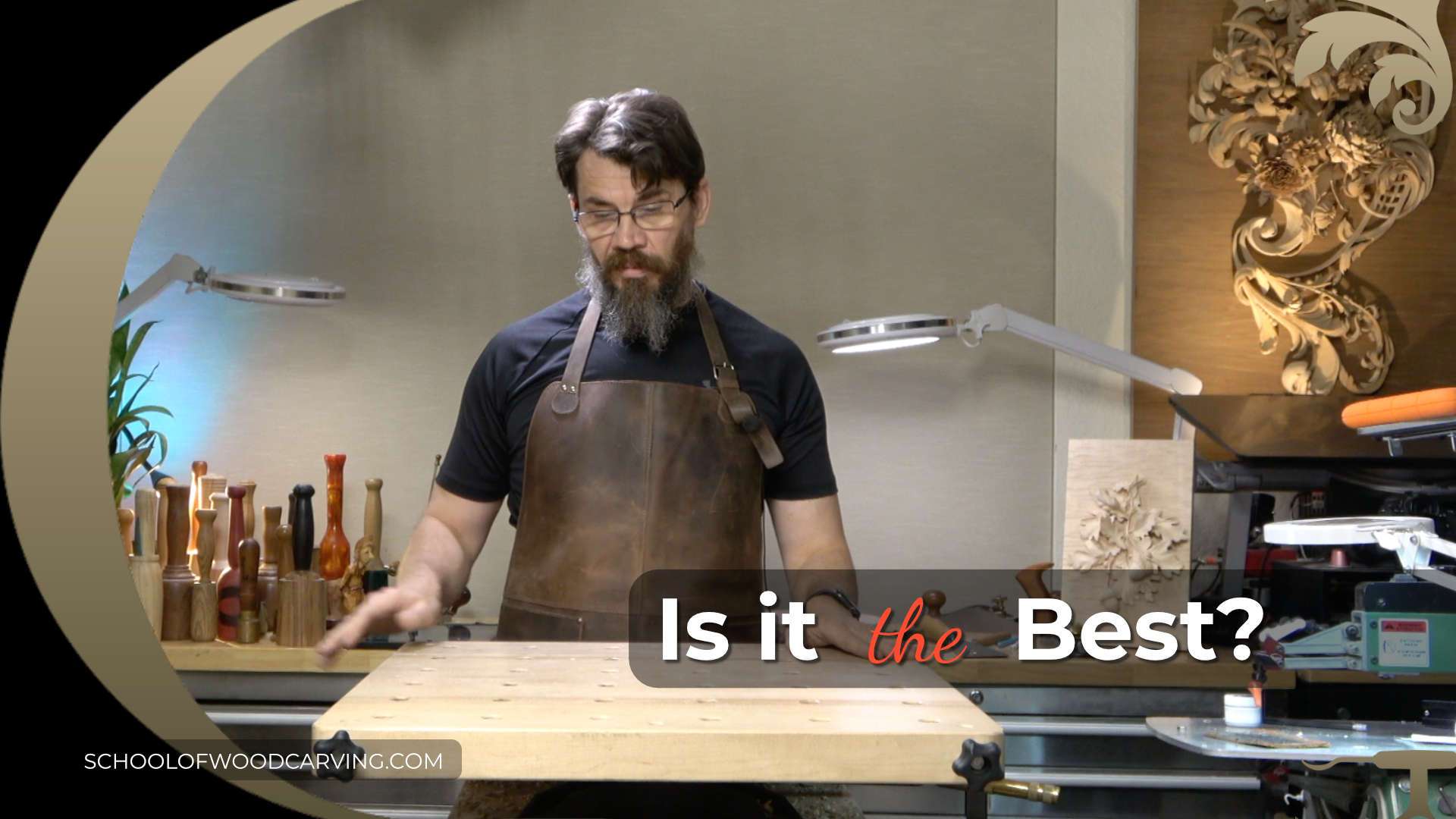
The best workbench for woodcarving is one that holds your wood still while you work. The Veritas Woodcarver's bench is my top pick because it has a hard maple top with plenty of dog holes for clamping odd-shaped pieces.
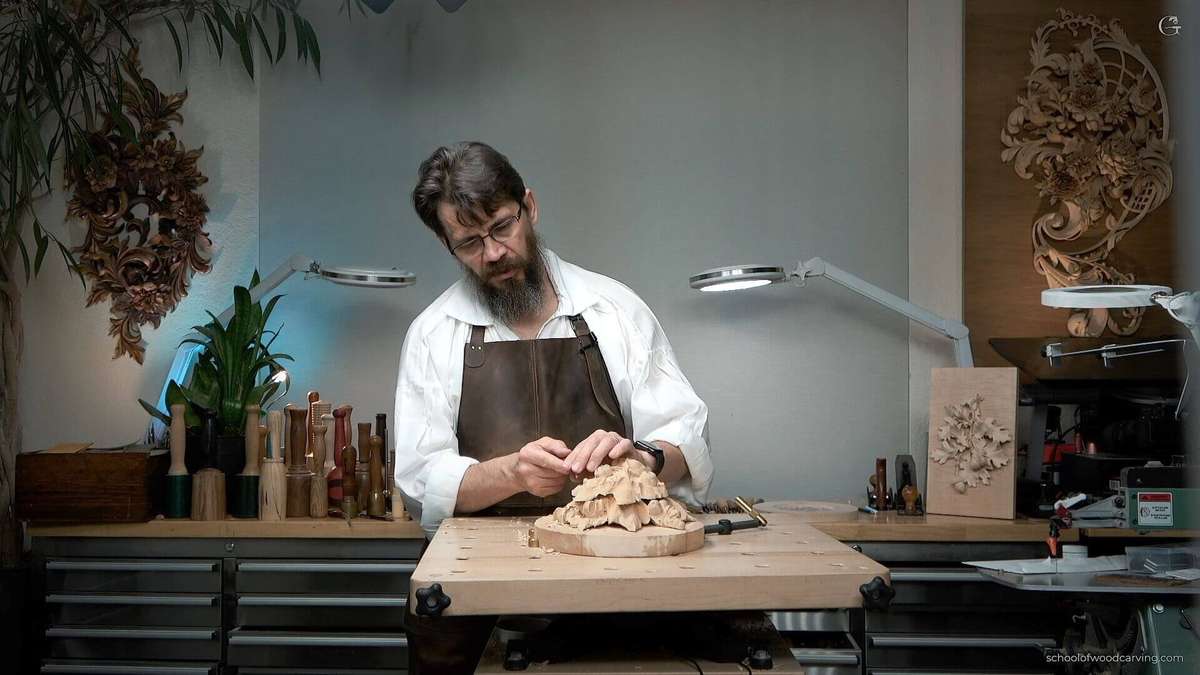
If you want to carve well, you need a solid workbench. No store-bought bench will ever be as perfect as one you build to fit your own needs. But if you do want to buy one, I will tell you what I think is the best: the Veritas Woodcarver's bench.
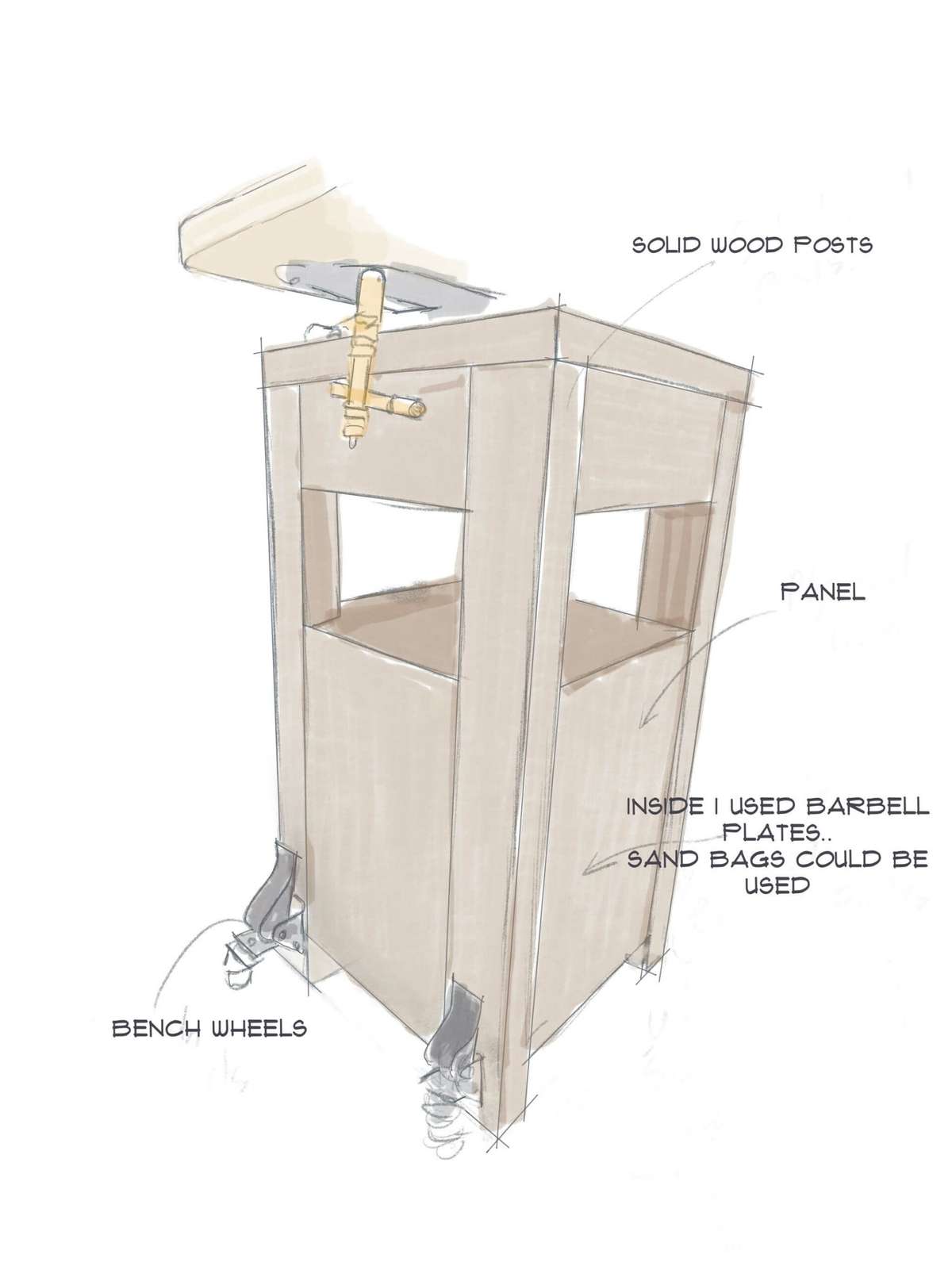
Some folks say those cast iron legs on the Veritas bench are not great. I agree. Cast iron legs just do not work for me. So what do you do? You build your own stand. It is a good DIY project, and it will be worth every minute.
The top is a different story. Veritas makes a great hardwood bench top. It has all the dog holes you need to secure your carving projects, and it is made from hard maple. That is what I call a workbench.
What makes a good woodcarving workbench?
Any carver's shop needs a solid workbench. Without a solid work surface, you are fighting your wood the whole time. One wrong move, and your piece can turn into a pile of splinters.
I know what makes a great workbench after years at the bench. Here is what matters most:
A solid top: Hard maple is tough. It takes abuse from your mallet and gouge without complaining.
Dog holes: These holes let you use holdfasts and clamps to secure odd-shaped pieces. You can lock down your work with confidence.
Good height: Your bench should sit at about the height of your elbow, so you don't have to bend over it. This saves your back.
A sturdy base: The bench must not move when you push a V-tool through basswood. If it wobbles, you cannot carve well.
The Veritas top is hard maple. It has just enough give to keep your tools from slipping, but it will not warp on you. The dog holes let you secure even small relief carving projects. And it works with any 19mm (3/4 inch) accessories from other brands.
Why choose the Veritas Woodcarver's bench?
The Veritas workbench has the qualities that make it good for carvers. Let me break it down.
Is the construction quality good enough for daily carving?
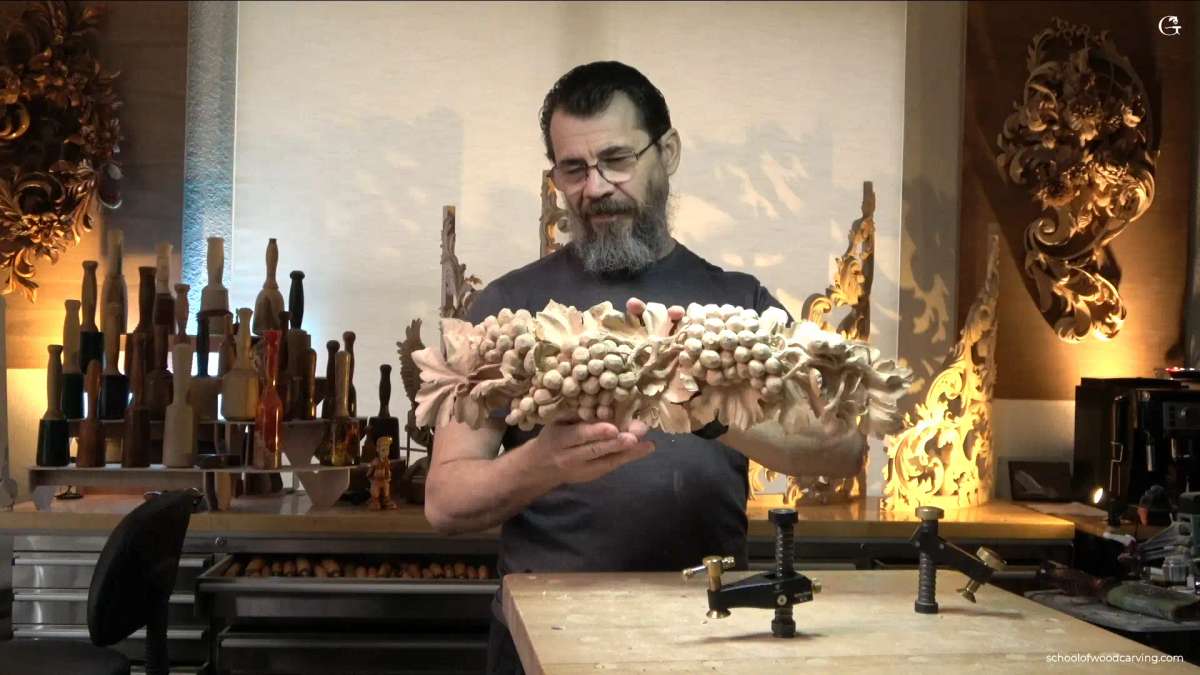
Yes. You do not want to worry about your bench breaking or warping. The Veritas workbench is built to last. The hard maple top can take years of pounding and will not splinter easily. The grain is tight, so your tools will not catch on the surface when you slide work across it.
Can one bench handle both small and large carving projects?
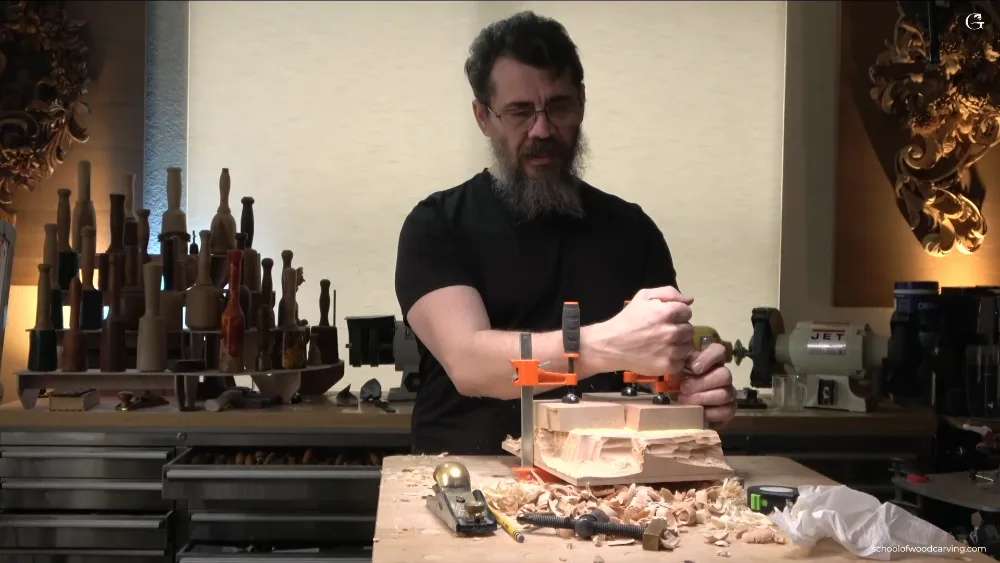
Yes. The Veritas bench works for many project sizes. Whether you are working on small, detailed pieces or larger relief carvings, this bench has you covered. The dog holes are spaced well for different project sizes. You can add clamps and holdfasts right where you need them.
How easy is it to secure your wood on this bench?
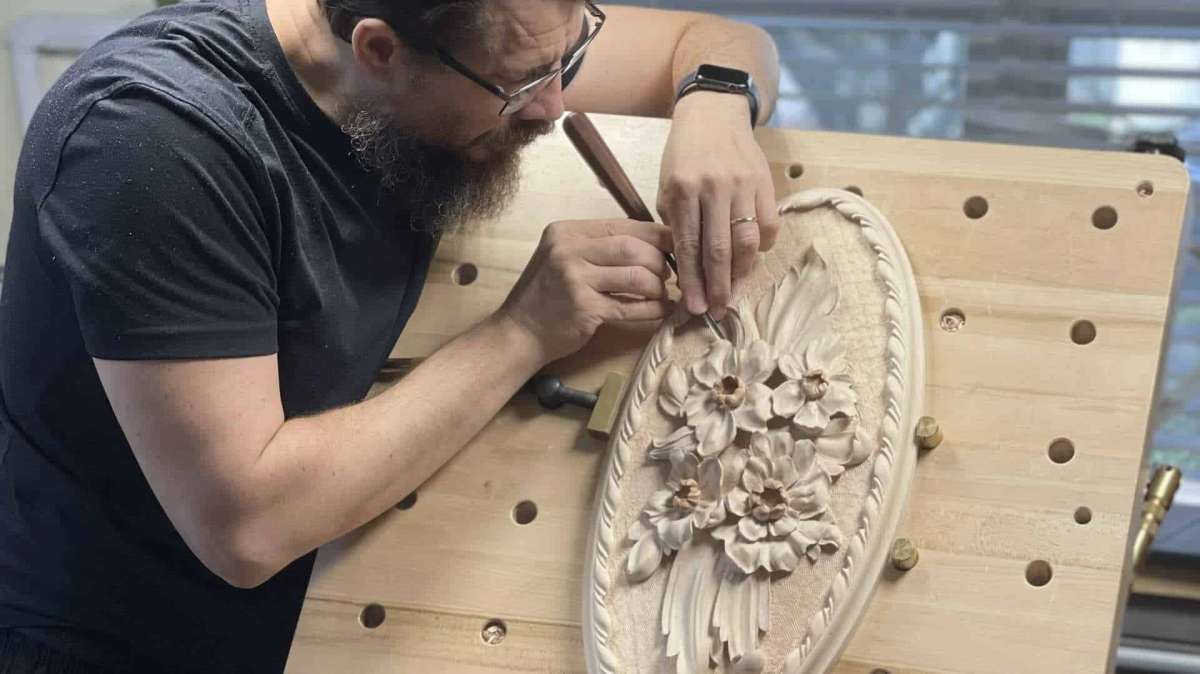
It is easy. As a carver, you want to focus on your project, not fight a clunky bench. The built-in vise and holdfasts let you secure your workpiece fast. You just clamp it down and carve away without the wood shifting. It is like having an extra pair of hands.
If you want to learn more about holding your work, check out our guide on woodcarving tools and equipment. The right tools and bench work together. For more on bench vises, the Veritas Tools website has good details on their hardware.
Should you build your own carving bench?
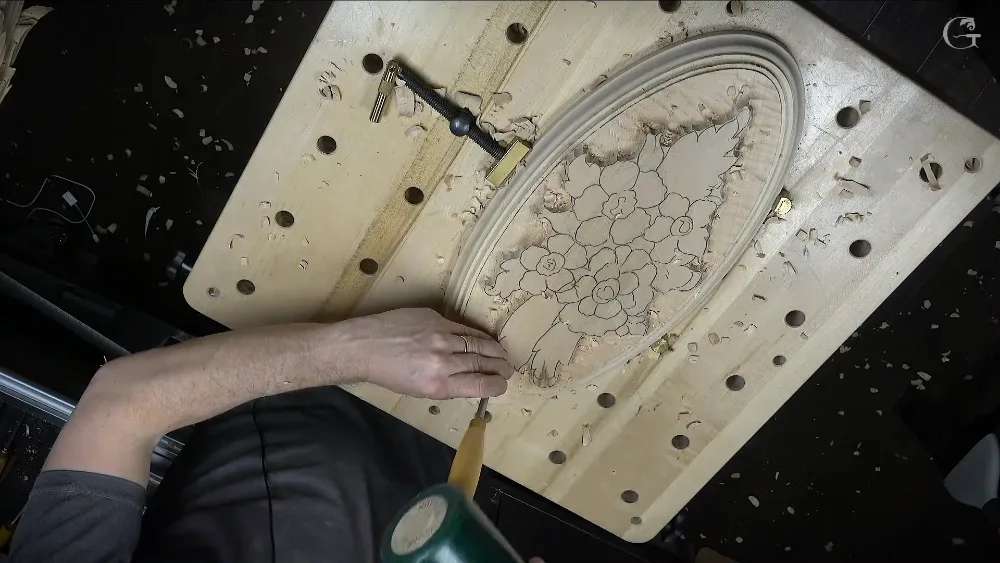
You can build your own woodcarving workbench, and many carvers prefer it. A DIY bench lets you pick the height, the wood, and the number of dog holes. Hard maple is a great choice for the top. You can build a simple frame from construction lumber and add a thick top.
The legs on the Veritas bench are cast iron. Some folks do not like them. Building your own stand fixes that problem and saves money too. If you are just starting out, you can find helpful tips in our beginner woodcarving guide.
Frequently Asked Questions
What is the best workbench for woodcarving?
The Veritas Woodcarver's bench is the best workbench for woodcarving because it has a hard maple top with plenty of dog holes for holding your work. The top is solid and takes abuse from your gouge and mallet. You can use any 19mm (3/4 inch) accessories from other brands too.
How tall should a wood carving bench be?
A wood carving bench should sit at about the height of your elbow. That way you don't have to bend over it, and you can work all day long without a backache. Stand next to the bench and pretend to hold a V-tool. If it feels natural, the height is right.
Do I need a vise on my carving workbench?
Yes, a vise helps hold your wood still so both hands can work the tools. When you push a gouge through basswood, the wood wants to move. A good vise keeps it put. Dog holes with holdfasts work just as well for many relief carving projects.
Can I build my own woodcarving workbench?
Yes, you can build your own woodcarving workbench. A DIY bench lets you fit it to your exact needs. You pick the height, the wood, and the number of dog holes. Hard maple is a great choice for the top. You can build a simple frame from construction lumber.
What wood is best for a carving bench top?
Hard maple is the best wood for a carving bench top because it is dense, smooth, and resists dents from your mallet. It holds up to years of pounding and does not splinter easily. Other good options include beech and birch. Softwoods like pine are cheaper but will dent and wear out fast.
Frequently Asked Questions
What is the best workbench for woodcarving?
The Veritas Woodcarver's bench is the best workbench for woodcarving because it has a hard maple top with plenty of dog holes for holding your work. The top is solid and takes abuse from your gouge and mallet. You can use any 19mm (3/4 inch) accessories from other brands too.
How tall should a wood carving bench be?
A wood carving bench should sit at about the height of your elbow. That way you don't have to bend over it all day. If your bench is too high, your shoulders will ache after an hour. Too low, and your back pays for it.
Do I need a vise on my carving workbench?
You do need a vise or holdfast system on your carving workbench to keep the wood from shifting while you cut. Dog holes with holdfasts work just as well as a vise for most carving. The wood has to stay put. If it moves, your V-tool slips and ruins the grain.
Can I use a regular woodworking bench for carving?
You can use a regular woodworking bench for carving, but it may not hold odd-shaped pieces as well as a carving bench. Regular benches have vises made for flat boards. Carving blocks and relief pieces are round or uneven. Dog holes solve that problem because you can clamp anywhere on the top.
What wood is best for a carving bench top?
Hard maple is the best wood for a carving bench top because it is tough and will not splinter when you pound on it with a mallet. Basswood is great for carving, but it is too soft for a bench top. Your tools would dig into it. Hard maple takes the beating and stays flat for years.
The best workbench for woodcarving is one that holds your wood still while you work. This table compares the two main paths so you can pick what fits your shop.
Feature | Veritas Woodcarver's bench top | DIY carving bench |
|---|---|---|
Top material | Hard maple, ready to carve on | Your choice, but hard maple costs money |
Dog holes | Already drilled, spaced for carvers | You drill them, you pick the spacing |
Height | Fixed, you work around it | You set it to your elbow height |
Base | Cast iron legs, some folks dislike them | You build the stand, so it does not wobble |
Cost | More money up front | Less money, more of your time |
Best for | Carvers who want to start carving today | Carvers who like building as much as carving |