Wood Species Guide · August 27, 2024 · Updated August 12, 2026
By Alexander Grabovetskiy — Master Woodcarver · Founder, School of Wood Carving · 14 min read
Is Balsa Good for Carving?
Is Balsa Good Wood For Carving


Is Balsa (Ochroma pyramidale) Good for Carving by Hand?
Balsa wood, despite being classified as a hardwood, is one of the softest woods available and is extremely light. Due to its low density and softness, it’s particularly easy for hand carving. But be aware, it’s so soft that your tools might feel like butter knives! (OK, not literally, but close.)
Balsa wood is super lightweight and soft, although it’s officially called a hardwood. This means it’s very easy to carve with simple tools (your tools will glide through it like a hot knife through butter). Its specific gravity and Janka hardness aren’t explicitly noted, but trust me, it’s the softest commercial hardwood you’ll come across.
The best wood for hand carving isn’t always the hardest or the heaviest; sometimes, it’s the one that melts under your tools.
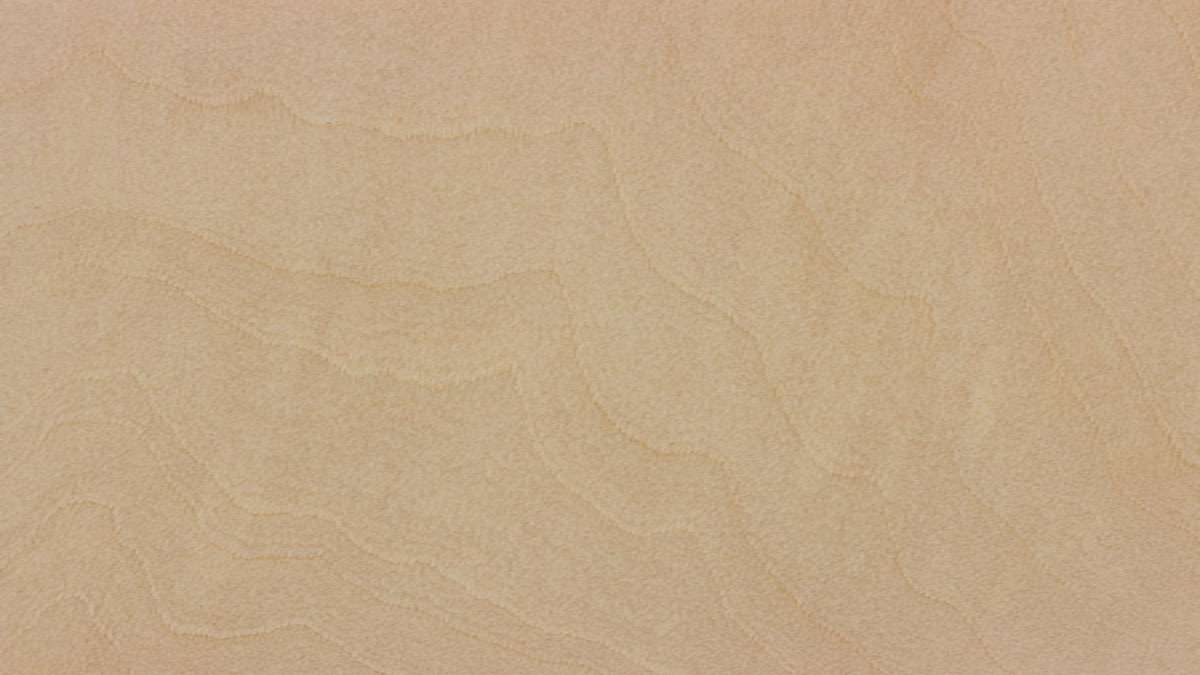
Grain and Texture of Balsa.

Is Balsa Hardwood or Softwood?
Balsa wood, despite its softness, is classified as a hardwood due to its broad leaves and lack of conifer characteristics. It is known for being the softest commercial hardwood available. Its scientific name is Ochroma pyramidale.
Imagine a tree that’s really tall (like 100 feet) but as light as a feather. That’s Balsa for you! although it’s technically a hardwood, it’s super soft. Think of it like a marshmallow in a forest of strong trees—easy to cut but still called a “hardwood.”
Balsa may feel like butter under a chisel, but it’s technically a hardwood. Words can be tricky like that.

What are common names of Balsa?
Balsa wood, scientifically known as Ochroma pyramidale, is commonly referred to as Balsa Tree or simply Balsa Wood. Despite being classified as a hardwood due to its broad leaves, Balsa is incredibly lightweight and soft, making it unique among hardwoods. Just don’t expect it to lift your heavy-duty projects; it’s more of a “lightweight champ” in the wood family!
Balsa wood has a scientific name of Ochroma pyramidale and is often known as Balsa Tree or Balsa Wood. Balsa might be called hardwood, but it’s really soft and light, so it’s great for projects that need to be light but strong. It’s like if you made a house out of marshmallows—but much stronger!
Balsa is the lightweight heavyweight of the hardwood world; it’s strength lies in its surprising softness.
Note: “Collection” keywords were irrelevant to the text provided and were so not included.

What is the Scientific Name of Balsa?
The scientific name of Balsa Wood is Ochroma pyramidale. This material is classified as hardwood, although it is notably soft. Balsa trees can reach heights of up to 30 meters (100 feet).
Think of Balsa as a misunderstood celebrity of the wood world. It’s a hardwood (because it has broad leaves) but it’s lighter and softer than you’d expect. This tree can grow very tall—up to 100 feet!—making it a real giant in the forest. It’s like thinking the Hulk can do ballet. So, when you hear ‘Ochroma pyramidale,’ that’s just a fancy name for our good friend, Balsa Wood. OK?
“In woodworking, as in life, names can be deceiving. It’s the qualities that matter.”
How Big Does a Balsa Tree Get?
Balsa trees, scientifically known as Ochroma pyramidale, can reach heights of up to 30 meters (approximately 100 feet). Despite being categorized as a hardwood, its wood is incredibly soft and lightweight. If you want a massive source of soft hardwood, Balsa is your go-to tree—think of it as the gentle giant in the forest!
Imagine a tree as tall as a 10-story building. That’s how big a Balsa tree can grow! It’s really light and soft although it’s called a hardwood. Next time you see a Balsa wood piece, remember it likely came from a super tall tree.
“Understanding the size and properties of Balsa trees helps you appreciate the marvels of nature—how something so tall can be so light and soft.”
Feel free to copy and paste this HTML directly into your WordPress post.
Average Dried Weight: 10 lbs/ft³ (160 kg/m³) of Balsa
Balsa wood, known scientifically as Ochroma pyramidale, is classified as a hardwood despite its extremely soft nature. Its average dried weight is just 10 lbs/ft³ (160 kg/m³), making it incredibly light. If you drop a piece, it might just float away! (Don’t worry, it’s still great for woodcarving.)
Balsa wood might sound fancy, but it’s just really, really light. Think of it like a feather—it doesn’t weigh much, and that makes it useful for all kinds of projects where you don’t want heavy pieces. It’s easy to cut and shape, so even beginners can have fun with it. Just remember, it’s a hardwood that’s soft (kinda funny, right?).
“Even the lightest wood can carry the heaviest dreams.”
What is the Specific Gravity of Balsa Wood?
Balsa Wood (Ochroma pyramidale) is classified as a hardwood despite being very soft and lightweight. The average dried weight is 160 kg/m³, which allows us to deduce a specific gravity of approximately 0.16. Easily shaped and carved, Balsa’s unique properties make it perfect for lightweight models but don’t expect it to win any tree arm-wrestling championships!
Think of Balsa Wood as the feather of the wood world. although it’s called a hardwood, its lightness and softness make it fun and easy to carve into shapes. It’s almost like carving a bar of soap or a piece of chalk – super light and easy to handle!
Balsa Wood is proof that even the lightest and softest can still be considered strong in its own way.
What is the Janka Hardness of Balsa Wood?
Balsa wood, known scientifically as Ochroma pyramidale, is classified as a hardwood despite being incredibly soft. It’s often noted as the softest commercial hardwood because of its low density (160 kg/m³ or 10 lbs/ft³). If Janka Hardness were a contest, Balsa might just win for “softest touch.”
Balsa wood is a unique type of wood because, although it is a hardwood, it is very soft and light. It grows as a tall tree and doesn’t have needles like pine trees, which is why it’s called hardwood. Think of it as the flying squirrel of the wood world—light and soft but technically still a “hardwood.
“Balsa teaches us that strength isn’t always about hardness; sometimes it’s about flexibility and lightness.”
What is the modulus of rupture of Balsa wood?
The modulus of rupture for Balsa wood isn’t explicitly stated, but it’s known to be quite low due to its extremely soft nature. While Balsa is classified as a hardwood, it has broad leaves which make it softer and less dense. This means the wood can bend more easily under stress, making it ideal for lightweight projects like model airplanes. Why did the Balsa wood break up with the other woods? Because it couldn’t handle the pressure!
Imagine Balsa wood is like a super bouncy ball. It’s a kind of wood that’s really good at bending and won’t snap easily. That’s why it’s used for making things that need to be light and strong, like toy planes.
“Understanding the strength and flexibility of Balsa wood helps us choose the right material for lightweight yet sturdy projects.
What is the Elastic Modulus of Balsa Wood?
Balsa wood, known scientifically as Ochroma pyramidale, is an extremely soft hardwood with anisotropic properties. Its elastic modulus varies in different directions, making it unique among hardwoods. Think of it as a flexible friend that bends differently depending on where you push it. (Just don’t try sitting on a balsa chair!)
Balsa wood, although it’s light and soft (it weighs only about 160 kg/m³ when dried), is classified as a hardwood. It’s special because its elastic properties change in different directions. Imagine it like a rubber band; stretch one way, it’s easy, but twist another, it’s tough!
“The beauty of balsa lies not in its strength, but in its resilient flexibility, bending without breaking.”
What is the Crushing Strength of Balsa Wood (Ochroma pyramidale)?
Balsa wood, though classified as a hardwood, is one of the softest woods available. The crushing strength is not explicitly stated, but Balsa has unique properties making it extremely lightweight (10 lbs/ft³) and anisotropic. In short, it’s got strength in some directions, but don’t count on it to hold up a building! (Unless it’s a model airplane.)
OK, so Balsa is a hardwood but feels super soft. It’s as light as a feather and can grow as tall as 30 meters! It’s strong in some directions but not others, making it special for certain projects (like fun with lightweight models).
In the tale of wood carving, it’s not just the strength that matters, but how you shape the wood that defines its true purpose.
Shrinkage of Balsa Wood?
Balsa wood, scientifically known as Ochroma pyramidale, is a hardwood that’s paradoxically extremely soft. Despite its light weight and softness, it’s prone to shrinkage, especially in radial, tangential, and volumetric dimensions. Don’t worry though, it’s still great for many woodcarving projects—just keep an eye on the size or your masterpiece might end up on a diet!
Imagine Balsa wood as a soft sponge—it gets smaller if it dries out. When it dries, it can shrink in several directions: up and down (radial), side to side (tangential), and all around (volumetric). So when you’re making something with Balsa, plan for it to get a bit smaller once it dries.
Balsa wood may shrink, but it’s the imperfections that make a wooden masterpiece unique.
- Hardwood or Softwood:
- Hardwood
- Common Name(s):
- Balsa Tree, Balsa Wood
- Scientific Name:
- Ochroma pyramidale
- Tree Size:
- Can grow up to 30 meters (100 feet) tall
- Average Dried Weight:
- 160 kg/m³ (10 lbs/ft³)
- Specific Gravity:
- Not explicitly stated, but can be calculated from density
What is the color and appearance of Balsa wood?
Balsa wood (Ochroma pyramidale) is typically pale to light tan in color, without any dramatic grain patterns. It’s very lightweight and soft, which makes it popular for model building and lightweight structures. A big bonus: you can carve it with a butter knife! (Just kidding, mostly.)
Balsa wood looks plain and is very light in color, usually a pale cream or off-white. Its grain isn’t fancy but it’s super easy to carve, even with beginner tools. Trust me, if you want to start carving, you can’t go wrong with Balsa.
“In woodcarving, the tool matters, but the wood’s willingness to be shaped matters even more.”
What is the grain and texture of Balsa wood?
Balsa wood, despite being a hardwood, is known for its soft texture and straight grain. The wood is lightweight, has a fine, even texture, and is easy to work with carving tools. This makes Balsa a favorite in model building and woodcarving, despite its surprising classification as a hardwood because of its soft nature. (It’s like the teddy bear of hardwoods – cuddly but still part of the club!)
Imagine having a piece of wood that is light as a feather and feels smooth when you touch it. That’s Balsa wood. It has straight lines running through it, making it look neat and tidy. It’s easy to cut and shape, almost like carving butter, which is why people love using it to make small models and art pieces.
“Even the softest wood can create the strongest art when shaped with skill and patience.”
What is the Rot Resistance of Balsa Wood?
Balsa Wood is not known for its rot resistance. Due to its lightweight and porous nature, it tends to decay quickly when exposed to moisture and pests. For outdoor projects, it’s better to choose more resistant woods like oak or walnut—unless you want to see mushrooms grow faster than your carvings!
If I had to explain this simply, Balsa Wood is kind of like a sponge—it’s really soft and can soak up water easily. Because of this, it doesn’t last long if it gets wet or if bugs get into it. Other woods, like oak and walnut, are way better at staying strong outside.
“Choose your wood wisely; even the softest tree may turn your masterpiece into a mushroom garden.”
What is the workability of Balsa Wood (Ochroma pyramidale)?
Balsa wood, although classified as a hardwood, is extremely soft and lightweight, making it easy to cut, shape, and sand. Distinctively, it is the softest commercial hardwood with an average dried weight of just 160 kg/m³ (10 lbs/ft³). Just remember, if Balsa wood had feelings, it would probably say, “Handle with care, please!”
Balsa wood is very light and super easy to cut and shape. It’s like the marshmallow of woods but in a good way. You can use almost any tool, and it won’t give you much trouble. Just be gentle; it’s really soft.
True creativity lies not in what you carve but in how you touch the wood, understanding its heart through every cut.
What is the Odor of Balsa Wood?
Balsa wood, despite being a hardwood, has a very mild and neutral odor. It’s light, easy to carve, and most woodcarvers appreciate its pleasant, almost nonexistent smell. It’s so light, it might just float away with your worries. (Not literally, of course!)
Balsa wood smells almost like nothing! It’s super light and easy to work with. Imagine carving something that doesn’t make your nose wrinkle even a bit.
In the world of woodcarving, sometimes the softest touch leaves the strongest impression.
What are the allergies and toxicity risks associated with Balsa wood?
Balsa wood (Ochroma pyramidale) is usually considered non-toxic and low-risk in terms of allergies. But, like with any wood, the sawdust can cause eye, skin, and respiratory irritation if proper safety measures are not taken. In woodworking, always “saw” dust coming as a sneeze without a cover!
Balsa wood might look innocent, but it can still cause some issues. When you cut or sand it, tiny wood dust particles can get into your eyes, skin, or nose. This might lead to itching, sneezing, or a bit of coughing. It’s like getting poked by a very gentle, itchy stick!
In the world of woodworking, even the softest wood can teach hard lessons about staying safe.

What are Common Uses of Balsa Wood?
Balsa wood, despite being a hardwood, is incredibly soft and lightweight, making it ideal for model building, lightweight structures, and crafts. It’s often used for model airplanes, architectural models, and even surfboards and rafts. Trust me, if balsa wood had a gym membership, it would be the one skipping leg day!
Balsa wood comes from the Ochroma pyramidale tree, which can grow up to 30 meters tall. although it’s classified as a hardwood, it’s very soft, which makes it easy to cut and shape. Because it’s so light, people use it for making models, like toy airplanes and small boats. (Just imagine trying to make a toy airplane out of oak—good luck getting it off the ground!)
Light as a feather, strong as wisdom—balsa wood shows us how much potential can be packed into seemingly soft things.
The Light Touch of Balsa
In forests grand, the Balsa stands tall,
Yet whispers soft, like a feather’s call.
Though labeled hardwood, it bends with ease,
A sculptor’s dream, it aims to please.With tools in hand, the chisel glides,
Through smooth, pale grain where beauty hides.
Like butter it carves, a gentle delight,
Transforming visions into shapes so light.Model planes and crafts, its purpose sings,
A lightweight champion; it soars on wings.
In every cut, a story unfolds,
Of artistry born in soft-hued molds.So heed this truth in woodwork’s embrace,
It’s not the weight, but the joy in the chase.
For Balsa, with all its tender grace,
Creates lasting wonders, leaves no trace.

Balsa Wood (Ochroma pyramidale)
Topic Details Hardwood or Softwood Hardwood Common Name(s) Balsa Tree, Balsa Wood Scientific Name Ochroma pyramidale Tree Size Can grow up to 30 meters (100 feet) tall Average Dried Weight 160 kg/m³ (10 lbs/ft³) Specific Gravity Not explicitly stated, but can be calculated from density Janka Hardness Softest commercial hardwood Modulus of Rupture Not explicitly stated but known to be low Elastic Modulus Varies in different directions (anisotropic) Crushing Strength Not explicitly stated, soft nature limits strength Shrinkage Radial: Not specified%, Tangential: Not specified%, Volumetric: Not specified%, T/R Ratio: Not specified Color/Appearance Pale to light tan, smooth texture Grain/Texture Straight grain, fine and even texture Rot Resistance Not known for rot resistance, decays quickly in moisture Workability Very easy to cut, shape, and sand Odor Mild and neutral Allergies/Toxicity Usually non-toxic, but sawdust can cause irritation Pricing/Availability Widely available and affordable Sustainability Considered a sustainable choice in woodworking Common Uses Model building, architectural models, crafts, and lightweight structures