
204 articles in the archive · page 6 of 17
 In depth
September 6, 2024
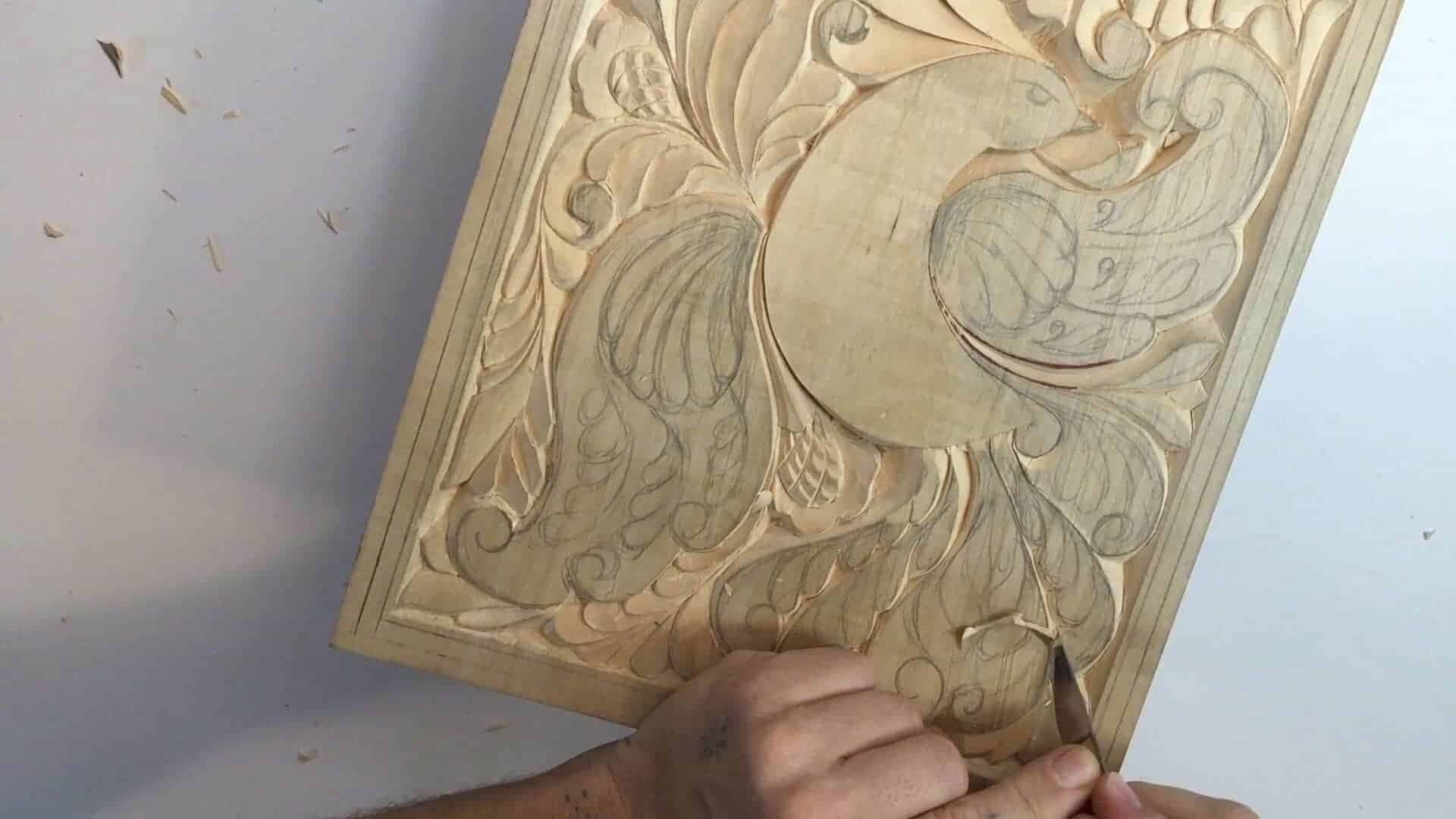
The best wood for carving in Ireland when you are starting out
Lime, the wood every carving book names first, is not an Irish tree. Sycamore, alder, willow, birch, ash and Scots pine are what you will really find, and each one behaves differently under a gouge. Janka numbers, the ash dieback problem, the bog oak trap, and where an Irish beginner actually buys a board.
 In depth
September 6, 2024
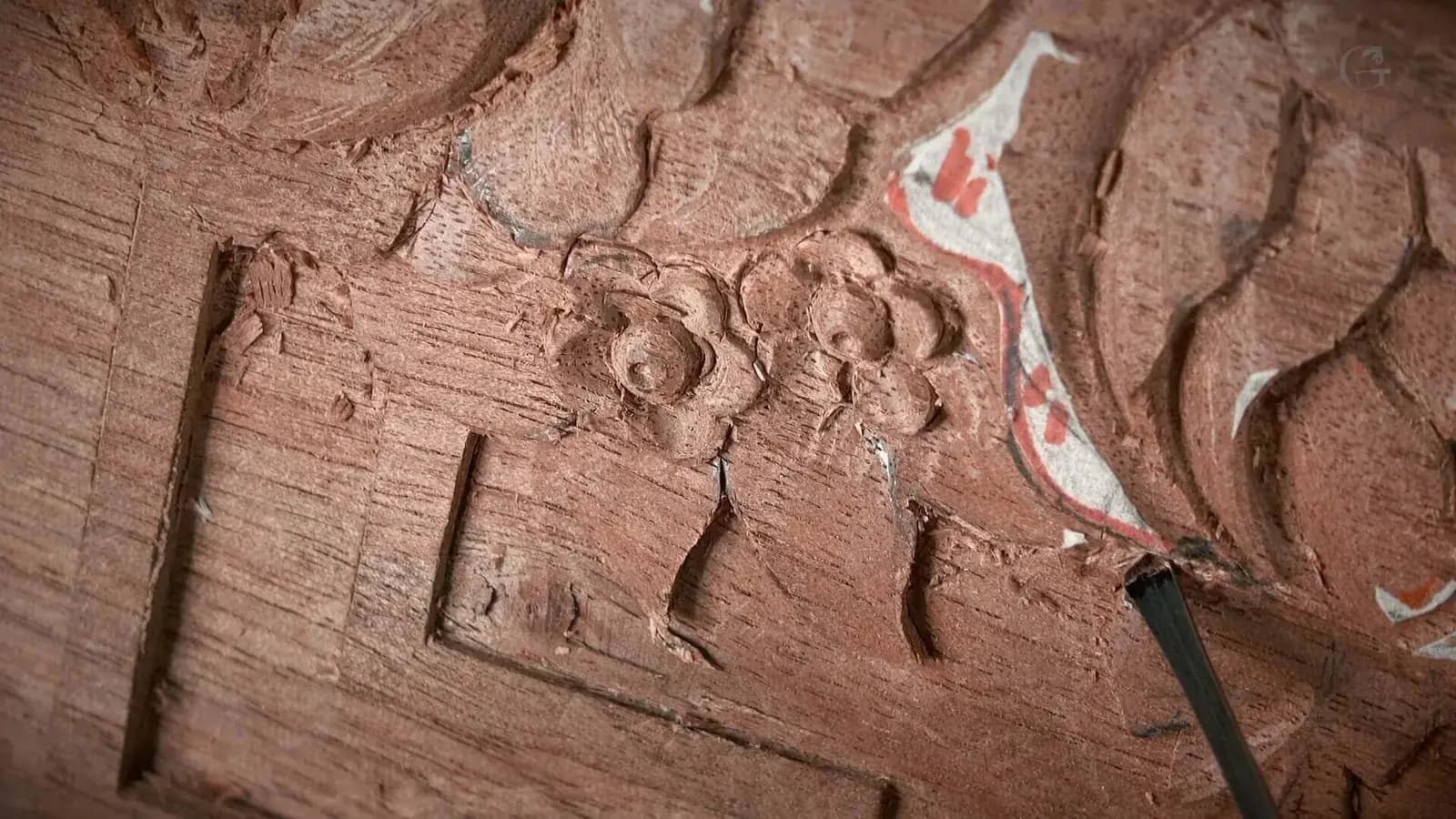
Common wood carving mistakes beginners make
You carved something and it came out wrong, and you cannot tell which minute of that hour ruined it. Every fault leaves its own signature in the fibres. Here is how I read the damage, name the mistake, and fix it.
 In depth
September 6, 2024
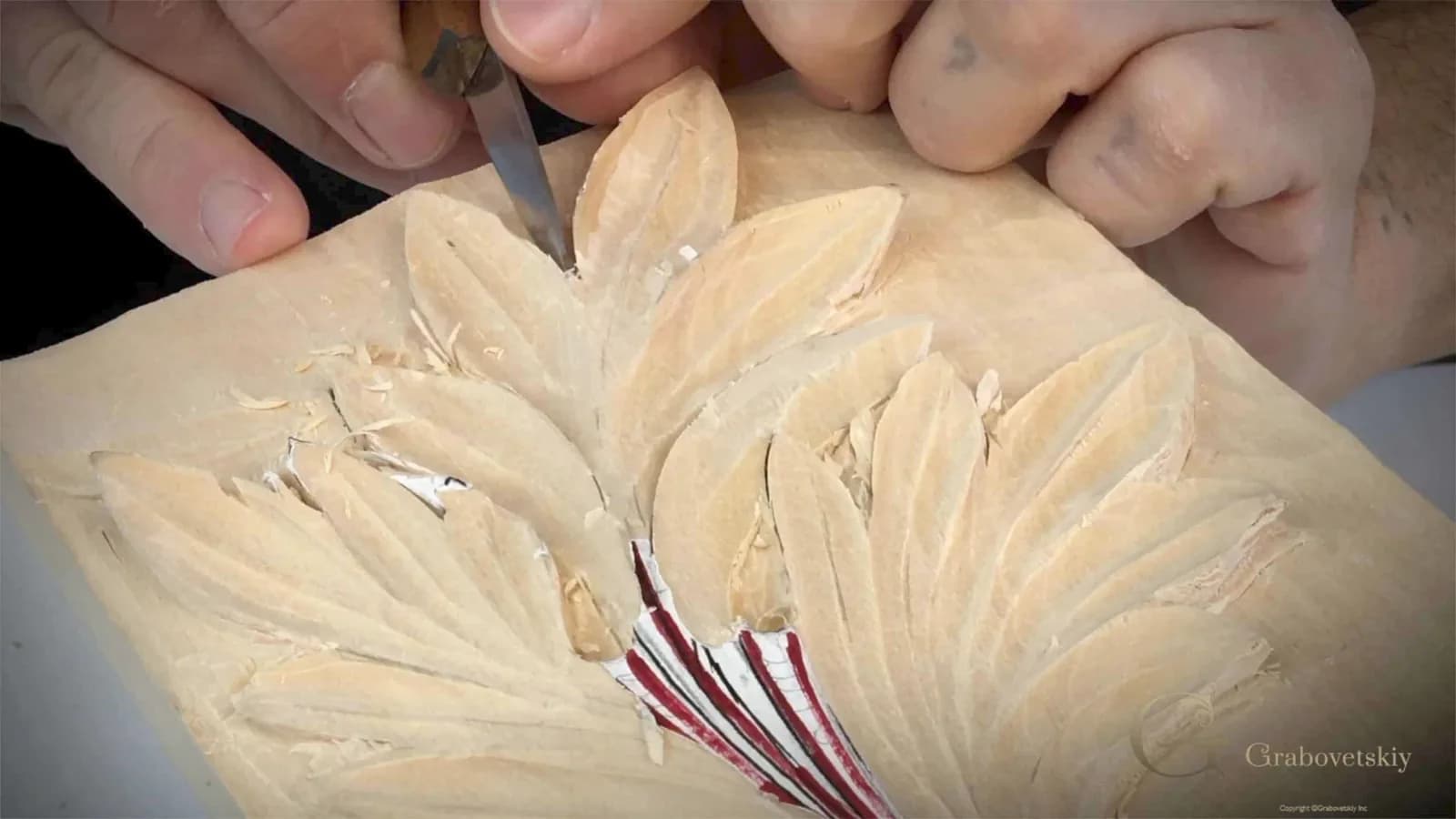
How can I improve my wood carving technique?
My teacher gave me paper before he gave me a gouge, and he had one answer for every complaint about wood. Here is his order, and the one thing about basswood I still cannot explain.
 In depth
September 5, 2024
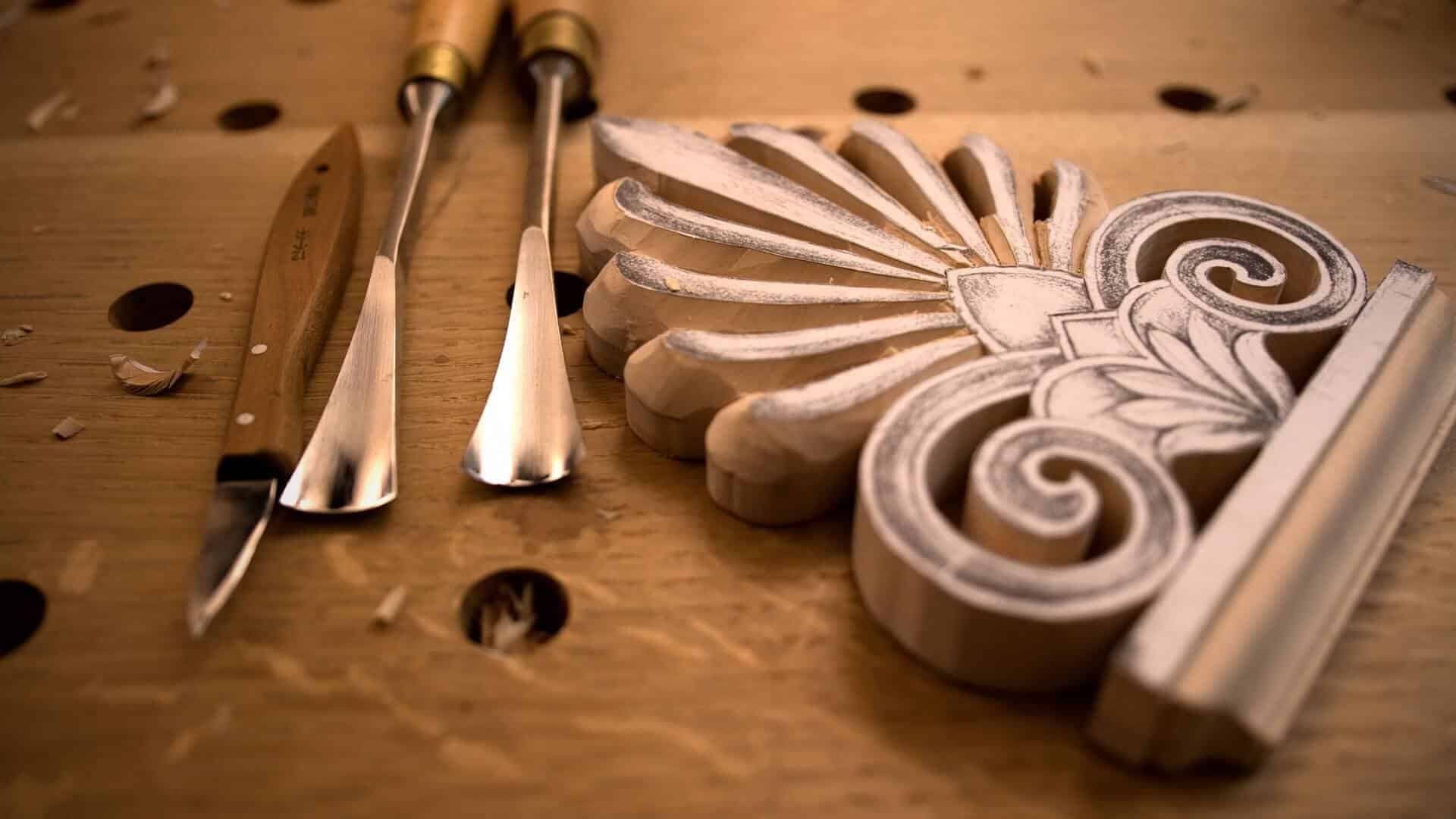
What are the best types of wood for beginners to practice carving?
Basswood at 410 lbf is the board I hand a beginner. Butternut sits right behind it. Here is why pine stays off my bench.
 In depth
September 5, 2024
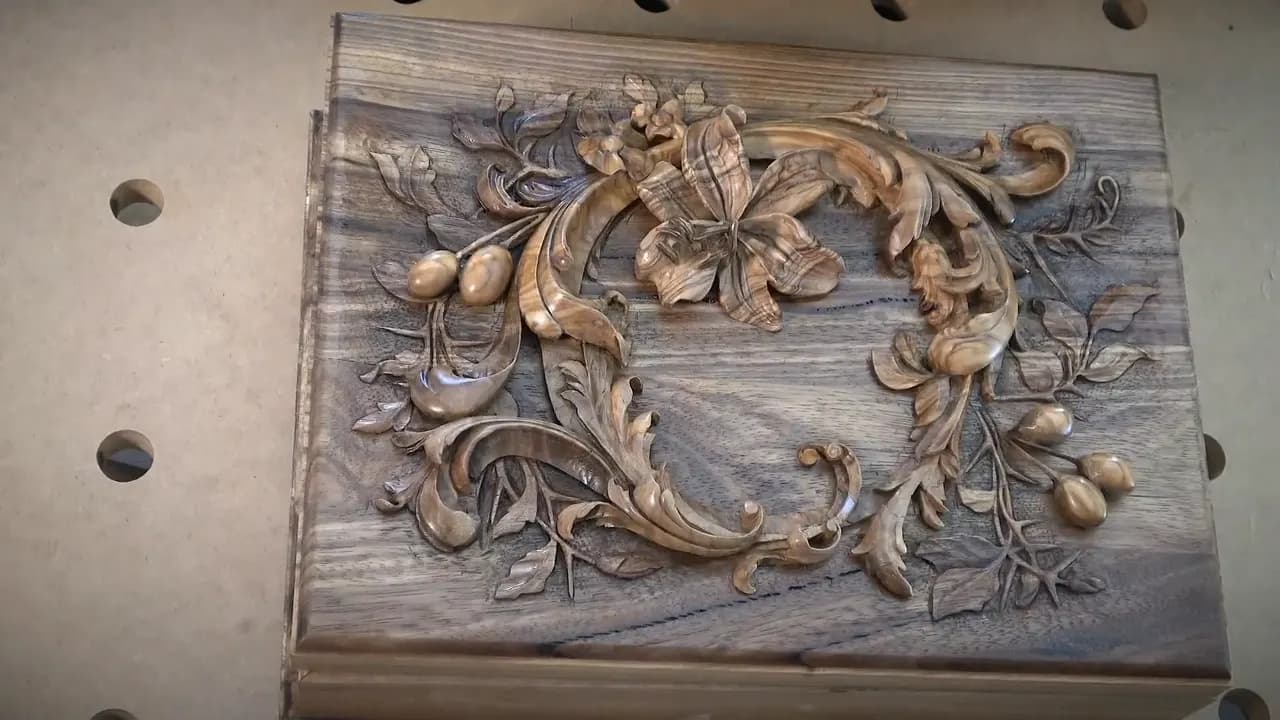
How many coats of lacquer should I apply for a durable finish on carving?
Four or five thin coats of lacquer on one carved box, sprayed low sheen. Why sheen beats the count. Shall we carve?
 In depth
September 5, 2024
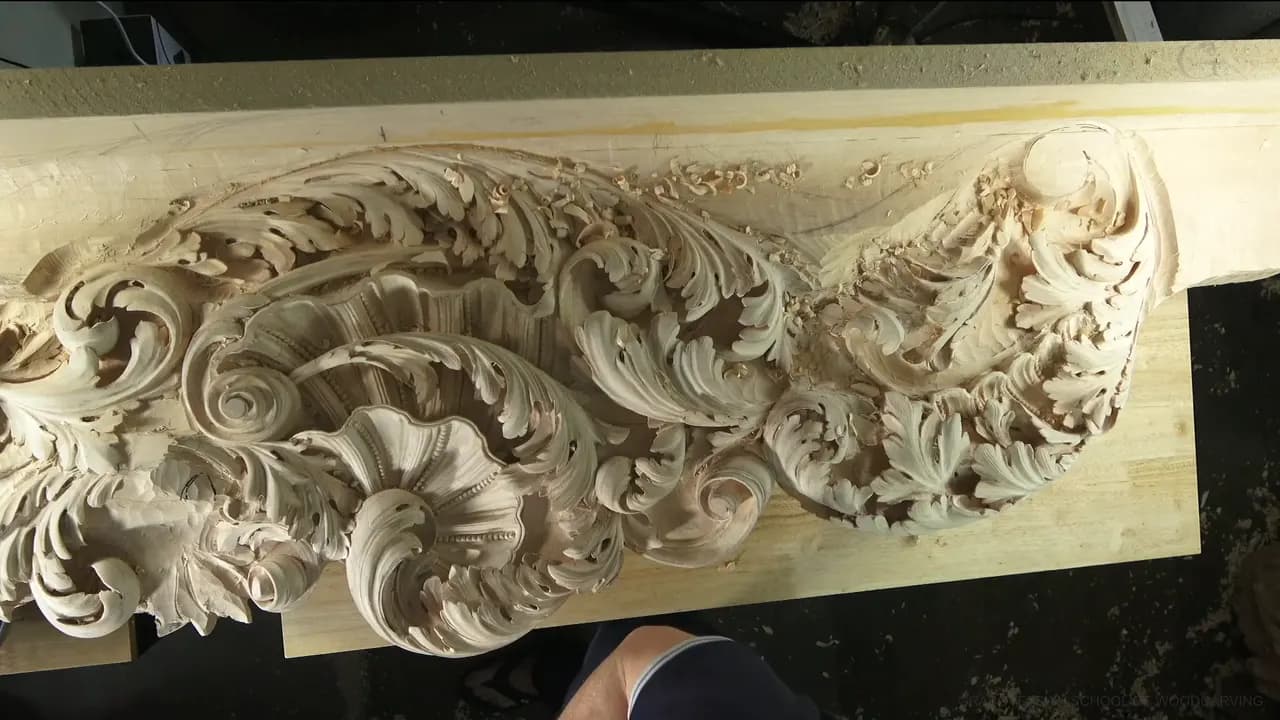
What are common mistakes to avoid in wood carving
A master carver names the common mistakes to avoid in wood carving, why each one happens, and what to do after you slip.
Everything above is free and stays free. The courses are where I put your hands on the gouge and watch what they do.
See what is inside →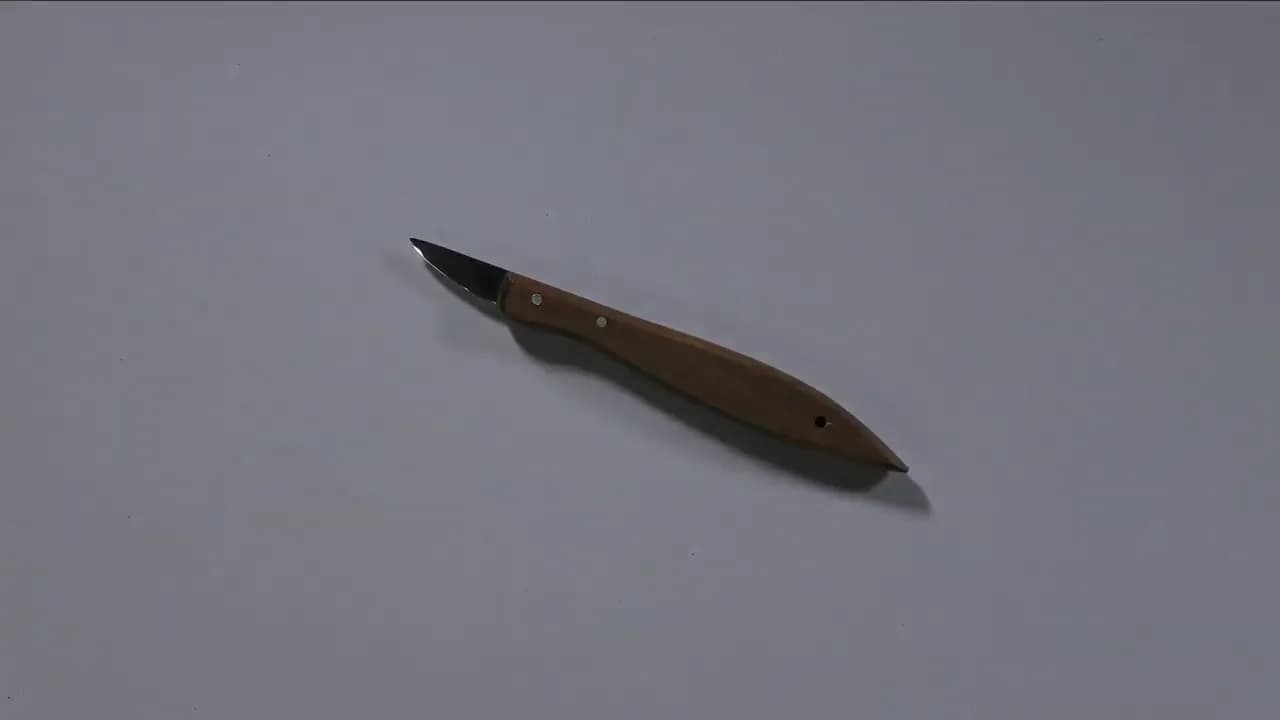 In depth
September 5, 2024
What are the best materials for beginners in wood carving?
One knife, a basswood board, a strop, and a way to hold the work. The best materials for beginners in wood carving.
 In depth
September 5, 2024
What are the best softwoods for beginners to practice wood carving?
A master carver ranks the best softwoods for beginners and shows why softness is the wrong reason to pick a first board.
 In depth
September 5, 2024
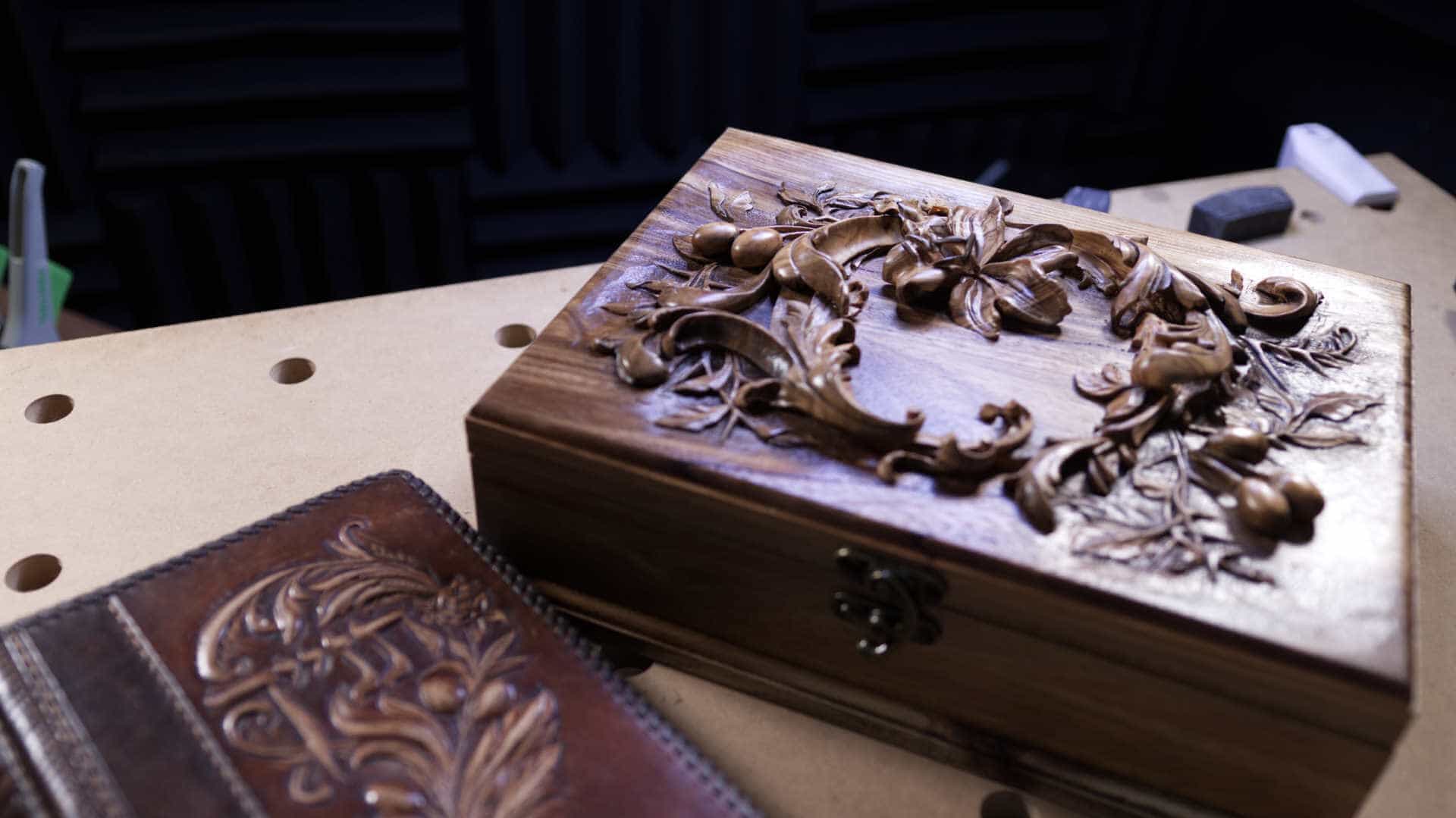
How does a lacquer finish on wood carvings actually work?
Lacquer forms its film by evaporation rather than by curing, so every pass melts into the last and the coats become one skin. Here is what that skin does to a carved edge, to the shadow in a deep cut, and to a piece ten years from now.
 In depth
September 4, 2024
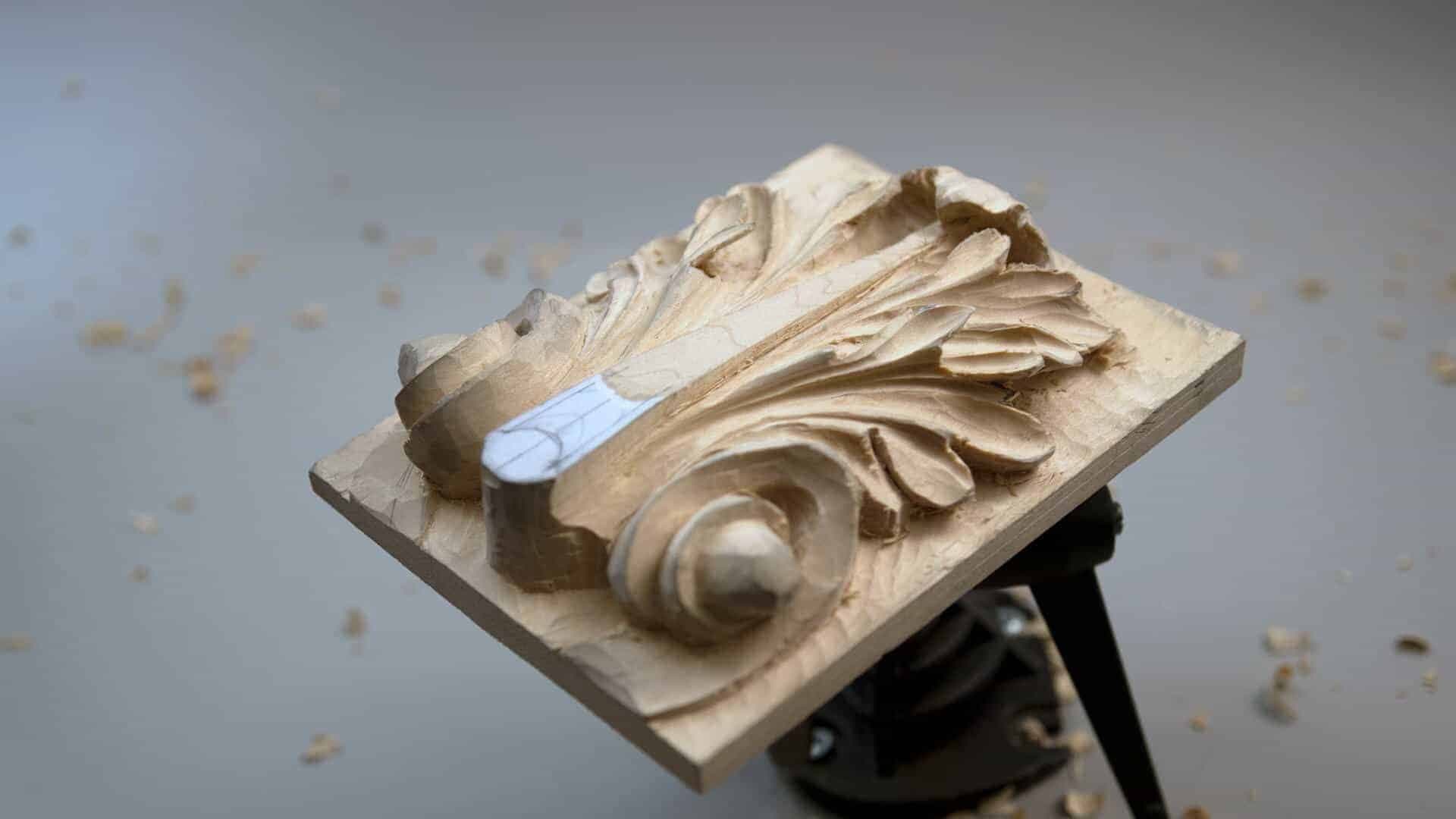
Wood Carving Finishes and Sealants
Oil soaks in, film sits on top, and that one choice decides whether your cuts read or drown. My actual picks, with the numbers behind them.
 WOOD for Wood Carving
September 4, 2024
Is Bloodwood, Satine Good for Carving?
 WOOD for Wood Carving
September 4, 2024
Is Red Bloodwood Good for Carving?