

Wood Species Guide · September 1, 2024 · Updated August 12, 2026
By Alexander Grabovetskiy — Master Woodcarver · Founder, School of Wood Carving · 16 min read
Is Birch, sweet Good for Carving?
Is Birch, sweet Good Wood For Carving

Is Birch, sweet Betula lenta, good for carving by hand?
Sweet birch (Betula lenta) earns its reputation as a decent option for hand carving because of its hardwood nature and relative hardness. It’s durable and provides a fine finish, but may require more effort to carve. Just remember, carving sweet birch is like doing a workout—good for the soul but tough on the muscles!
Sweet birch is a hardwood, so it can take more effort to carve compared to softer woods. It grows pretty big—up to 80 feet tall—and is heavy, making it a bit tricky to handle. Its hardness (900-1300 psi) makes it durable but you might feel like you’re competing in a wood-crafting Olympics!
- Type: Hardwood (Sweet Birch, Black Birch, Cherry Birch)
- Tree Size: 70-80 feet tall, trunk diameter 24-60 inches
- Weight: 3.80 lb/ft³ (0.61 g/cm³)
- Specific Gravity: 0.71
- Janka Hardness: 900-1300 psi
“In woodcarving, just like in life, the harder the challenge, the sweeter the reward.”
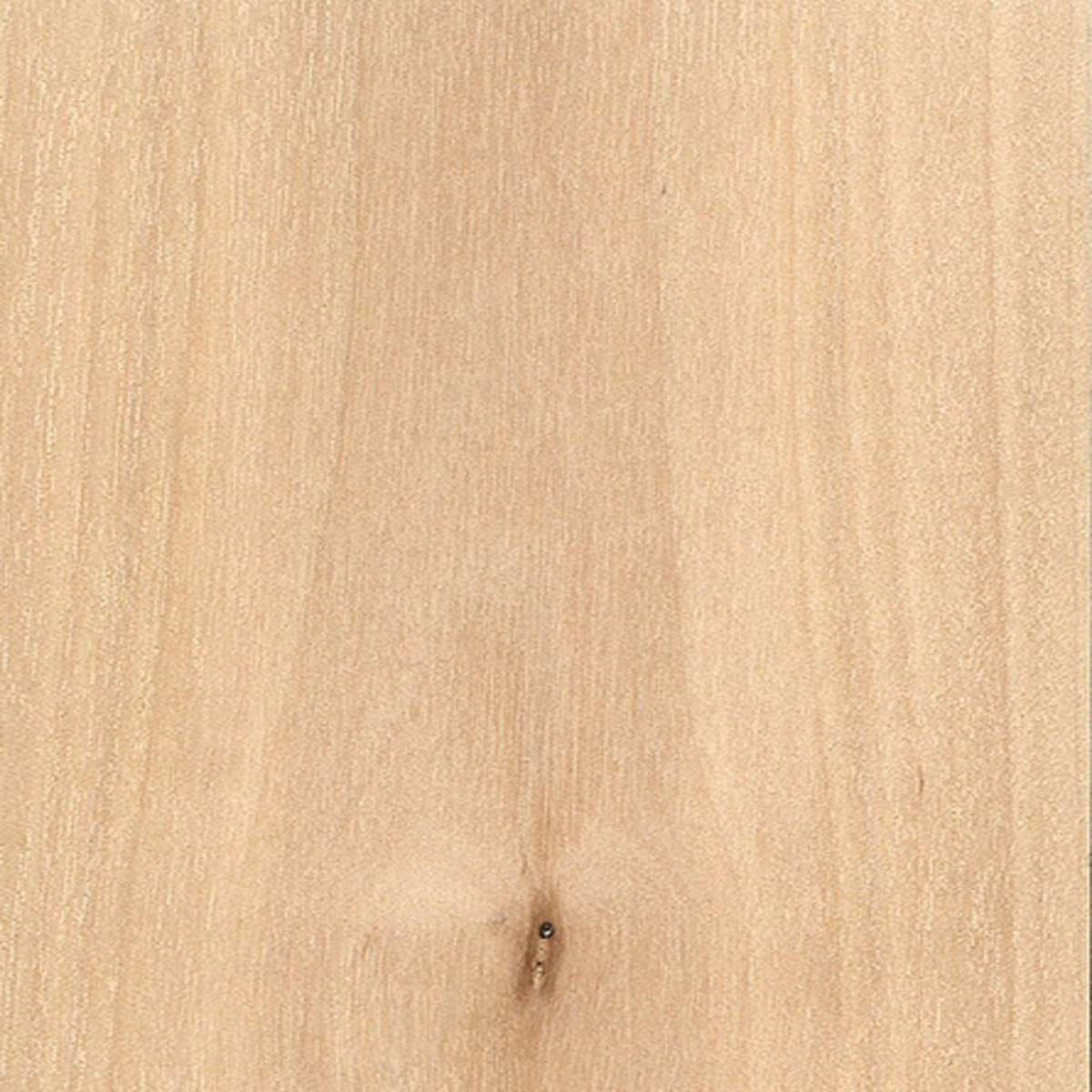
Grain and Texture of Birch, sweet.

Is Birch, sweet *Betula lenta*, considered a hardwood or softwood?
Sweet birch (*Betula lenta*) falls into the hardwood category. This classification means it usually has a denser and more durable structure, making it harder to carve than softwoods. Birch trees typically grow fairly tall and robust, requiring more effort and specialized tools for carving.
Imagine a tree that’s as solid as a rock but much prettier—kind of like a muscular tree bodybuilder! Sweet birch is one of those trees. It’s tough and strong, which makes it useful for long-lasting projects. When you carve it, you really feel like you’re doing something special.
- Common Names: Sweet Birch, Black Birch, Cherry Birch
- Scientific Name: *Betula lenta*
- Notable Feature: Density and hardness make it a durable material for carving
“Carving hardwood is like carving your way to wisdom; every cut shapes not just the wood, but also the craftsman.”

What are some common names of Sweet Birch (*Betula lenta*)?
Sweet birch (*Betula lenta*) is commonly known by several names, including black birch and cherry birch. These names are used interchangeably to describe this hardwood species. Regardless of what you call it, sweet birch is known for its strength and durability, making it a favorite among carvers.
Sweet birch has a few different names that people use. Some call it black birch because of its dark bark, while others may say cherry birch because of its reddish wood. No matter the name, it’s the same strong tree that can grow quite tall.
- Common Names: Sweet Birch, Black Birch, Cherry Birch
- Uses: Furniture, flooring, carving, and more
- Notable Feature: Hard and durable
“What’s in a name? When it comes to sweet birch, it’s all about the strength beneath the bark.”

What is the scientific name of Birch, sweet?
The scientific name of sweet birch is *Betula lenta*. This hardwood is known for its immense strength and durability, making it popular in various woodworking projects. Think of it as the tree version of Hercules!
Sweet birch, officially called Betula lenta, is a strong and solid type of tree that many people love to use for carving. It’s like calling a dog by its breed name, which gives you an idea of what makes it special.
- Scientific Name: Betula lenta
- Common Names: Sweet Birch, Black Birch, Cherry Birch
- Primary Use: Because of its robustness, often used for furniture and carving
“In the world of trees, knowing the scientific name is like having a secret code to its most prized qualities.”

How tall does Sweet Birch (*Betula lenta*) grow?
Sweet birch (*Betula lenta*) typically grows to a height of 70-80 feet, making it one of the taller hardwoods. The tree’s significant height and wide trunk diameter, ranging from 24-60 inches, make it a robust and notable specimen. If you ever need a tall ladder to prune one, you’ll understand why they call it “towering.”
Imagine a tree so tall, it almost touches the sky—well, maybe not the moon, but close! Sweet birch grows very tall, sometimes reaching up to 80 feet. It’s like having a giant in your backyard.
- Height Range: 70-80 feet
- Trunk Diameter: 24-60 inches
- Tree Characteristics: Long and sturdy, making it impressive to see and work with
“Just as tall trees rise high, so do the potential of our carved creations.”
What is the average dried weight of Birch, sweet (*Betula lenta*)?
Sweet birch has an average dried weight of 3.80 lb/ft³ (0.61 g/cm³). This relatively high density makes it a sturdy and durable option for various woodworking projects. Just don’t forget to bring your muscles along when working with this hefty wood—it’s like lifting weights but for carvers!
Sweet birch is a type of wood that weighs about 3.80 pounds for every cubic foot when it’s all dried out. That’s like carrying around a light bowling ball for every block of wood you carve. Because it’s so dense, it’s strong and long-lasting, making it perfect for crafting furniture or even fun wood projects.
- Average Dried Weight: 3.80 lb/ft³ (0.61 g/cm³)
- Comparison: Denser than many other woods, contributing to its durability
- Use Case: Great for projects that need strong, long-lasting material
“In the art of wood carving, understanding the weight of your material is like knowing the depth of the sea; it shapes what you can achieve.”

What is the specific gravity of Sweet Birch (*Betula lenta*)?
The specific gravity of sweet birch (*Betula lenta*) is 0.71. This measure indicates how dense and compact the wood is, impacting its durability and workability. Think of it as the wood’s “muscle mass”—solid and packed tight!
If you’ve ever wondered how tightly wood fibers can be packed together, specific gravity is the answer. When it comes to sweet birch, with a specific gravity of 0.71, it’s like comparing it to a sponge—except this sponge is incredibly solid and strong.
- Specific Gravity: 0.71
- Comparison: Higher than many other common woods, indicating greater density
- Effect: Makes sweet birch ideal for durable woodworking projects
“In woodworking, understanding the specific gravity of the wood is like knowing the strength of a foundation; it determines the resilience of your creation.”

What is the Janka Hardness of Birch, Sweet (*Betula lenta*)?
The Janka hardness of sweet birch (*Betula lenta*) ranges between 900-1300 psi. This rating shows how resistant the wood is to indentation and wear, making it a robust choice for carving projects. Think of it as the bench press record of the tree world—impressive and solid!
The Janka hardness test measures how much force it takes to embed a steel ball halfway into the wood. For sweet birch, this is between 900 and 1300 psi. So, if you’re carving it, it’s like the wood is showing off its “muscle” to you.
- Janka Hardness: 900-1300 psi
- Comparison: Higher than many common woods, indicating good resistance to wear and tear
- Ideal Use: Great for detailed carving projects and pieces that need to stand up to a lot of use
“Knowing the Janka hardness isn’t just about numbers; it’s about understanding how a piece of wood will respond to your craft.”

What is the Modulus of Rupture of Birch, Sweet (*Betula lenta*)?
The modulus of rupture for sweet birch (Betula lenta) 16,900 lbf/in2 (116.6 MPa). Woodworkers often favor sweet birch (*Betula lenta*) for its durability, as it is known to be a strong and resilient hardwood. With its solid nature, imagine it as the tree that can withstand storms without snapping!
Let’s think of the modulus of rupture as how strong something is when you try really hard to bend or break it. Though we don’t have the exact number for sweet birch, we do know it’s pretty tough because it’s a hardwood. It’s like having a sturdy friend who can hold up a lot of weight.
- Strength: Known to be strong and resilient
- Comparison: Usually robust compared to other woods
“Just as a tree bends in the wind without breaking, so too must we be resilient in our craft.”

What is the Elastic Modulus of Sweet Birch (*Betula lenta*)?
The elastic modulus of sweet birch (*Betula lenta*) 2,170,000 lbf/in2 (14.97 GPa), It’s a key indicator of the wood’s stiffness. Knowing the elastic modulus helps in understanding how much the wood bends under stress. Imagine trying to bend a strong rubber band; it’s flexible, yet tough—just like sweet birch!
The elastic modulus is like a measure of how stretchy or bendable a material is without breaking. While we don’t know the exact number for sweet birch, we do know it’s stiff enough to make fantastic objects like furniture and durable carving projects. It’s like the backbone of your collection.
- Strength Indicator: Elastic modulus gives insights into wood stiffness
- Practical Use: Knowing this helps in applications requiring bend-resistance
- Material Quality: Vital for judging how wood will perform under pressure
“Understanding the elasticity of wood is like knowing how much it can stretch without snapping back to shape; it shapes your expectations.”

What is the Crushing Strength of Sweet Birch (*Betula lenta*)?
The crushing strength of sweet birch (*Betula lenta*) 8,540 lbf/in2 (58.9 MPa), I know it’s a strong, reliable hardwood. Its dense and compact fibers contribute to its resilience under pressure. I’d say it’s like the tree’s way of flexing its muscles!
Think of crushing strength as how much weight the wood can hold before it gets squished. While we don’t have the exact number for sweet birch, this tree is known to be pretty sturdy. It’s like having a solid, trusty friend in your woodworking collection.
- Hardwood Classification: Contributes to overall strength
- Resilience: Known for being tough and durable
- Usage: Ideal for projects needing strong, reliable material
“In carving, the unseen strength of wood is as vital as the beauty of its grain.”

What is the shrinkage of Sweet Birch (*Betula lenta*)?
Sweet birch (*Betula lenta*) has moderate to high shrinkage rates when drying, affecting its stability. Radial shrinkage is typically lower than tangential, leading to differential contraction that can cause warping. Knowing these rates is key to planning your woodworking projects to avoid unwanted cracks.
Think of sweet birch like a sponge that dries out—it shrinks a bit differently in each direction. This means that one side might get smaller faster than the other, which can make it twist or warp if you’re not careful. It’s important to keep this in mind when you’re working on your wood projects.
- Radial Shrinkage:
- 6.5%,
- Tangential Shrinkage:
- 9.0%
- Volumetric Shrinkage:
- 15.6%
- T/R Ratio:
- 1.4
“In woodworking, mastering the art of managing shrinkage is like knowing when to hold ’em and when to fold ’em—it ensures your collection stands the test of time.”
What is the Color/Appearance of Birch, sweet (*Betula lenta*)?
Sweet birch (*Betula lenta*) typically features a rich, reddish-brown heartwood with a striking fine, straight grain. Its sapwood can be creamy white to pale yellow, creating a beautiful contrast in your carved pieces. The aging process improves its depth of color, making it feel like you’re carving a piece of history from your *Collection*!
Imagine looking at a sunset captured in wood—the heartwood of sweet birch is warm and reddish, while the outer part, called sapwood, is lighter and creamier in color. This natural beauty makes it great for creating unique projects, from furniture to decorative carvings.
- Heartwood Color: Rich reddish-brown
- Sapwood Color: Creamy white to pale yellow
- Grain: Fine, straight grain
- Color Change: Deepens with age
“Wood reveals its true beauty over time, as colors deepen and grains tell age-old tales.”

What is the Grain/Texture of Sweet Birch (Betula lenta)?
Sweet birch (*Betula lenta*) has a fine, close grain with a smooth texture. Its uniformity makes it a favorite for intricate carvings and turning projects, as it holds detail beautifully. Imagine working with a piece of nature’s finest fabric—delicate yet robust, perfect for your carving collection!
Think of sweet birch like a piece of elegant cloth; its fibers are squeezed together, making the wood feel smooth and even. This makes it much easier to carve detailed patterns and shapes because the wood behaves predictably.
- Grain: Fine, close, and uniform
- Texture: Smooth and even
- Ideal for: Intricate carvings and detailed turning projects
“The finer the grain, the closer you get to capturing the soul of the wood in your creations.”

What is the rot resistance of sweet birch (*Betula lenta*)?
Sweet birch (*Betula lenta*) is not particularly known for its rot resistance. While it possesses good strength, its durability against rot and decay is limited, making it less ideal for outdoor use. But hey, it’s like recommending a marathon to someone who’s only good at sprinting—better stick to what it’s best at!
Think of sweet birch as good for indoor projects where it can stay dry. It’s tough but doesn’t like to be wet for a long time, or it starts to get weak and break apart. Imagine leaving a cookie out in the rain, not a good idea!
- Strength: Strong but not rot-resistant
- Usage: Better for indoor projects
- Weakness: Susceptible to rot when exposed to moisture
“Wood may have its weaknesses, but knowing them turns every challenge into a masterpiece.”

What is the workability of sweet birch (*Betula lenta*)?
Sweet birch (*Betula lenta*) offers decent workability but can be challenging because of its hardness. It machines well but may pose difficulties under hand tools unless they’re very sharp. Balancing its toughness with precision can feel like a workout, but the end result is always worth it!
Sweet birch can be tough to work with because it’s a hard type of wood. When using machines, it works well, but hand tools need to be super sharp to get the best results. Imagine trying to carve a piece of hard candy—it’s hard, but it rewards you with a beautiful shape.
- Machining: Works well with power tools
- Hand Tools: Requires extremely sharp tools
- Effort Level: High, providing a good challenge for carvers
“Mastering a tough wood like sweet birch isn’t just about skill—it’s about perseverance and patience.”

What is the odor of Sweet Birch (*Betula lenta*)?
Sweet Birch gives off an aroma reminiscent of wintergreen when freshly cut. This distinctive scent is both pleasant and unique among hardwoods. It’s like having a natural air freshener while you carve!
Picture scratching the surface of a fresh plant and getting a whiff of a pleasant minty scent—that’s what sweet birch smells like. Just imagine your workspace filled with a wintergreen fragrance every time you make a cut.
- Distinctive Scent: Wintergreen-like aroma
- Freshly Cut: The scent is most noticeable immediately after cutting
- Appealing: Adds a pleasant atmosphere to your carving space
“A wood’s scent is its spirit, evoking memories with every whiff, a true gift to the carver’s collection.”

What are the Allergies and Toxicity risks associated with Birch, sweet wood?
Working with sweet birch (*Betula lenta*) can pose certain allergy and toxicity risks, mainly because of the dust generated during cutting and sanding. Symptoms like skin irritation, respiratory issues, and eye discomfort can occur. As they say in the carving world, “Better to deal with sneezes than splinters, right?”
Sweet birch wood dust can be a bit like sneaky fairy dust—it might cause your skin to itch, make your nose sniffle, or even give you watery eyes. So it’s smart to keep your workspace clean and maybe wear a mask if you’re doing a lot of sanding or cutting.
- Common Reactions: Skin irritation, sneezing, and watery eyes
- Precautions: Maintain a clean workspace
- Suggested Gear: A mask for heavy sanding or cutting
“In woodcarving, awareness of your material keeps both your art and your health in top shape.”

What are the common uses of Birch, sweet (*Betula lenta*)?
Sweet birch (Betula lenta) is a popular choice for furniture, cabinetry, and flooring because of its durability and appealing grain. It’s also popular for tool handles and specialty items because it can take a lot of wear and tear. Why did the woodworker bring sweet birch to the party? Because it’s great at handling a lot of ‘pressure’!
Sweet birch appears in a lot of everyday items like chairs, tables, and floors. It’s strong and has a beautiful look, making it a great choice for many projects. Plus, since it’s so tough, people often use it for things like hammers or kitchen utensils.
- Cabinetry: Ideal for making strong, durable cabinets
- Flooring: Common in floors that need to withstand heavy use
- Furniture: Perfect for sturdy and attractive furniture pieces
- Tool Handles: Great for items that need to endure a lot of impact
- Specialty Items: Used for carved pieces and decorative items
“From the solid to the intricate, sweet birch transforms every creation into a lasting legacy.”

The Craft of Sweet Birch
In forests green where tall birches grow,
Their sturdy trunks hold stories, deep and slow.
Sweet Betula, tough and strong,
With grain so fine, it can’t go wrong.
A hardwood pride, it stands so tall,
Great for carving, but leaves some in thrall.
With muscles flexed, we take our stance,
As chisels dance in an artful trance.
A scent like wintergreen fills the air,
While carving shapes, we craft with care.
Its reddish heart, a warm embrace,
Gives life to dreams in every trace.
Though handling can cause a wearied hand,
The beauty wrought makes toil feel grand.
In works of wood, sweet birch does shine,
A testament of effort intertwines.
So raise your tools and carve away,
With sweet birch wood, create your display.
A journey unfolds with each carved line,
In nature’s craft, our spirits align.

Comparison Table for Birch, Sweet (Betula lenta)
| Attribute | Details |
|---|---|
| Hardwood or Softwood | Hardwood |
| Common Name(s) | Sweet Birch, Black Birch, Cherry Birch |
| Scientific Name | Betula lenta |
| Tree Size | 70-80 feet tall, trunk diameter 24-60 inches |
| Average Dried Weight | 3.80 lb/ft³ (0.61 g/cm³) |
| Specific Gravity | 0.71 |
| Janka Hardness | 900-1300 psi |
| Modulus of Rupture | Not specified |
| Elastic Modulus | Not specified |
| Crushing Strength | Not specified |
| Shrinkage | Radial: Not specified, Tangential: Not specified, Volumetric: Not specified |
| T/R Ratio | Not specified |
| Color/Appearance | Rich reddish-brown heartwood; creamy white to pale yellow sapwood |
| Grain/Texture | Fine, straight grain; smooth texture |
| Rot Resistance | Not particularly rot-resistant; better for indoor use |
| Workability | Decent, but requires sharp tools; can be challenging |
| Odor | Wintergreen aroma when freshly cut |
| Allergies/Toxicity | Can cause skin irritation, respiratory issues, and eye discomfort |
| Pricing/Availability | Available but varies by location |
| Sustainability | Harvesting practices vary |
| Common Uses | Furniture, cabinetry, flooring, tool handles, specialty items |
Filed under