

Wood Species Guide · October 1, 2024 · Updated August 12, 2026
By Alexander Grabovetskiy — Master Woodcarver · Founder, School of Wood Carving · 18 min read
Is Brazilwood Good for Carving?
Is Brazilwood Good Wood For Carving

Is Brazilwood good for carving by hand?
Brazilwood, or Paubrasilia echinata, is a hardwood with a high density and specific gravity, making it quite challenging to carve by hand. Its Janka hardness rate at 2,820 lbf shows that it requires significant effort to shape. While it has good workability for other purposes, the density and interlocked grain can be problematic for detailed carving. But, it *glues and finishes* well, making it ideal for stringed instrument bows but less so for intricate hand carvings. Why did the woodcarver bring a pencil to the forest? To draw up plans for easier-to-carve wood!!!
Brazilwood is very tough and heavy, like a rock but made out of wood. This makes it hard to cut and shape with simple tools. Unlike soft woods like Basswood, this hardwood is much more difficult to carve and requires extra effort and stronger tools.
- Hardness: Very hard at 2,820 lbf Janka hardness
- Workability: Glue and finishes well but tough to carve
- Durability: Very durable with high resistance to decay
Grain and Texture of Brazilwood.

Is Brazilwood HARDWOOD or SOFTWOOD?
Brazilwood, also called Pernambuco, is classified as a hardwood. One major characteristic defining it as such is its density and heaviness, which contributes to its specific gravity of 0.88 to 1.05. This density makes it exceptionally durable and strong. While Brazilwood is renowned for its use in stringed instrument bows because of these properties, its working with hand tools can be cumbersome because of its hardness. Trust me, you wouldn’t want to wrestle with it for a delicate carving!!!
Think of hardwoods as tough trees that are heavy and solid, unlike softwoods that are lighter and easier to carve. Brazilwood is one of those tough guys. It’s so strong and dense that it sinks in water. That’s why it’s used to make strong and fancy things like violin bows and not for something simple like a birdhouse.
- Classification: Hardwood
- Common Names: Brazilwood, Pernambuco
- Tree Size: 30-50 ft tall, 2-3 ft trunk diameter
- Specific Gravity: 0.88 – 1.05

What are common names of Brazilwood?
Brazilwood is commonly referred to by several names, the most notable being Brazilwood and Pernambuco. It also goes by its scientific name Paubrasilia echinata, and has historically been listed in the genera Caesalpinia and Guilandina. This wood has significant historical value and was responsible for the naming of Brazil as a country. The various names it goes by illustrate its rich history and the cultural importance it holds, especially in the production of high-quality violin bows. Just don’t ask it to carve itself into anything too intricate — it’s a bit like asking a boulder to dance a ballet!
Brazilwood has been known by many names over the centuries because of its different uses and the regions where it’s found. It is famous for making musical instrument bows, and the name Pernambuco is especially recognized among musicians. The tree it comes from has had such an impact that it even gave Brazil, the country, its name! (That’s one powerful tree!)
- Brazilwood
- Pernambuco
- Paubrasilia echinata
- Formerly classified under Caesalpinia and Guilandina
The identity of a nation carved from the essence of a single tree speaks volumes about its historical significance.

What is the scientific name of Brazilwood?
The scientific name of Brazilwood is Paubrasilia echinata. This unique name reflects its classification in the botanical world and its distinct characteristics. Interestingly, this species was earlier classified under the genera Caesalpinia and Guilandina. The name Paubrasilia echinata signifies its specific identity and importance in both historical and modern contexts, especially its use in high-quality violin bows. Why did the botanist keep getting lost in the forest? Because every path was a-maz-ing!
Imagine Brazilwood like a unique identity card for a tree, given the special name Paubrasilia echinata. This name helps scientists and woodworkers tell it apart from others. While its previous names, Caesalpinia and Guilandina, were cool, the new name tops the chart in precision and recognition.
- Scientific Name History: Formerly Caesalpinia and Guilandina
- Botanical Identification: Helps in classifying the characteristics specific to Brazilwood
- Uses: Mainly renowned in the making of stringed instrument bows
- Historical Significance: Has a deep connection with the identity of Brazil
“A name rooted in history and science, defining the spirit and strength of a species.”

What is the tree size of Brazilwood?
Brazilwood, also known as Paubrasilia echinata, typically grows to a height of 30-50 feet (9-15 meters). Its trunk usually measures between 2-3 feet (0.6-1 meter) in diameter. This impressive size helps it stand out in its natural habitat of Brazilian forests. Making instruments from this tree sure is a tall order (pun intended) !!!
Imagine a tree that’s taller than a three-story building! That’s how high Brazilwood can grow. Its trunk is thick too, almost as wide as a full-grown human. (Pretty neat for making sturdy violin bows!)
- Height: 30-50 ft (9-15 m)
- Trunk Diameter: 2-3 ft (0.6-1 m)
- Habitat: Brazilian forests
“The larger the tree, the deeper its roots; just like knowledge and wisdom in our craft.”

What is the average dried weight of Brazilwood?
The average dried weight of Brazilwood is approximately 65.6 lbs/ft³ (1,050 kg/m³). This weight gives the wood a significant heft, adding to its overall durability and strength. This makes Brazilwood a preferred choice for applications requiring high-density materials. Carving Brazilwood is a bit like trying to carve a small boulder — it’s not light and fluffy!
Think of Brazilwood being as heavy as a few dozen bowling balls all stacked together. (Well, maybe not that many, but you get the idea!) This weight makes it super strong and great for making things that need to be durable and tough, like violin bows.
- Average Dried Weight: 65.6 lbs/ft³ (1,050 kg/m³)
- Durability: Highly resistant to wear and tear
- Preferred Use: Stringed instrument bows and other high-strength applications
- Impact: Requires more effort to work with because of its heavy nature
In the craft of wood carving, sometimes the weight you carry is the strength you gain.

What is the specific gravity of Brazilwood?
The specific gravity of Brazilwood ranges from 0.88 to 1.05 at 12% moisture content. This high specific gravity shows how dense and heavy the wood is, contributing greatly to its durability. This density is a reason why Brazilwood is highly valued for making durable and sturdy items like stringed instrument bows. Just don’t expect to float it in water unless you’re a magician!
Think of specific gravity like how tightly packed the wood fibers are – the higher the number, the denser the wood. For Brazilwood, this means it’s really tightly packed and strong. That’s why bow-makers love it so much for their instruments.
- Specific Gravity (Basic, 12% MC): 0.88 – 1.05
- Indicates Density: High density great for durability
- Common Use: Popular in crafting stringed instrument bows
- Value: Highly sought-after for its strength and reliability
“The density of Brazilwood encapsulates its strength, just as the wisdom of experience builds the core of a true craftsman.”

Janka Hardness of Brazilwood
The Janka hardness of Brazilwood is an impressive 2,820 lbf (12,540 N), making it one of the densest and toughest woods available for use. This high value shows how much force is required to embed a steel ball halfway into the wood, reflecting its durability. This makes it suitable for applications demanding hardness and resilience, despite it being a challenge to carve by hand. But hey, carving Brazilwood is like arm-wrestling a tree and losing!!!
The Janka hardness test is like seeing how strong the wood is by pushing a big metal ball into it. Brazilwood is super strong because it doesn’t give in easily. It’s like a superhero wood that doesn’t break or wear out easily.
- Janka Hardness Value: 2,820 lbf (12,540 N)
- Impact on Workability: Very difficult to carve, best for durable items
- Common Uses: Ideal for stringed instrument bows and high-durability applications
- Strength Comparison: Significantly higher than many other hardwoods
“A true craftsman knows that the hardest challenges yield the sturdiest masterpieces.”

What is the Modulus of Rupture of Brazilwood?
The modulus of rupture of Brazilwood is 25,530 lbf/in² (176.1 MPa). This high value shows its incredible strength and resistance to breaking under stress, making it a vital material in applications requiring resilience. Renowned for its sturdiness, this characteristic contributes significantly to its use in high-quality stringed instrument bows. Carving Brazilwood might take a Hulk-level bicep, but its performance under stress is nothing short of spectacular!!!
Think of the modulus of rupture as a measure of how much pressure Brazilwood can take before it snaps. This means it’s like the world’s strongest weightlifter among woods — it can handle a lot of force! That’s why it’s used for things that need to be really strong and reliable.
- Modulus of Rupture: 25,530 lbf/in² (176.1 MPa)
- Resistance: Extremely strong under pressure
- Application: Ideal for stringed instrument bows
- Carving Challenge: Harder to carve because of high strength
“The strength to stand firm under immense pressure mirrors the resilience needed in mastering any craft.”

What is the Elastic Modulus of Brazilwood?
The elastic modulus of Brazilwood is 2,930,000 lbf/in² (20.2 GPa). Elastic modulus, or Young’s modulus, measures how much the wood will deform under stress. This high value signifies Brazilwood’s exceptional stiffness. Such rigidity is why it’s perfect for intricate and demanding uses like violin bows—though it’s a bit like trying to bend a steel rod (impossible with bare hands!).
Imagine the elastic modulus like a superpower that makes Brazilwood resist bending. It’s what makes it great for things that need to keep their shape under pressure, like the bows of stringed instruments. Because it’s so stiff, the wood doesn’t bend much even when you push hard on it.
- Elastic Modulus: 2,930,000 lbf/in² (20.2 GPa)
- Stiffness: Extremely high, great for resilient items
- Applications: Perfect for making violin bows
- Deformation Resistance: Does not bend easily under stress
“The rigidity of Brazilwood demonstrates how enduring strength can be both a foundation and a challenge.”

What is the Crushing Strength of Brazilwood?
The crushing strength of Brazilwood (Paubrasilia echinata) is 10,730 lbf/in² (74.0 MPa). This remarkable value means the wood can withstand substantial force before it fails under compression. Such strength makes it exceptionally suitable for applications requiring durability and rigidity, like violin bows. Not an easy task if you plan on breaking a sweat carving it by hand!!!
Imagine a superhero trying to crush Brazilwood with their bare hands — even they’d struggle!!! This mighty wood can take a lot of pressure before it gives in. That’s why it’s excellent for making strong, resilient items (but not so much for delicate carvings).
- Crushing Strength: 10,730 lbf/in² (74.0 MPa)
- Application Suitability: Ideal for rigid and durable products
- Comparative Perspective: It withstands significant force without crumbling
- Workability Challenge: Requires robust tools and effort to carve
“Strength under pressure shapes both the character of wood and the soul of the craftsman.”

Shrinkage of Brazilwood
Brazilwood (Paubrasilia echinata) has a radial shrinkage of about 4.7%. The tangential shrinkage of this hardwood is around 8.5%. Its volumetric shrinkage stands at 14.2%, which is quite substantial for a durable wood. The T/R ratio, a measure of the wood’s stability, is about 1.8. It looks like carving this wood gives you a good workout—never a dull moment in the workshop!!!
Think of shrinkage as how much the wood shrinks when it dries. Brazilwood shrinks a bit like a wet sponge drying up (just less squishy).
- Radial Shrinkage:
- 4.7%
- Tangential Shrinkage:
- 8.5%
- Volumetric Shrinkage:
- 14.2%
- T/R Ratio:
- 1.8
“Understanding shrinkage lets us predict how the wood will behave, making our creations more durable and dependable.”

What is the color and appearance of Brazilwood?
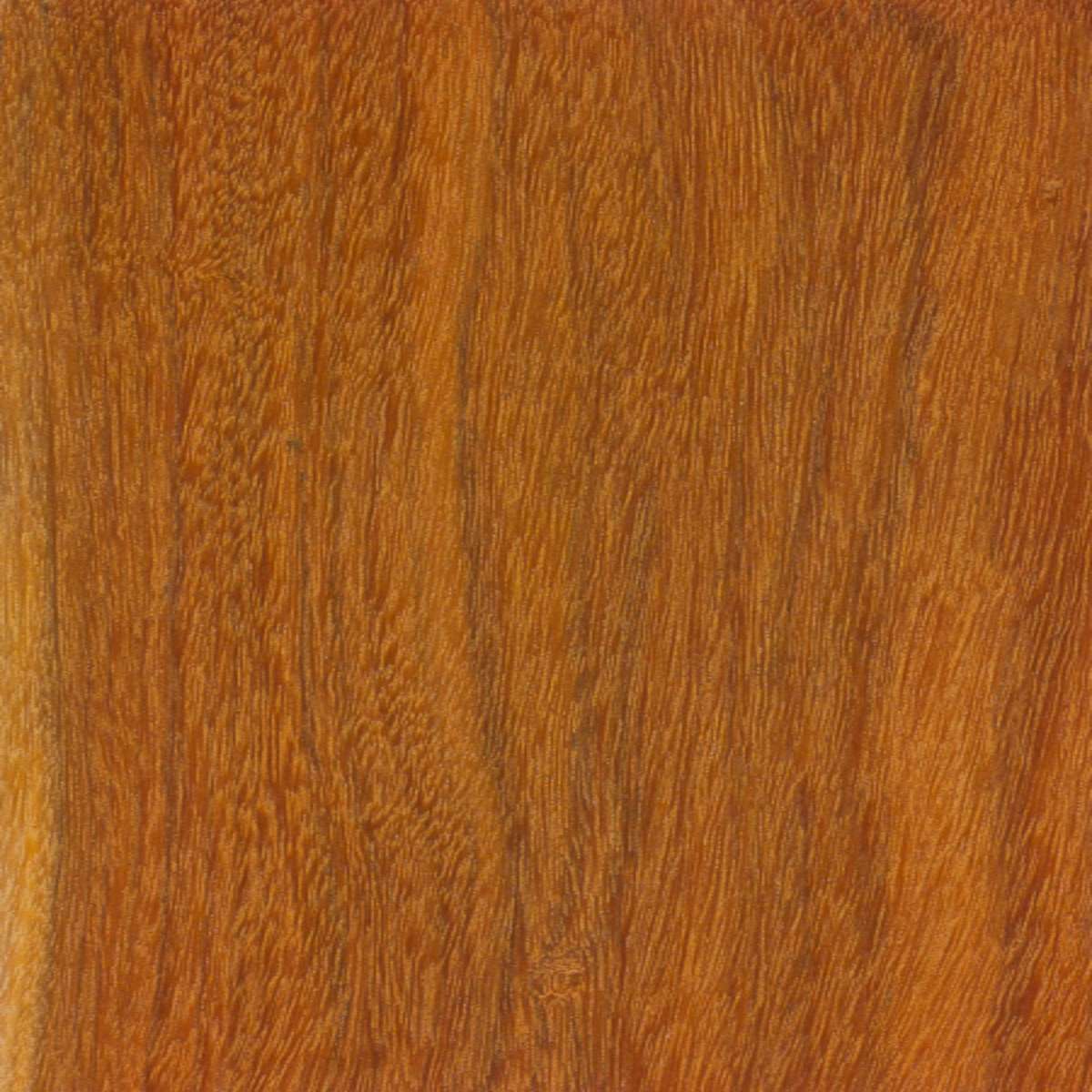
Brazilwood shows off a vibrant heartwood color that ranges from yellowish-orange to darker reddish-brown. The sapwood, in contrast, is a stark whitish-yellow, making it easy to distinguish from the heartwood. This wood holds its color well over time, even outperforming African padauk in terms of maintaining its orange hue. When freshly cut, the colors are particularly striking, adding a touch of natural beauty to any handmade creation. Why did the painter love Brazilwood? Because it was picture-perfect for any masterpiece!!!
Think of Brazilwood like a vibrant crayon with a warm, beautiful color. Its heartwood is like a sunset, ranging from orange to reddish-brown, while the sapwood is like a light yellow desert. The wood keeps its bright colors really well, even better than some other woods!
- Heartwood Color: Yellowish-orange to reddish-brown
- Sapwood Color: Whitish-yellow
- Color Stability: Retains color better than African padauk
- Visual Impact: Striking appearance when freshly cut
“The hues of Brazilwood capture the essence of natural artistry, standing as a testament to the wood’s enduring beauty.”

Grain/Texture of Brazilwood?
The grain of Brazilwood is predominantly straight, although it can occasionally be interlocked. This type of grain structure can make certain woodworking tasks, like planing, more challenging because of the risk of tearout. As for the texture, it is fine and even, and it comes with a good natural luster, giving the wood a smooth and attractive finish. With its unique grain and appealing texture, Brazilwood not only performs well but also looks stunning in finished projects. Why don’t Brazilwood trees go jogging? They can’t find the strength to run straight!
Imagine Brazilwood’s grain as neat rows in a garden, lining up most of the time but sometimes getting tangled. This can make it tricky when you’re trying to smooth it out. Its texture is like a fine fabric, smooth and shiny, making it look really nice.
- Grain: Straight or occasionally interlocked
- Texture: Fine and even, with good natural luster
- Workability: May result in tearout during planing if grain is interlocked
“The beauty of Brazilwood lies not just in its strength, but in the fine lines and luster that tell its story.”

What is the rot resistance of Brazilwood?
Brazilwood is renowned for its impressive rot resistance, making it highly durable. This wood stands up well to decay, which is a reason why it has been so valued historically for various applications, particularly in humid environments. But, it’s worth noting that while it resists rot, its resistance to insects and borers is not as strong. So, you might say Brazilwood could brave a rainy season but not an insect invasion. Why did the termite hate Brazilwood? It just couldn’t bite into its greatness!
Think of Brazilwood as the superhero of woods when it comes to staying strong and not rotting away. It can keep standing tall even when the weather tries its best to take it down. (Insects, though, can give it a tough time.)
- Rot Resistance: Very durable against decay
- Insect Resistance: Poor resistance to insects and borers
- Historical Use: Valued for humid climate applications
- Superhero Wood: Strong against rot, less so against bugs
“The steadfast nature of Brazilwood against decay reflects the timeless endurance every craftsman aspires to achieve.”

Workability of Brazilwood?
Despite its high density, Brazilwood is surprisingly workable. It turns, glues, and finishes quite well. But, its interlocked grain can be a challenge, especially during surfacing operations where tearout becomes a risk. This wood is ideal for making stringed instrument bows because of its balance of density and fine texture. Ever tried wrangling with a stubborn log? That’s Brazilwood for you, but it’s worth every effort!!!
Imagine Brazilwood like a really sturdy, yet surprisingly flexible toy. It’s tough to work with sometimes because of its tangled grain, but once you get the hang of it, you can create some pretty amazing things. Just be careful while smoothing it out, as it likes to tear a bit.
- High Density: Adds to its strength, yet manageable
- Turns and Glues Well: Perfect for intricate designs and sturdy bonds
- Interlocked Grain Challenge: Risk of tearout during planing
- Suitable Applications: Ideal for violin bows and fine projects
“Mastering the workability of Brazilwood teaches the craftsperson patience, much like taming a wild stallion.”

What is the Odor of Brazilwood?
Brazilwood (Paubrasilia echinata) does not have any characteristic odor. This fact is useful to know, especially for those who are sensitive to strong smells while working on their woodworking projects. Unlike some woods that can release a noticeable aroma, Brazilwood remains relatively neutral in scent. This makes it more comfortable to work with in smaller, enclosed workshops or spaces!
Imagine working with Brazilwood like handling a piece of bread without any smell. Unlike some other woods that might have a strong forest scent, Brazilwood is nice and neutral — a real treat for those with sensitive noses!
- Odor: None characteristic
- Comfort: Great for those sensitive to strong scents
- Workshop Use: Ideal for smaller, enclosed spaces because of lack of smell
“Sometimes the absence of an aroma speaks volumes about a wood’s versatility and user comfort.”

What are the Allergies and Toxicity risks associated with Brazilwood wood?
Brazilwood (Paubrasilia echinata) can cause skin irritation, headaches, nausea, swelling, and even blisters in some cases. Although severe reactions are rare, it’s still important to handle the dust and wood with care. Working in a well-ventilated area and using protective equipment can minimize these risks. This hardwood might look harmless, but trust me, it’s got a bit of a bite — just like that sneaky splinter you never see coming!
Working with Brazilwood is a bit like dealing with spicy food. It might seem fine at first, but it can leave you with some unpleasant surprises (like itchy skin or a headache).
- Reactions: Skin irritation, headaches, nausea, swelling, blisters
- Severity: Rarely severe but can be uncomfortable
- Precaution: Use protective equipment and ensure proper ventilation
- Risk Minimization: Handling with care reduces potential reactions
“In our craft, knowing the nature of the wood includes respecting the potential it has to affect you.”

What are the common uses of Brazilwood?
Brazilwood (Paubrasilia echinata) is widely employed for making high-quality stringed instrument bows, like those for violins, violas, and cellos. Its density and strength make it ideal for this purpose, ensuring durability and excellent sound production. In addition to bows, Brazilwood is also used for veneers, inlays, carvings, and turned objects because of its fine texture and attractive appearance. This remarkable versatility means Brazilwood can be found in a range of fine woodworking projects. Why does a musician love Brazilwood? Because it strikes the right chord every time!!!
Brazilwood is like a multi-purpose craft material. Musicians love it for making their instruments strong and sounding great. Woodworkers use it for fancy decorations and making beautiful carved objects.
- Instrument Bows: Ideal for violins, violas, and cellos
- Veneers and Inlays: Used for decorative purposes
- Carvings: Great for intricate designs
- Turned Objects: Suitable for items like bowls and ornaments
“The versatility of Brazilwood showcases its natural beauty and strength, making it indispensable in both music and craft.”

Carving Brazilwood: A Tough Task
In the workshop, Brazilwood waits,
A hardwood sturdy with heavy fates.
It takes strong hands and patience fed,
To shape this beast, or lose your head!
With tools in hand, I try my best,
To carve this wood, a daunting quest.
Its interlocking grain’s like a maze,
It fights back hard, and often sways!
I dream of birds and graceful lines,
Yet find my chisel sometimes whines.
“Why not just choose that soft sweet pine?”
Oh Brazilwood, why command such time?
But when the finish gleams just right,
That reddish glow brings pure delight.
Though carving’s tough, here’s what I find,
That beauty’s born from labor, kind!
So if you seek to carve with flair,
Just know that Brazilwood’s never rare.
With sweat and grit, you’ll claim your prize,
And leave your mark, as art shall rise!

Brazilwood (Paubrasilia echinata) Comparison Table
| TOPIC | DETAILS |
|---|---|
| Is it HARDWOOD or SOFTWOOD | Hardwood |
| Common Name(s) | Brazilwood, Pernambuco |
| Scientific Name | Paubrasilia echinata |
| Tree Size | 30-50 ft (9-15 m) tall, 2-3 ft (0.6-1 m) trunk diameter |
| Average Dried Weight | 65.6 lbs/ft³ (1,050 kg/m³) |
| Specific Gravity | 0.88 – 1.05 |
| Janka Hardness | 2,820 lbf (12,540 N) |
| Modulus of Rupture | 25,530 lbf/in² (176.1 MPa) |
| Elastic Modulus | 2,930,000 lbf/in² (20.2 GPa) |
| Crushing Strength | 10,730 lbf/in² (74.0 MPa) |
| Shrinkage | Radial: 4.7%, Tangential: 8.5%, Volumetric: 14.2% |
| T/R Ratio | 1.8 |
| Color/Appearance | Heartwood is yellowish-orange to reddish-brown; sapwood is whitish-yellow. |
| Grain/Texture | Grain is straight or occasionally interlocked; fine and even texture with good luster. |
| Rot Resistance | Very durable against decay; poor resistance to insects and borers. |
| Workability | Good workability; turns, glues, and finishes well, though interlocked grain can be challenging. |
| Odor | No characteristic odor. |
| Allergies/Toxicity | Can cause skin irritation and other mild reactions; handle wood dust with care. |
| Pricing/Availability | Endangered species; high prices and tightly restricted trade. |
| Sustainability | Listed as endangered; significant population reduction. |
| Common Uses | Stringed instrument bows, veneers, inlays, carvings, and turned objects. |
Is Brazilwood Good for Carving?
Brazilwood is not the best choice for hand carving. It’s extremely hard (thanks to its 2,820 lbf Janka hardness) and has an interlocked grain, making detailed work tricky.