

Wood Species Guide · October 21, 2024 · Updated August 12, 2026
By Alexander Grabovetskiy — Master Woodcarver · Founder, School of Wood Carving · 18 min read
Is Briar Good for Carving?
Is Briar Good Wood For Carving

Is Briar good for carving by hand, and why?
Briar is considered a good choice for intricate carving by hand because of its hardwood characteristics and excellent stability. Despite its dense nature, with a Janka hardness of 2,090 lbf (9,300 N), it offers detailed carvings, especially for small specialty wood items like tobacco pipes and knife handles. Its intricate grain, and heat-resistance make it a unique choice, but the carving process may be challenging because of density. But, if you are patient (and perhaps a bit stubborn) you’ll find it worth the effort. Just don’t let the briar give you any lip!
Briar wood comes from a shrub called Erica arborea. Since it’s hard and strong, it can be tricky to carve. But, for tobacco pipes and cool wooden creations, it’s great! People love it because it looks nice and handles hot things well.
- Common Uses- Tobacco pipes, knife handles, specialty items.
- Color/Appearance- Available in ebauchon and plateaux burl sections.
- Average Dried Weight- 57 lbs/ft3 (910 kg/m3).
- Workability- Challenging because of density.
A worthy carving comes from steady hands and a patient
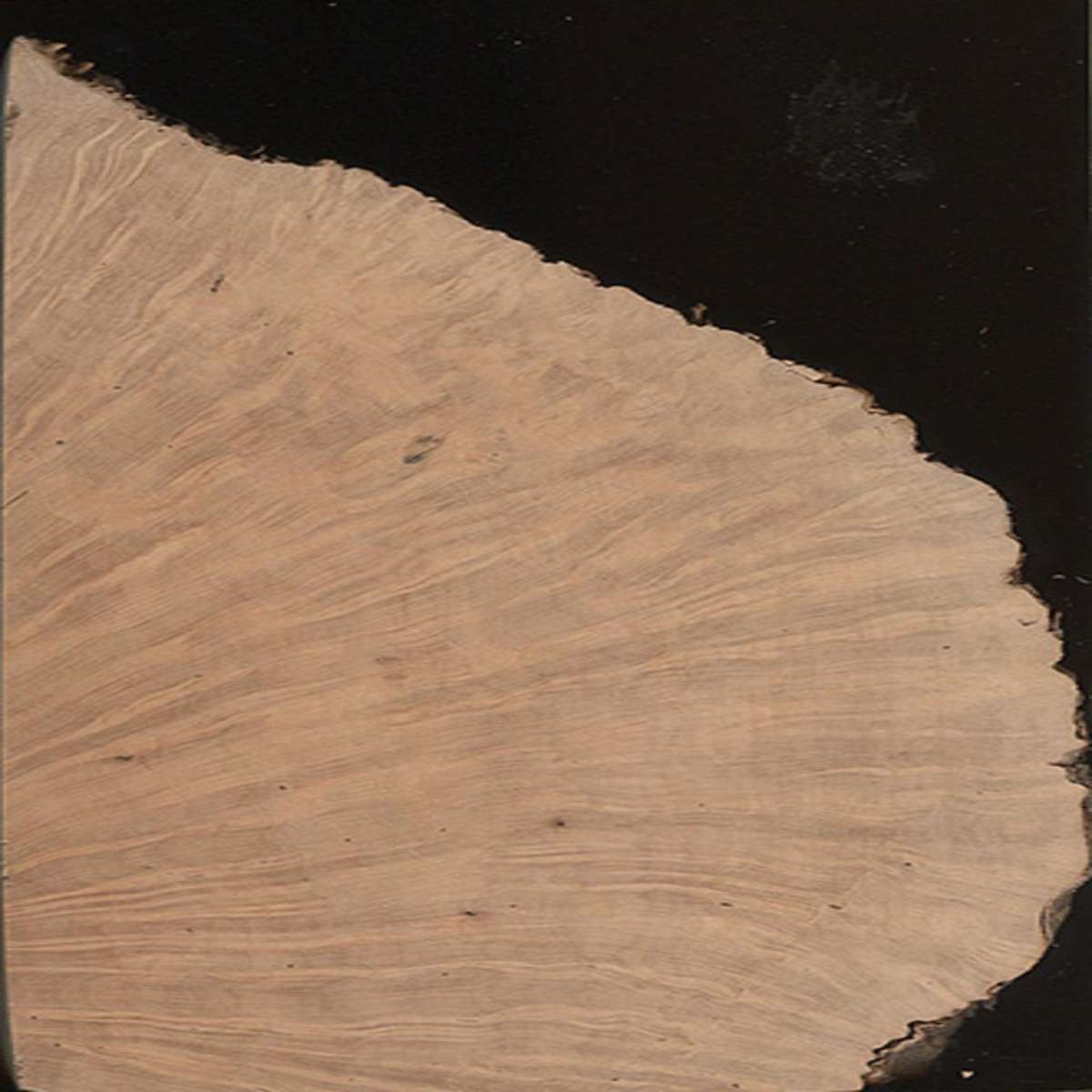
Grain and Texture of Briar.

Is Briar HARDWOOD or SOFTWOOD?
Briar, sourced from the Erica arborea shrub, quietly claims a spot as a hardwood. Despite being a shrub, this wood boasts characteristics akin to hardwood species, making it quite unique for its size. With a Janka Hardness of 2,090 lbf (9,300 N), it stands up to the challenge of comparison with larger hardwoods. It’s like the David of the wood world—smaller in stature but mighty stll. (I can’t even cut my grass without breaking a sweat!)
Briar is a special kind of wood that isn’t from the typical big trees you’d imagine. It comes from a little shrub that might not grow taller than a basketball player. But guess what? This wood is tough as nails. although it doesn’t come from a massive tree, it can be just as strong as some of the bigger woods.
- Type- Hardwood from a shrub, not a traditional tree.
- Janka Hardness- 2,090 lbf (9,300 N).
- Unique Trait- Strength despite its small plant size.
- Uses- Often found in knife handles and pipes.
Never underestimate the strength of a small piece, for it might withstand what giants cannot.
What are the common names for Briar?
The most familiar name for Briar is simply “Briar,” though you might also hear it referred to by its burl types- plateaux and ebauchon. It hails from the Erica arborea shrub, renowned in the Mediterranean regions. This handy wood finds its niche in crafting items like tobacco pipes and knife handles. You might say Briar swims in its own lane—compact yet filled with personality (much like your favorite pet cat that rules the house!).
Briar is a type of wood that comes from a plant called Erica arborea, which is kind of like a bush. It’s really strong and is good for making fancy things like pipes for smoking or handles for knives. When people talk about Briar, they sometimes mention the special bits called “plateaux” and “ebauchon” which are cool names for different parts of the wood. It’s sort of like calling someone by their nickname!
- Known As- Briar, Plateaux, Ebauchon.
- Origin- Erica arborea shrub, Mediterranean region.
- Main Uses- Tobacco pipes, specialty items.
“In every piece of Briar, there’s a tale waiting to be carved.”
What is the Scientific Name for Briar?
The scientific name for Briar is Erica arborea. This shrub, found primarily in the Mediterranean regions, isn’t very tall, standing only 8-13 feet, but it’s remarkably sturdy!!! Its unique burl varieties, known as plateaux and ebauchon, contribute to its popularity in specialty wood projects. You could say it’s the “small-but-mighty” of the wood family (like ants carrying ten times their weight… without the anthill drama).
When we talk about Briar, we’re referring to the special wood that comes from a small plant named Erica arborea. This plant might not be as tall as those big trees, but the wood it gives us is super tough! And it’s really popular for making things like fancy smoking pipes or cool knife handles.
- Scientific Name- Erica arborea
- Origin- Mediterranean regions
- Uses- Tobacco pipes, knife handles, burl specialties
“Even the smallest shrub can provide the mightiest wood.”

How big can Briar Shrubs grow?
Briar shrubs, scientifically named Erica arborea, typically stand between 8 to 13 feet tall. Despite their more modest height, these shrubs have trunk diameters that range from 1 to 1.5 feet. This compact size makes it ideal for specialty wood items without needing to stretch to the sky like other trees. (Saving the workout for the woodcarvers!!!) Why did the Briar get good at hiding? Because it’s naturally a little “shrubby.”
Imagine a bush that isn’t very tall, like as tall as a tall basketball player. although it isn’t big, its wood is really strong and good for making special things like smoking pipes. These Briar shrubs, growing with strong trunks, prove that you don’t have to be tall to be mighty – just like your favorite movie heroes!!!
- Height- 8-13 ft (2.5-4 m).
- Trunk Diameter- 1-1.5 ft (.3-.5 m).
- Growth Origin- Mediterranean regions.
“Small stature doesn’t hinder the heart of grand creations.”
What’s the dried weight significance of Briar?
The average dried weight of Briar, from the Erica arborea shrub, is 57 lbs/ft3 (910 kg/m3), defining its robustness. This weight makes it heavier than many common woods used in carving, reinforcing its usefulness for durable items like tobacco pipes and knife handles. You could say this wood ‘pulls its weight’ when it comes to strength and stability! Why did the Briar join the gym? To stay tough, of course (and maybe to outlift oak)!
If you’re wondering how heavy a piece of Briar wood can be, imagine holding a music speaker. It’s quite a bit heavier than some other woods because of its dense fibers. This weight is why Briar is fantastic for crafting tough items!!!
- Weight Criteria- Robust at 57 lbs/ft3 (910 kg/m3).
- Usefulness- Ideal for making strong and heat-resistant items.
“Weight of the wood often mirrors the strength of the pieces crafted from it.”

What is the Specific Gravity of Briar?
The specific gravity of Briar wood ranges from .69 to .91, highlighting its dense and compact nature. This range makes Briar heavier and sturdier than many other woods used in crafting; it’s no lightweight! Such characteristics are the reason behind its popularity for durable items like tobacco pipes and knife handles, because of its resistance to wear and tear. Why does Briar have great self-esteem? It knows it’s got a “solid” foundation!
Specific gravity is a way to measure how dense a piece of wood is. Think of it like comparing how heavy a sponge and a brick are, even if they’re the same size. Briar, being the “brick” in this case, makes it harder and stronger, which helps it stand up to lots of use!!!
- Density Range- .69 to .91.
- Significance- Indicates high sturdiness and durability.
- Usage Benefit- Perfect for heat-resistant and long-lasting items.
“The density within the wood weaves the threads of its resilience.”
What is the Janka Hardness of Briar?
The Janka Hardness of Briar wood is 2,090 lbf (9,300 N), highlighting its impressive durability despite its origin from a shrub! This high hardness level makes it great for crafting robust items that need to withstand wear and tear. In my view, it’s like the “steel toe boots” of the wood world. Why do woodcarvers love Janka? Because it really knows how to ‘measure up’!!!
Imagine lifting a really strong object; that gives you an idea of Briar’s toughness! It’s not only popular among woodworkers but also cherished for items that have to be extra strong, like *tobacco pipes* and *knife handles*.
- Value- 2,090 lbf (9,300 N).
- Significance- Represents excellent durability.
- Common Creations- Tobacco pipes, knife handles.
“True strength is not about size, but about the power within.”

What is the Modulus of Rupture of Briar?
Briar’s modulus of rupture stands firmly at 7,120 lbf/in2 (49.1 MPa), giving it substantial bending strength, which is needed for its use in specialty wood items. It makes Briar a suitable choice for crafting things that must endure stress. In my view, Briar’s robustness isn’t just in its weight, but in its mighty endurance. Why did Briar take up yoga? To bend without breaking!!!
Imagine trying to break a really tough stick; that’s similar to Briar’s bending strength. although it comes from a shrub, its wood is amazingly tough! This makes it perfect for unique items that need strength and flexibility.
- Strength Measure- 7,120 lbf/in2 (49.1 MPa)
- Importance- Indicates how much stress the wood can endure before snapping.
- Ideal Application- Items requiring durability and resilience.
“Strength lies not in hardness alone, but in how well it bends with grace.”
What is the Elastic Modulus of Briar?
Elastic Modulus for Briar isn’t widely documented, but it tells us how bendy the wood might be without getting all bent out of shape! In my view, Briar’s compact nature without precise modulus figures hints it’s both stiff and flexible for crafting needs. I believe woodcarving with Briar, especially for small specialty wood items, means we’re dancing with balance—give a little, stand strong. How does a woodcarver stay flexible? Yoga’s too bendy, so they rely on Briar instead!!!
Think of the Elastic Modulus like a rubber band—showing how far it can stretch and still bounce back. Even if we don’t know Briar’s exact stretchability, it’s still strong enough for making tough and cool items, like tobacco pipes!
- Significance- Indicates potential flex and durability in items.
- Usefulness- Ideal for specialty items that require both stiffness and flexibility.
“Even without an exact measure, resilience is born in every bend.”
What is the Crushing Strength of Briar?
The crushing strength of Briarwood stands at 8,540 lbf/in² (58.9 MPa), underscoring its impressive durability. This level of strength means that it can withstand significant compression before failing, making it ideal for crafting sturdy specialty wood items like tobacco pipes and knife handles. Despite being sourced from a shrub, Briar holds its ground against more traditional hardwoods in terms of strength. Why did the Briar refuse the weightlifting championship? It already knew it could handle the pressure!!!
Imagine a material that’s tough to squash, much like trying to smush a superhero suit! Briar might come from a small shrub, but its wood is incredibly strong, giving it a special place in woodcraft.
- Compression Capacity- 8,540 lbf/in² (58.9 MPa)
- Utility- Excellent for robust, long-lasting items.
- Material Type- Rivals traditional hardwood because of strength.
“True strength lies not in size, but in the ability to withstand the toughest of challenges.”

What is the Shrinkage of Briar?
The shrinkage of Briar, originating from the Erica arborea shrub, reveals its robust structural transformation potential as the wood dries. Radial shrinkage measures at 6.1%, while its tangential shrinkage is slightly higher at 8.5%. With a volumetric shrinkage of 15.6%, Briar exemplifies its unique ability to maintain stability, an asset in creating precise wood items like pipes and handles. Why do woodcarvers like Briar during the summer? Because it’s a real shrink under the sun!!!
When wood like Briar dries out, it shrinks. Think of squeezing a squishy ball that’s gotten smaller as the water leaves. This helps us understand why Briar stays strong and doesn’t crack easily when shaped into cool stuff like tobacco pipes.
- Radial Shrinkage-
- 6.1%
- Tangential Shrinkage-
- 8.5%
- Volumetric Shrinkage-
- 15.6%
- T/R Ratio-
- 1.4
“As a block of Briar dries and tightens, it prepares better for the hands of the most zealous carver.”
How does Briar wood appear in color, and what makes it unique?
The color of Briar is as fascinating as its story!!! With a warm, reddish-brown hue, it boasts a mesmerizing appearance when polished. This is especially true of the *plateaux* variety, which showcases a more consistent grain pattern than the ebauchon. Its outer edge often includes the bark, adding a touch of natural beauty. I’d say the Briar wood grain could almost tell a tale if wood could talk! Why don’t we ever use pink Briar for pipes? Too many “rose-tinted” glasses in the shop!
The color and appearance of Briar wood are like those delicious chocolatey swirls on a cake, giving it a unique and classy look. The grain patterns make it special for fancy things like smoking pipes. These two types of Briar burls, ebauchon and plateaux, can create a rainbow of interesting patterns that make each piece different and cool!!!
- Color- Warm reddish-brown with unique grain patterns.
- Appearance Variety- Plateaux has consistent grains, ebauchon is more random.
- Unique Aspect- Natural beauty often includes bark on plateaux.
“Color in wood tells a tale of nature’s craftsmanship, captured for the creative souls.”
What is the Grain/Texture of Briar?
Briar’s grain and texture offer a unique canvas for woodcarvers! The grain patterns in plateaux briar are more consistent, often prized for their predictable and intricate designs. By contrast, ebauchon burl exhibits a more random pattern which adds character and drama to carved pieces. This jumprsity in grain and texture gives each finished piece a life of its own, making every creation as distinct as a snowflake. If Briar were to star in a movie, it’d play the part of the unpredictable artist!!!
Briar wood is like a special puzzle. Some parts might look all even and neat, while others might be wild and twisty. Both are fun because they make whatever you carve out of them look different and cool, just like how your favorite stories have different twists!
- Plateaux Grain- Consistent and intricate.
- Ebauchon Grain- Random and character-filled.
- Jump rsity- Offers unique visual appeal for wood items.
“In the dance of grain and texture, Briar reveals its artistic spirit.”
What about the rot resistance of Briar?
Rot resistance for Briar isn’t well-documented, yet its dense hardwood nature suggests a degree of durability against decay. While not waterproof, this characteristic makes it suited for crafting enduring specialty wood items that may face humidity, like tobacco pipes. Its dense, stable structure is similar to its capability to resist heat, indicating practical use in environments where longevity is desired. You could say Briar likes to stick around longer than that garden shed you’ve been meaning to fix!
Think of Briar as that superhero wood which, like your raincoat, keeps going through storms! Even if its rot resistance isn’t clearly known, this wood’s toughness makes it reliable for making cool wooden things that last.
- Durability Indication- Implies some decay resistance because of density.
- Ideal for- Long-lasting specialty items enduring humidity.
- Heat and decay resistance- Suggests a stable, sturdy choice.
“Even without clear numbers, Briar’s strength hints at its lasting nature in the face of time and elements.”

What is the Workability of Briar?
Briar wood, known for its tough hardwood characteristics, presents a unique challenge in terms of workability. Given its high Janka Hardness of 2,090 lbf, carving requires both patience and precision. Because of its dense nature and distinct grain patterns—be it the predictable ones of plateaux or the dynamic ebauchon—specialty carvers often find it more suited for detailed work like tobacco pipes and knife handles. (Trust me, it’s a bit like trying to carve a masterpiece out of a stubborn piece of cheese!!!)
Imagine Briar as a tough cookie! although it’s difficult to work with because it’s strong like a brick, artists love to carve it into amazing stuff because of its beautiful patterns.
- Density- High, offering resistance to molding and shaping.
- Grain Complexity- Requires skillful handling for creative projects.
- Applications- Ideal for intricate items demanding precision.
“Mastering Briar is like convincing a rock to dance; patience reveals its hidden grace.”

Does Briar wood have a distinctive smell?
Briar wood is known for having no characteristic odor, making it quite unique among other species often sought for their distinct aromas. Users who desire an odor-free experience when crafting or handling small specialty wood items such as tobacco pipes or knife handles find Briar particularly appealing. In my view, this neutrality is a hidden advantage, especially in environments sensitive to odors (like working near those aromatic cedar planks!). Have you ever met a wood that’s shy of making scents?
When you pick up a piece of Briar wood, you won’t notice any particular smell. This makes it special because many other woods have a strong scent! People like Briar for this because when you’re making things like pipes, you may not want the wood itself to have a smell.
- Odor- None, ideal for neutral projects.
- Allergies/Toxicity- Minimal, safe for most handling.
“Sometimes, the absence of something is its most defining trait.”
What are the Allergies and Toxicity risks associated with Briar wood?
Briar wood, coming from the Erica arborea shrub, doesn’t have any unique health risks aside from the usual concerns with wood dust. While some woods can cause specific allergies or sensitivities, Briar isn’t known for causing any unusual reactions beyond the common wood dust issues. This makes it usually safe for crafting, although it’s always best to use proper protection during carving!!! Why don’t woodcarvers make perfume from Briar? Because it’s just not that kind of wood!
Imagine sanding or cutting any kind of wood—Briar is just the same in that if the dust gets into the air, you might sneeze or cough just a little. But don’t worry, it’s nothing special to be scared of. Safety is like seasoning wood—use just enough, but you don’t need to go overboard!
- Health Reactions- Standard wood dust irritations, nothing specific to Briar.
- General Advice- Use protection when sanding or carving to avoid inhaling dust.
“In the art of carving, it’s the dust that might sneeze, not the wood causing a wheeze.”

What are the main uses for Briar?
Briar is primarily cherished for its application in crafting *tobacco pipes* and *knife handles* because of its fascinating properties. This hardy wood, harvested from the *Erica arborea* shrub, finds its strength not just in durability, but also in its ability to resist heat and polish into visually appealing creations. Crafters often lean towards Briar for *small specialty wood items*, capitalizing on its unique aesthetic type when detailed intricacy marries strength!!! Each piece of Briar can turn into an artful masterpiece, much like sculpting butter but with more patience required!
Imagine using Briar like a magic tool for making your *favorite wood items*. It’s special because it doesn’t get too hot and it’s really strong! People really love to make pipes out of it because it lasts a long time and looks great too.
- Main Uses- Tobacco pipes, knife handles, and specialty wood creations.
- Distinct Feature- High heat resistance and durability.
- Why It’s Favored- Aesthetic appeal for detailed artistry.
“From roots to crafts, Briar shapes both utility and elegance with unwavering grace.”
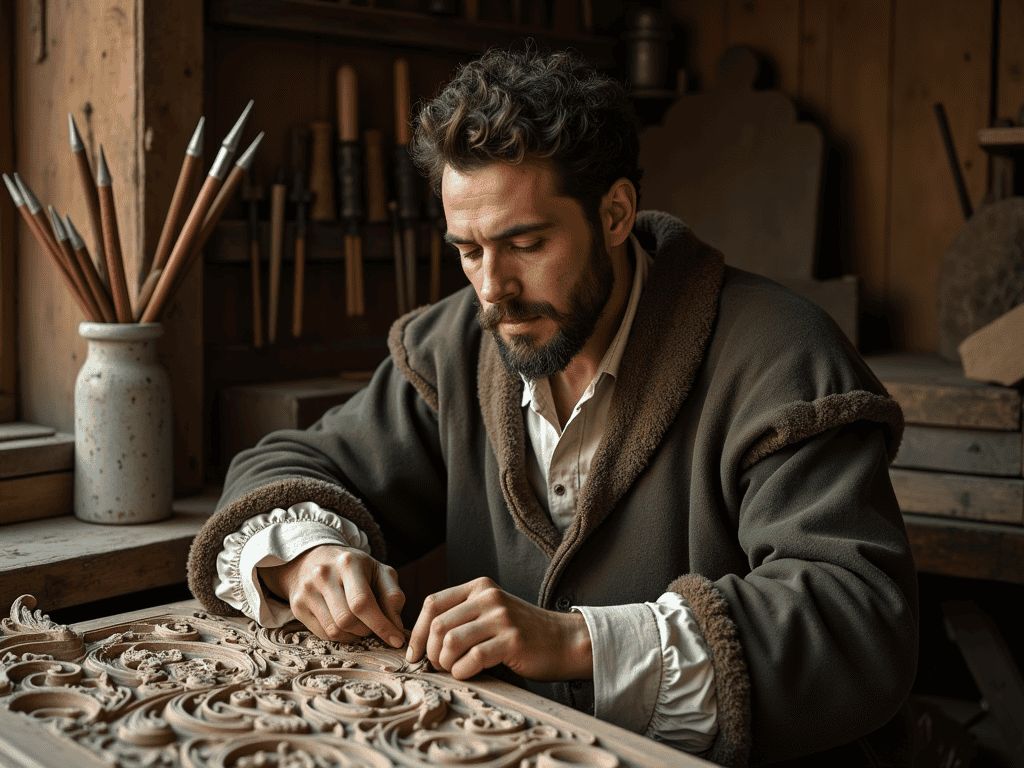
Briar’s Craft- A Carver’s Delight
Briar’s wood is a wonder, don’t you see?
With grains that twist like a winding spree.
In my hands, it could be quite a fight,
But carving with patience brings pieces to light.
At first glance, it seems a dense little block,
But trust me, it shapes with a sturdy knock.
From pipes to handles, oh what a thrill!
Each cut tells a tale, with just the right skill.
It loves the heat, won’t buckle or bend,
A tough little shrub, on it you can depend.
So when I grab my knife and set to work,
Briar’s my partner, not just some quirk!
Though it may make you sweat and sigh,
The finished piece makes it worth a try.
With patience and care, the magic unfolds,
In Briar’s embrace, my artistry molds!
Full Information about Briar
| Property | Details |
|---|---|
| Is it HARDWOOD or SOFTWOOD? | Hardwood |
| Common Name(s) | Briar (burl types- plateaux and ebauchon) |
| Scientific Name | Erica arborea |
| Tree Size | 8-13 ft (2.5-4 m) tall, 1-1.5 ft (.3-.5 m) trunk diameter |
| Average Dried Weight | 57 lbs/ft3 (910 kg/m3) |
| Specific Gravity | .69, .91 |
| Janka Hardness | 2,090 lbf (9,300 N) |
| Modulus of Rupture | 7,120 lbf/in2 (49.1 MPa) |
| Elastic Modulus | No data available |
| Crushing Strength | 8,540 lbf/in2 (58.9 MPa) |
| Shrinkage | Radial- 6.1%, Tangential- 8.5%, Volumetric- 15.6% |
| T/R Ratio | 1.4 |
| Color/Appearance | Warm reddish-brown with unique grain patterns, varieties include ebauchon and plateaux. |
| Grain/Texture | Consistent patterns in plateaux, random in ebauchon. |
| Rot Resistance | No data available |
| Workability | Challenging because of density |
| Odor | No characteristic odor |
| Allergies/Toxicity | No specific health risks, standard wood dust precautions apply |
| Pricing/Availability | Commercially available as root burl blocks, prices on par with other exotic burls |
| Sustainability | Not listed in CITES or IUCN Red List |
| Common Uses | Tobacco pipes, knife handles, and small specialty wood items |
Is Briar Good for Carving?
Briar wood is tough but rewarding for carving. With its dense nature, patience turns it into unique art like tobacco pipes and knife handles. Trust me, it’s worth it!!!