
August 1, 2026
By Alexander Grabovetskiy — Master Woodcarver · Founder, School of Wood Carving · 13 min read
Greek vs Roman Acanthus Leaf. How to Tell Styles Apart
By Alexander Grabovetskiy · Updated August 1, 2026
Quick answer: The Greek acanthus is a pointed, strict leaf with deep, sharp veins and raised ridges between the lobes. A Roman acanthus takes that same leaf and turns it bold and round, with soft tips and overlapping lobes. Byzantine, Gothic, Renaissance and Baroque carvers kept reshaping those two forms for two thousand years.
You found an acanthus pattern online and carved it. The leaf came out stiff and dead, and you could not say why. I know that wall. Every carver hits it, and the gouge is almost never to blame. Nobody told you which rules your pattern was playing by. That is the whole trouble.
In 1871 a German architect named Constantine Uhde wrote a short history of the acanthus for a trade journal called The Workshop. I keep a scan of that article, and it is still the best map of this leaf I have ever read. Every plate below comes straight from its pages. The journal is public domain now, so look all you want.
Ten minutes here and you will read any acanthus at a glance: where the points go, where the veins run, and what your tools should do about it.
Key takeaways
The acanthus has led Western ornament since about 500 BC, and it has almost never left the stage.
Greek leaves are pointed and strict. Roman leaves are round and bold.
Gothic carvers split the leaf into single small leaves on a bare stalk.
Renaissance masters made the leaf true to life again, and Rococo melted it into curls.
Name the style before you carve it. Every design choice gets easier after that.
Here is the whole story in one table. Print it and hang it over your bench.
Style | Rough years | The leaf | The tell | Where to look |
|---|---|---|---|---|
Greek | from 500 BC | Pointed, flat, strict | Raised ridges between lobes, deep sharp veins | Monument of Lysicrates, Athens |
Roman | 100 BC to 400 AD | Bold, round, heavy | Rounded tips, lobes riding over each other | Pantheon portico, Temple of Vesta at Tivoli |
Byzantine | 400 to 1100 | Pointed but loose | Greek shapes with no strict structure | Hagia Sophia, Constantinople |
Gothic | 1150 to 1500 | Split into single leaves | Buds and knobs on a bare stalk | Cathedrals of Laon and Vezelay, France |
Renaissance | 1450 to 1550 | True to life, graceful | Natural veins, free easy movement | Doge's Palace courtyard, Venice |
Baroque and Rococo | 1600 to 1780 | Swollen, deep, curled | Veins hollow at the base, round at the tips | A tripod mount in the Louvre, Paris |
Where does the acanthus leaf come from?
The acanthus is a Mediterranean plant, Acanthus mollis and Acanthus spinosus, that Greek carvers turned into a strict ornament around 500 BC. Uhde opens with a simple sorting job. All ornamental leaves fall into two families. Palm, maple and vine leaves spread from one point, like fingers from a hand, and they look best next to thin tendrils and fine lines. Our leaf belongs to the other family. It is a long leaf that grows out of the stem and carries the line of that stem into one broad, rich surface.
That single job explains the whole career of this leaf. A stem is a line. A leaf is a surface. Between those two, the acanthus is the bridge, and no other leaf makes the jump so well. So for 2,500 years, wherever an ornament had to swell from a thin stalk into a full body, somebody reached for the acanthus.
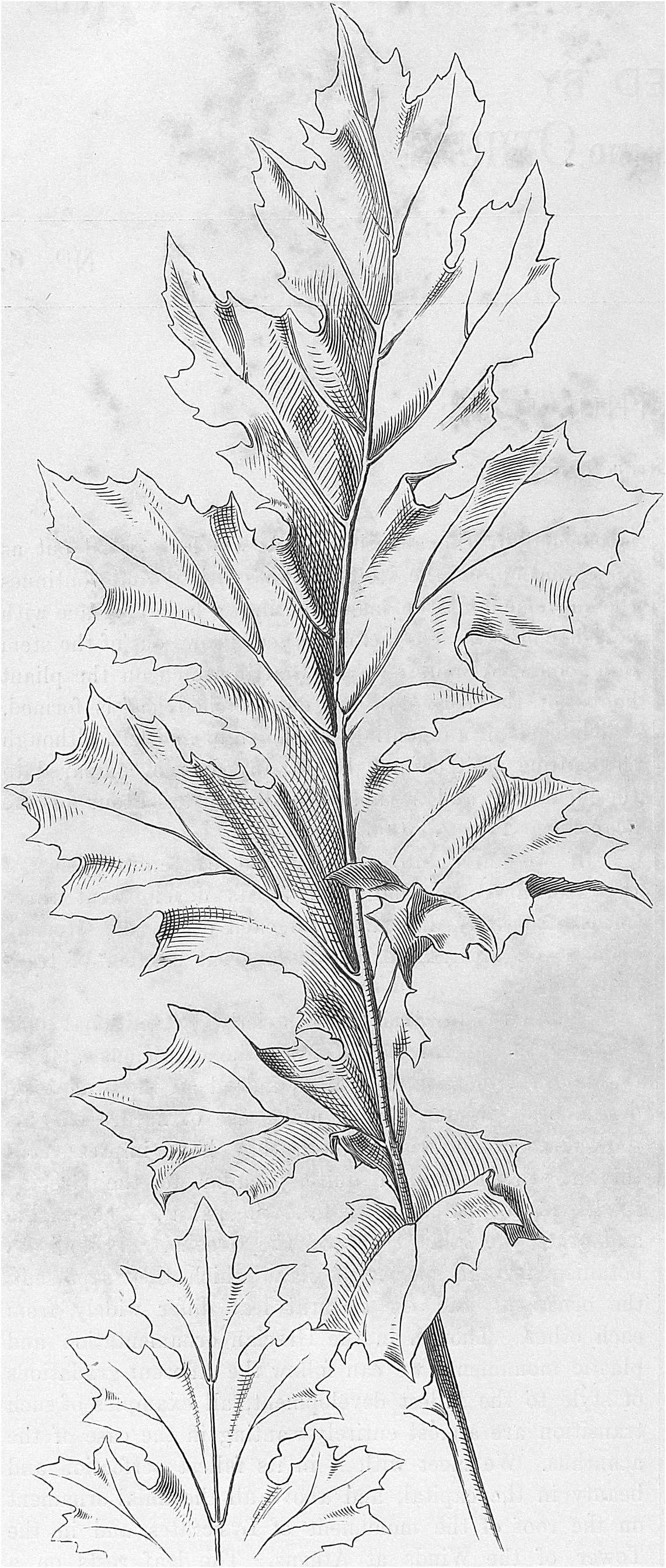
The real plant, drawn for The Workshop in 1871. Fig. 2.
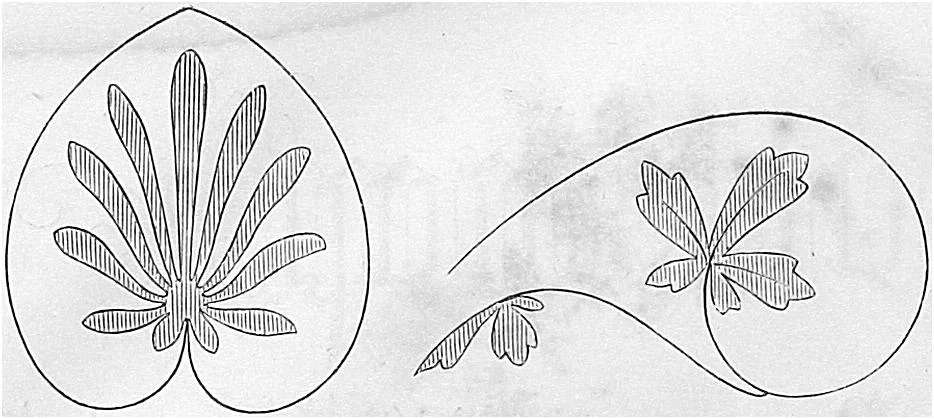
Fig. 1. Leaves that spread from a point, like the palm. Acanthus runs the other way.
How do you spot a Greek acanthus leaf?
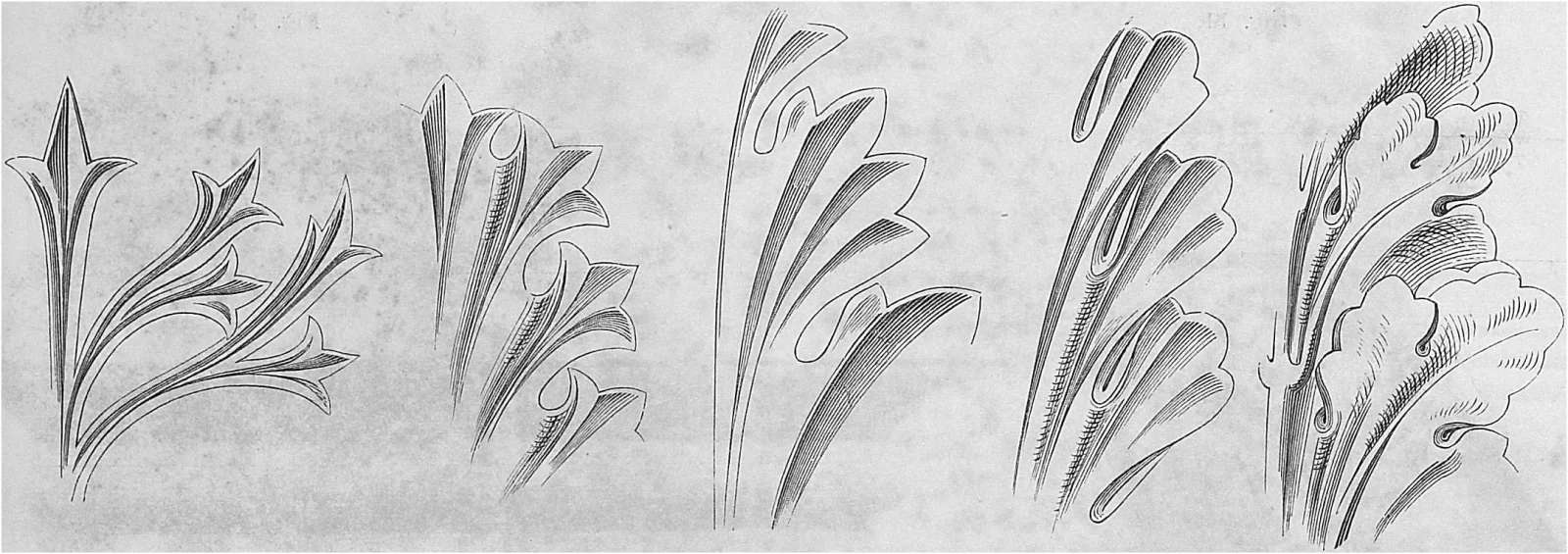
A Greek acanthus has pointed lobes, deep sharp veins, and raised ridges standing in the angles between the points. This leaf is a rule built from a plant, and a portrait was never the goal. Show the best Greek ornament to a botanist, Uhde says, and he could not name the species. He means that as praise. Greek carvers kept nature's logic and dropped nature's mess.
Study the leaf on the Choragic Monument of Lysicrates in Athens, or on the Tower of the Winds. The lobes shrink toward the tip in a steady beat, and their end points line up on one clean curve. Nothing overlaps. Every point gets its own air. Where two lobes meet, the carver leaves a small raised ridge, so the light catches the angle. And the veins are cut deep and sharp, like little valleys.
Under a gouge, this style is honest work. Flat planes, crisp V cuts, nowhere to hide a lazy line. That is exactly why I start people on it in my Greek acanthus course.
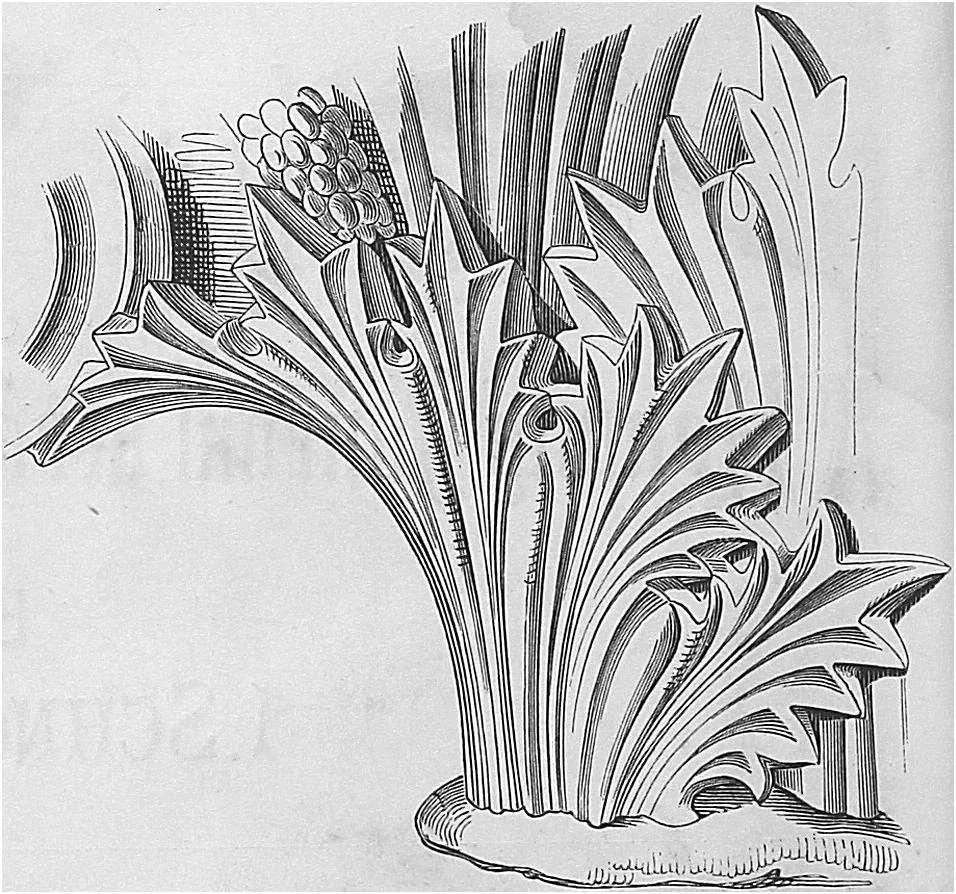
Fig. 3. The Greek form. Count the points. Each one stands alone.
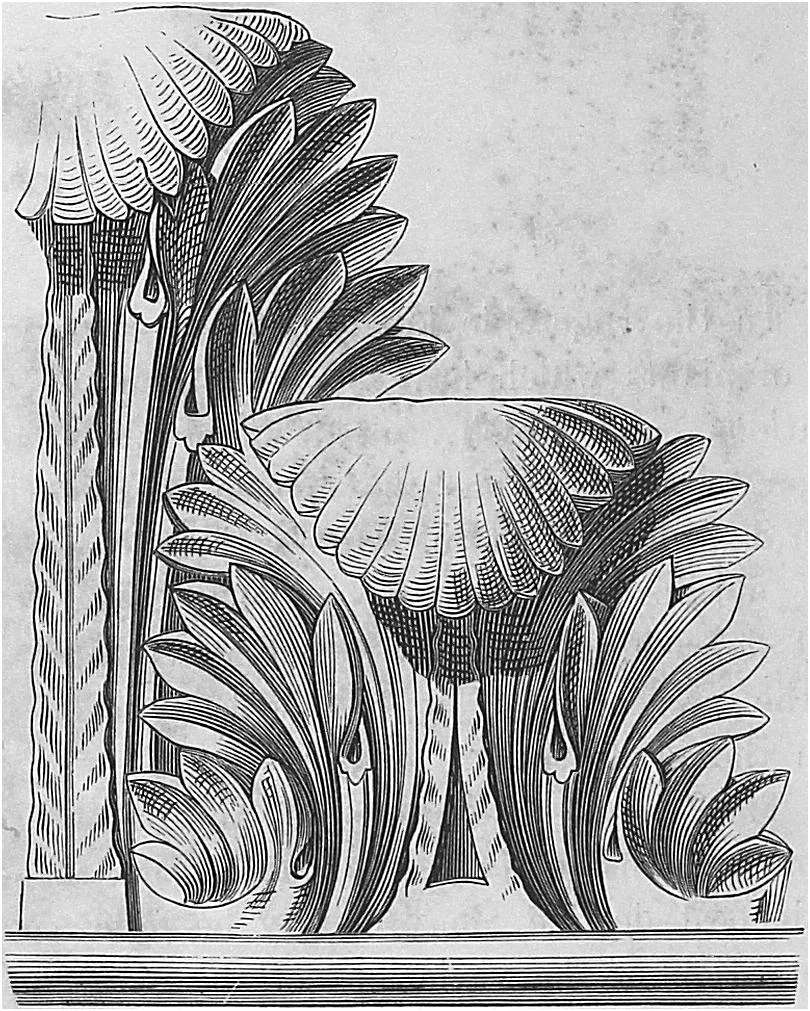
Fig. 4. Greek leaves on a capital. Order first, decoration second.
What makes a Roman acanthus different?
A Roman acanthus is bold and swollen, with rounded tips and lobes that ride over one another. Set it next to the Greek leaf and you feel the change at once. The clean gaps are gone. Lobes crowd and overlap until the fine outline drowns. The tips are rounded off, soft as thumbs. Down the middle runs a deep channel, or sometimes a fat woolly rib, where the Greek leaf had a sharp vein.
Uhde is blunt about all this, and I love him for it. He writes that the light and shade turn muddy, and he calls the famous leaf on the Temple of Vesta at Tivoli the work of a beginner. Rome left most fine carving to Greek workmen anyway, he notes, so the pure Roman form stayed rare in the west. Strong words. Open Fig. 5 and judge for yourself.
Rome went big, and its leaf grew heavy and sure of itself, like the empire that carved it. When Roman art slid downhill the acanthus slid too, and the boldness went puffy, then mechanical. My Roman acanthus course shows how to carve that weight without the mud.
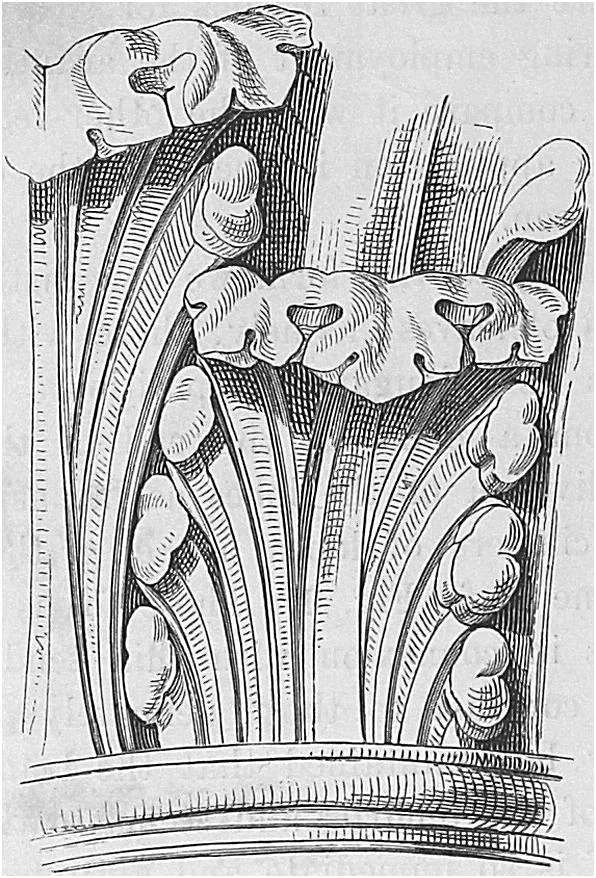
Fig. 5. Vesta at Tivoli. Round tips, crowded lobes, one deep channel.
What did Byzantium and the Moorish style do with the leaf?
Byzantine carvers kept the pointed Greek shapes but dropped the strict structure, and Moorish artists locked the leaf inside a geometric frame. Out east the acanthus stayed closer to Greece than to Rome. The article gives a leaf from Hagia Sophia in Constantinople, and the Greek bones still show through. But the discipline is gone. Pretty parts sit side by side with no structural sense.
From Byzantium the leaf moved on. Moorish art took over its frets and running bands, acanthus included, and stamped one law on all of it. Every ornament lives inside a frame. Fig. 8 shows the cage. Once the leaf sprang free from its stalk. Now it sits obedient inside a panel, like a lion in a zoo.
An ornament can survive almost anything except losing its job. My Byzantine acanthus course walks through the eastern form, which most carvers never even meet.
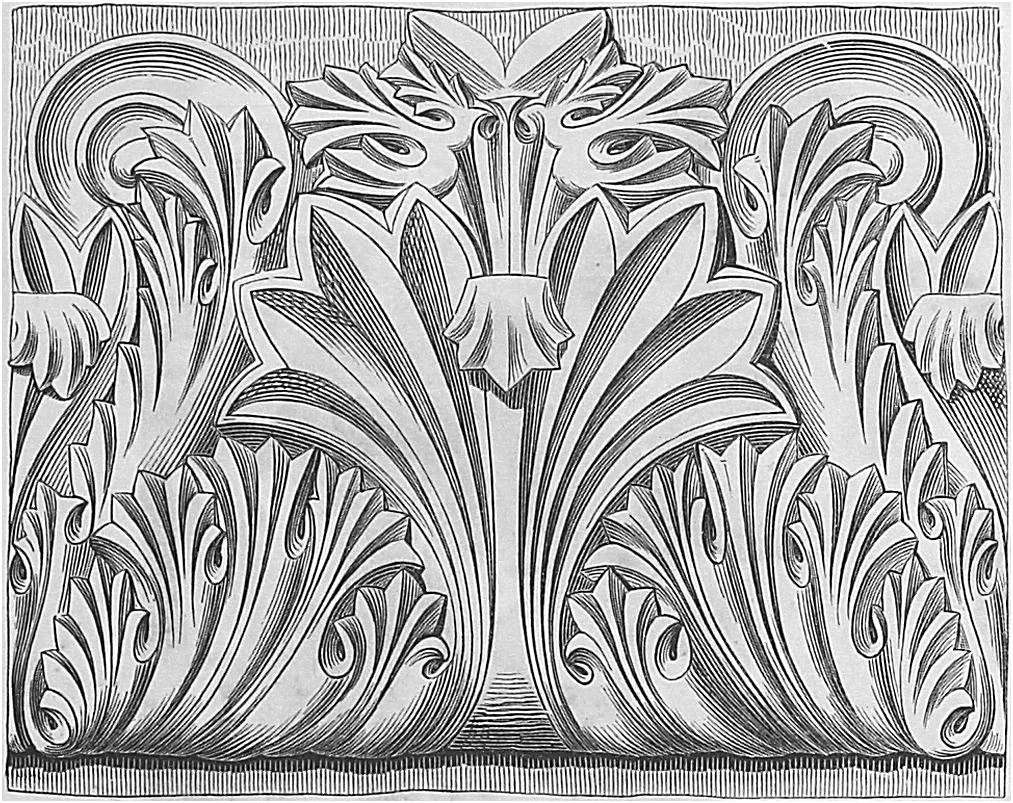
Fig. 6. Hagia Sophia. Greek bones, loose grammar.
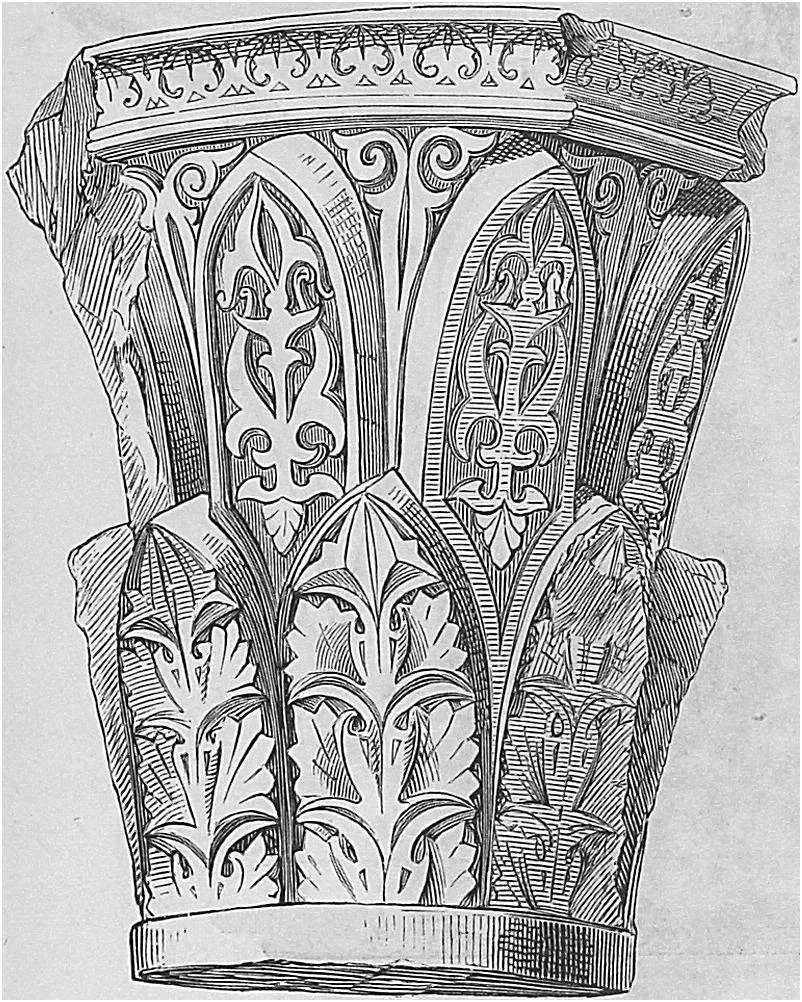
Fig. 8. The Moorish rule. Now the frame owns the leaf.
How did Gothic carvers change the acanthus?
Gothic carvers pulled the acanthus apart and turned its lobes into single small leaves set on a bare stalk. The change took two hundred years. Through the 900s and 1000s, shops in Italy and southern France copied the Roman capital badly. Contours went crude, and lobes shrank to rows of punched round holes. Degenerate is the word Uhde uses, and the plates back him up.
Around 1150 the leaf woke up. The new style reached back past Rome to the Greek model, because crusaders had seen Byzantine work with their own eyes. To prove the family line, he sets a capital from the church at Königslutter next to the leaves of Hagia Sophia. The 1200s brought the true Gothic idea. Carve the plants of your own fields. Northern masters split the acanthus lobes into separate little leaves climbing a common stem, and you can follow every step of it on the capitals at Laon and Vezelay.
They even tried to fire the acanthus outright. The best Gothic shops swapped in the plantain, a flat roadside weed with an oval leaf, and dressed its plain shape with buds and small flowers. It never stood a chance against the acanthus, Uhde says, and it refused to work for running borders at all. Still, the north held that line through the 1400s. It took the Renaissance to hand the old leaf its rights back.
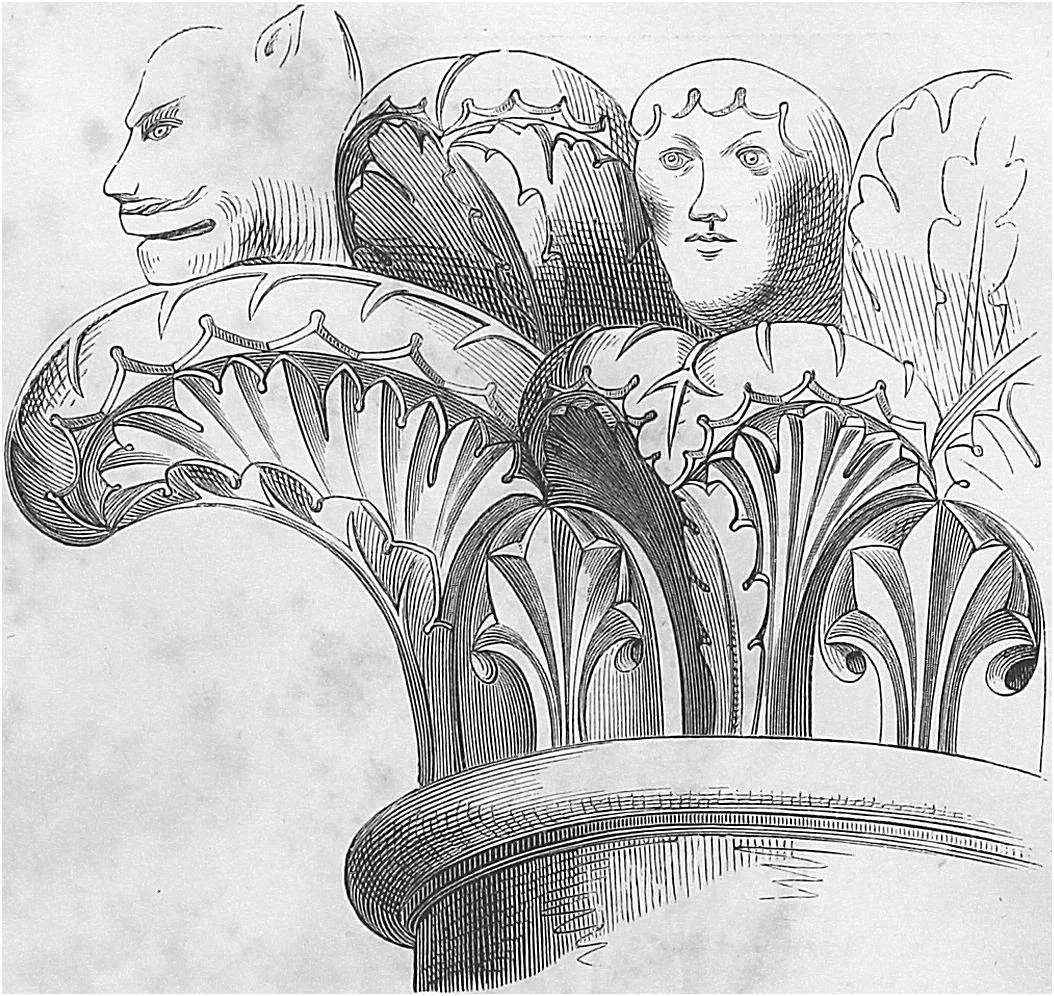
Fig. 9. Königslutter. The Greek leaf reborn in German stone, with company.
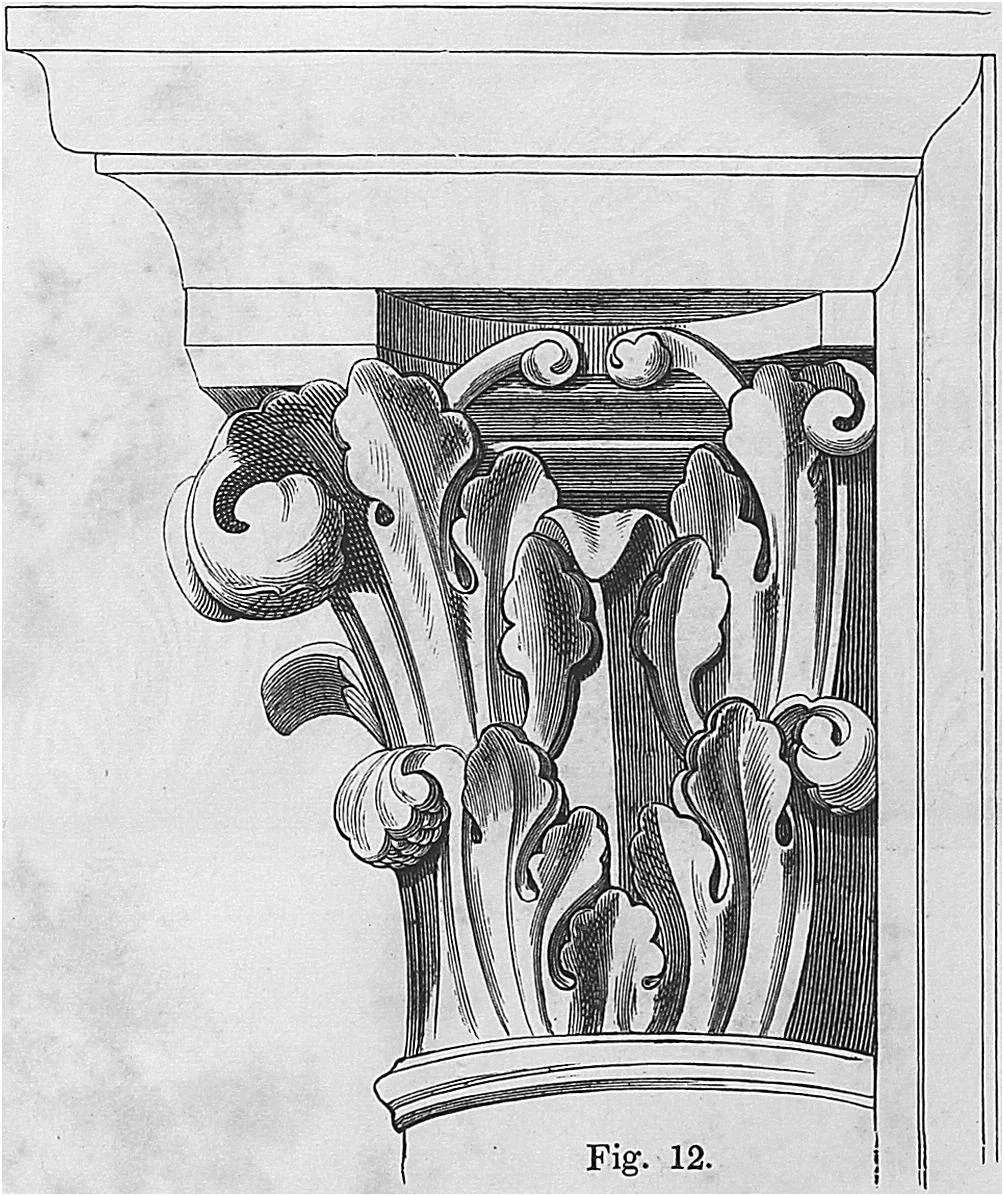
Fig. 12. Vezelay, early 1200s. The lobes are letting go of each other.
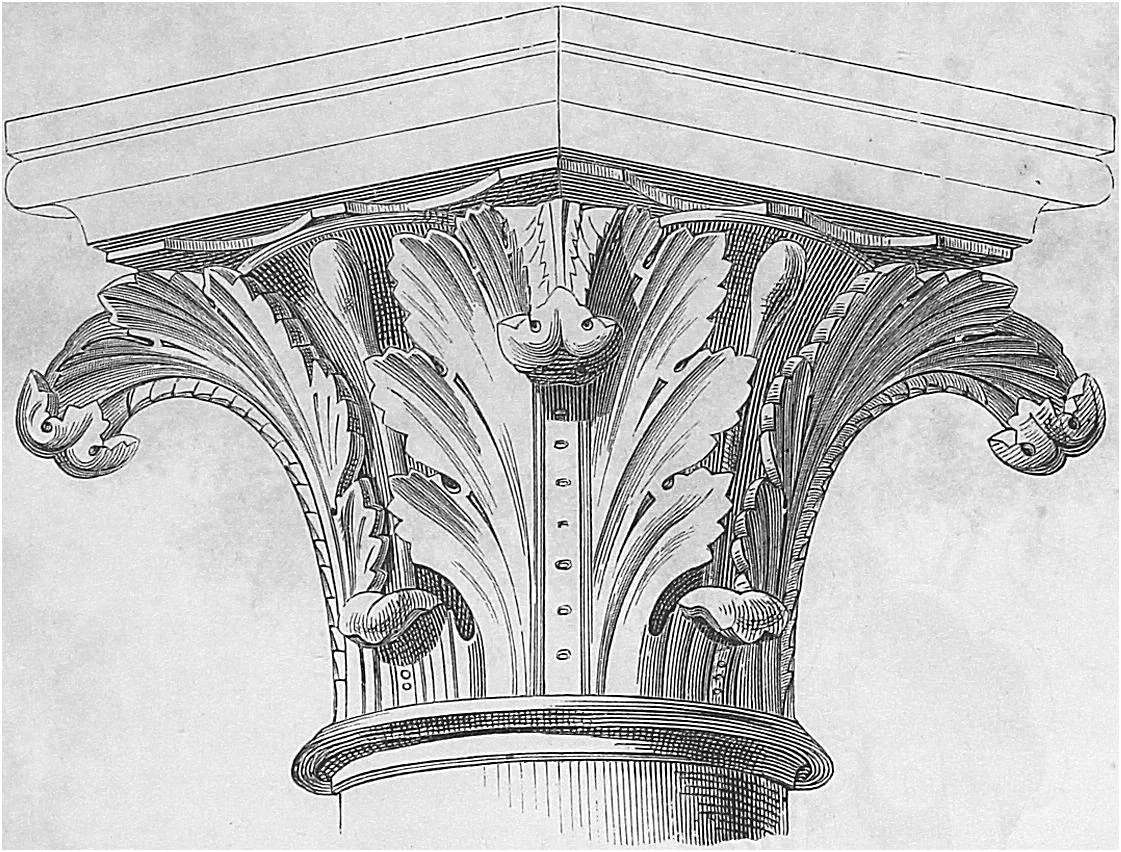
Fig. 10. Laon. Single leaves on a stalk, framed by the old volutes.
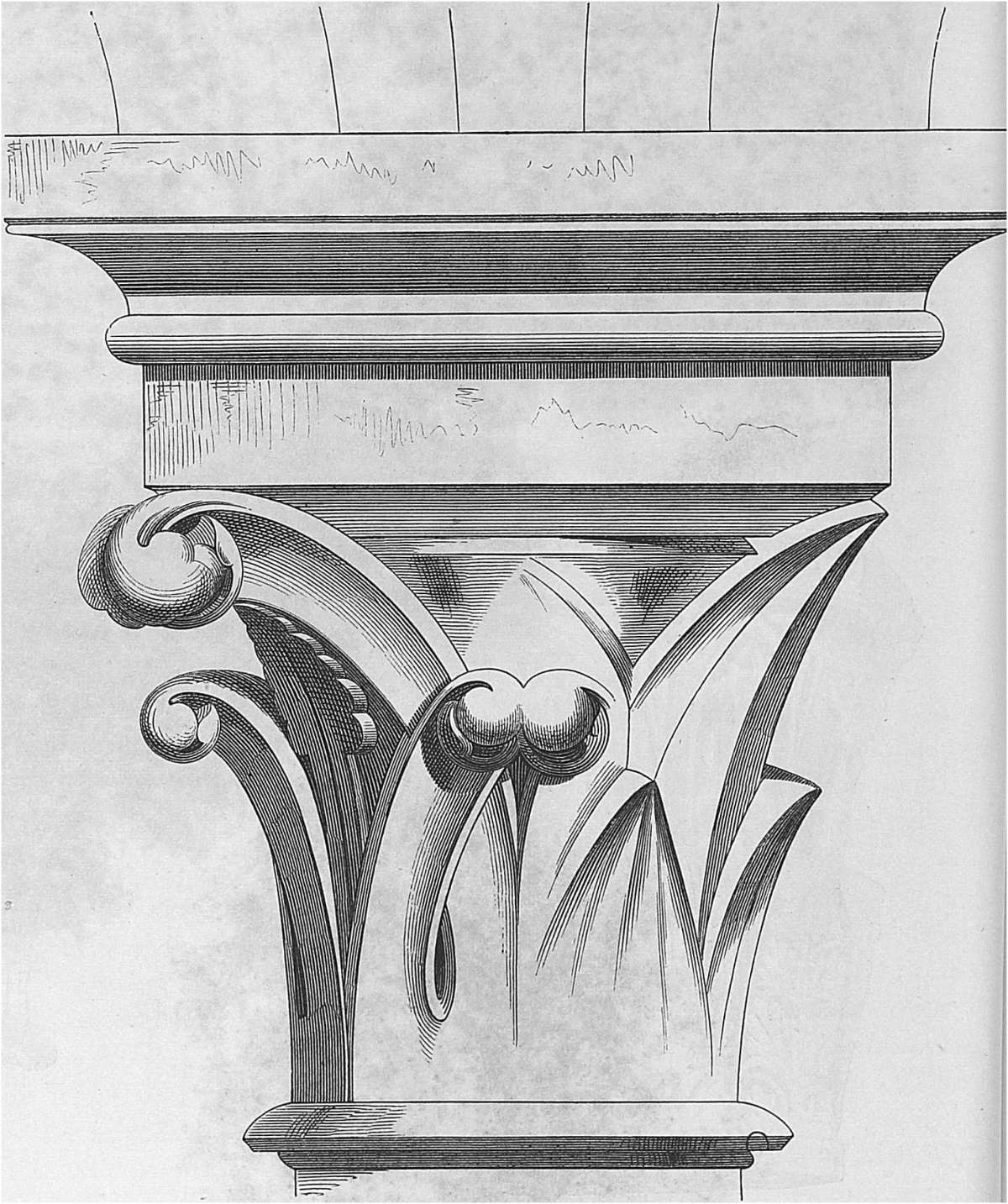
Fig. 14. The plantain experiment at Laon. Buds and flowers dress a plain leaf.
Why does the Renaissance acanthus look alive again?
Renaissance masters studied living plants, so their acanthus finally moves with natural veins and real grace. All that Gothic drawing from nature paid off. When Italian shops came back to the classical leaf in the 1400s, they carved it like men who had held one in their hands. The warmest praise in the whole 1871 article goes to the Venetian school of the Lombardi family, at its height from about 1480 to 1520. Their panels on the pillars of the Doge's Palace courtyard, and the tomb of Doge Vendramin, still set the bar for carved foliage.
Venice had been warming up for a century. Its Gothic capitals from the mid 1300s already rolled the leaf tips and let the veins jump, as if the leaf were withered. Uhde shrugs at that trick. I do not. A withered leaf is at least a leaf somebody looked at.
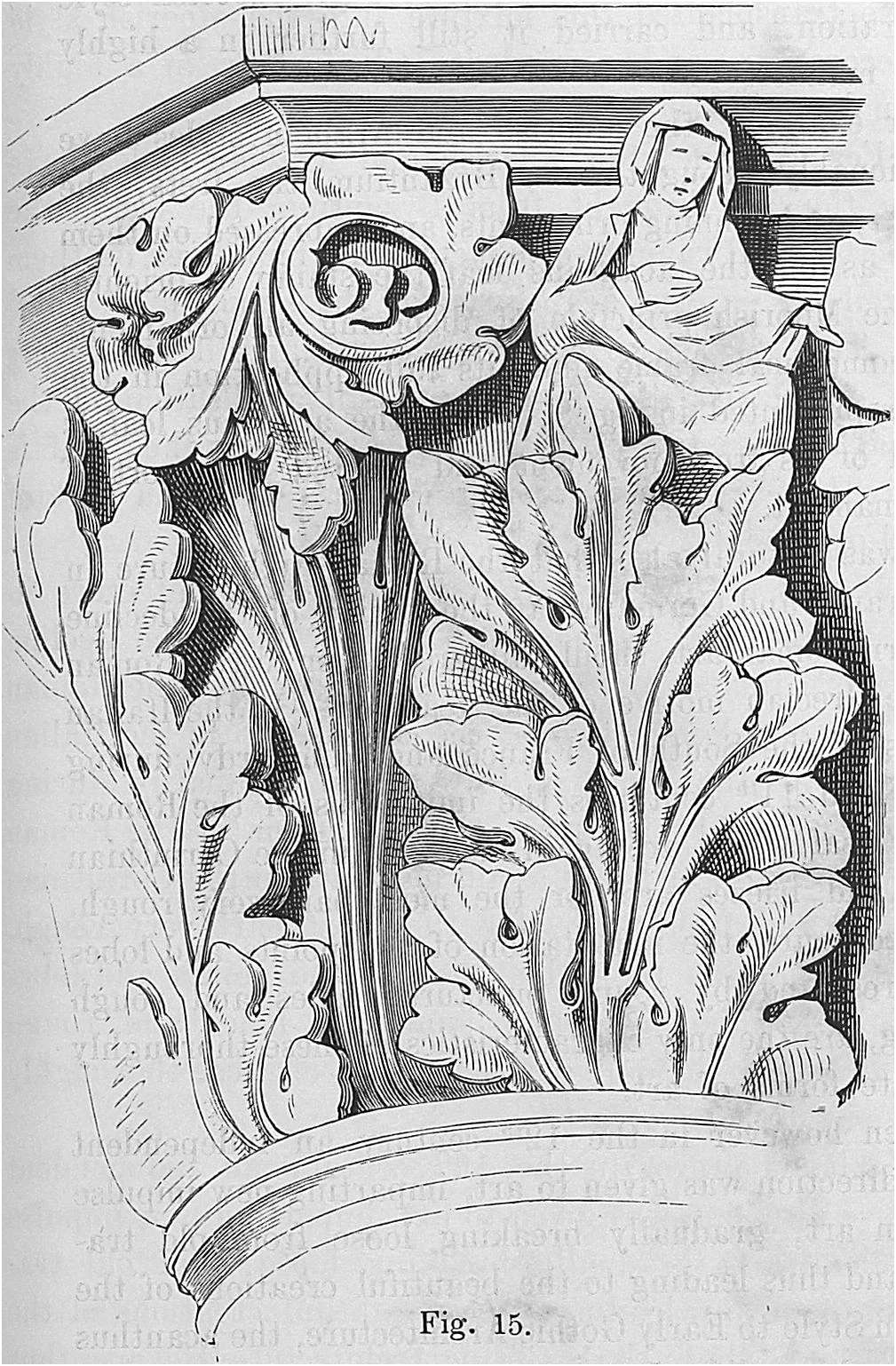
Fig. 15. Venice, mid 1300s. Rolled points and restless veins.
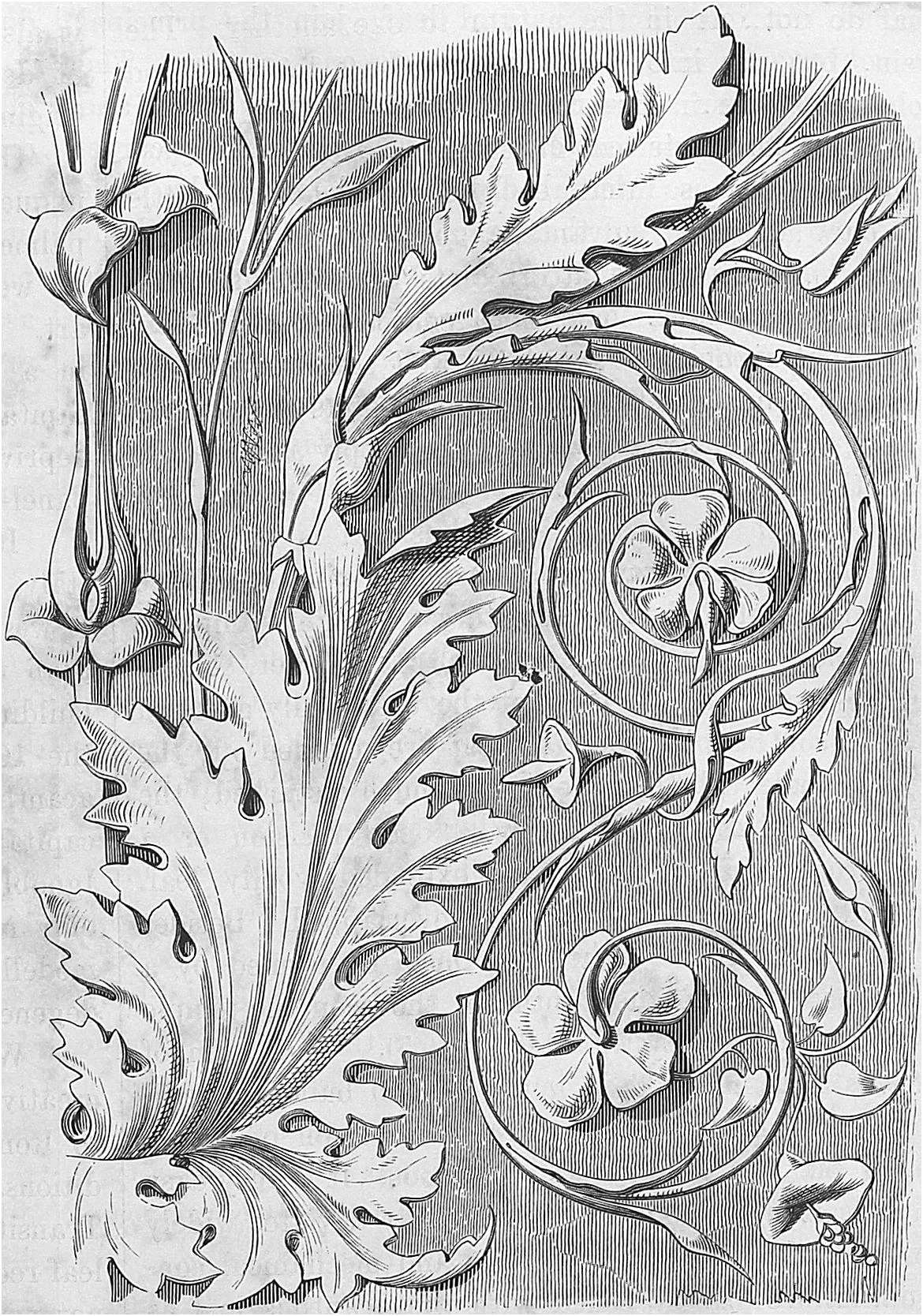
Fig. 16. Lombardi school work. Alive again.
What happened to the leaf in Baroque and Rococo?
Baroque carvers swelled the acanthus into deep rich scrolls, and Rococo melted it into curls with no structure left. The 1871 verdict on that late work is not kind. He calls it "incredible curls and shapes void of all true taste and style." Harsh. Also fair, once you have seen enough gilded mush from that century.
Then the world snapped back. After the French Revolution, taste swung hard toward the pure old models, and serious study of Greek and Roman work began again.
One French piece deserves your closest attention, a mount in the Louvre that joins a Roman style tripod to its base. The detail worth stealing sits in Fig. 17. On a Roman leaf the veins run hollow for their whole length. The French leaf starts its veins hollow at the base, then flips them to a round, raised ridge at the tips. That one flip makes the tips catch light like wet leaves. Run your fingers over good French furniture and you will find it with your eyes closed.
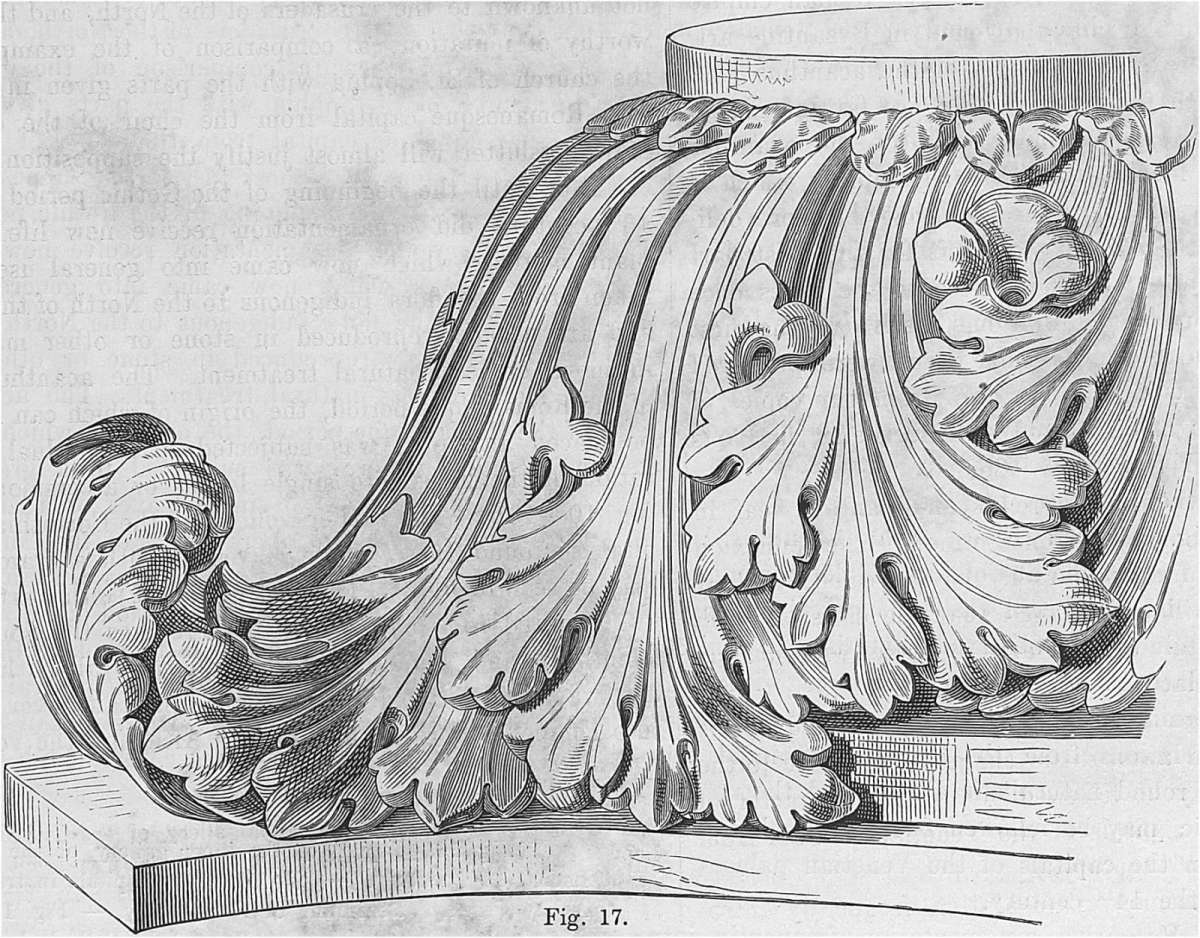
Fig. 17. The Louvre mount. Hollow veins below, round ridges at the tips.
How do you read any acanthus in four steps?
You read an acanthus by checking four things in order: the tips, the lobes, the veins, and the frame.
Step 1. Look at the tips
Sharp single points with air around them say Greek. Rounded heavy tips say Rome or Baroque.
Step 2. Look at the lobes
Lobes standing apart in a steady rhythm say Greek. When they ride over one another, think Roman. Little leaves split off onto a bare stalk say Gothic.
Step 3. Follow the veins
Deep sharp cuts say Greek, and one fat channel says Roman. A vein that runs easy and natural says Renaissance. Veins that start hollow and end in round ridges mean French work from the 1700s.
Step 4. Find the frame
A leaf springing free from its base is classical. One locked in a strict panel points east, to Byzantine and Moorish work.
Practice on the plates above. Then practice in church.
Which acanthus should you carve first?
Start with the Greek leaf, because it teaches the rules that every later style bends. When I was sixteen, in Russia, I became the only apprentice of a fine art master. Before he let me carve anything serious, he drilled one thing into me. Design lives in the laws of space and rhythm, and a pretty drawing is just the receipt. That strict Greek leaf is those laws made visible. Carve it until your hands know why every point sits where it sits. After that, Roman weight and Baroque motion become choices instead of accidents.
The 1871 article closes the same way. All the styles now stand side by side, Uhde writes, and each artist must decide which one fits the work. Nothing has changed since but the dust.
My school keeps a course for each road:
You want | Start here |
|---|---|
The strict Greek leaf | |
The bold Roman leaf | |
The eastern pointed leaf | |
The full Corinthian capital | |
Free modern design | |
Leaves flowing over moldings |
All six live under one roof in the acanthus carving section. Before any of them, draw the leaf once by hand. My post on how to draw the acanthus shows the honest way to do it, and learn acanthus leaf carving lays out the whole path.
Do your leaves still come out stiff and flat? Would you rather design your own ornament than trace someone else's pattern forever? Want every cut shown close up, at your own pace? Then let's put a gouge in your hand. Shall we carve?
FAQ
Is the acanthus a real plant?
Yes, it grows all around the Mediterranean. Acanthus mollis and Acanthus spinosus are the two species carvers copy, big plants with deeply cut, glossy leaves. The carved ornament follows the plant loosely. Greek carvers kept its logic and dropped its mess, which is why a botanist cannot name the species on a good capital. There is a solid overview on Wikipedia's acanthus ornament page.
Who put the acanthus on the Corinthian capital?
The Roman writer Vitruvius credits the Greek sculptor Callimachus, back in the 400s BC. In the story, Callimachus saw a basket left on a young girl's grave with a tile over it, and an acanthus had grown up around the basket in curling leaves. True or not, every Corinthian capital since works exactly like that basket.
Why did Gothic carvers drop the acanthus?
They wanted leaves from their own fields instead of a plant from the south. Northern shops split the old lobes into single leaves and tried natives like the plantain. The swap never fully won. With the Renaissance, the acanthus took back its old place on both sides of the Alps.
What wood should I carve an acanthus leaf in?
Basswood or European limewood, both Tilia, is the honest first choice. It slices clean under a #7 gouge and holds a sharp point without tearing. Construction lumber will fight you and dull your steel. Check the wood guide before you spend a dollar.
About the source, and about me
Every plate above comes from Constantine Uhde's article The Acanthus Leaf, printed in The Workshop, volume 4, number 6, in 1871. My scan still carries its JSTOR cover sheet, and the same issue prints a carved beam from a palace in Ceylon on the very next page. Old journals did not care about staying on topic.
I am Alexander Grabovetskiy, and I carve classical ornament for a living, acanthus more days than not. They named me International Woodcarver of the Year. Six full acanthus courses at my school start at the first pencil line and end at a carved ornamental acanthus. If this leaf is your leaf, you know where the door is.
Filed under
- acanthus
- acanthus
- architectural ornament
- Baroque
- Baroque ornament
- byzantine ornament
- Byzantine Ornament
- classical architecture
- classical architecture
- classical design
- corinthian capital
- Corinthian capital
- decorative arts
- decorative arts
- Gothic ornament
- Gothic ornament
- Greek ornament
- Greek Ornament
- historical styles
- leaf motif
- leaf motif
- Mediterranean plant
- ornamental carving
- pattern design
- relief carving
- Renaissance ornament
- Renaissance ornament
- Rococo
- Rococo ornament
- Roman ornament
- Roman Ornament
- sculpture
- woodcarving
- woodcarving