

Wood Species Guide · September 16, 2024 · Updated August 26, 2026
By Alexander Grabovetskiy — Master Woodcarver · Founder, School of Wood Carving · 18 min read
Is Boxwood Good for Carving?
Is Boxwood Good Wood For Carving

Is Boxwood Good for Carving by Hand?
Boxwood is an excellent wood for hand carving because of its fine, even texture and ability to hold intricate details. As a hardwood, it is durable and resistant to wear, making it a popular choice for detailed carvings and small specialty items. But, its hardness can also make it somewhat difficult to work with, and it tends to blunt tools quickly. Despite these challenges, the results are often worth the effort, especially for detailed work. The joke? Boxwood: It’s tough to carve, but maybe that’s just because it’s “boxing” above its weight class!
Boxwood is a very special wood because it’s hard and strong. It’s perfect for making small things like chess pieces or carvings because it can be carved into lots of tiny details. It’s a little bit tougher to carve because it’s hard, but that means it also doesn’t break easily.
- Hardwood: It’s durable and holds fine details well.
- Texture: Very fine and even, with a slight luster.
- Difficulty: Hard to work with but great for detailed projects.
- Uses: Carvings, chess pieces, musical instruments, small specialty items.
“In the world of woodcarving, the detail is in the grain, and Boxwood never lets the details fade.”
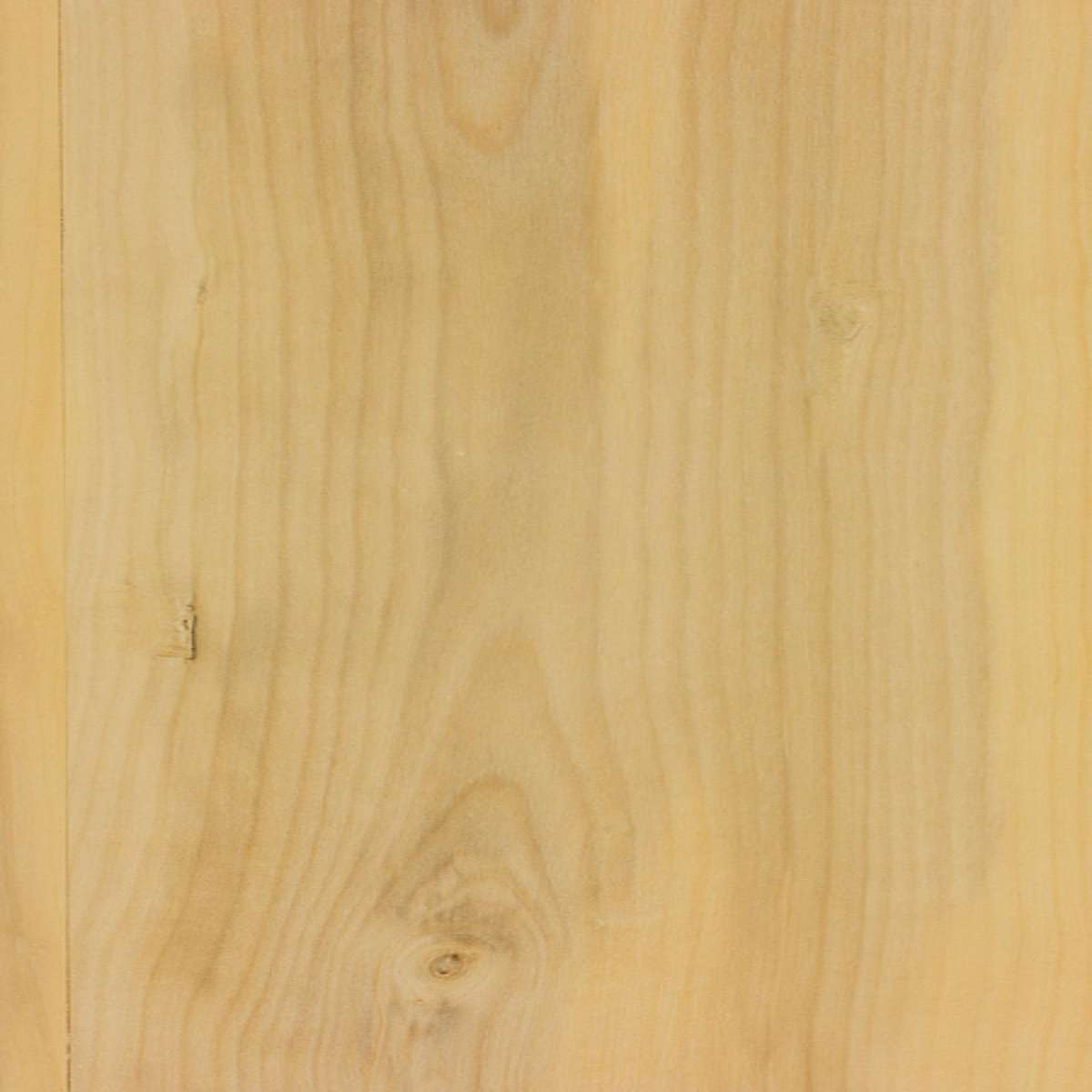
Grain and Texture of Boxwood.

Is Boxwood HARDWOOD or SOFTWOOD?
Boxwood (Buxus sempervirens) is a versatile and durable hardwood known for its unique strength and fine texture. Originating from Europe, Boxwood can grow up to 25 feet and typically has a trunk diameter of 4-6 inches. It has a very high Janka hardness rating of 2,940 lbf, proving its robustness and suitability for detailed work. Despite its toughness, Boxwood is perfect for carving intricate details and small specialty items. And here’s a chuckle for you: why did the Boxwood go to school? To improve its grain-age!!!
Imagine a tree that’s super strong and tough, like a little superhero tree. This wood, called Boxwood, comes from those trees and can be carved into really detailed and small things without breaking easily. Although it’s hard to work with, that’s what makes it so special!
- Hardwood: Reflecting its toughness and fine carving capabilities.
- Janka Hardness: 2,940 lbf, emphasizing its wear resistance.
- Tree Size: Grows between 10-25 feet with a 4-6 inch trunk diameter.
- Weight: Dried weight averages at 60.2 lbs/ft³ (965 kg/m³).
Boxwood, with its fine texture and robustness, lets every detail shine in the art of woodcarving.”

What are common names of Boxwood?
Boxwood is often called by various names, each reflecting its uses and origins. ‘European boxwood’ emphasizes its traditional cultivation in Europe. ‘Common box’ is another name, highlighting its frequent use in gardens and ornamental borders. Though called by different names, Boxwood’s superb carving qualities remain unmatched. Why do we call it Boxwood? Because it’s hard enough to box your tools around!!!
Boxwood has several nicknames because people use it in many ways and regions. ‘European boxwood’ is known because it mostly comes from Europe. ‘Common box’ is another name for it and is often used in gardens. Despite the different names, Boxwood is famous for being really good for carving.
- European boxwood: Reflects its common growth area.
- Common box: Used frequently in landscaping.
- Boxwood: Well-known name in the woodcarving community.
Names may differ, but the beauty of Boxwood in carving is universally cherished.
What is the Scientific Name of Boxwood?
The scientific name of Boxwood is Buxus sempervirens. This name is needed for identifying the specific type of Boxwood used in detailed wood carvings. Knowing the scientific name helps distinguish it from other woods that might share similar appearances. And here’s a little fun for you: Why did the Boxwood learn Latin? To sound smarter in botanical circles!
Boxwood’s scientific name is like its formal name. It’s called *Buxus sempervirens*, a name that scientists and woodcarvers use to make sure they’re talking about the same type of wood. This helps them know exactly what kind of tree they are working with.
- Scientific Name: Buxus sempervirens – the specific name for identifying Boxwood.
- Identification: Used to differentiate Boxwood from similar woods.
- Precision: Make sures clarity in woodcarving projects and academic discussions.
“In the world of woodcarving, knowing the name Buxus sempervirens is like having a key to revealing the wood’s full potential.”

What is the Tree Size of Boxwood?
Boxwood trees usually reach heights between 10 and 25 feet, making them relatively small in comparison to other trees. These trees have trunk diameters that vary from 4 to 6 inches. This compact size makes Boxwood ideal for ornamental gardens and detailed woodcarving projects. In my view, this size really helps to maintain the density and fine texture that carvers love. Why did the Boxwood exercise? To grow a “trunk”!!!
Imagine a tree that fits perfectly in a backyard or garden. Boxwood trees are not very tall, so they are great for creating shaped hedges and detailed wooden crafts. The trunks are also skinny, which means they can be easy to work with when carving small and detailed things.
- Height Range: Typically grows between 10 and 25 feet.
- Trunk Diameter: Ranges from 4 to 6 inches.
- Use: Ideal for gardens and detailed carvings because of compact size.
“Small in stature, Boxwood stands tall in the world of woodcarving.”
What is the Average Dried Weight of Boxwood in lbs/ft³ and kg/m³?
The average dried weight of Boxwood is 60.2 lbs/ft³ (965 kg/m³), making it a notably dense wood. This density contributes to its exceptional carving qualities and durability. Although heavy, Boxwood’s fine grain holds intricate details beautifully, proving it worth every ounce. And remember, a dense wood keeps you in shape both mentally and physically!
Boxwood is quite heavy, which means it’s really strong and can be carved into tiny details without breaking. Imagine lifting a small but very solid piece of wood—it’s sturdy, like a tiny weight-lifting champion of the forest.
- Density: 60.2 lbs/ft³ (965 kg/m³).
- Benefits: Provides excellent strength and durability for fine carvings.
- Grain: Holds intricate details exceptionally well.
“In the world of woodcarving, the weight of the wood is a measure of its potential, and Boxwood stands heavy but mighty.”

What is the Specific Gravity of Boxwood?
The specific gravity of Boxwood at 12% moisture content ranges from 0.80 to 0.96, showcasing its density and strength. Specific gravity is a measure of how heavy the wood is compared to water, and this range shows that Boxwood is quite dense and heavy. This trait contributes to its durability and ability to hold detailed carvings. So, think of Boxwood as the heavyweight champion allowing the finest details to “box” their way onto your project. And here’s a light-hearted thought: If Boxwood had a favorite drink, it would probably be “heavy water!”
Specific gravity is like checking how thick and full of substance the wood is. For Boxwood, this number tells us it’s pretty solid and dense, which is why it doesn’t snap easily when carved into tiny shapes like little superheroes.
- Density Indicator: Ranges from 0.80 to 0.96 at 12% moisture content.
- Reflects Strength: High specific gravity shows Boxwood’s robustness.
- Carving Benefit: Its density allows it to hold intricate details marvelously.
“In the arena of woodcarving, Boxwood’s density makes every detail stand out boldly.”

What is the Janka Hardness of Boxwood?
Boxwood is renowned for its impressive Janka hardness rating of 2,940 lbf, making it one of the hardest and most durable woods for carving. This hardness ensures that it maintains fine details well and resists wear over time. Carvers often appreciate this quality because it allows for intricate, long-lasting designs. Although it can be tough on tools, the beautiful results make it worth the effort. And here’s a little chuckle: Working with Boxwood toughens you up more than any gym workout!
Boxwood is incredibly hard, which means it’s great for making things that need a lot of fine, precise details. Imagine trying to carve a beautiful, tiny lion—you want the wood to be strong, so all those little details don’t break off.
- Janka Hardness: 2,940 lbf, showing its impressive durability.
- Detail Retention: Holds fine carvings beautifully.
- Tool Impact: Hard on tools but worth it for detailed work.
“In woodcarving, the greater the hardness, the sharper the details—and Boxwood is proof.”

What is the Modulus of Rupture of Boxwood?
Boxwood is revered for its impressive modulus of rupture, clocking in at 19,800 lbf/in² (136.5 MPa). This measure of strength shows how much stress the wood can endure before snapping under bending forces. For woodcarvers focused on delicate and detailed projects, this robustness ensures that the material can withstand significant pressure without breaking. Neededly, Boxwood’s modulus of rupture makes it a top choice for both artistic carvings and functional wooden items. And just for laughs: Why did the Boxwood avoid tight spaces? It didn’t want to reach its breaking point!
Picture working with a piece of wood that can bend quite a bit before it breaks. That’s Boxwood! Because it’s so strong, you can carve very detailed designs without worrying about it snapping apart easily.
- Strength: Modulus of rupture of 19,800 lbf/in² (136.5 MPa).
- Durability: Can handle high stress and bending forces.
- Carving Benefit: Supports intricate and detailed work effectively.
“In woodcarving, the strength of the wood defines its limits, and Boxwood’s modulus of rupture sets a high bar for durability.”
What is the Elastic Modulus of Boxwood?
Boxwood’s elastic modulus is approximately 1,779,000 lbf/in² (12.27 GPa), demonstrating its ability to resist deformation under stress. This characteristic makes Boxwood exceptionally stable and a preferred choice for precision carvings and intricate designs where maintaining shape is critical. Its impressive stiffness also contributes to its longevity and resilience in various applications. And here’s a light-hearted thought: If Boxwood were a gymnast, it would win gold for its ‘flex’-ibility without breaking form!
Think of elastic modulus like a measure of how much the wood can bend and still snap back to its original shape. For Boxwood, this means it can bend quite a bit before it starts to warp, making it perfect for pieces that need to stay precise and detailed.
- Elastic Modulus: Measures stiffness, 1,779,000 lbf/in² (12.27 GPa).
- Stability: Maintains shape under stress, ideal for carvings.
- Application: Suitable for projects needing precision and longevity.
“In the intricate dance of woodcarving, Boxwood’s elasticity keeps every curve and line in graceful harmony.”

What is the Crushing Strength of Boxwood?
The crushing strength of Boxwood is 10,334 lbf/in² (71.3 MPa), showcasing its remarkable compressive strength. This measure shows how much stress wood can withstand when squeezed before it fails. Carvers favor Boxwood not only for its dense and smooth properties but also for its significant strength that supports detailed carving. Despite its tough nature, Boxwood remains a cherished material for its balance of strength and finesse. Here’s a chuckle: Why don’t Boxwood projects fear pressure? They’re born under it!
Boxwood is like a super strong material that can handle a lot of pressure without breaking. You can press down on it really hard, and it will stay solid, which makes it great for making things that need to be strong and durable.
- Crushing Strength: 10,334 lbf/in² (71.3 MPa), indicating high compressive strength.
- Durability: Excellent for projects requiring robust material.
- Carving Benefit: Supports detailed and intricate carving without breaking under stress.
“In woodcarving, the true test of a wood’s character is how much pressure it can handle, and Boxwood passes with flying colors.”

What are the Shrinkage Percentages of Boxwood?
Boxwood experiences dimensional changes because of shrinkage during the drying process. Radial shrinkage is around 7.3%, while tangential shrinkage is about 11.2%, and volumetric shrinkage is a significant 19.0%. The T/R (tangential to radial) ratio of Boxwood is 1.5, indicating the wood’s tendency to shrink more along the tangential grain than the radial grain. And for a little chuckle: Why did the Boxwood always keep its cool? Because it couldn’t shrink away from the heat!
Imagine a piece of wood changing size when it dries out. For Boxwood, the change going across the width is around 7.3%, and going around the rings is 11.2%. Overall, it can shrink about 19% in total volume, which means it gets a bit smaller all around when it dries out.
- Radial Shrinkage:
- 7.3%
- Tangential Shrinkage:
- 11.2%
- Volumetric Shrinkage:
- 19.0%
- T/R Ratio:
- 1.5
“In the hands of a master woodcarver, understanding the shrinkage of Boxwood reveals the beauty hidden within its grains.”
What is the Color/Appearance of Boxwood?
Boxwood (Buxus sempervirens) has a light cream to yellow color that darkens slightly over time when exposed to light. The sapwood and heartwood are not distinctly different in appearance, providing a uniform color throughout the wood. This consistency in color, paired with a very fine and even texture, contributes to Boxwood’s popularity among woodcarvers for creating detailed and high-quality pieces. Joke time: Why did the Boxwood never need makeup? It’s already a natural beauty!
Imagine a piece of wood that starts off looking pale yellow and gets a bit darker if it sits in the sunlight. Boxwood has no big color differences inside its branches, making it look the same all the way through.
- Color: Light cream to yellow, darkening over time.
- Uniformity: No distinct separation between sapwood and heartwood.
- Texture: Very fine and even, perfect for detailed carvings.
“In the world of woodcarving, the consistent color of Boxwood reveals its beauty in every carve and curve.”

Grain/Texture of Boxwood?
Boxwood’s grain is typically straight but can sometimes be slightly irregular. This unique characteristic, combined with its natural luster, gives Boxwood a very fine and even texture. This texture, known for its silkiness, makes Boxwood ideal for intricate, detailed carvings, adding a polished look to finished pieces. Imagine carving your initials into butter—Boxwood offers that same smooth working experience, but with the strength and resilience that butter could only dream of!
Think about a piece of wood that’s not just strong but also smooth and shiny. Boxwood has tiny, even grains that give it this nice, soft feeling, making it perfect for carving tiny, detailed designs.
- Grain: Tends to be straight or slightly irregular.
- Texture: Extremely fine and even with a natural sheen.
- Carving Benefit: Ideal for detailed and intricate projects because of its smooth, silky feel.
“In the art of woodcarving, Boxwood’s even texture and natural luster make every carve a pleasure and every piece a masterpiece.”
What is the Rot Resistance of Boxwood?
Boxwood’s heartwood is rated as durable against decay, though it may develop dark streaks because of fungal activity. While it has a general resistance against rot, reports vary on its susceptibility to insect attacks. Despite these challenges, Boxwood’s durability makes it suitable for long-lasting carved items. Why did the Boxwood stop going to the beach? It didn’t want to catch any “fungus tan lines!”
Think of Boxwood like a really tough cookie that can last a long time without rotting, but sometimes it gets little marks from tiny fungus friends.
- Decay Resistance: Heartwood is usually durable.
- Fungal Stains: May develop dark streaks over time.
- Insect Susceptibility: Mixed reports on vulnerability.
- Carving Longevity: Excellent for long-lasting projects.
“In the art of woodcarving, lasting beauty is achieved through durability, and Boxwood stands resilient even against the secrets of time.”

How Workable is Boxwood?
Boxwood is notably fine for carving, allowing for intricate, detailed work because of its smooth texture and uniform coloration. While it’s phenomenal for turning and hand carving, the wood’s hardness can present difficulties during planing or other machining operations, often causing tearout. Boxwood can slightly blunt your tools because of its density, but the outstanding finish makes it an attractive option for detailed projects. And for a touch of humor: Why did the Boxwood love the chisel? It found their relationship very cutting-edge!
Boxwood is a special wood that’s great for carving tiny, detailed designs because it’s smooth and even. When you carve it, the wood doesn’t usually break, but it can make your tools dull faster. This is why Boxwood is still a super choice for making cool, detailed things despite being tough to work on.
- Carving: Exceptional for hand carving and turning.
- Machining: Difficult because of potential tearout on pieces with irregular grain.
- Tool Impact: Slightly blunts cutting tools.
- Finish: Provides an excellent finish for detailed projects.
“Even the toughest wood reveals beauty in the hands of a dedicated carver, and Boxwood never disappoints.”
What is the Odor of Boxwood?
Boxwood, or Buxus sempervirens, is known for having no distinct odor, making it a neutral choice for those sensitive to strong smells. This lack of aroma is particularly beneficial for intricate projects and indoor carvings where the presence of strong scents might be overwhelming. Whether you’re crafting detailed chess pieces or fine musical instruments, Boxwood’s absence of a characteristic odor can help you focus on your work without any nasal distractions. Why did the Boxwood never join the perfume industry? Because it had absolutely no scent-sational promise!
Boxwood doesn’t have any smell, which means you won’t get distracted by any strong odors while you’re carving. This quality makes it perfect for working on detail-oriented projects without worrying about any annoying scents.
- Odor: None, making it appealing for sensitive environments.
- Benefit: Allows for a comfortable carving experience without strong odors.
- Application: Ideal for indoor projects and detailed carvings.
“In the silent world of woodcarving, Boxwood’s lack of odor lets your craftsmanship talk the loudest.”
What are the Allergies and Toxicity risks associated with Boxwood wood?
Boxwood can cause eye, skin, and respiratory irritation, although severe reactions are rarely reported. As a sensitizer, it might trigger allergic responses in some individuals. Carvers should be aware of the potential for minor discomforts and take appropriate precautions. Humor moment: Why did the Boxwood get a spa day? To avoid “irritating” its carvers, of course!
Imagine you’re working with Boxwood and it makes your eyes, nose, and skin feel a bit itchy—like when you get a mosquito bite. This wood can sometimes cause these kinds of irritations when you’re carving it.
- Common Reactions: Include eye, skin, and respiratory irritation.
- Sensitizer: Can trigger allergic reactions in some people.
- Severity: Severe reactions are uncommon.
- Precautions: Carvers should take care to minimize contact.
“In the delicate art of woodcarving, knowing how to handle your materials ensures the beauty you create stays unmarred by discomfort.”

Common Uses of Boxwood?
Boxwood’s fine texture and density make it a go-to material for intricate carvings, fine turned objects, and detailed musical instruments. Its ability to hold minute details superbly complements the creation of items like chess pieces, rulers, handles, and woodwind instruments. Boxwood is also favored for making precise measuring tools and specialty wooden tools because of its durability and smooth finish. Despite its tough nature, the results achieved with this wood are exceptional and well worth the effort—plus, who wouldn’t want a chess piece that’s both a warrior on the board and in the carving shop!
Imagine making cool stuff like tiny chess pieces or flutes—Boxwood is perfect because it’s strong and smooth. Artists love using it for fancy carvings and little tools because it can be carved into tiny, amazing designs without breaking.
- Carvings: Ideal for detailed and intricate work.
- Musical Instruments: Perfect for flutes, recorders, and other woodwinds.
- Chess Pieces: Holds fine details beautifully.
- Handles and Rulers: Durable and smooth finish.
“The beauty of Boxwood lies not only in its strength but also in its ability to bring intricate designs to life with every carve.”

The Boxwood Challenge
When I pick up my tools, oh, what a sight,
Boxwood waits for me, both tough and bright.
It’s hard as a rock but fine to the touch,
In the world of carving, it means so much!!!
Intricate details come alive with a whittle,
Chess pieces and flutes, oh man, it’s a riddle!
I grab my chisel, it’s a workout for sure,
But the finish it gives is one I adore!
Though it dulls my tools quick, I won’t back down,
Making magic from wood feels like wearing a crown.
With a smooth, golden glow, Boxwood steals the show,
Creating my wonders, I just go with the flow!
So treat it with care as I carve and I mold,
Boxwood’s the hero; it’s sturdy and bold!
In the end, every challenge, every twist and turn,
Leads to something special; it’s what I’ve learned!
Boxwood (Buxus sempervirens) – A Woodcarver’s Delight
| Property | Details |
|---|---|
| Hardwood or Softwood | Hardwood |
| Common Name(s) | Boxwood, European boxwood, common box |
| Scientific Name | Buxus sempervirens |
| Tree Size | 10-25 ft (3-8 m) tall, 4-6 in (12-20 cm) trunk diameter |
| Average Dried Weight | 60.2 lbs/ft³ (965 kg/m³) |
| Specific Gravity | 0.80 to 0.96 (Basic, 12% MC) |
| Janka Hardness | 2,940 lbf (13,080 N) |
| Modulus of Rupture | 19,800 lbf/in² (136.5 MPa) |
| Elastic Modulus | 1,779,000 lbf/in² (12.27 GPa) |
| Crushing Strength | 10,334 lbf/in² (71.3 MPa) |
| Shrinkage | Radial: 7.3%, Tangential: 11.2%, Volumetric: 19.0%, T/R Ratio: 1.5 |
| Color/Appearance | Light cream to yellow, darkening slightly with exposure to light |
| Grain/Texture | Very fine, even texture with a natural luster; straight or slightly irregular grain |
| Rot Resistance | Heartwood durable, potential dark streaks from fungal activity |
| Workability | Great for carving, can present difficulties in machining operations |
| Odor | No characteristic odor |
| Allergies/Toxicity | Can cause eye, skin, and respiratory irritation |
| Pricing/Availability | Often expensive, usually available in small sizes |
| Sustainability | Not listed in CITES Appendices, least concern by IUCN |
| Common Uses | Carvings, chess pieces, musical instruments (flutes, recorders), rulers, handles |
Is Boxwood Good for Carving?
Boxwood is a fantastic choice for carving!!! It’s super strong and great for detailed work, but it’s also tough on your tools. Worth the effort, though!