

Wood Carving Tutorials in Berkeley, CA
Online and in person wood carving classes for Berkeley, CA
Wood carving classes for Berkeley, CA are online. You watch a cut, you make the same cut, you stop the video when your hand falls behind. Tuition is $25 a month or $200 a year, and you can end it whenever you want. There is no school building in Berkeley, CA. There are about 3,000 lessons you can open tonight.
So the honest version is short. You typed "Wood Carving Tutorials" and the name of your town, and you were hoping for a room with a bench in it. I do not have that room in Berkeley, CA. What I have is over forty years of carving, a camera over my hands, and the International Woodcarver of the Year award. I name it once so you know who is talking, and then we can drop it.

Can you learn wood carving in Berkeley, CA without a teacher in the room?
Yes, and the large majority of my students have never stood beside me. Carving is a hand skill, and a hand skill moves through the eyes first. You need to see the tool go in at the right angle, at the right speed, from the angle where the chip breaks. A camera eight inches above the wood shows you that better than standing behind a man in a class of twelve.
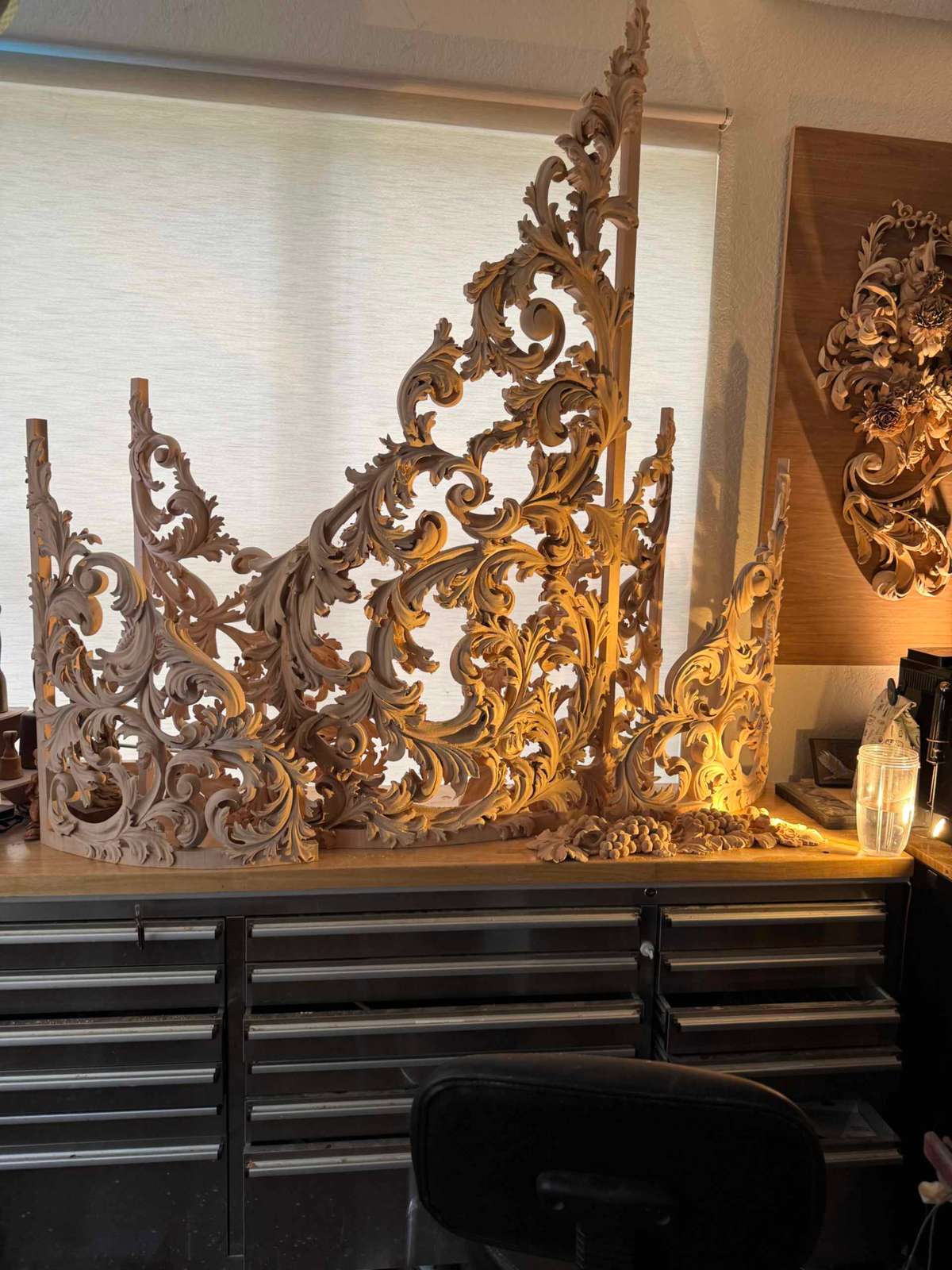
Here is what a local class actually gives you that a video does not: someone takes the gouge out of your hand and fixes your grip. Real, and I will not pretend otherwise. But a Saturday class runs three hours, once a week, and half of it is setup. In three hours of video you can go back over the same cut nine times.
The part people get wrong is the schedule, not the teacher. Any class near Berkeley, CA would have you driving on someone else's Tuesday. Carving does not work on Tuesdays. It works when the house goes quiet and your shoulders drop.

What "Wood Carving Tutorials" usually turns up near Berkeley, CA
People send me what they find. Around a town like Berkeley, CA, "Wood Carving Tutorials" comes back as one of four things, and none of them is a carving school.
- A weekend spoon class at a craft store. Fun day. You will not carve a leaf after it.
- A general woodworking shop, which is cabinets and joinery. Good people, different craft.
- A retired hobbyist with a garage, teaching what he taught himself.
- Nothing at all, which is the honest answer in most American towns.
None of that is anyone's fault. There are maybe a few hundred people alive who carve architectural ornament at a professional level, and we are not spread evenly across California. So the choice in front of you is not local versus online. The real choice is online, or not learning at all.

The four things you need on a bench in Berkeley, CA
Not fourteen. Four. Let me be plain about the money, because this is where people quit before they start.
- A gouge. One. A #7 sweep, about 10mm wide, does most of the work in the first three months.
- A mallet. Wood or urethane, about 16 ounces. Your palm is not a mallet, and your wrist will tell you so at forty.
- Something to sharpen on. A strop and a stone. Nobody photographs this part.
- Basswood. A board about 8 by 10 inches and an inch thick. Not a construction 2x4. I will come back to that.
Under a hundred dollars, if you buy carefully. I carved furniture in a prison cell with a knife I ground down to 10mm and a small gouge made out of a nail. The tools were not the reason it worked, and expensive tools are not the reason anyone fails.
| The list you were handed | The list that actually works |
|---|---|
| A 12-piece chisel set | One #7 gouge, 10mm |
| A dedicated shop | A kitchen table and a clamp |
| A power carver | A mallet and your two hands |
| Exotic hardwood | One basswood board |
| A class near Berkeley, CA | A screen and a quiet hour |

Buy basswood, and stop fighting your wood
If you take one thing from this page, take this one. Carve Tilia americana, which the lumber yard calls basswood and the English call lime. It is soft, it is even, and it holds a crisp edge on a small leaf. Their working properties are listed at the Wood Database and the species itself at Wikipedia.
Now the other side. Carve a construction 2x4 and you will get so frustrated you will put the tool down and call yourself untalented. Pine from the home center is full of hard resin lines and soft summer wood between them. Your gouge dives, then stalls, then tears. The wood was the problem, not your hands.
Basswood is not cheap the way lumber is cheap. One carving board costs about what two coffees cost. You have to be real about that. If ten dollars of wood is the obstacle, get a pencil and paper and draw for a month instead. Drawing is free, and it is the other half of this craft anyway.

More on species in the guide: our wood guide goes through the ones worth your time, and there is a whole piece on whether walnut is worth carving once you are past the first year.
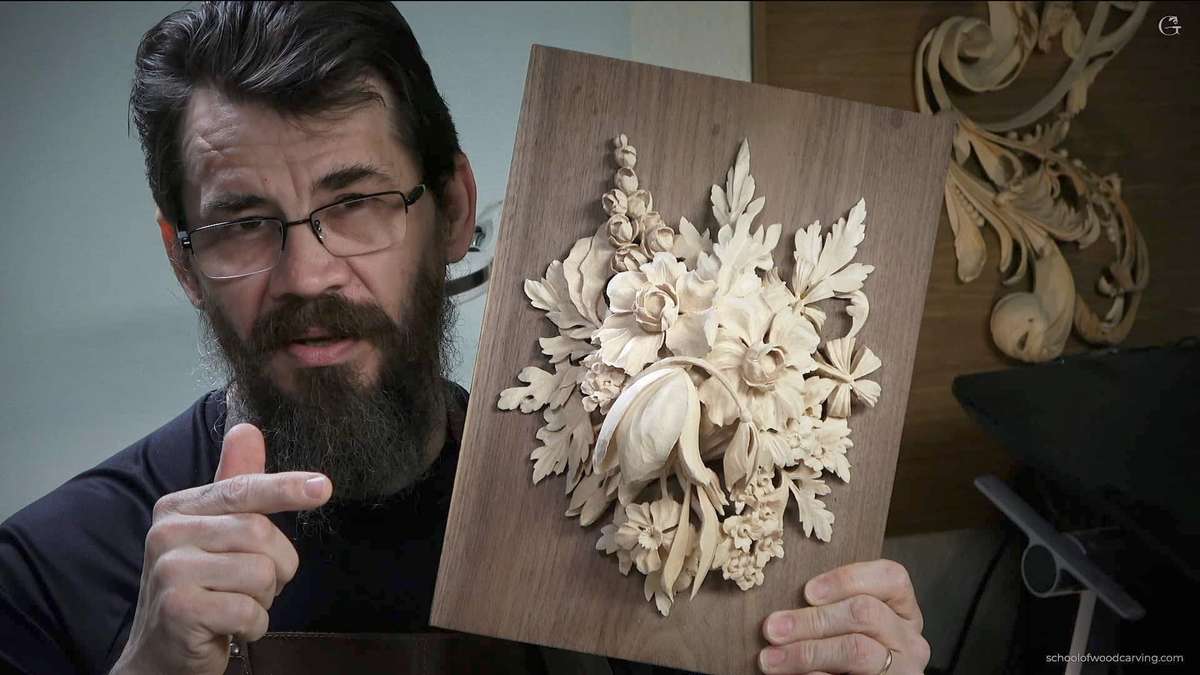
Sharpening is the skill that separates people, and it takes years
I have watched a man with a drawer full of new gouges lose to a man with one sharp secondhand chisel. Every time. Dull steel crushes the fibers ahead of it instead of slicing them, and you feel it in your shoulder before you see it in the wood.
Sharpening is the third of the three things this craft is made of, and it is the hardest. Design first, then carving, then sharpening. Most people put it last because it is not fun. Then they buy another gouge to fix a problem a strop would have fixed in four minutes.
A rule you can use tonight, free: a sharp edge will not reflect light back at you. Turn the gouge toward a lamp and look straight down the edge. See a bright line and you have found a flat spot, which is the reason your cut tore. Strop until the line is gone.

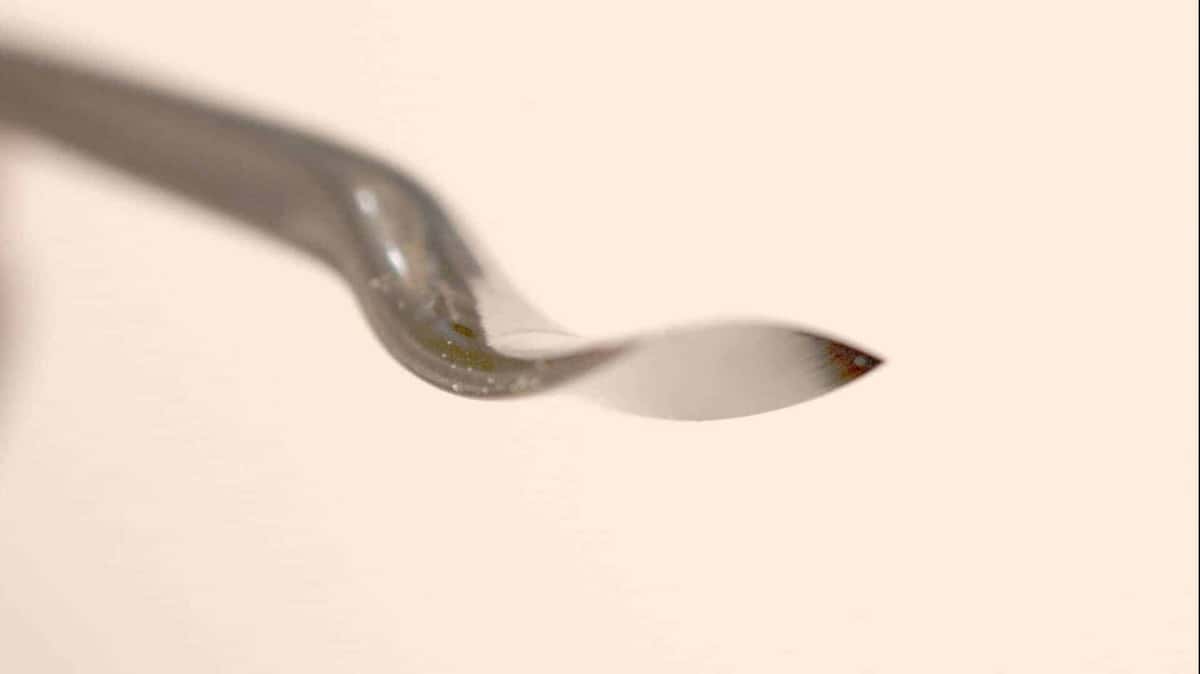
There is a full course on it: carving tool sharpening, and another on what the tools actually do. Finish those two courses if you finish nothing else here.

Your first evening, laid out cut by cut
This is the first session in full, and it costs you nothing. Clamp the basswood board so it cannot move. Wood that shifts under the tool teaches your hands the wrong thing, and that lesson is hard to unteach.
- Draw one simple leaf shape on the board with a soft pencil. Not a good leaf. Any leaf.
- Take the #7 gouge and cut straight down along the pencil line, about an eighth of an inch deep. Carvers call that a stop cut, and it is the whole trick of relief work.
- Now come in from the outside at a low angle toward that wall. The chip lifts and breaks off clean at the stop cut.
- Do it again around the whole shape. When the leaf stands above the background, you have carved relief.
That is the craft, honestly. Everything after it is the same two cuts at better angles on harder shapes, for years. Removing mass, then removing less mass. A Venetian panel is that pair of cuts repeated ten thousand times by somebody who learned to see.
If the chip crumbled rather than lifting, the edge is dull. Go back to the lamp test. Nine times in ten that is the answer, and the tenth time you were cutting against the grain, which the lessons will teach your eye to read.

Design comes before the first cut, and it is not drawing
My master in Russia taught me one thing that reordered everything: design is not drawing on paper. Design is the laws of space. Rhythm, repetition, how a curve answers the curve before it. He taught me to think like a tool.
This is why copying does not build a carver. You can trace an acanthus leaf and cut it cleanly and still not know why the volutes turn where they turn. The acanthus has been carved for about 2,500 years, and it survived that long because the geometry underneath it is honest.
Go look at Grinling Gibbons when you have twenty minutes. He carved limewood in the 1600s with no machine of any kind, and his work is still standing in English houses and in the V and A collections three hundred years later. Nothing in his shop plugged into a wall.

If drawing worries you, read whether you need to draw well to carve first. Short answer: no, but you need to learn to see. Our course on acanthus over moldings is where the geometry starts to click for most people.

Tuition for "Wood Carving Tutorials", and how the lessons run
You get everything at once. About 3,000 video lessons, from the first cut to Baroque and Venetian panels, plus the design and sharpening courses. Nothing is held back for a later month. Start where you actually are, which for most people is not lesson one.
Anybody who types "Wood Carving Tutorials" is usually braced for a syllabus, and I understand why. This is not built that way. A carver in his third year and a man who has never held a gouge open the same library, and both of them are right to.
Every lesson remembers where you stopped, so a fifteen minute evening is a real session and not a hunt for your place. Take notes on the video itself and grab a frame of the cut you want to copy, which is the feature students use most and mention least.
Tuition is $25 a month, or $200 for the year. It renews automatically until you end it, and you can end it from your own account page without writing to anybody. The school is a 501(c)(3) non-profit. Your tuition keeps the cameras running and funds orphan and widow charities, and sponsors art lessons for kids whose families cannot pay. My father left us when I was young, and we could not have paid either.
If this is the way you want to spend an evening, shall we carve?

Who should not pay for "Wood Carving Tutorials"
I would rather say this now than take your money. Three kinds of people should close this page.
- If you want a finished carving this weekend, buy one. Somebody carved it, and they deserve the money.
- If you want machine work, get a rotary tool and a good YouTube channel. We do not carve that way here and I would be a poor teacher of it.
- If ten dollars of basswood is a real problem this month, wait. Draw for now. The lessons will be here.
Still here? Then the last thing I will tell you is the true one. My grandfather handed me a chisel when I was six, and I took it straight to a brick to carve a face in it. Ruined the edge completely. He did not shout at me. The passion started right there, on a ruined tool, and it has not stopped in fifty years. I still put Vivaldi on when I rough out a panel.
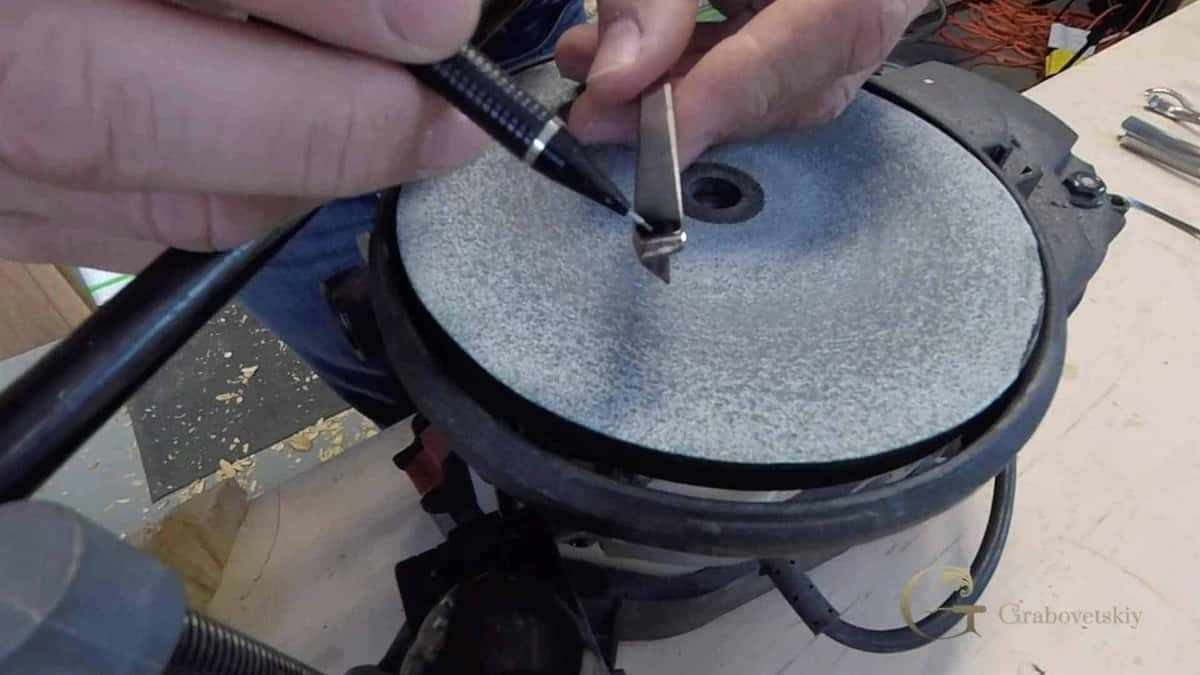
Two more things worth reading: whether you can teach yourself carving, and the mistakes beginners make that cost the most time. Both are free, and both will tell you the same things I just did.
Frequently asked questions
Do I need my own tools before the first lesson?
No. Watch the first lessons with nothing in your hands. When you are ready to cut, one 10mm #7 gouge, a 16 ounce mallet, a strop and a basswood board will carry you through the first three months for under a hundred dollars.
How long before I carve something I would show somebody?
Most students finish a small relief in the first month. A leaf that a carver would call clean takes about a year of steady evenings. Anybody who promises you faster is selling something.
Is there a class I can attend in person instead?
Alexander teaches in person workshops a few times a year, at his own shop and at guest schools, never in a branch location. Those seats sell out in about eight minutes, and there is no school building in California. The online lessons are the way in.
Can I cancel, and what happens to my progress?
You can end tuition yourself from your account page at any time. It renews automatically every month or every twelve months until you do. Your notes and your saved frames stay with your account if you come back.
Am I too old to start?
The youngest student here is fourteen and the oldest is ninety. I am convinced that working in three dimensions builds connections in the brain that flat drawing never touches, and that is why I tell older carvers to start tonight instead of next spring.
What wood should I not buy?
Construction lumber. A 2x4 or home center pine has hard resin lines with soft wood between them, so your gouge dives and then tears. Buy basswood, butternut or European lime instead.