
August 30, 2024 · Updated August 18, 2026
By Alexander Grabovetskiy — Master Woodcarver · Founder, School of Wood Carving · 18 min read
What is the lowest density wood?
The lowest density wood in commercial trade is balsa, at nine pounds per cubic foot at twelve percent moisture, or 150 kilograms per cubic meter. I have been carving for more than forty years, and I have never once picked a board by its weight. Light is simple to measure, and it is the wrong thing to want.

Somebody asks this because a lumber list has a density column and none of the numbers mean anything yet. Fair enough. Below are the real figures with their units and the pages they came from. Then comes the harder answer, which is that the lightest board on the shelf is not the board you want on your bench.
One thing before the numbers. Every wood density figure you will ever read is useless until somebody tells you how wet the wood was on the scale, and most pages answering this question never mention water at all.
- Balsa weighs nine pounds a cubic foot once dried to twelve percent, and that is 150 kilograms a cubic meter.
- The federal wood handbook prints about 160 kilograms for the same tree, because it dries the wood out completely first.
- Neither figure is wrong. A weight with no water content attached to it is not a measurement.
- Softwood and hardwood are botany words. Basswood counts as a hardwood, pine counts as a softwood, and the pine weighs less.
- The hardness scale puts balsa at roughly 67 lbf, and its own source says that figure varies widely.
- My own wood is limewood, and my reason is the grain you cannot see.
What is the lowest density wood?
Balsa is generally the lightest and softest of all commercial woods. Those are the Wood Database's own words on balsa's measured weight and hardness page, and both the word generally and the word commercial do real work in it.
Balsa reads nine pounds to the cubic foot, which is 150 kilograms in a cubic meter, and the same page gives a range of eight to fourteen pounds.
So a balsa plank is not one weight. What you have is a family of weights sharing a name, which is why a single figure quoted to the last digit should make you suspicious. The Latin name is Ochroma pyramidale, and it grows across the tropical Americas.
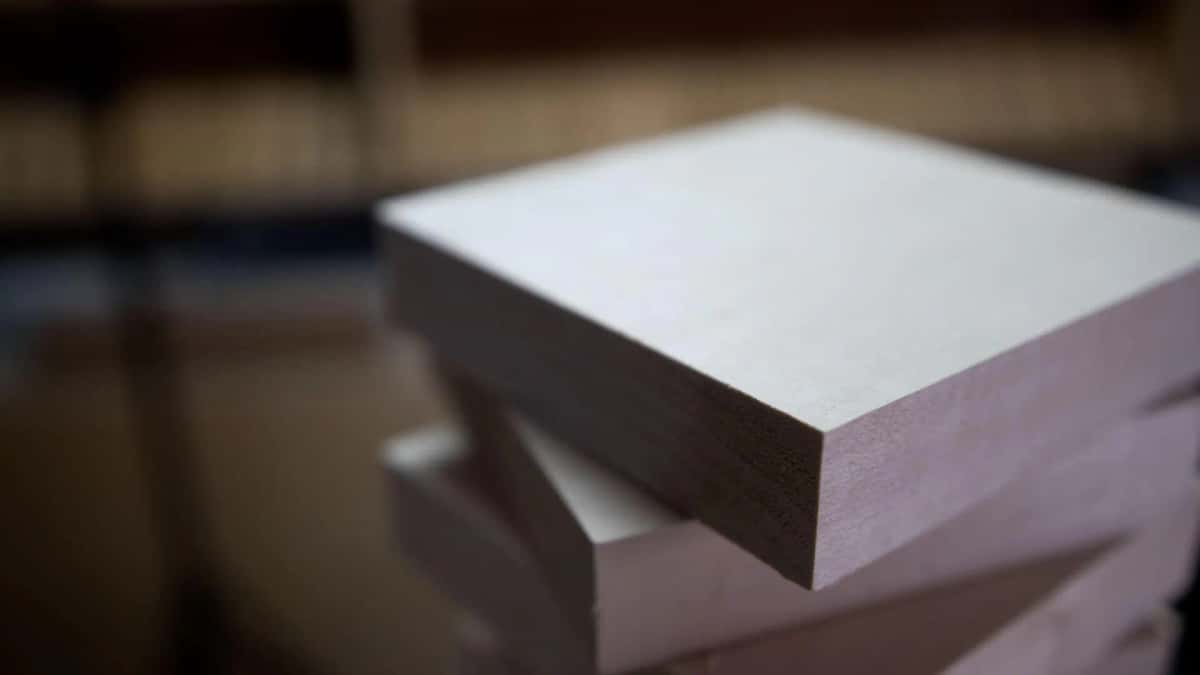
Weight is the first thing your hands report when you lift a stack like this, and the last thing I decide anything by.
How light is balsa in real numbers?
Two respected authorities print two different figures, and both of them are correct. One of them, the Wood Database, gives nine pounds a cubic foot, which comes to 150 kilograms per cubic meter. Meanwhile the USDA definition of wood density sets the bottom of the whole range at about 160 kilograms, or ten pounds.
Ten kilograms apart on a small number looks like somebody made a mistake. Nobody did. The two labs weighed the wood in two different states, and the state is the whole story.
That lighter reading is measured at a twelve percent water content, which is the testing standard and roughly what a board reaches at sixty five percent humidity. A heated shop runs drier than that, closer to seven or eight percent. Ten pounds is ovendry, meaning every trace of water has been driven out. Same tree. Different day, different scale reading, and both numbers honest.
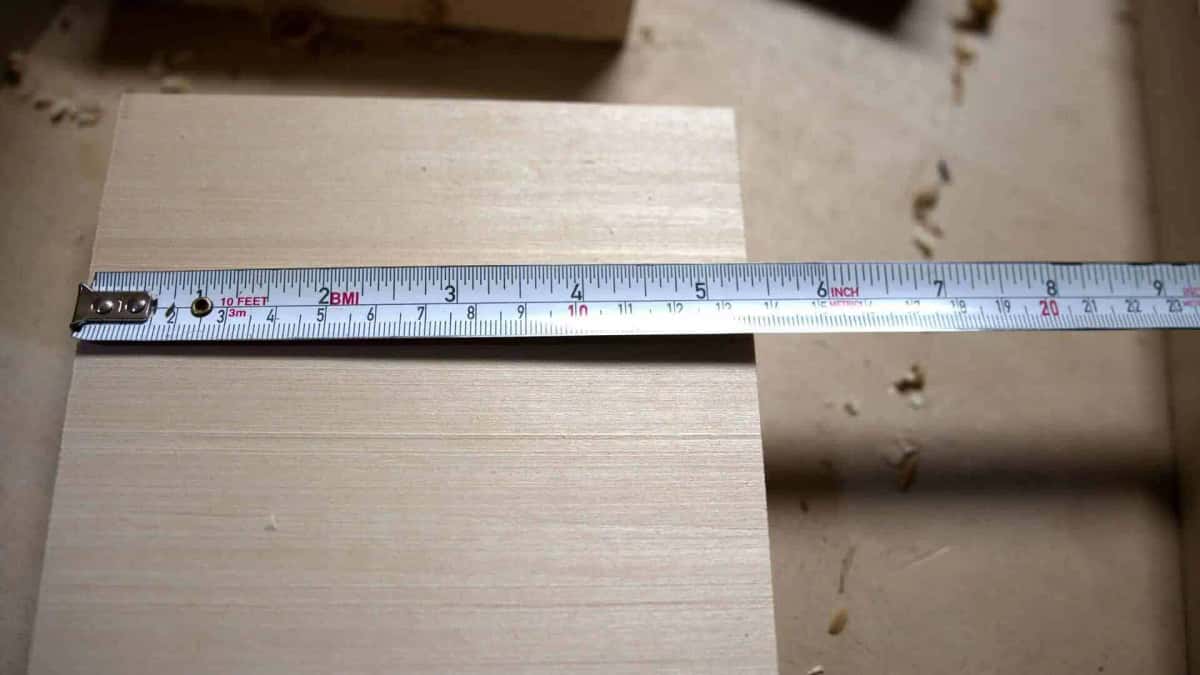
Nine pounds is hard to picture on its own, so set it beside the wood on my bench. Basswood reads 26 pounds, close to three times balsa, and nobody has ever called basswood heavy. Lift a basswood blank in one hand and a balsa sheet in the other and the balsa barely registers as wood at all.
Density is mass divided by volume, and the USDA states plainly that for wood both the mass and the volume shift with moisture. So the basis has to travel with the figure. The Wood Database explains its own two conventions on the page about how specific gravity is reported, and if you want that idea unpacked slowly, we keep a page on what specific gravity means and another on how wood density gets measured.
Volume moves too. A board shrinks as it dries, so the same lump of wood occupies less space in October than it did in June, which the Wood Database covers under how much wood moves as it dries.
Is there any wood lighter than balsa?
Quipo is claimed to be softer, and nobody has published a weight for it at all. The Wood Database leaves quipo out of where balsa sits on the softness ranking for two stated reasons, that it is not commercially available and that its data is questionable.
It adds that the lowest hardness readings ever recorded came from balsa rather than quipo.
Every page telling you balsa is the lightest wood on Earth is overreaching. The defensible claim is narrower and more useful. Among woods you can actually order and hold, balsa sits at the floor.
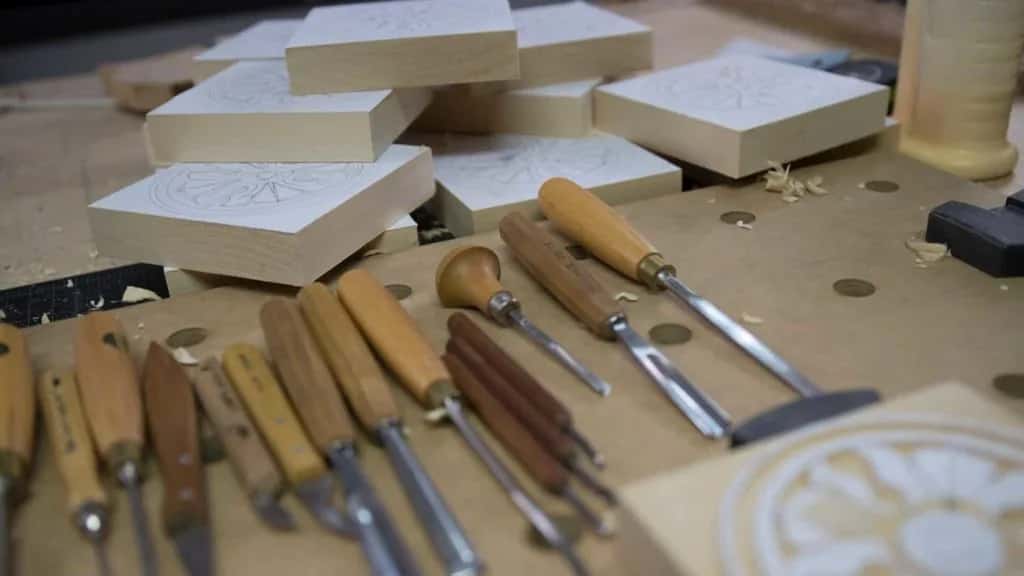
At the other end, lignum vitae reads 78.5 pounds in a cubic foot, more than eight times balsa. For anybody who enjoys that end of the scale, the same site keeps a list of the heaviest woods measured, and we cover it from the carver's side at the heavy end of the same scale and the densest wood anyone has weighed.
Why is balsa so light?
Wood cell walls weigh the same in every species, so the difference is how much wall there is. The USDA takes the specific gravity of cell wall substance as 1.54 across the board, for balsa and for hickory alike. What changes between two trees is the ratio of solid wall to empty space inside.

Balsa builds thin walls around big open cells. Hickory builds thick walls around small ones. Neither tree has invented a lighter kind of wood substance, and that single fact kills most of the folklore you will read about why balsa floats so high. A fuller treatment sits at why one board weighs less than another, and the buoyancy question gets its own page at whether dense wood floats.
Balsa's basic specific gravity is .12, which is its ovendry weight over its green volume, and .15 once the wood holds twelve percent water. Water is 1.0. That gap between .15 and 1.0 is the whole of the buoyancy story, and it is why rafts appear on balsa's own list of jobs.
Which wood do I put on my own bench?
Limewood is what I reach for, and its softness is not the reason why. Whenever I can, I use lime wood. If you are in Europe, it is lime wood, and in the United States that would be basswood. In Germany it would be linden wood, and in Russia it would be lipa.

That is one of the best woods for the carving. And the reason why, it is not because it is soft. It is kind of soft, but that is not the main reason, and there are other woods also soft. If you look at it, it does not have a grain. It does have a grain, but the grain is not visible. And that is good, because you can do any type of curvature and it is still going to look really nice.
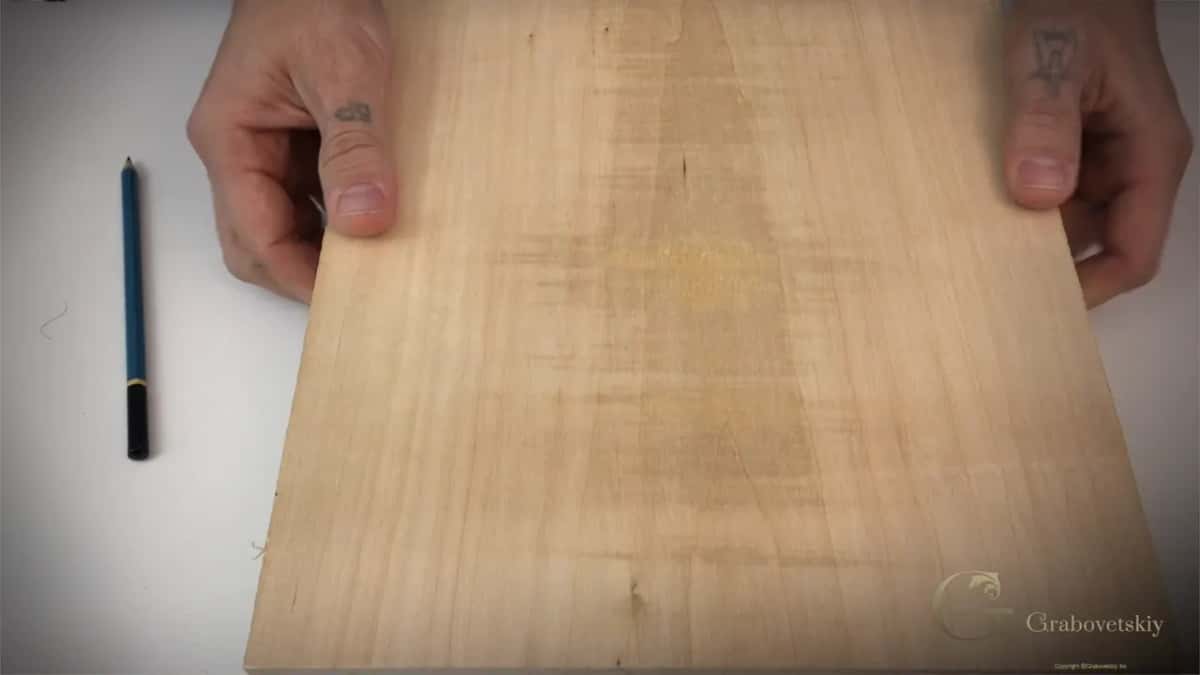
The grain is there. It just refuses to argue with your design, and that is the whole reason I keep buying this wood.
Go back over that and notice what is missing. Weight is not in it anywhere, and neither is a hardness rating. Forty years of ornament, and my rule is about what your eye does when it lands on a finished panel. A loud stripe running through an acanthus leaf fights the leaf, every time.
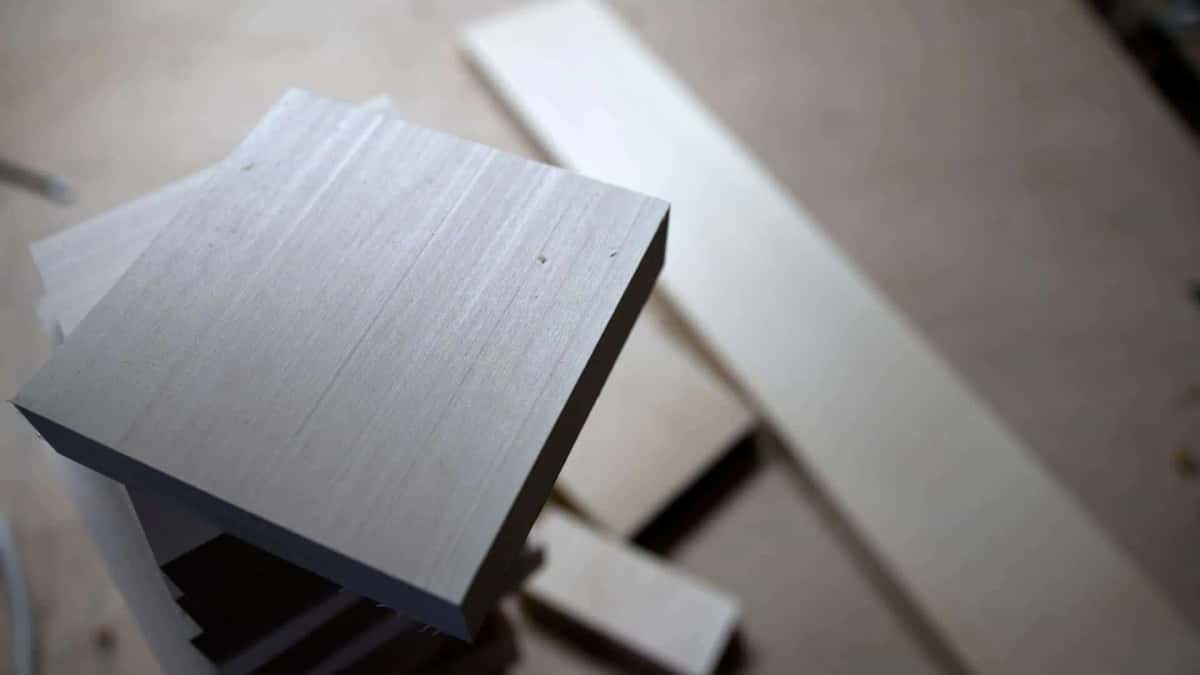
The best wood always is basswood, in my opinion. It would be the best wood to carve because it is really easy to manipulate, and it does not have too much grain, so you do not distract your eyes. There is more on that at the wood guide entry on basswood, and basswood by the numbers calls it one of the most suitable species for hand carving.
Getting hold of it is its own small war. The hardwood yard will not sell me basswood under a minimum order. It used to be three hundred dollars and right now it is up to five hundred, so I spend thousands in one batch, the shipping comes out of that, and they send a semi truck. None of that is glamorous, and no density table has a column for it.
Is basswood a softwood or a hardwood?
Basswood is a hardwood, and this trips up more people than any number on this page. Hardwood means the tree is an angiosperm, a broadleaf that flowers. Softwood means gymnosperm, the conifers. Why hardwood is not about hardness is set out in the federal handbook in those words.
The label says nothing about weight and nothing about how the wood behaves under an edge. Eastern white pine is a softwood, and it reads 25 pounds. Basswood, a hardwood, reads 26. Douglas-fir is a softwood, and at 32 pounds it outweighs both of them.

The old carvers in Europe had this straight centuries before anybody printed a chart of any kind. At least in old European culture, limewood was not considered a soft wood. It was considered a hardwood. A soft wood would be like a pine, and that would be a soft wood.
Balsa lands on the same side of that line, which surprises everybody. Its own species page says that despite the softness, balsa is classified as a hardwood rather than a softwood, since it has broad leaves and is not a conifer. Aspen is a hardwood as well, and you can read the quaking aspen species page here. If the softwood shelf is where you are shopping anyway, we sorted through that at the softwoods I hand a beginner.
Can a soft, light board hold fine detail?
Fine detail survives on basswood far better than the wood's soft reputation would ever lead you to expect. They call it soft wood, but it is not really soft. You would be surprised how nicely that wood keeps the detail, if people do not damage it.
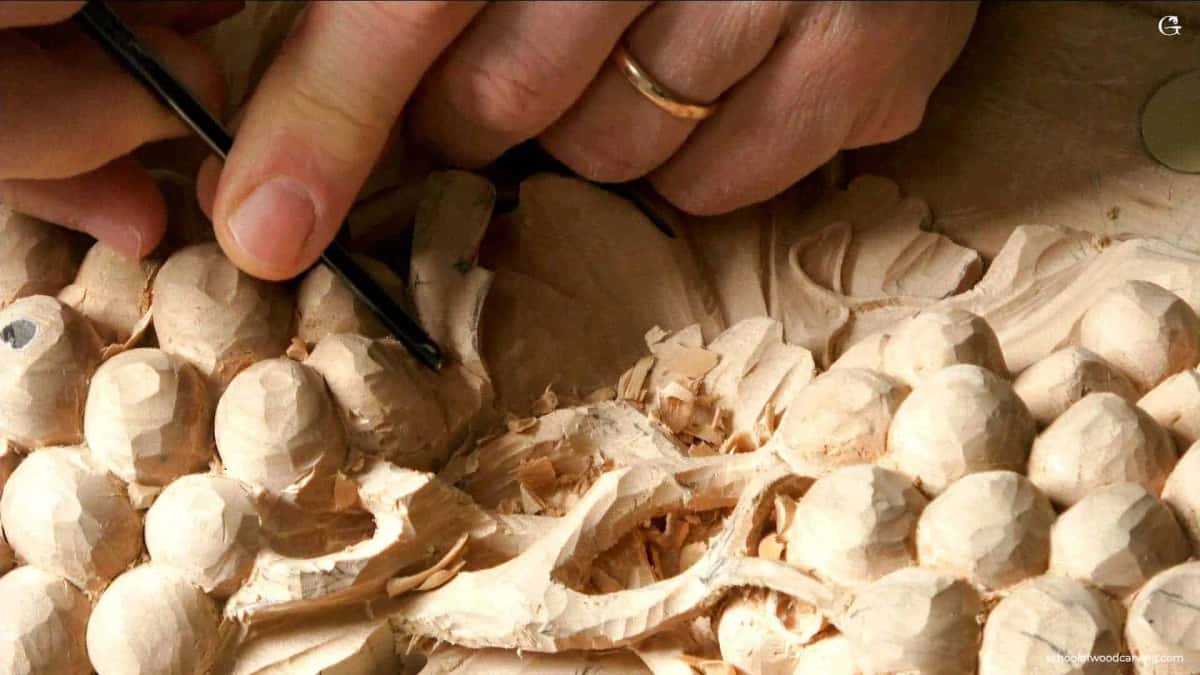
Cherry and walnut hold the detail really nicely. And basswood also can hold the detail with no problem, as long as you do not press it too much and do not make unnecessary passes.
David Esterly wrote a whole book about carving in lime, and it contains the best short description of the trade this wood offers. From The Lost Carving:
Crisp and firm, soft enough to be carved quickly but strong enough to be radically undercut, with a remarkable grain structure that can (with a little effort) be worked in any direction.
He also called it the queen of carving woods, in all its pale glory. Some people call it a queen of the woods. Two people reaching for one word about one tree tells you more than a chart does.
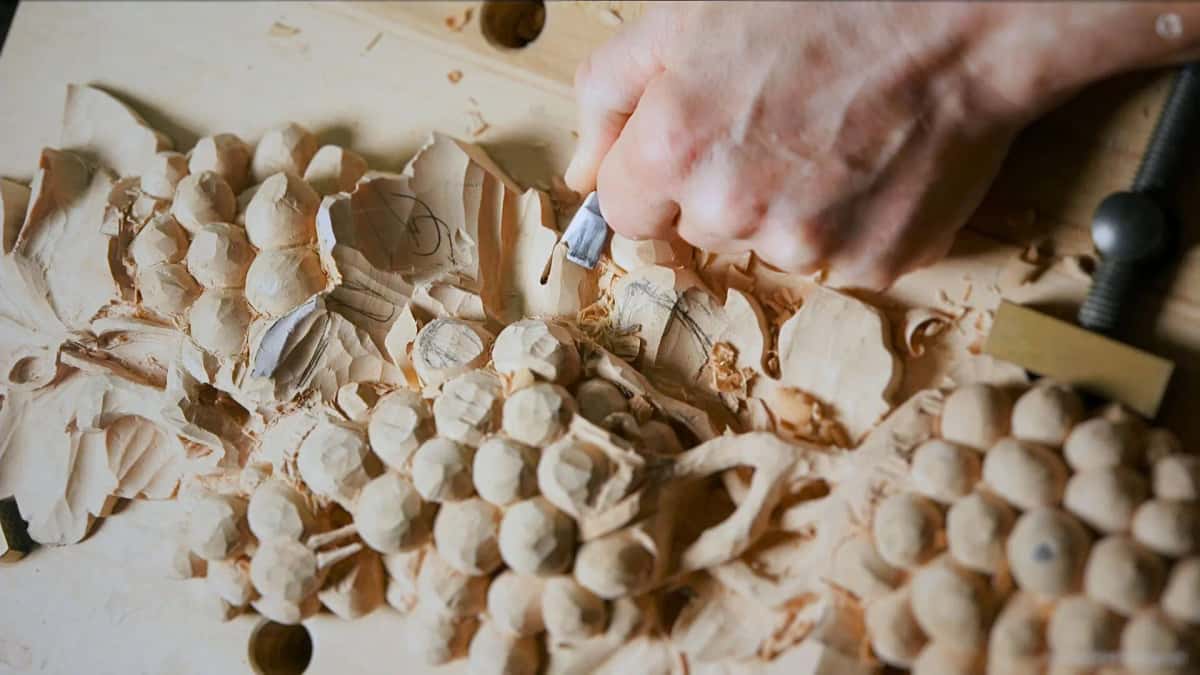
Radically undercut is not a figure of speech. Basswood will let a grape stand clear of its own background, and it reads 410 on the ball test.
Does a soft wood save your carving edge?
Sharp steel goes dull in soft wood too, and faster than anyone expects. Some people say the best wood is a soft wood and your tools should not get dull. That is not necessarily true. It is soft wood, but your tools still get dull, and really quickly sometimes.
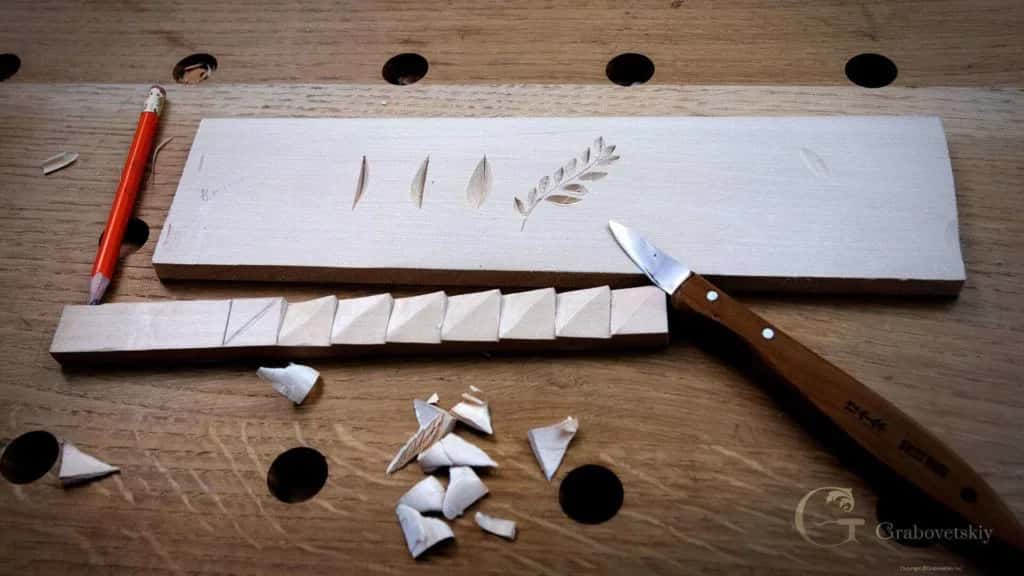
There is a second surprise buried in the tables. Wood gets harder while it dries out, not softer. American basswood measures 250 lbf green and 410 lbf once dried to twelve percent, according to the USDA hardness tables. A blank that felt friendly the week it arrived will push back once your shop has dried it down.
The figure of 410 comes from the ball test, which presses a steel ball 11.28 millimeters across into the face of a board until half the ball is buried. The method is written down in the timber testing standard, and we walk a carver through it at what Janka hardness tells a hand carver.
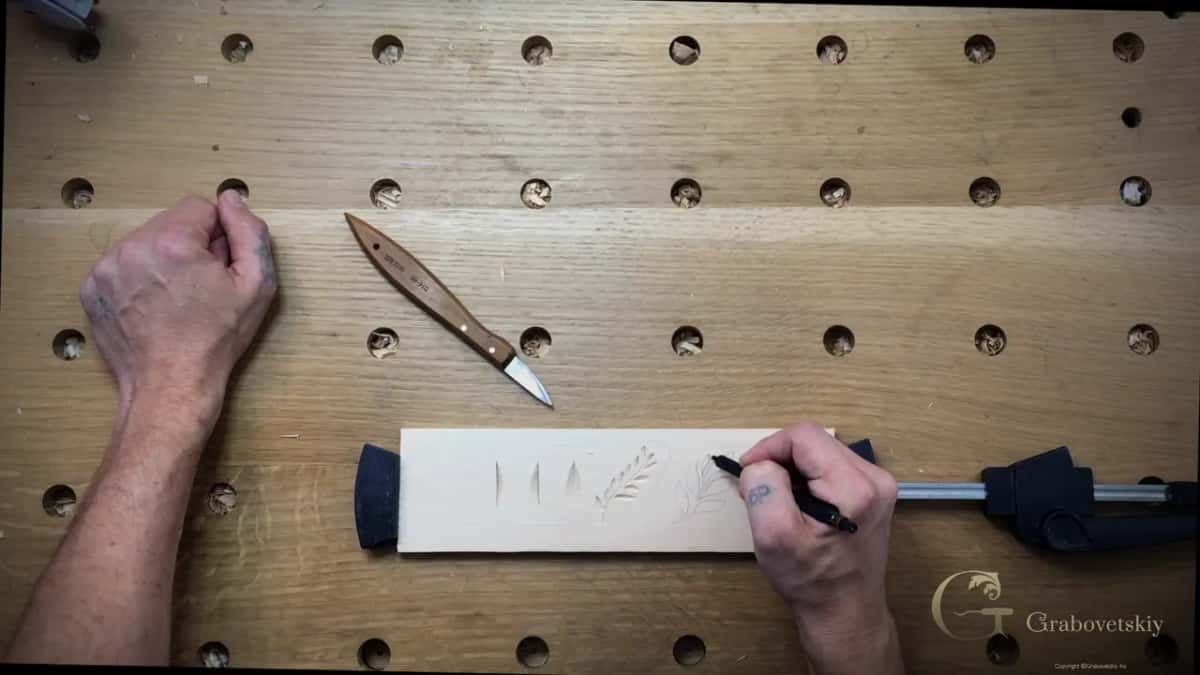
How does balsa compare with the woods carvers use?
Nine species cover almost everything a hand carver will ever pick up. Every weight below was taken at twelve percent moisture, the third column holds kilograms to the cubic meter, and hardness is given in pounds of force, written lbf, measured into the face of the board across the grain.
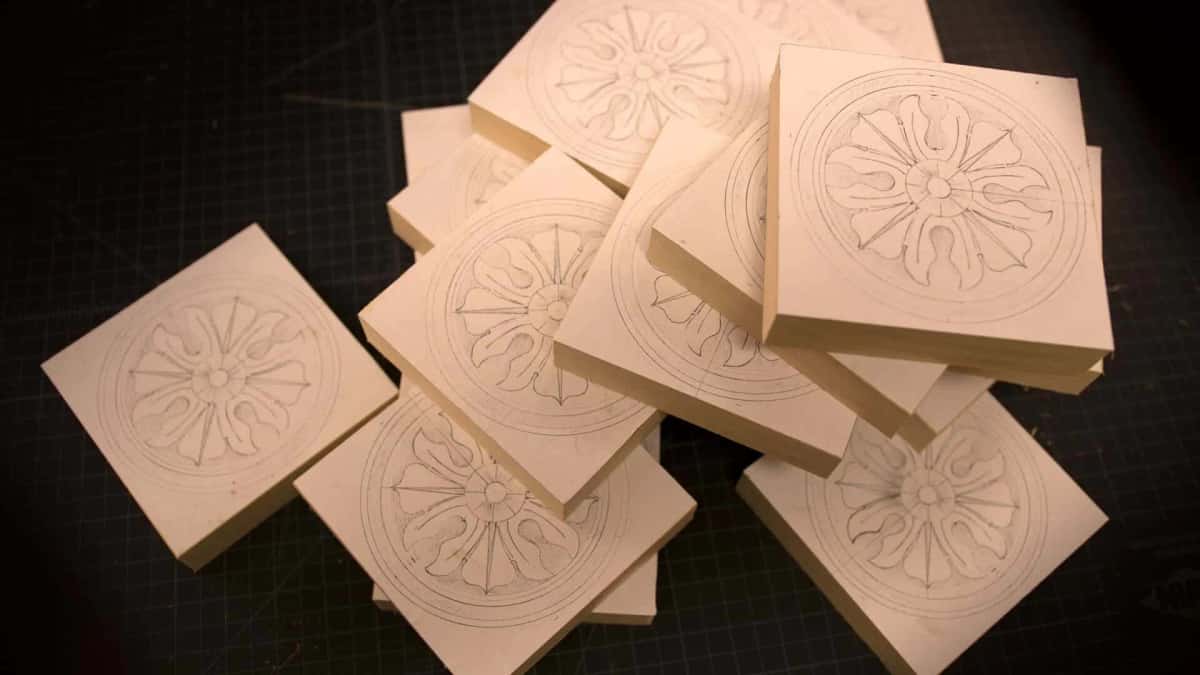
| Wood and species | Weight in pounds per cubic foot, dry | Metric weight | Janka side hardness, given in lbf |
|---|---|---|---|
| Balsa, Ochroma pyramidale | 9 pounds, the lightest board sold anywhere | 150 kilograms | 67 lbf, and only roughly right |
| Paulownia, Paulownia tomentosa | 18 pounds, double balsa and still featherweight | 280 kilograms | 300 lbf on the same scale |
| Western red cedar | 23 pounds, a softwood by botany too | 370 kilograms | 350 lbf, still very soft indeed |
| Eastern white pine | 25 pounds, the pine most yards stock | 400 kilograms | 380 lbf, soft and rather stringy |
| Basswood, Tilia americana | 26 pounds, my own wood of choice | 415 kilograms | 410 lbf, the hand carving standard |
| Butternut, Juglans cinerea | 27 pounds, light but loud in grain | 435 kilograms | 490 lbf, just a shade firmer |
| Sitka spruce, softwood | 27 pounds, and the turbine blade wood | 425 kilograms | 510 lbf, springy under the steel |
| Yellow-poplar, trade poplar | 29 pounds, and sold as poplar everywhere | 455 kilograms | 540 lbf, harder than basswood here |
| Douglas-fir, coast grown | 32 pounds, heavier than every hardwood above | 510 kilograms | 710 lbf by the USDA measure |
Sources, in the order they appear: paulownia, the other very light wood, western redcedar's weight, eastern white pine's weight, butternut for beginners, the wood that really goes into turbine blades, yellow-poplar's weight and Douglas-fir is heavier than you think. Western hemlock lands in the same band at 29 pounds, if you want western hemlock's weight too.
Balsa's hardness figure deserves an asterisk that almost nobody prints. Its species page says 67 lbf, while the same site's own softest-woods ranking says 90. One authority is disagreeing with itself there, so the table above calls the number roughly right and I would not build any argument on the exact digit.
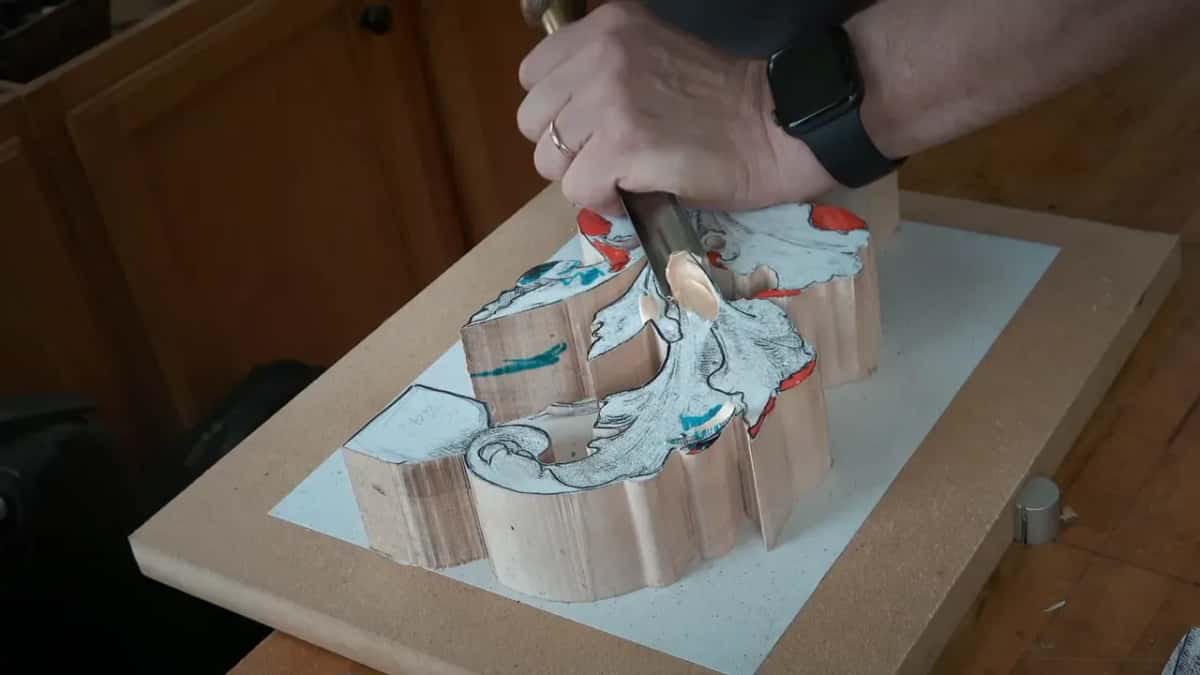
One warning about that last row. Growing region matters, and the USDA gives 710 lbf for Coast stock, while the Wood Database prints a single figure of 620. Neither is sloppy. They are describing trees out of different valleys, and you can compare woods by density yourself if a number ever looks off.

Look at the middle of that table. Basswood at 410 and yellow-poplar at 540 are close enough that your hands will barely argue, yet almost every carving school I know of hands out basswood and hardly anybody hands out poplar. The reason is not on the chart. Grain, again.
Where does balsa grow and what is it used for?
Balsa comes from the tropical regions of the Americas, and it is also grown on plantations. Mature trees reach 60 to 90 feet, which is 18 to 28 meters. Those figures describe a fully grown tree, not a promise about how fast any balsa gets there.
Its published uses are worth reading closely, because most articles get this list wrong. Buoys and rafts. Surfboards, model airplanes, musical instruments, packing cases, fishing lures, and core stock in sandwich laminations.

Wind turbine blades are the claim that keeps getting copied around, and they are not on balsa's list. They belong to Sitka spruce. Insulation is not on balsa's species page either, though the same site's softest-woods list calls it useful for insulation and buoyancy.
None of those jobs is carving, and the wood guide page on balsa goes into what happens when you try.
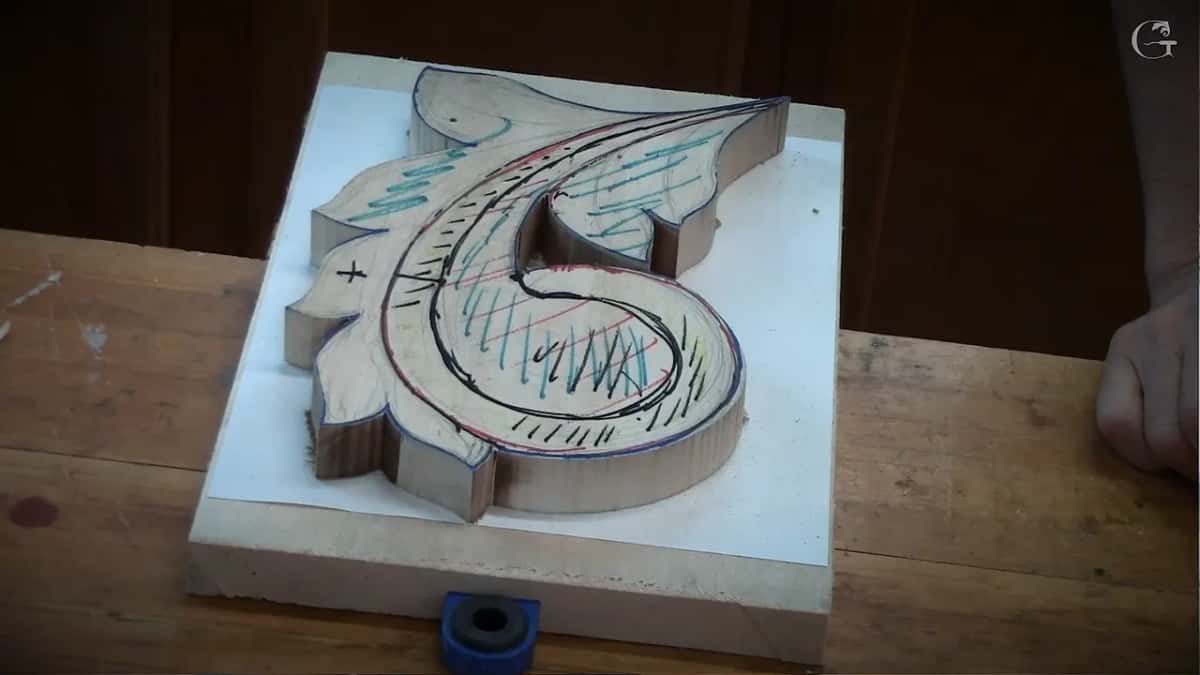
Butternut is my honest exception to all of this, and it does not tidily prove my point. I love butternut. The only thing I do not like about butternut is the grain. It depends on the job you are doing. Let us say you are working on really big movements and you see too many stripes. Butternut does have a pronounced grain, so that would not be too nice. But if the work does not involve movements like that, and it has a lot of detail, butternut is a really great wood.
I made a video about basswood being the MDF of a wood shop, which is roughly how a light, quiet, obliging board feels once you are used to it.
How do you check a board's density yourself?
Weigh it, measure it, divide, and write down how dry it was. Five minutes with a kitchen scale settles an argument that a catalog column cannot, and the last step is the one everybody skips.
Step 1, weigh the offcut on a kitchen scale
Grams are easier than ounces here. Use a scrap with square corners, because a rough edge makes the next step a guess instead of a measurement.
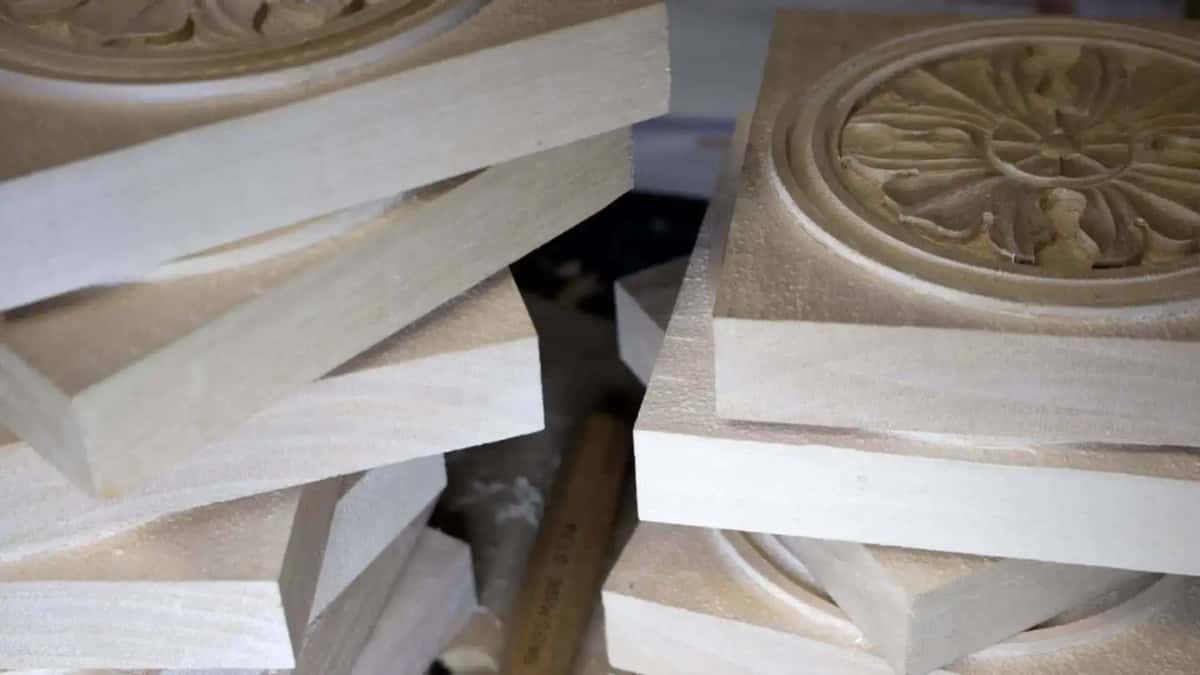
Step 2, measure all three dimensions and multiply
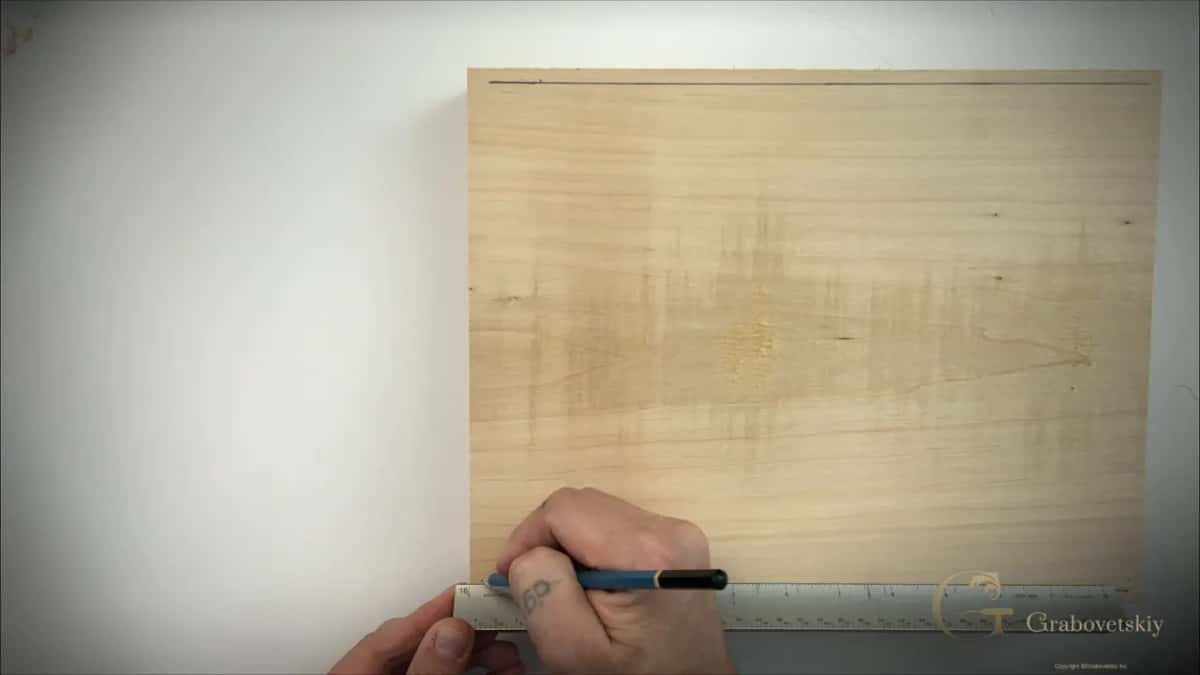
Length times width times thickness gives you the volume. Work in centimeters and you land on grams per cubic centimeter, which you multiply by a thousand to reach kilograms a cubic meter.
Step 3, divide the mass by the volume
The result is the density, and the arithmetic is the easy part. A basswood offcut should come out near 0.42, and balsa near 0.15.

Step 4, write down the moisture reading beside it
A cheap pin meter is enough. Without that number your figure cannot be compared with any published table, since every table assumes twelve percent and your board may sit nowhere near it.
Step 5, carve one pass on the back before you trust any of it
Take a single slicing pass somewhere nobody will see. Density tells you what the board weighs, and your gouge tells you what it does, which is a different question entirely.
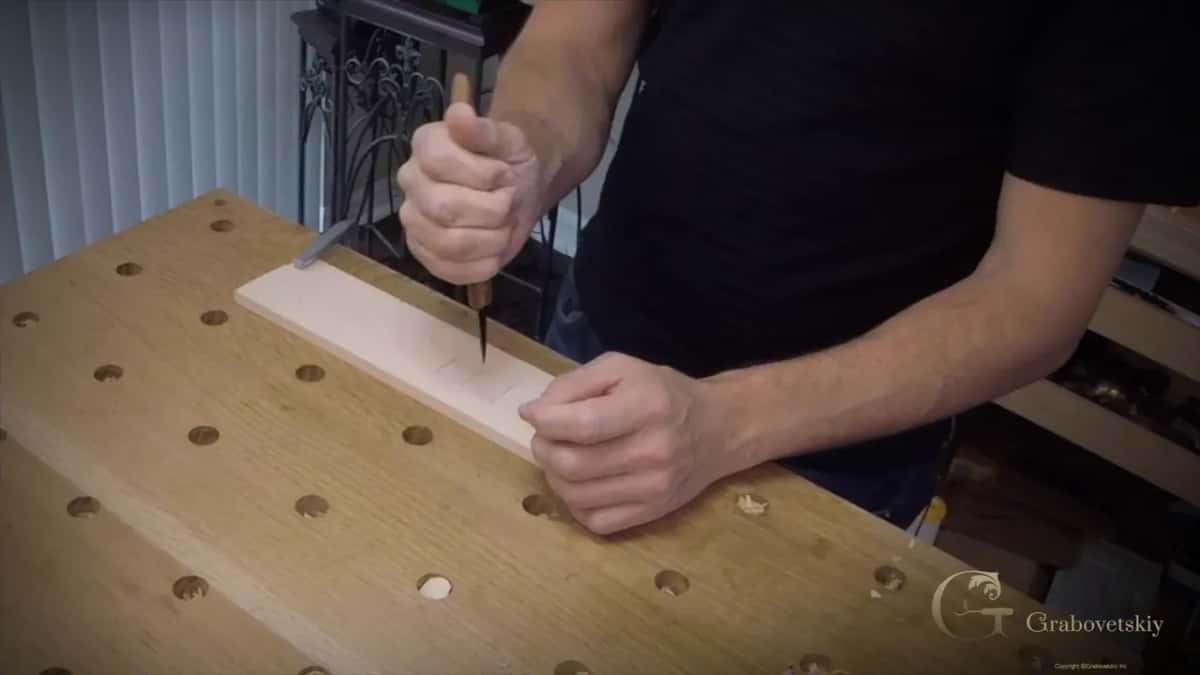
Two years of labelled offcuts in a box teaches you more than any chart, because you can pick them up again whenever you like. Pencil on bare wood fades, so a marker is worth the extra second.
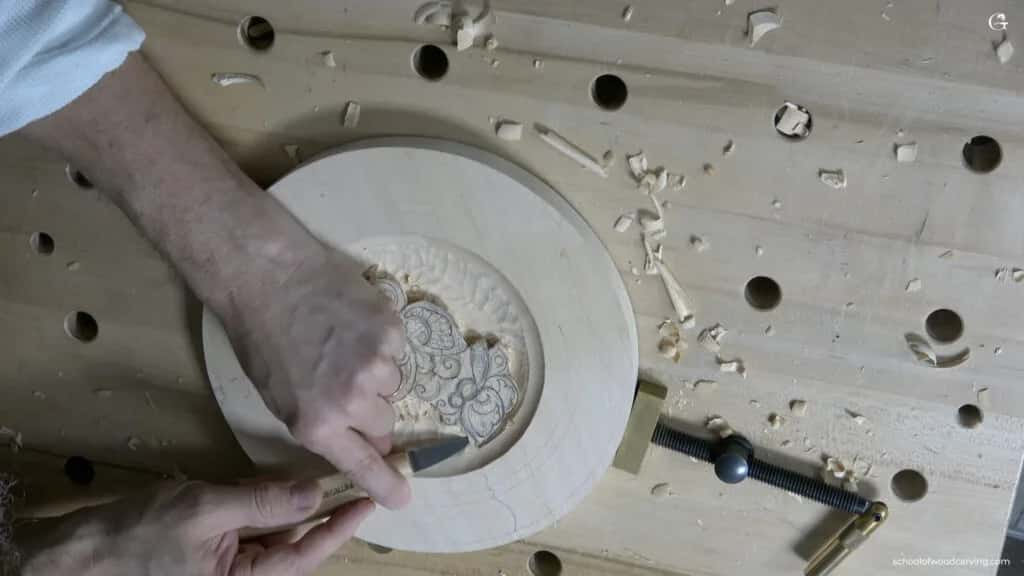
Whether a heavier board is also a stronger board is a separate question, answered at whether denser wood is stronger. Whether extra thickness helps you is at whether thicker stock helps, and the plain meaning of the phrase itself is at what low density means on an actual board.
For choosing stock in the first place, I would start at how to tell whether a board will carve, then which wood to put on the bench, and finish with the four woods I keep in the shop. The full method behind every federal figure quoted here sits in the USDA Wood Handbook.
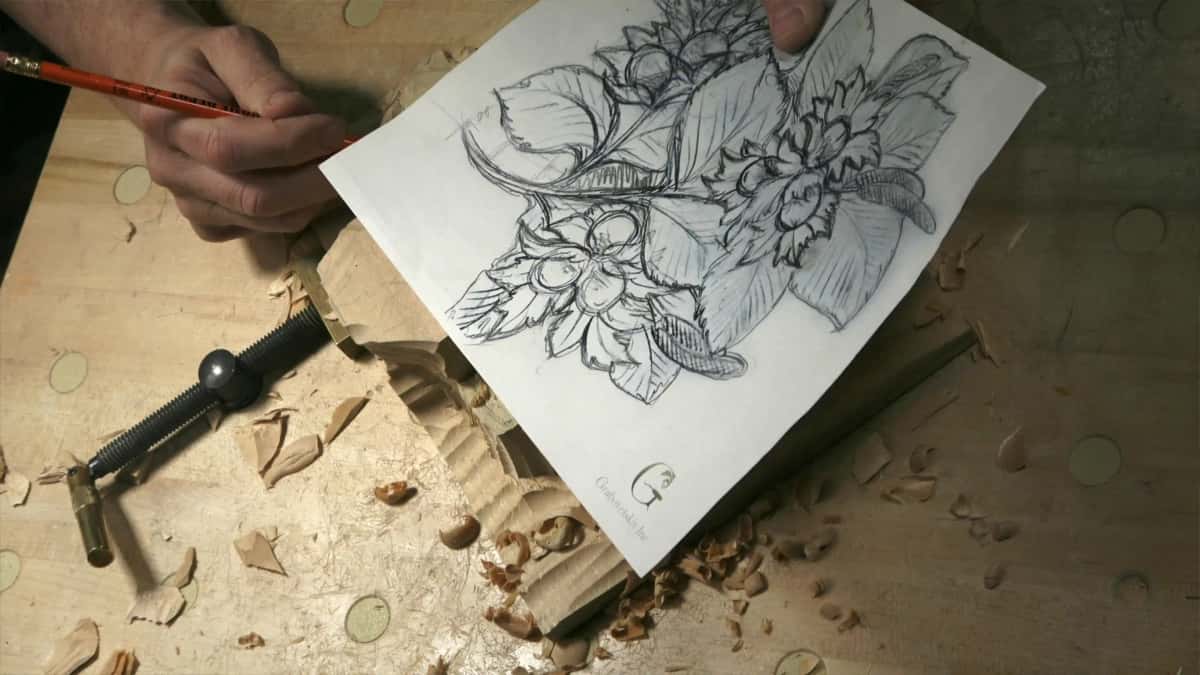
Sergio has been with us since day one, I believe. Three and a half years by the time I recorded the livestream those lines about lime wood came from.
Maybe you would rather have somebody put a board in your hands and stand beside you while you open it, which is what First Cuts for Beginners is for, along with the cutting board project and the classes in Washington, DC. Shall we carve?
Frequently asked questions
What is the lowest density wood in the world?
Balsa carries that title among woods anybody can buy, at nine pounds to the cubic foot, or 150 kilograms in a cubic meter. Quipo is the name that comes up next, though the same authority calls its hardness figures questionable, and it is not sold commercially.
How much does a piece of balsa weigh?
Nine pounds in a cubic foot is the published average, with a real range of eight to fourteen. The USDA gives about ten pounds because it weighs the wood bone dry, so a quoted balsa weight only means something once you know which basis it came from.
Is balsa good for wood carving?
Balsa reads 67 lbf, several times softer than basswood, and its published jobs are model aircraft, surfboards, rafts, packing cases and laminate cores. Carving is not among them. For hand carving, basswood reads 410 and that is the wood every school reaches for.
Why is basswood called a hardwood when it is so soft?
Botanists split trees by how they reproduce, not by how they feel. Hardwoods are broadleaf flowering trees and softwoods are conifers, so basswood is a hardwood and pine is a softwood even though the pine weighs less than the basswood does.
Which weighs less, balsa or paulownia?
Balsa wins by a wide margin. Paulownia reads 18 pounds against balsa's nine, which is double the weight, and its hardness is 300 lbf against 67. Both trees are hardwoods, botanically speaking, and both sit far under the 26 pounds and 410 lbf of the basswood on my bench.
Does a light board dent more easily?
Denting is what the ball test measures, and the two properties do track each other loosely across species. Balsa is the extreme case, somewhere between 67 and 90 lbf depending which page you read. Basswood reads 410 and still takes a crisp arris, which is why the Wood Database rates it among the best species for hand carving.
Filed under
- advantages of Balsa wood
- Balsa compared to other woods
- Balsa density explained
- Balsa wood characteristics
- Balsa wood uses in construction
- best low-density wood
- best wood for carving
- carving wood options
- crafting with Balsa wood
- density measurement of wood
- lightest type of wood
- lowest density wood
- properties of Balsa wood
- types of wood for carving
- Understanding Wood for Carving
- uses of Balsa wood
- where is Balsa wood grown
- wood blanks for carving
- wood carving blocks
- wood for carving projects
- wood that is easy to carve