

Wood Species Guide · September 1, 2024 · Updated August 12, 2026
By Alexander Grabovetskiy — Master Woodcarver · Founder, School of Wood Carving · 14 min read
Is Birch, river Good for Carving?
Is Birch, river Good Wood For Carving

Is Birch, River (Betula nigra) Good for Carving by Hand?
From my perspective, Birch, river (Betula nigra), isn’t the ideal wood for carving by hand, primarily because of its hardness and density. Its Janka Hardness of 1,260 lb/f makes it quite tough for detailed hand carving. If you enjoy firm resistance, go for it, just don’t blame me if you develop Popeye arms!!!
Birch, river is a strong and very hard type of hardwood. It’s sturdy, which means it can withstand a lot, but it’s also tough to carve with hand tools. Imagine trying to carve through something that’s almost as hard as a rock – that’s what carving river birch can feel like.
- Average Dried Weight: 37 lbs/ft³
- Specific Gravity: 0.59
- Janka Hardness: 1,260 lb/f
- Crushing Strength: 7,800 lb/in²
- Shrinkage: Volumetric: 11.4%
Wood carving teaches three things: patience, perseverance, and the occasional need for a good bandage.
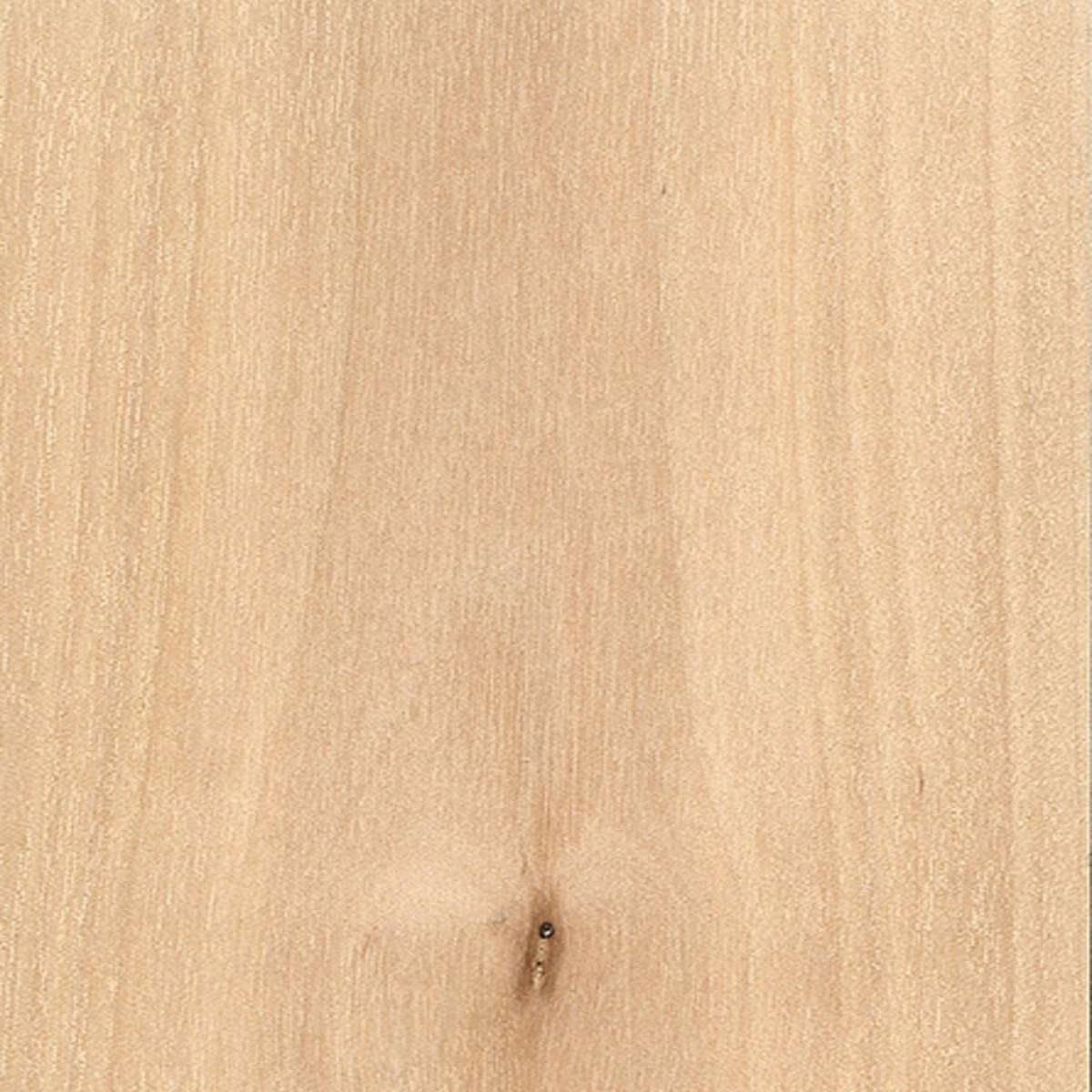
Grain and Texture of Birch, river.

Is Birch, River HARDWOOD or SOFTWOOD?
From my perspective, Birch, river (Betula nigra) is definitely a hardwood. It’s known for its strength and durability, making it much tougher than softwoods. Just imagine trying to bend a piece of wet spaghetti versus a raw one!!!
Birch, river is one of the hardwoods, which means it comes from deciduous trees that lose their leaves annually. These trees, like the river birch, are usually taller and wider compared to softwoods, making them stronger and denser.
- Common Name(s): River birch, black birch, water birch, cinnamon birch
- Scientific Name: Betula nigra
- Tree Size: 70-80 feet tall, 1-3 feet in diameter
- Modulus of Rupture: 13,300 lb/in²
- Elastic Modulus: 1,700,000 lb/in²
- Shrinkage Radial: 4.5%
- Shrinkage Tangential: 7.3%
The true beauty of wood lies not in its shape but in the hands which craft it.

What are common names of Birch, River?
In my view, Birch, river (Betula nigra) has a few common names that folks use depending on the region. You might hear it called river birch, black birch, water birch, or cinnamon birch. And yes, it can be as confusing as trying to remember all your relatives’ names at a family reunion!!!
Birch, river tree is like a kid with many nicknames. Some people call it river birch because it often grows near water, while others prefer black birch, water birch, or even cinnamon birch because of the color of its bark.
- River Birch: Reflects its common habitat near rivers and streams.
- Black Birch: Not to be confused with black birch (Betula lenta), often used interchangeably.
- Water Birch: Named for growing in wet areas.
- Cinnamon Birch: A nod to its reddish-brown bark that looks a bit like the spice.
Each wood has its own personality, just like every person has their collection of quirks and charms.

What is the Scientific Name of Birch, River?
From my perspective, the scientific name for Birch, river is Betula nigra. This name helps botanists and woodworkers alike to identify it accurately among other birch trees. Just don’t start calling me Betula nigra, Я же не дерево (I’m not a tree)!!!
Birch, River has a special name in science, Betula nigra. This unique name separates it from all the other trees and lets everyone know exactly which tree is being talked about.
- Tree Height: 70-80 feet tall
- Diameter: 1-3 feet wide
- Average Dried Weight: 37 lbs/ft³
- Specific Gravity: 0.59
- Elastic Modulus: 1,700,000 lb/in²
The scientific name may tell us what the tree is, but our hands and tools reveal what it can become.

What is the Tree Size of Birch, River?
In my opinion, the size of the Birch, river (Betula nigra) is quite impressive, typically reaching heights of 70-80 feet with a diameter of 1-3 feet. This makes it a significant and robust tree. Just imagine the towering height; it could give your neck a workout just looking up at it!
Birch, river trees are some of the tallest among the birch family. They can grow really high, almost as tall as a building with many floors, and they’re pretty wide too—like a big, strong friend you can lean on.
- Height: 70-80 feet tall, almost like a small skyscraper!
- Diameter: 1-3 feet, that’s about as wide as a refrigerator!
In the forest of life, the tallest trees have the deepest roots.
What is the Average Dried Weight of Birch, River?
In my view, the average dried weight of Birch, river (Betula nigra) is 37 lbs/ft³ (590 kg/m³). This makes it a relatively heavy and dense wood, which is great for certain types of projects. Imagine lugging a suitcase full of books—it’s about that heavy!
When the river birch dries out, it becomes pretty heavy. This makes it strong and dense. So, it’s great for making things that need to be sturdy, like furniture.
- Average Dried Weight: 37 lbs/ft³
- Specific Gravity: 0.59
The weight of the wood carries the stories of its growth, etched by time and nature.

What is the Specific Gravity of Birch, River (Betula Nigra)?
Specific gravity of Birch, river (Betula Nigra) is 0.59. This means it’s relatively dense, which makes it tough and sturdy. Just imagine your pet squirrel trying to lug that around—impossible, right? ?
Specific gravity is like telling how dense or heavy wood is compared to water. For Birch, river, it’s 0.59. This means it’s a good, solid piece of wood but not too heavy to carry around.
- Specific Gravity: 0.59 (This value means it’s denser than a lot of other woods.)
- Strength: Helps the wood resist breaking or crushing.
Understanding the specific gravity of wood is like knowing your friend’s character—it tells you how dependable it is.

Janka Hardness of Birch, River?
Janka Hardness of Birch, river (Betula nigra) is 1,260 lb/f (5,600 N). This high hardness makes it extraordinarily sturdy for various woodworking projects, though it can be quite a challenge for hand carving. Just think of it as a friendly arm workout—no need for the gym! ?
The Janka hardness test measures how resistant the wood is to wear and denting. For Birch, river, it scores 1,260 lb/f, which means it’s pretty tough. This hardness is ideal if you’re looking for a durable material, but it does make hand carving more difficult.
- Hardness Measurement: 1,260 lb/f (5,600 N)
- Uses: Great for flooring, furniture, and any project needing durability
- Challenges: Hard on carving tools and your hands
The hardness of wood is like life’s challenges—tough to work through, but incredibly rewarding when you succeed.

What is the Modulus of Rupture of Birch, River?
Modulus of Rupture (MOR) for Birch, river (Betula nigra) is 13,300 lb/in² (91.7 MPa). This high MOR means it’s capable of withstanding significant stress before breaking, making it a strong choice for load-bearing applications. Just don’t try to use it as a diving board—trust me, not a good idea! ?
The Modulus of Rupture is a measure of how much stress wood can handle before it snaps. For Birch, river, this number is 13,300 lb/in², which is pretty high. This means the wood is very strong and can hold a lot of weight without breaking.
- Strength: Capable of withstanding significant stress.
- Applications: Ideal for structural projects requiring high load-bearing capacity.
- Measurement: 13,300 lb/in² (91.7 MPa).
The strength of wood lies not just in its density, but in its ability to hold firm under pressure.

Elastic Modulus of Birch, River?
From my perspective, the Elastic Modulus of Birch, river (Betula nigra) is 1,700,000 lb/in² (11.7 GPa). This high value indicates its excellent stiffness, making it a good candidate for projects requiring minimal flexibility. In simpler terms—trying to bend this wood is like bending a steel rod; good luck with that!
The Elastic Modulus tells us how much a piece of wood bends under pressure. For Birch, river, it’s really high, which means it’s very stiff and doesn’t flex much. Think of it like a very sturdy ruler that barely bends when you push on it.
- Elastic Modulus: 1,700,000 lb/in² (11.7 GPa)
- Stiffness: This wood is super stiff!
- Applications: Perfect for projects needing rigidity.
The real test of wood is not just in its beauty but in how it stands firm under pressure.

What is the Crushing Strength of Birch, River?
From my perspective, the crushing strength of Birch, river (Betula nigra) is 7,800 lb/in² (53.8 MPa). This value highlights its ability to withstand substantial pressure before failing. Just don’t get any ideas about using it as a bulldozer bumper, OK? ?
Birch, river is incredibly strong and can handle a lot of pressure before it gets crushed. That’s what makes it such a useful wood for making things that need to be very strong.
- Crushing Strength: 7,800 lb/in² (53.8 MPa)
- Applications: Ideal for robust, weight-bearing structures.
- Durability: Excellent under compression.
Wood’s strength is not just in its size but in its capacity to endure weight and pressure.

Shrinkage of Birch, River?
From my perspective, the shrinkage characteristics of Birch, river (Betula nigra) include radial shrinkage of 4.5%, tangential shrinkage of 7.3%, and volumetric shrinkage of 11.4%. These numbers give you an idea of how much the wood can change in size as it dries out. So, don’t be surprised if your once perfectly cut piece of Birch seems to have a mind of its own after drying—it’s all part of the wood’s charm! ?
When Birch, river wood dries, it changes a bit in size. Radial shrinkage is how much it shrinks from the center outwards, and tangential shrinkage is how much it changes around its rings. Overall, the total shrinkage (or volumetric shrinkage) tells you how much the wood might get smaller in all directions.
- Radial Shrinkage:
- 4.5% (This is how much the wood may shrink from the inside out.)
- Tangential Shrinkage:
- 7.3% (This is the shrinkage around the growth rings.)
- Volumetric Shrinkage:
- 11.4% (Overall shrinkage in all directions.)
- T/R Ratio:
- Ratio of Tangential to Radial Shrinkage (Indicates the potential for warping.)
The life of wood is full of changes

What is the Color/Appearance of Birch, River?
From my perspective, Birch, river (Betula nigra) has a distinctive, eye-catching color and appearance. The wood itself usually showcases a light brown to reddish-brown heartwood, sometimes with an orangish hue, while the sapwood is almost white. Perfect for adding a warm touch to your collection of wooden masterpieces! ?
Birch, river wood looks pretty special. The middle part (heartwood) is light brown or reddish-brown, and it can even look a bit orange. The outer part (sapwood) is nearly white, making a cool contrast.
- Heartwood Color: Light brown to reddish-brown, sometimes with an orangish hue
- Sapwood Color: Nearly white, providing a striking contrast
- Unique Feature: Often features flaking bark that can give it a distinctive, textured appearance
The charm of Birch, river lies in its striking contrast—like the perfect page in your wood collection.

Grain/Texture of Birch, River (Betula nigra)?
In my view, Birch, river (Betula nigra) features a fine, even texture and a straight grain pattern, making it quite appealing for many woodworking projects. Its smooth, consistent texture allows for easy finishing and polishing, which is a dream for any woodcarver. But don’t get too complacent—sometimes the grain can be a bit wavy, giving your tools a little extra workout! ?
Birch, river’s wood is like a well-behaved student: mostly straight and consistent in texture. This makes it great for practices like sanding and finishing, because it’s naturally smooth and even.
- Grain Pattern: Mostly straight, sometimes wavy
- Texture: Fine and even
- Finishing: Takes polish extremely well
The texture of wood holds the talks of its growth, narrating its tale with each grain.

What is the Rot Resistance of Birch, River?
Birch, river (Betula nigra) doesn’t hold up well to rot. If you leave it outside, it’s like leaving a sponge in the rain—bound to get ruined! So, think twice before using it for outdoor projects. ?
Birch, river isn’t very good at resisting rot. If you keep it outside in the elements, it can start breaking down pretty fast, just like when paper gets wet and falls apart.
- Vulnerability: High susceptibility to decay
- Best Uses: Indoor projects where moisture exposure is minimal
- Maintenance: Requires regular treatment to resist moisture
The resilience of wood lies not in its fight against rot, but in our care to shield it from decay.

What is the Workability of Birch, River?
In my view, Birch, river (Betula nigra) can be quite challenging to work with because of its hardness, making tasks like hand carving more difficult. Cutting and shaping might require more effort and sharper tools, and also patience!!! ?
Imagine trying to carve or shape a really tough material like a rock; that’s what working with river birch can feel like. It’s hard and strong, so it needs good, sharp tools and a lot of elbow grease to get the job done.
- Tool Sharpness: Needed for cutting and carving
- Effort Level: High because of its hard nature
- End Result: Requires patience but can be rewarding
The more effort you put into carving, the more beautiful the piece becomes—it’s woodworking’s little secret.

What is the Odor of Birch, River?
River Birch (Betula nigra) has little to no distinct odor when it’s worked. If you’re expecting a whiff of something exotic, you’ll be left sniffing in vain! ?
When you carve or sand River Birch, it doesn’t give off much of a smell. Unlike some other woods, which have strong, distinct aromas, this one just stays pretty neutral.
- Odor Levels: Minimal to none
- Comparison: Similar to handling plain paper
- Impact on Work Environment: No notable scent-related distractions
In wood carving as in life, sometimes the best things are those that stay quietly in the background.

What are the Allergies and Toxicity risks associated with Birch, river wood?
Working with Birch, river (Betula nigra) can pose some allergy risks like skin irritation and respiratory issues. While it’s not as notorious as some exotic woods, it can still be a bit of a bother. (So, keep that in mind and maybe don’t hug the logs! ?)
River birch can sometimes cause redness or itchiness on your skin, and its dust could make breathing a little harder. This happens because tiny particles from the wood get into the air while you work with it.
- Skin Irritation: Can cause redness and itchiness
- Respiratory Issues: Dust might make breathing difficult
- Preventive Measures: Use dust collection systems to minimize exposure
Wood’s beauty comes with a minor risk—know its nature to fully appreciate its charm.

What are the common uses of Birch, River?
River Birch is often used for furniture, cabinetry, and sometimes for flooring because of its strength and durability. It’s also used in turned objects and specialty wooden items. (Just don’t plan on building your treehouse out of it—keep those childhood dreams intact! ?)
River Birch is good for making strong furniture and cabinets because it’s tough. People also use it for small items like bowls or decorative pieces since it can be polished to a nice finish.
- Furniture: Ideal for tables and chairs because of its durability
- Cabinetry: Sturdy enough for kitchen cabinets
- Flooring: Sometimes used for floors that need to handle a lot of wear
- Turned Objects: Great for making bowls or specialty wooden items
A skilled carver can transform even the toughest wood into something graceful

Birch by Hand: A Tough Encounter
In the realm of craft, when tools are drawn,
To shape the birch by light of dawn.
Yet River Birch, though strong and bright,
Can challenge hands with all its might.A hardy wood with weighty grace,
In every cut, it finds its place.
A workout for the hands to feel,
Like lifting bags of steel.With colors rich, from brown to white,
Its bark and grain catch morning light.
Yet patience sought, as tools engage,
For every piece must claim the stage.So if you carve, do take it slow,
Tall trees like this demand the flow.
In crafting dreams from nature’s plan,
You’ll find the strength within your hand.
Comparison of Birch, River (Betula nigra)
TOPIC INFORMATION Hardwood or Softwood Hardwood Common Name(s) River birch, black birch, water birch, cinnamon birch Scientific Name Betula nigra Tree Size 70-80 feet tall, 1-3 feet in diameter Average Dried Weight 37 lbs/ft³ (590 kg/m³) Specific Gravity 0.59 Janka Hardness 1,260 lb/f (5,600 N) Modulus of Rupture 13,300 lb/in² (91.7 MPa) Elastic Modulus 1,700,000 lb/in² (11.7 GPa) Crushing Strength 7,800 lb/in² (53.8 MPa) Shrinkage Radial: 4.5%, Tangential: 7.3%, Volumetric: 11.4% T/R Ratio Not specified Color/Appearance Light brown to reddish-brown heartwood, nearly white sapwood Grain/Texture Fine, even texture with mostly straight grain Rot Resistance High susceptibility to decay Workability Challenging because of hardness Odor Minimal to none Allergies/Toxicity Potential for skin irritation and respiratory issues Pricing/Availability Not specified Sustainability Not specified Common Uses Furniture, cabinetry, flooring, turned objects

Filed under