
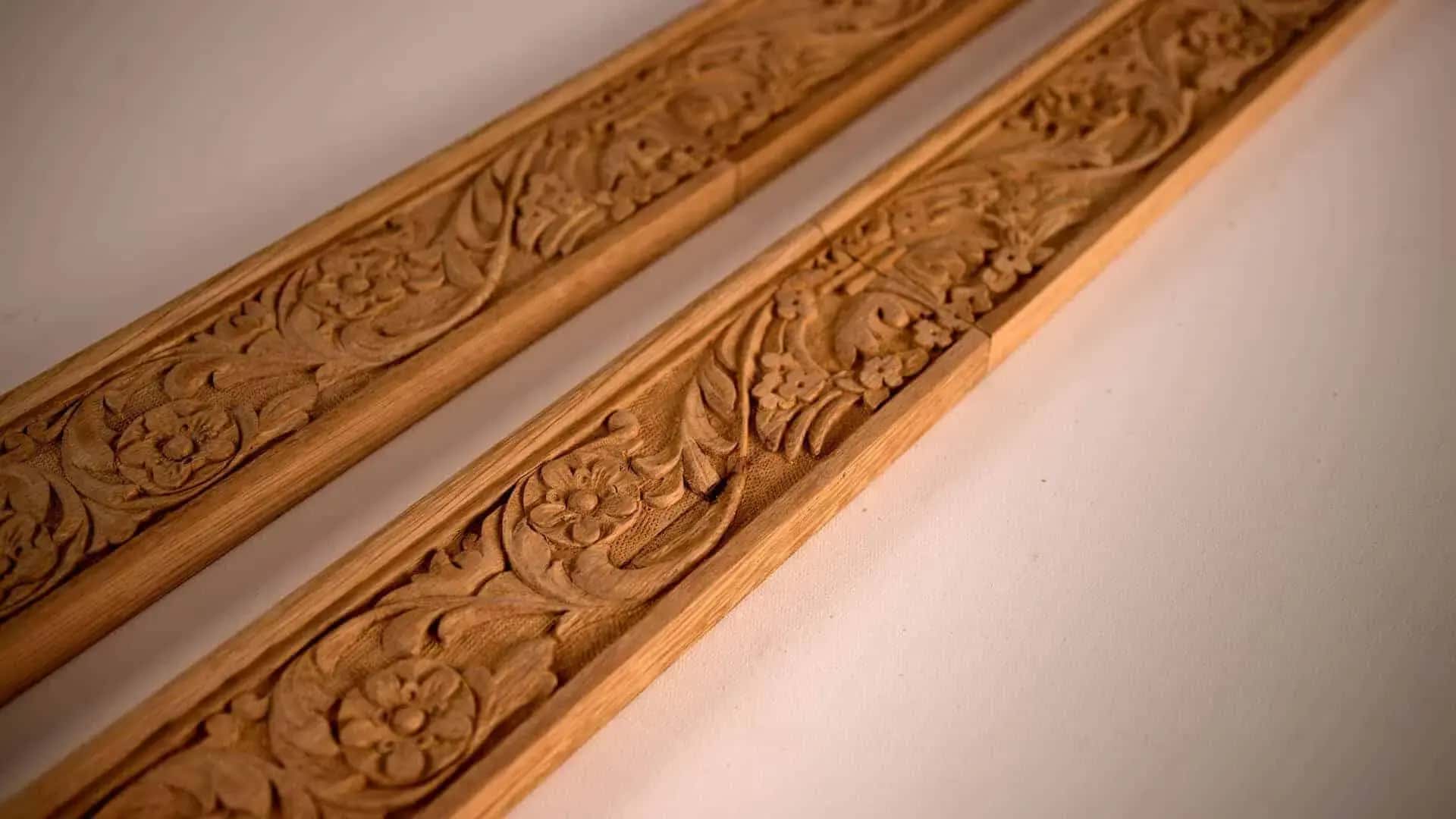
September 9, 2024 · Updated August 26, 2026
By Alexander Grabovetskiy — Master Woodcarver · Founder, School of Wood Carving · 18 min read
Which Woods Are Hard to Carve, and Why the Hardness Chart Does Not Say
A wood that is hard to carve is one that resists the edge, tears out under it, or eats your steel, and no single hardness number tells you which. I have had an easier afternoon in white oak at 1,360 lbf than in olive at 2,710. Hardness is one property. Working well is another.
Most beginners who ask me this have already bought the board. Something pretty and heavy, and three hours later the shoulder hurts, the edge is gone, and a leaf has turned into a torn hole. I want to save you that afternoon.
Here is the part nobody tells you. Those hardness charts everybody quotes rank resistance to denting, which is what a floor needs. A carver needs to know whether fibers slice or crumble. Nobody publishes that.
- Hickory reads 1,880 and the same reference calls it difficult.
- On that same reference white oak reads 1,350, and it gives good results under hand tools.
- Sycamore reads only 770, yet the grain interlocks, so it tears where oak slices.
- Teak, at a mild 1,070 lbf, destroys steel anyway, because its silica content runs to 1.4 percent.
- Basswood counts as a hardwood. Balsa too. The word means flowers, not softness.
- Every published figure came off a small clear block, and your board has knots.
What actually makes a wood hard to carve?
Four separate things fight you, and only the first shows up on a chart. Those are density, grain direction, mineral content and moisture, and each works against an edge in its own way.
Density is the honest one. Heavy wood needs more force per pass. Oak is a harder wood, and to carve oak you most likely have to use a mallet. I am not measuring the angle, I am eyeballing, and mine lands somewhere between 18 and 22 degrees.

Grain direction comes second, and it ruins panels. With interlocked grain, the fibers of one growth ring lean opposite to the next, so the wood meets your edge from two directions at once. Sharpening will not fix it. You go shallower and come from more angles.
Third is mineral content. Some species carry silica or gritty extractives inside the cell walls, and those work on an edge the way fine sand works on a kitchen knife. That wood can feel soft under a thumbnail. Your gouge will not care.

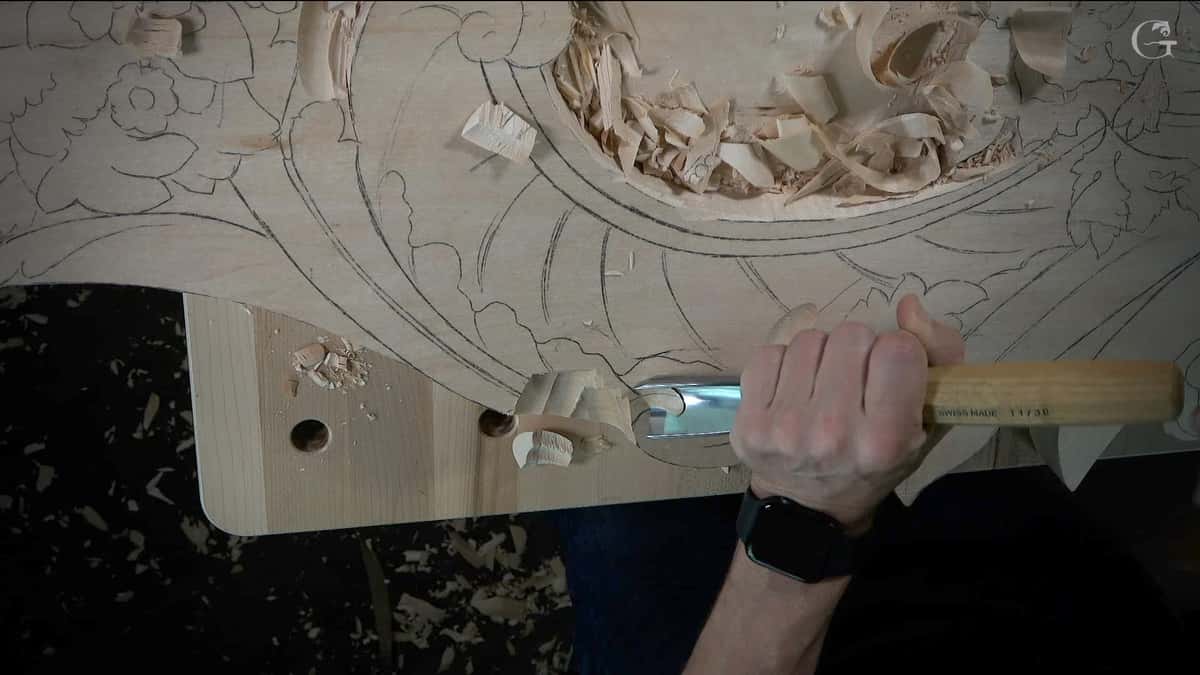
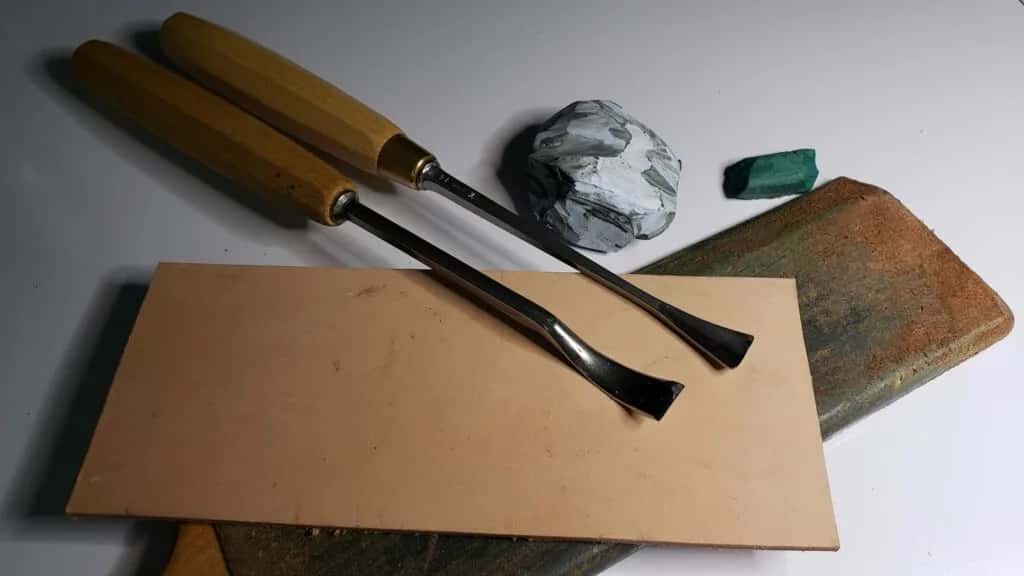
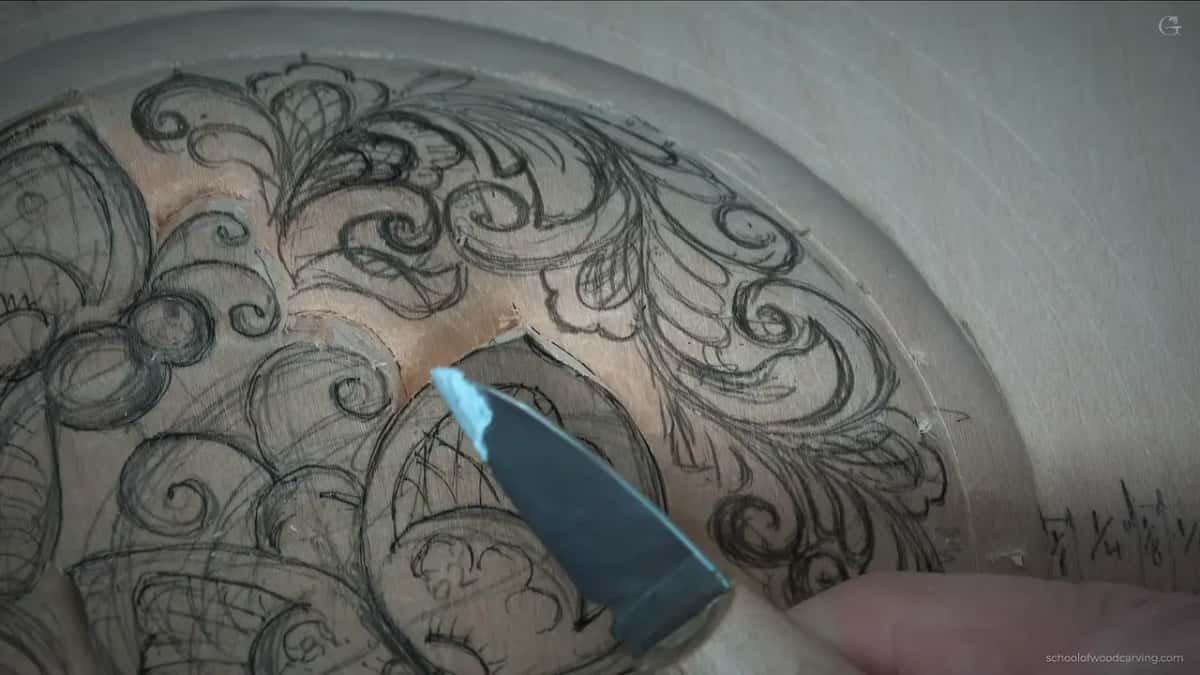
Look at the ragged edge along that blade, not at the paper pattern beside it. Those fibers broke instead of slicing, and no chart predicted it.
Moisture is fourth, and it moves. The USDA figure for the moisture threshold that matters puts the turn near 30 percent, and below that most properties begin to change. Wood trades water with your room forever. So the board you bought in June is not the board you own in October.
Which woods are genuinely hard to carve?
Six woods have earned that name on the record, and they earned it in four different ways. Hickory, olive, ebony, ipe, African blackwood and lignum vitae all carry a warning from their own authority.
This one surprises people. Shagbark hickory reads 1,880 lbf, and the label rarely says shagbark. Pignut runs to 2,140 in the USDA table, so two boards sold as hickory can be 260 lbf apart before you start, and hickory, the real difficult one, is written up as difficult to work, with the wood tending to blunt an edge. Hickory grain is usually straight. Tough right through, that is all.
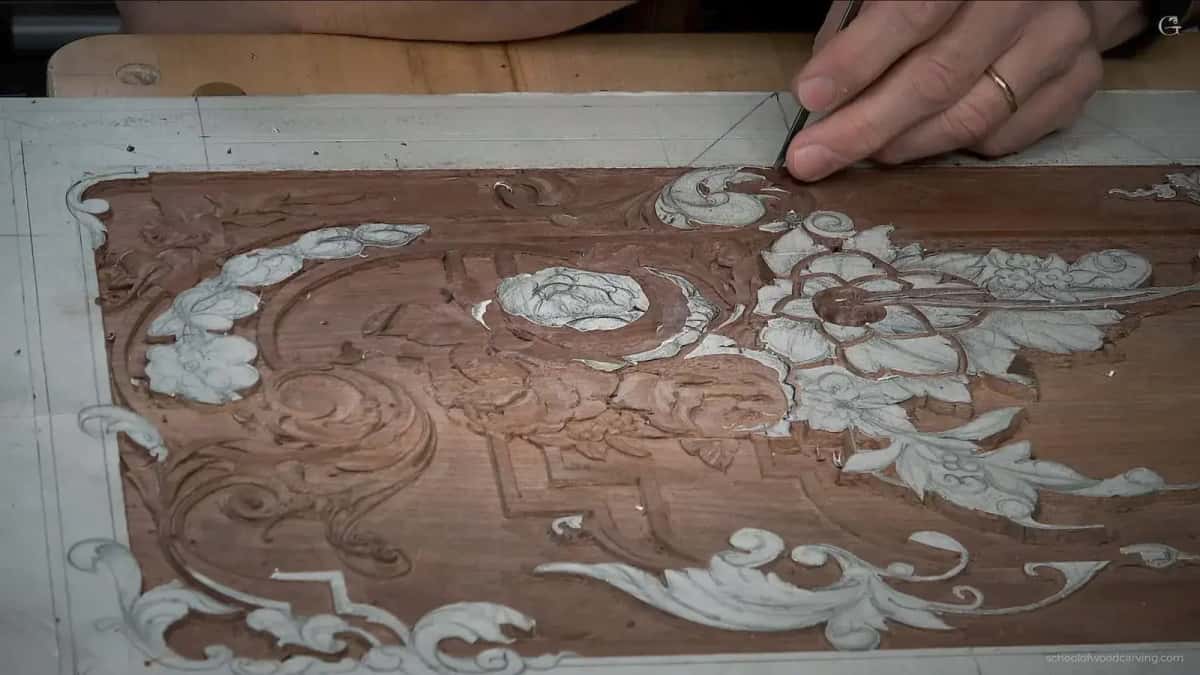
Olive comes next, and this one I know in my hands. It reads 2,710 lbf at 980 kilograms per cubic meter, and the page explaining why olive fights the tool says it can be somewhat difficult on account of its density and sometimes wild or interlocked grain. Two problems, one board.
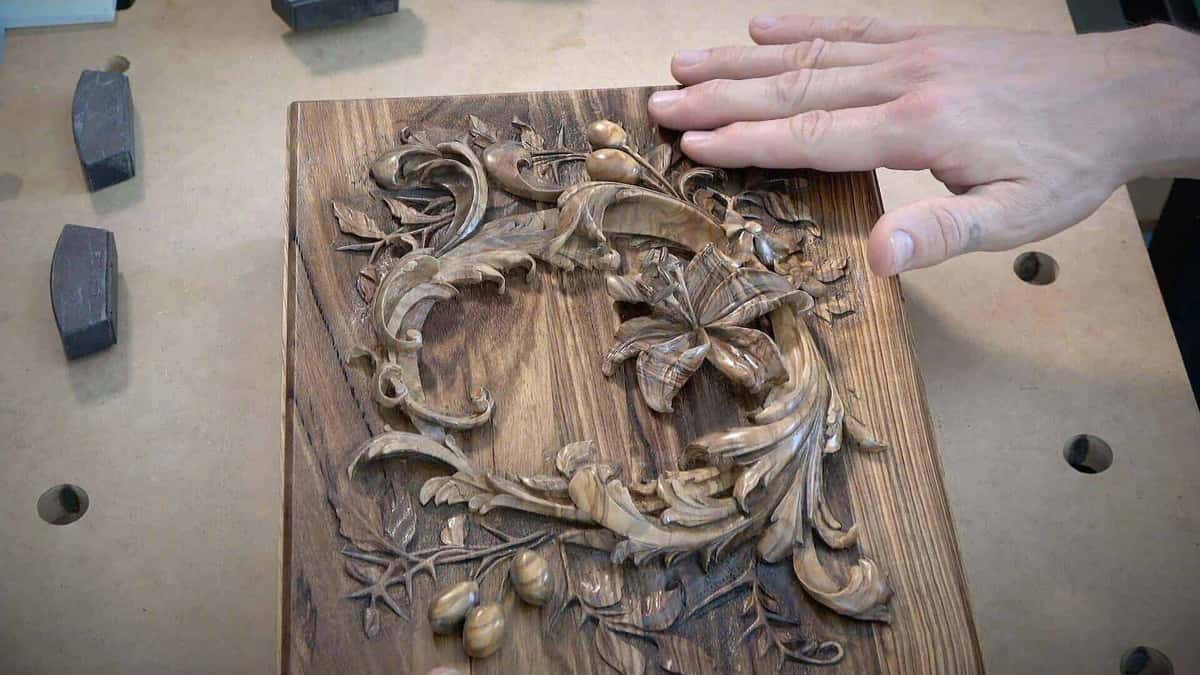
I was carving olives into that box. Really, really dense. Not the easiest spot. I barely removed any wood from the olive itself, and the white oak next to it is also really kind of hard to carve, and there I went in deep with the same pressure.
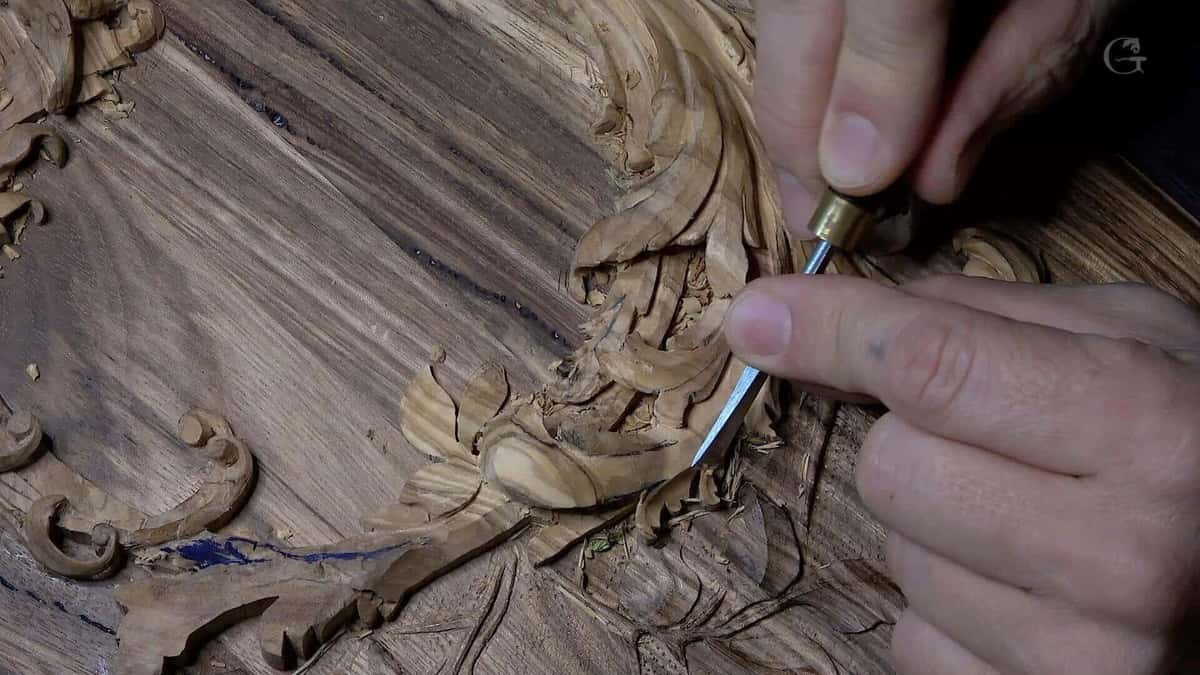
Then come four that most carvers will only ever read about. Gaboon ebony at 3,080 lbf, which its own species page has ebony measured as one that can be difficult to work because of its extremely high density. Ipe at 3,490, where ipe measured carries a pronounced blunting effect on cutters. The wood that destroys edges is African blackwood at 3,670, whose entry says extreme blunting effect. Top of the pile, lignum vitae measured at 4,390.
Any wood is carvable, pretty much, except the really rare ones where it is almost impossible, like ebony. Even ebony is still possible. Just dense, and you ought to know what you signed up for. Our species notes cover African blackwood, boxwood and quebracho.
Is white oak hard to carve?
Heavy, yes. Difficult, no. Two different words, and white oak sits on the heavy side of them. It measures 1,360 lbf in the USDA tables against 1,350 in the Wood Database, roughly three times basswood.
Now read what that same reference says about working it. What white oak is really like to work records that it produces good results with hand and machine tools, and that it scored near the very top in an assessment of the machinability of domestic hardwoods. That ranking sits in the list of domestic hardwoods ranked for machining.
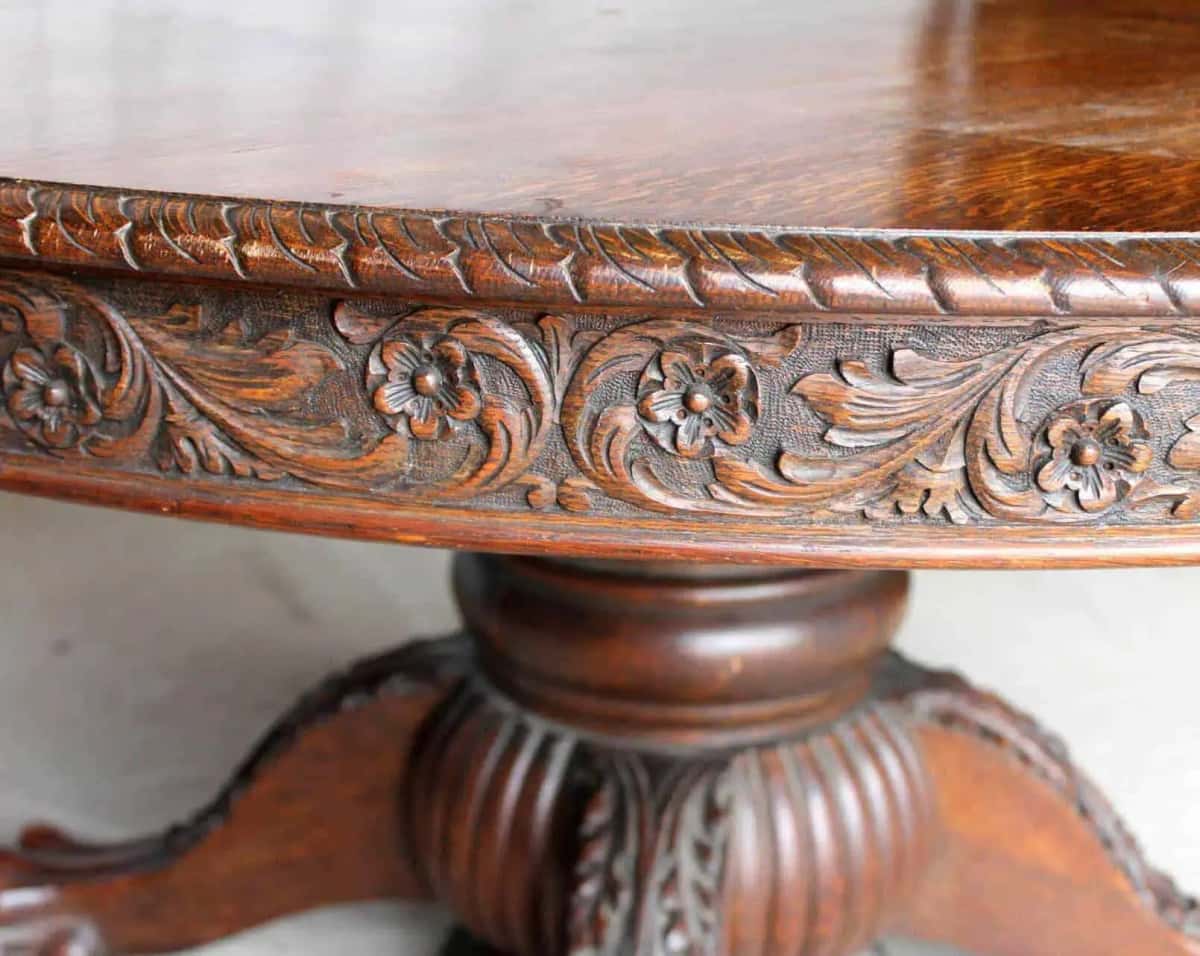
The grain runs straight. Coarse and uneven describes the texture, meaning the size and spacing of the pores, and confusing those two is why half the internet calls oak unpredictable. Straight grain with big open pores behaves the same way every time. It just leaves a rougher surface.

New oak on top, the antique apron underneath, the same coarse punched ground on both and a long time between them.
Mind you, it depends on the oak. If it is a white oak I do not like it either, but an English brown oak just carves beautifully, and it is really nice. A student named Roberto told me on a livestream in April 2020 that he hates carving oak, and I agreed with him halfway and no further, because oak is beautiful wood.
The price is not zero, and I will not pretend otherwise. Carving basswood or limewood is one thing. Carving oak is something else. A different feel, a different way you create the pressure with the chisels, but still carving. Oak is a little harder on tools, and it is doable.

Red oak sits a grade lower at 1,220 lbf. Our notes on red oak cover the difference if that is what your yard stocks.
What is the hardest wood in the world?
Every reference names a different one, and the most quoted candidate disowns the title itself. Australian buloke gets pointed at constantly, and its own page will not defend it.
Read it yourself. What the buloke record actually says is that buloke is commonly reported as hardest, that this rests on a single data source, and that it may not give the best representation of all testing and data available. That page then ranks buloke number 21. Its 3,760 lbf carries an asterisk on that page, and the asterisk points at the comment, not at a second source.
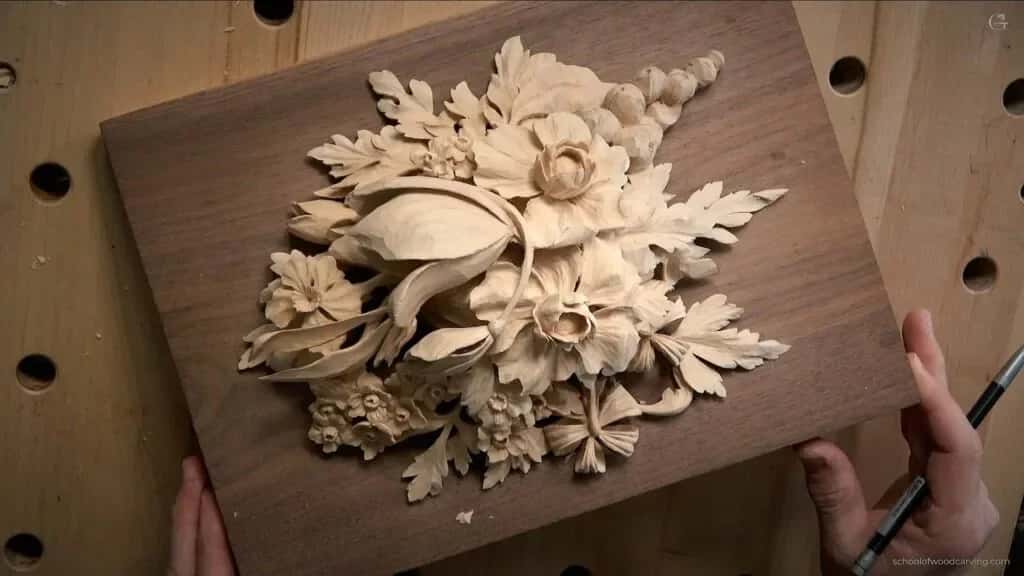
Meanwhile the ten hardest woods measured puts quebracho first at 4,570 lbf for the whole Schinopsis genus, while calling lignum vitae the one widely accepted as hardest. Then quebracho, species by species, gives 3,530 for the one tree botanists call Schinopsis lorentzii. Same name on two pages, one a genus and one a species. Three answers from one authority, and I would sooner say so than pick the loudest.
None of it matters at your bench. Past roughly 3,000 lbf you are into rasps, power carving and patience, and the order of the top five is a pub argument. Try the densest wood ever weighed for fun, and the strongest wood is a separate question again.
Is basswood a softwood?
Basswood is a hardwood, and this is the commonest error in carving writing. Our own older version of this page had it backwards for years, which is one reason I am rewriting it.
The division has nothing to do with hardness. Hardwood and softwood, defined properly by the USDA, says softwoods come from gymnosperms, mostly conifers, while hardwoods come from angiosperms, the flowering plants. That same chapter then states flatly that not all softwoods have soft, lightweight wood, nor do all hardwoods have hard, heavy wood.
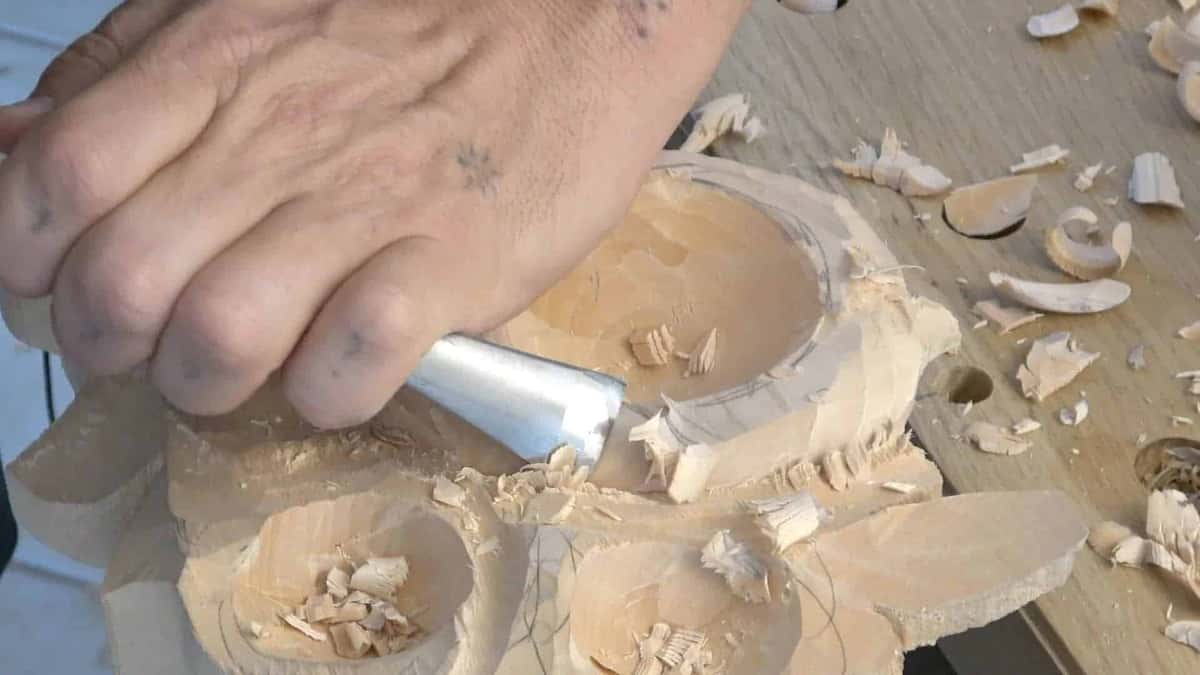
Basswood, a flowering lime tree, is therefore a hardwood at 410 lbf. Balsa is a hardwood too. Heart pine, a conifer and so a softwood by the book, once cost me a lot of gouges.
That job was a twelve foot heart pine table for a man whose company demolishes nineteenth century factories and pulls the posts out of them. It took me a long time, and I broke lots of gouges while I was carving by hand. It is almost impossible to drive a nail in it. Really hard.
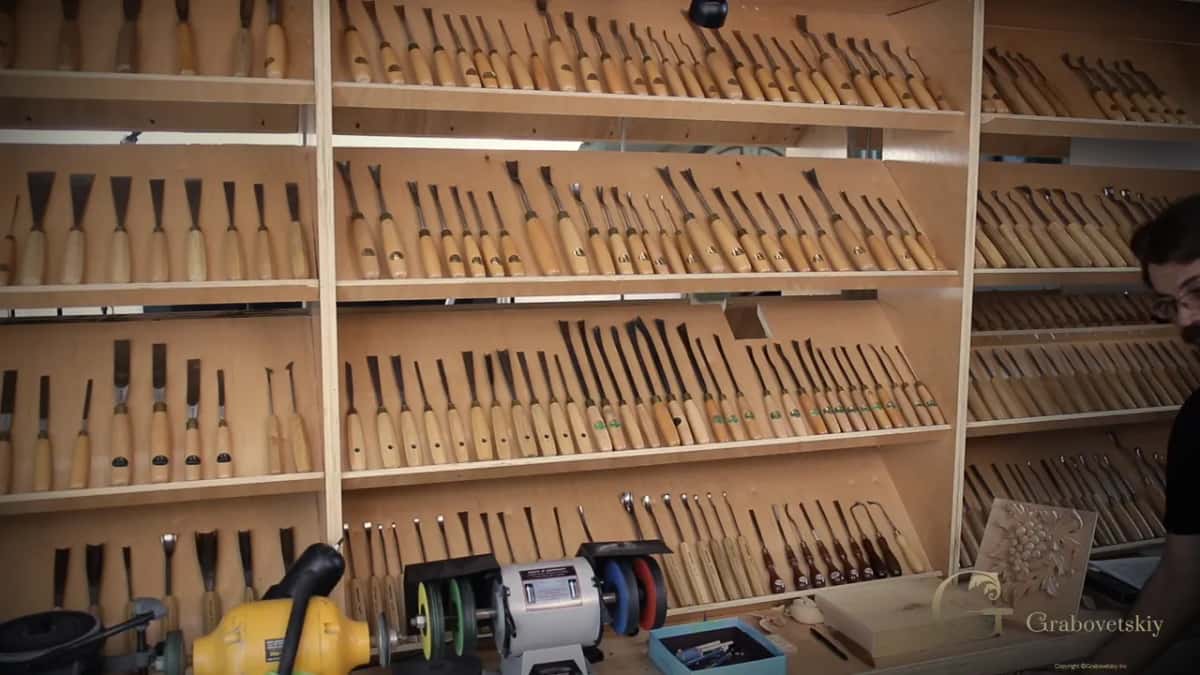
A softwood broke my tools, and a hardwood carves under thumb pressure. Keep the word for botany and use a number for the work. An independent check comes from the Victoria and Albert Museum, whose page on which woods sculptors chose, and why files limewood as a hardwood beside oak, boxwood and walnut.
Can a soft wood still fight you?
Two of the woods most likely to tear on you sit below walnut on every hardness table. Elm reads 830 lbf and American sycamore reads 770, against 1,010 for walnut.
Both have interlocked grain. Elm's interlocked grain is described as making the wood very resistant to splitting, wonderful in a chair seat and miserable under a gouge. Sycamore's interlocked grain arrives with a texture that same page calls fine and even, very similar to maple. So the board looks docile and is not.
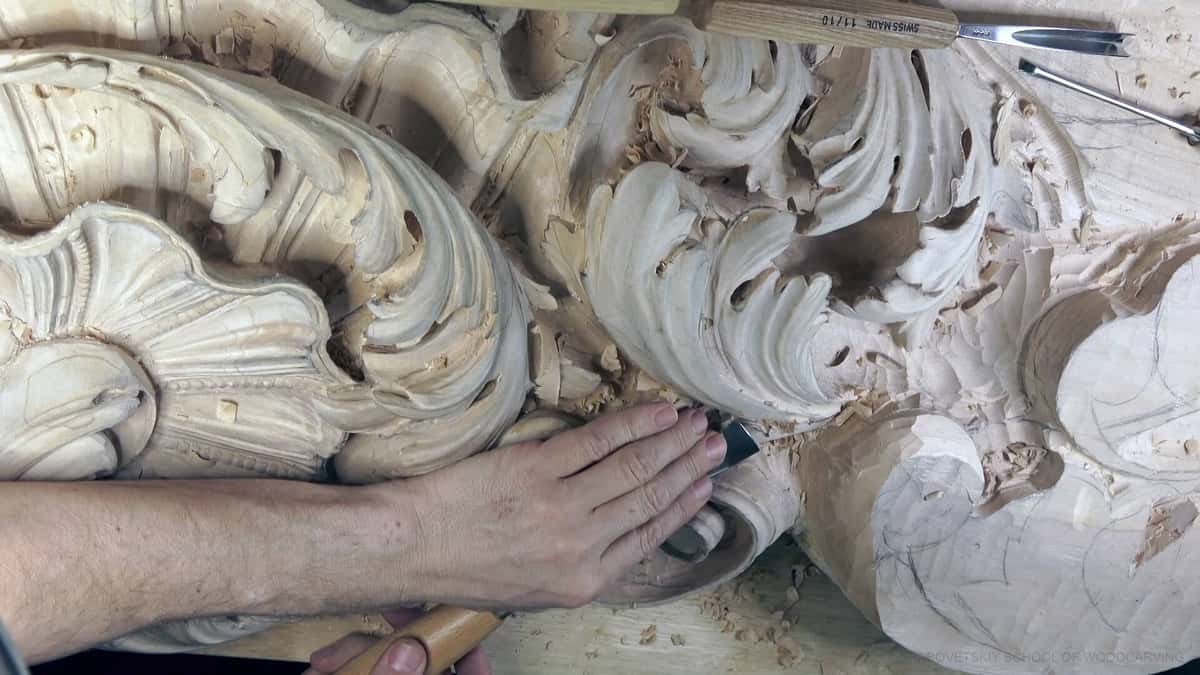
Here is where our older page went plainly wrong, and where most of its competitors still are. It blamed oak, ash and hickory for unpredictable grain. All three are recorded as straight grained, and ash grain, on the record, is almost always straight and regular, with ash producing good results by hand or machine at 1,320 lbf. Interlocked grain belongs to elm and to sycamore.
Tear out has a second cause, and it is not the wood. People, it really is important to have sharp tools. If your tool is not sharp you are going to see a lot of tear outs, you will catch the grain, and you will get frustrated. Make sure your tool is super sharp. Almost like a surgeon's knife.
Grain that keeps changing direction in front of you is a skill and not a defect, and we cover it at changing grain direction, at carving with the grain and at why grain matters.
What ruins an edge fastest?
Edge life is its own problem, and a mild wood can be the worst offender on the bench. Teak measures a modest 1,070 and carries silica up to 1.4 percent.
Why teak dulls a gouge is that silica figure, and silica is glass. Never mind that the wood presses easily. Every pass drags steel across mineral grit, and the bevel rounds over while you work.
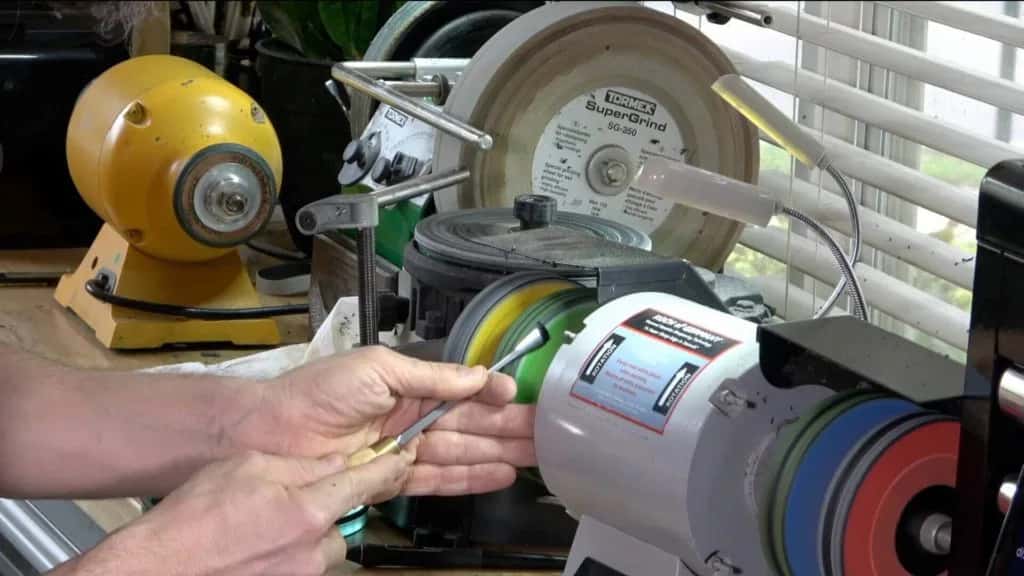
Hickory, ipe and African blackwood carry that warning for a plainer reason, which is density. Strongest of them is the extreme blunting effect noted for African blackwood. Planning on any of these means budgeting sharpening time into the job the way you budget glue drying.
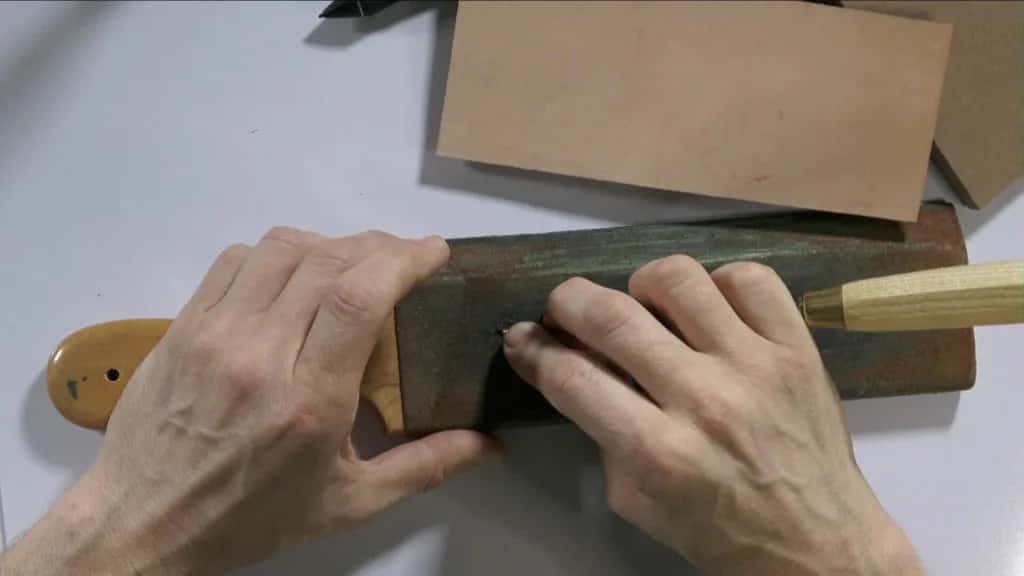
A hard board wants the strop within reach. Basswood will let you forget it for an hour.
Sharpness comes before the wood does, and the Carving Tool Sharpening course exists because of this. A dull gouge in oak does not carve the wood. It burnishes it instead, and then the student turns around and blames the steel.
Does drying make a board harder to carve?
Drying makes wood harder, which is the opposite of what nearly everybody assumes. White oak measures 1,060 lbf green and 1,360 at 12 percent moisture, while basswood goes 250 to 410.
Call it a rise of nearly a third in oak and two thirds in basswood, from nothing but water leaving. The USDA hardness tables print both columns side by side.

Green wood carves easier and then moves, splits and mocks you, so nobody sane trades one problem for the other. Boards sit in my shop over ten years before they get carved, some of them twenty five, and I hold my Florida studio at 35 percent humidity.
Which brings up the softening trick. Our older page recommended a fifty fifty mixture of isopropyl alcohol and water for softening fibers. Hunting for a wood science source behind it turned up craft blogs, a forum thread, plus this very page quoting itself. Gone now.
How do the numbers compare, species by species?
Nine species, each with its hardness and its own reference's verdict on working it. Read the last column against the second, and the whole argument of this page falls out of the table.
| Wood and species | Janka side hardness in pounds of force | Main obstacle | How its own reference rates working |
|---|---|---|---|
| Basswood, Tilia americana | 410 lbf, the softest board listed here | Nothing much | Among the most suitable for carving |
| Sycamore, Platanus occidentalis | 770 lbf, well under walnut and oak | Grain interlock | Fine even texture, interlocked all through |
| Elm, Ulmus americana | 830 lbf, softer than cherry or walnut | Crossed fibers | Grain interlocked, very resistant to splitting |
| Teak, Tectona grandis | 1,070 lbf, a mild load carrying silica | Mineral grit | High silica level, blunts the edge |
| Ash, Fraxinus americana | 1,320 lbf, just under white oak here | Weight alone | Good results by hand or machine |
| Oak, Quercus alba | 1,360 pounds by USDA, or 1,350 elsewhere | Coarse texture | Good results with hand and machine |
| Maple, Acer saccharum | 1,450 lbf, over three times the basswood | Mallet work | Fairly easy to work by hand |
| Hickory, Carya ovata | 1,880 lbf and honestly a difficult board | Toughness itself | Difficult, and blunts an edge throughout |
| Olive, Olea europaea | 2,710 lbf, measured on a dried sample | Wild grain | Somewhat difficult on account of density |
Sources, in order: why carvers reach for basswood, sycamore and elm above, then hard maple measured. Method sits at how wood hardness is actually measured. An 11.28 mm steel ball gets pressed to half its own diameter, leaving a dent whose flat circle measures one square centimeter, and the load at that moment is the figure. Its laboratory standard is the timber testing standard, ASTM D143, whose title says small clear specimens. Clear. No knots.
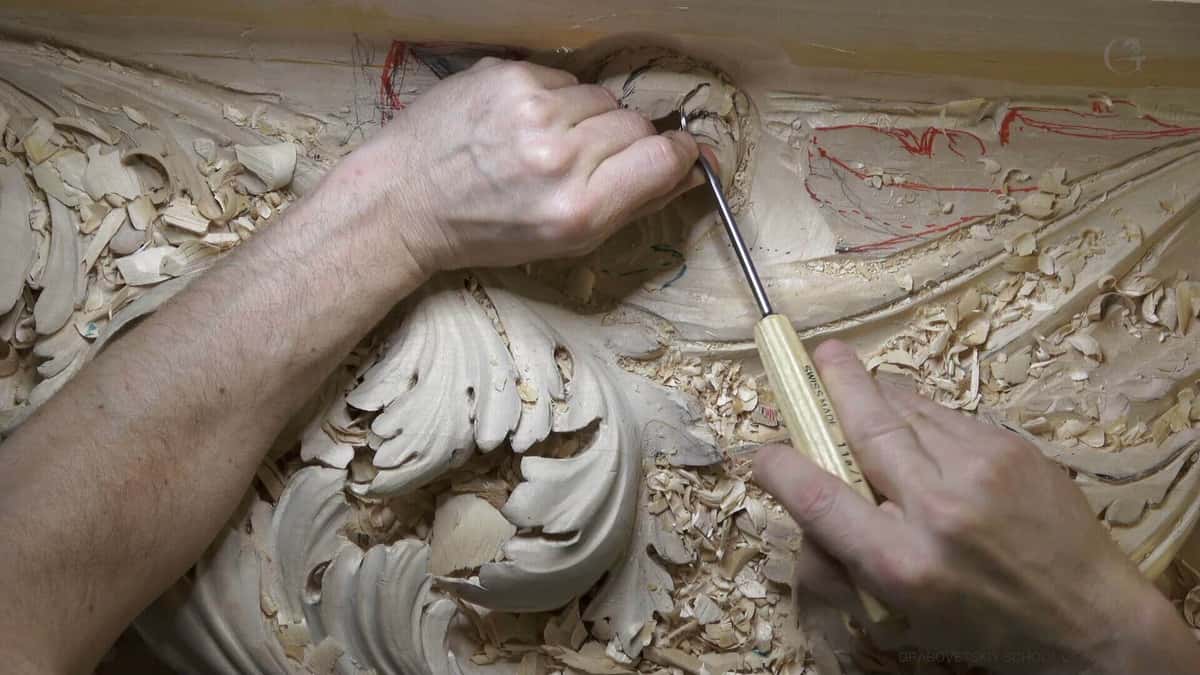
That last detail explains why nobody can hand you a number for construction lumber. A two by four is graded, never identified, and it holds knots, and a knot is locally about as hard as the tool. Douglas fir alone reads 710 lbf in the USDA Coast figure against 620 in the Wood Database, a real disagreement over one species before knots enter the argument. The soft end sits at the soft end of the scale, and the heavy end is high density wood.
What does a hard board ask of your tools?
Keep the bevel short, the steel thick, and put more weight in the mallet head. All three exist to stop an edge folding over.
A long bevel is thin at the point, and it becomes really weak there. Using that on the hard woods, oak or cherry, gets dangerous. Well, not all oaks. Brown oak runs a little softer than white American oak, and red oak is really hard too. For those hardwoods I use a really short bevel most of the time.

Those are three bevels ground on the same number 3 tool. The short one runs about a quarter of an inch and the long one about 20 millimeters. How differently they behave in oak is not subtle.
Mallet weight is the other half. Sometimes on the harder woods, like oak, brass is much easier, because it is heavier and smaller. A thin walled gouge is lovely in limewood and breaks easily in a hard board, so steel is a poor place to save money. Whether you need a mallet is answered at when you need a mallet.

My own woods, for the record. Plain basswood is the best wood to carve of all. But I also love to carve walnut. Cherry too, and oak, especially English brown oak, which is just beautiful wood. Given a chance to carve plain basswood, I would. There is more on walnut and at carving walnut if that is the board on your bench.
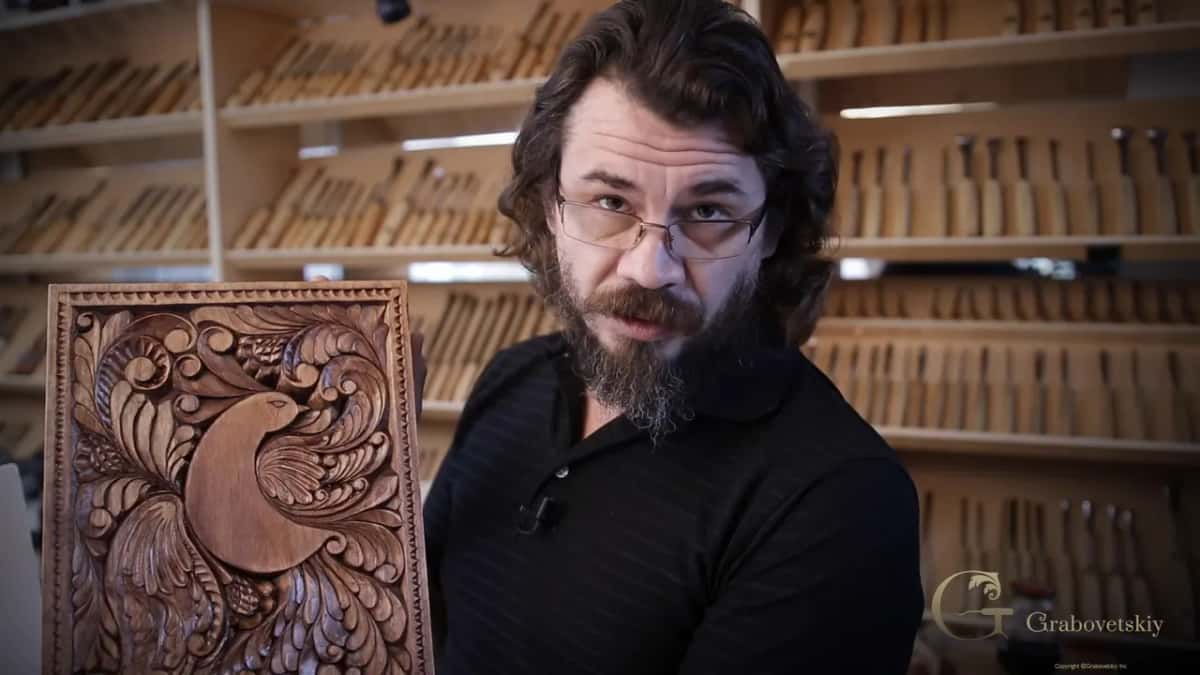
And two woods I steer people away from. I would not recommend using poplar, and I would not recommend using maple. Both are carvable.
Maple's own page calls it fairly easy to work and ranks it fourteenth of twenty seven on machining. That gap is a machine against a hand. You can use almost any wood, pretty much, but it is going to be difficult. Walnut is good. Butternut is good.
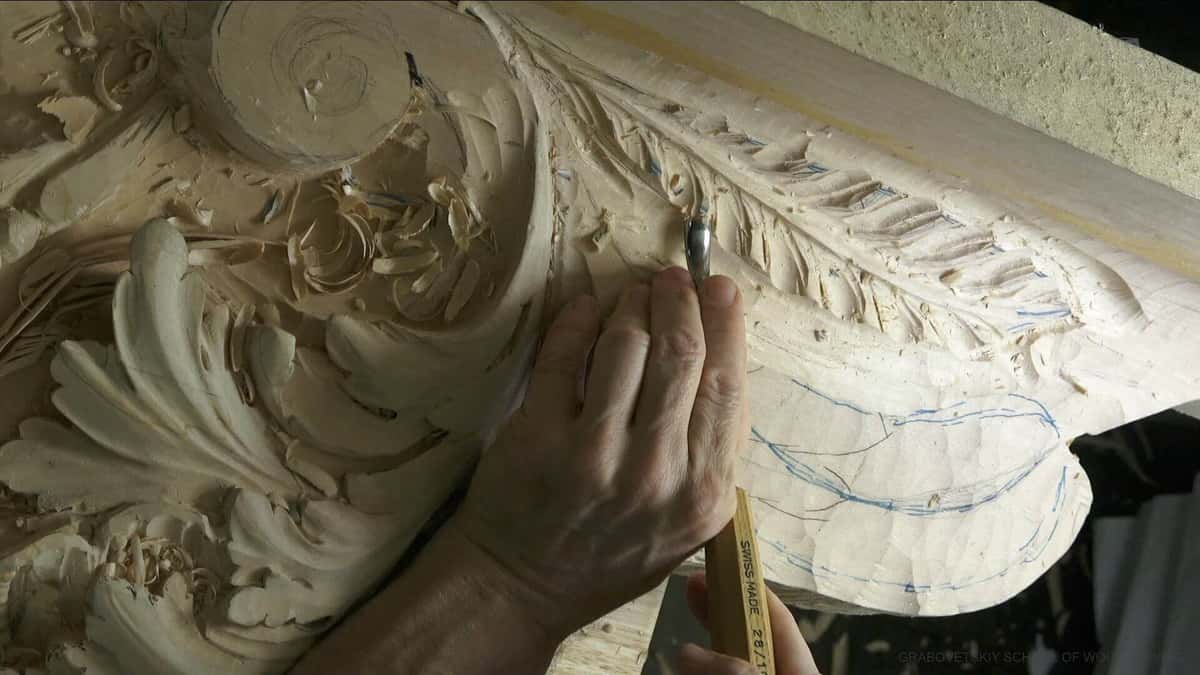
How do you carve a hard wood without wrecking the panel?
Six steps, in this order, and the first two happen before any wood moves. Do them and a hard board stops being a fight and becomes slow work, which is a different thing entirely.
Step 1, get the botanical name before the price
Ask the yard for the Latin name and write it down. Oak covers Quercus alba at 1,360 and Quercus rubra at 1,220, and brown oak behaves softer again. One word on a label, three different afternoons.
Step 2, look for interlocked grain, not just weight
Lift the board and look along its face for ribbon figure that flips light and dark as you tilt it. That flip is interlocked grain. It matters more to a carved leaf than weight does.
Step 3, regrind to a short bevel first
Do your grinding before you start, not halfway through when the panel already lies open. A short bevel in a thick blade survives oak. A long thin one folds, and it takes the wood with it.
Step 4, carve one pass somewhere nobody will see
Take a single slicing pass on the back or on an edge. A chart cannot feel end grain. Your gouge can, in four seconds. If the fibers crumble rather than curl, you have learned it cheaply.
Step 5, work shallower and come from more angles
In interlocked grain, halve your depth of pass and double the number of directions you approach from. Slower, yes. Also the difference between a modelled leaf and a torn hole.
Step 6, strop between passes rather than between sessions
Keep a strop right on the bench, never in a drawer, and use it. Two passes with a fresh edge beat ten with a tired one, and in a hard board that shows up inside the first minute.
Finishing is a separate craft, and an open pored hardwood drinks it very differently from basswood. Hardness against stiffness against sheer strength are three more measurements, at denser against stronger, at crushing strength and at what Janka hardness means at the bench.

One last thing, which resolves nothing. Two boards of one species, same published figure, will still hand you two different days, and I still cannot tell you why from the outside of a plank. I keep the offcuts and pencil the species onto them anyway.
Want somebody beside you the first time a hard board fights back? That is what the All about tools for Wood Carving course and the rest of the school are for, and there may be people carving with us near you, including classes near Los Angeles. Shall we carve?
Frequently asked questions
What is the hardest wood to carve?
Two pages on one site disagree and neither settles it. The ranking page puts quebracho on top at 4,570 lbf, calls lignum vitae the one widely accepted as hardest at 4,390, and quebracho's own species page prints 3,530. Above three thousand the order stops mattering at a bench.
Why is oak called difficult when its reference disagrees?
Weight and coarse open pores get mistaken for bad behavior every time. Oak needs a mallet, dulls edges quicker than lime, and leaves a rough surface. None of that is unpredictable, which is what difficult usually means. Straight grained, and it machines near the top of American hardwoods.
Is basswood a hardwood or a softwood?
A hardwood, botanically, because the lime tree flowers. Softwood means conifer and says nothing about weight, per the USDA. At 410 lbf basswood is among the lightest timbers sold, and it still gets filed with oak and walnut rather than with pine and spruce.
Which woods tear out most under a gouge?
Elm at 830 lbf and sycamore at 770 both have interlocked grain, where neighbouring growth rings lean opposite ways. They tear where a heavier straight grained board would slice. Olive does it as well, and adds density on top, so it fights you on two fronts.
Does a wet board carve more easily than a dry one?
Wet carves easier and dries into trouble. Green white oak reads 1,060 lbf against 1,360 once dry, and green basswood 250 against 410. The wood then shrinks, checks and warps around ornament you already finished, which is why we wait years instead.
Can any wood be carved with hand tools?
Almost all of it, and the honest exceptions are rare. Ebony near 3,080 lbf is possible and punishing, and heart pine once broke a lot of my gouges. Below about 1,500 lbf every species on a normal price list is workable with sharp steel and a mallet.
Filed under
- ash wood carving challenges
- beginner wood carving projects
- best tools for hard woods
- carving Oak tips
- carving techniques for tough woods
- carving tools for hardwoods
- easy wood for carving
- effects of wood density on carving
- hardwoods tough to carve
- hickory carving difficulties
- how wood moisture affects carving
- moisture content's role in carving
- Oak vs pine carving comparison
- preparing wood for carving
- softwoods vs hardwoods
- tips for beginners carving wood
- tools for carving softwoods
- Understanding Wood for Carving
- what wood is easiest to carve
- why is hardwood harder to carve
- wood grain patterns and carving