
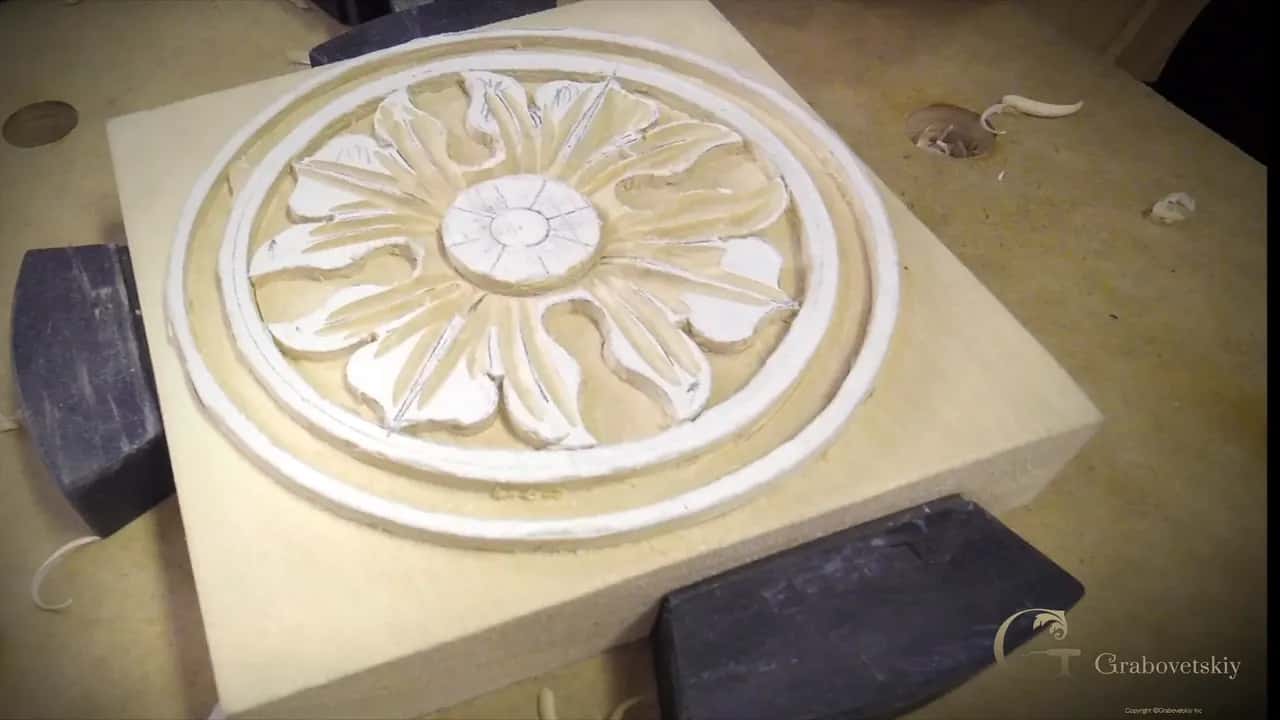
September 5, 2024 · Updated August 25, 2026
By Alexander Grabovetskiy — Master Woodcarver · Founder, School of Wood Carving · 21 min read
What are the best softwoods for beginners to practice wood carving?
The best softwoods for beginners are basswood, and butternut when you can find it. Softness is not why I hand basswood to a new student. It carries almost no grain you can see, so your eye is not fighting stripes while your hands are still learning the tool.
You went and got the softest thing on the rack. Construction pine, maybe, or a craft store block that felt like nothing in your hand. Then the gouge went in and the wood argued with you anyway.
Soft and easy are two different words.
In class I say one line about basswood, and that line is this whole page. That is one of the best woods, actually, for the carving. And the reason why, it is not because it is soft. Kind of soft, sure, but that was never the main reason and it still is not. There are other woods also soft.
Below, the pale boards a beginner starts on, the three soft woods people buy by mistake, and where mine comes from.
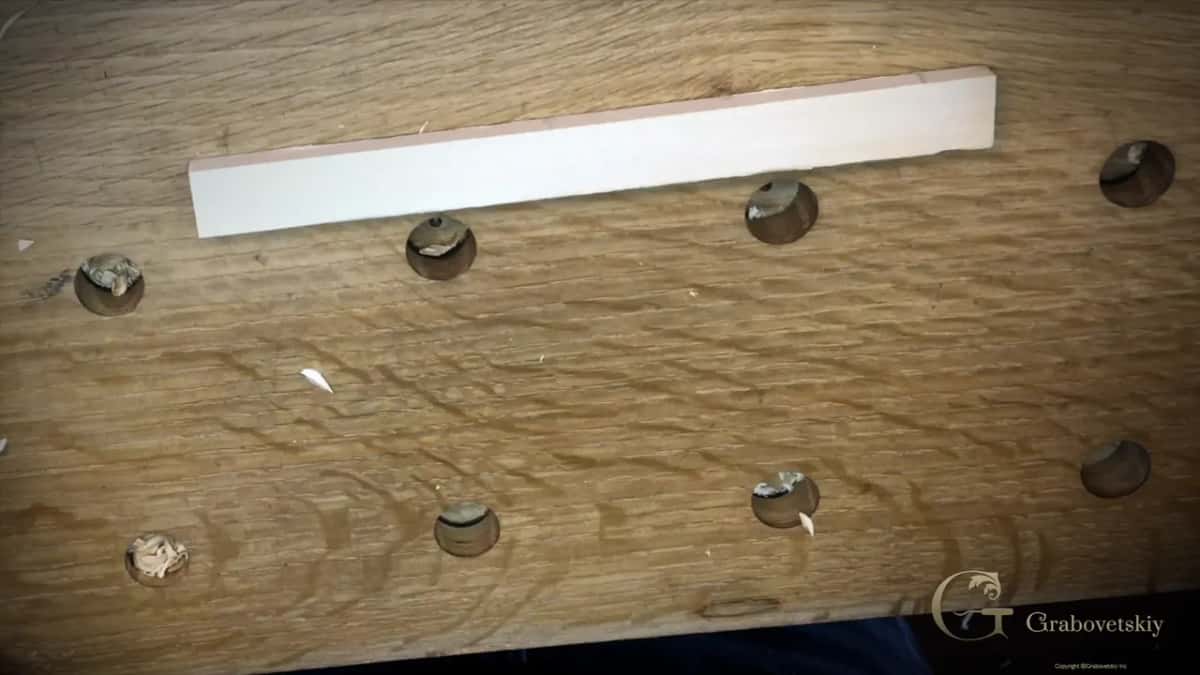
One thin pale plank by itself, and that is your whole shopping list for a first afternoon.
- Basswood wins on grain, not on hardness. The Wood Database scores three other soft woods below it.
- Europe calls the same tree limewood, linden, lime timber. Russia calls it lipa.
- A soft board still dulls your gouge, and sometimes really quickly.
- Pine, cedar and poplar all carve. None of the three gets my vote for a first board.
- Buy at a hardwood lumberyard, never a construction lumberyard. Two different businesses.
Why is basswood the best wood to start on when it is not the softest?
Grain settles it, and hardness barely comes into the argument. Look at a basswood board and there is no grain in it, almost no grain visible. Naturally there is a grain. It just does not show, and that is good. You can do any type of curvature and it still looks really, really nice.
Now a number, from somebody other than me. The Wood Database entry for American basswood gives it 410 lbf on the Janka hardness test, which presses a steel ball into a board and reads the force. A dent test, not a carving test. The same table puts eastern white pine at 380, quaking aspen at 350 and western red cedar at 350.
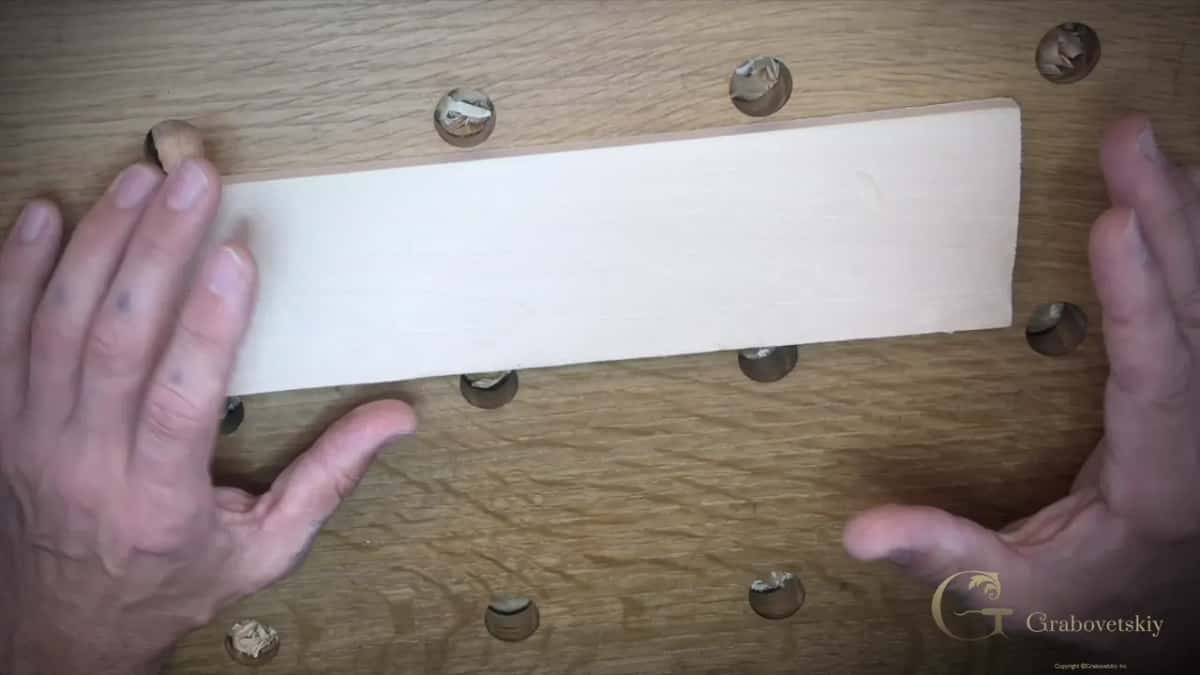
Basswood, both hands flat on it, the one frame here where a screen label names the species.
Three score softer than the one I recommend, and I still hand out basswood. The softness theory dies right there.
Basswood gives you a quiet surface instead. Your eye stops getting distracted, so you watch the shape rather than the stripes under it. Bigger gift than a low score on a dent test. This tree belongs to the Tilia genus, and the USDA Forest Service sheet on American basswood covers where it grows.
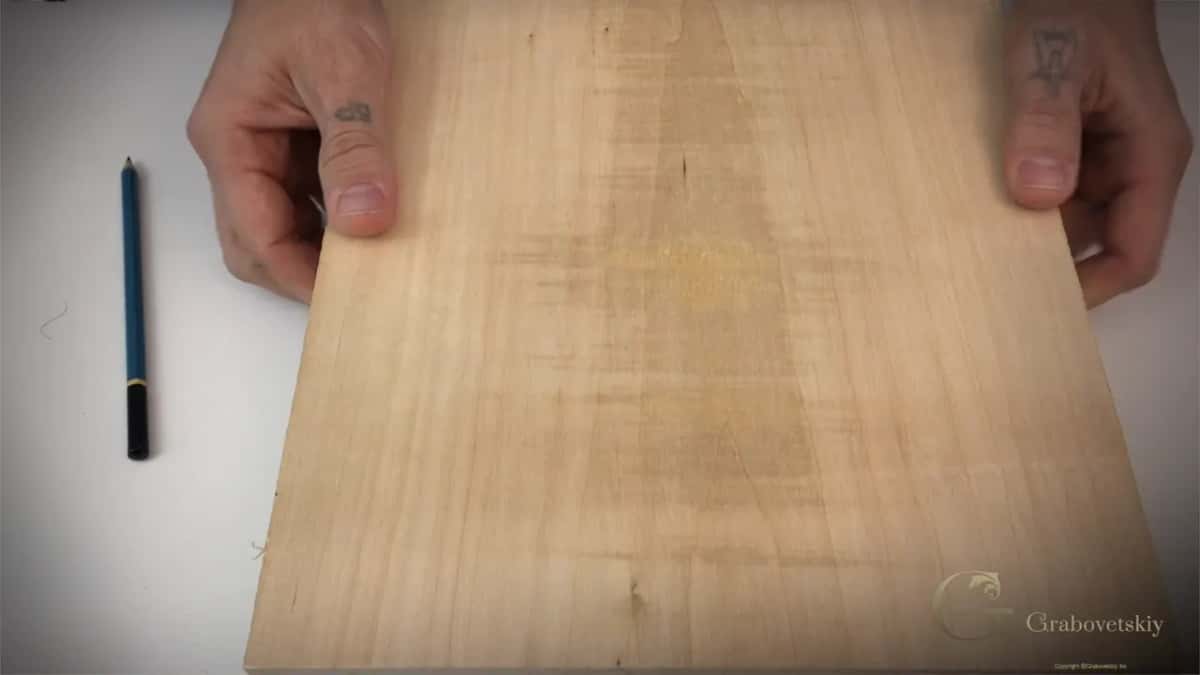
Face on, grain barely there. Faint tracing lines, one sharpened pencil at the left.
Then the part that surprises people. This wood is soft enough, and it still holds the detail. Be really careful when you are doing the micro details on basswood. Walnut and cherry keep detail nicely, and basswood keeps it too, unless you press too hard. My wider list sits on what kind of wood to use for wood carving.
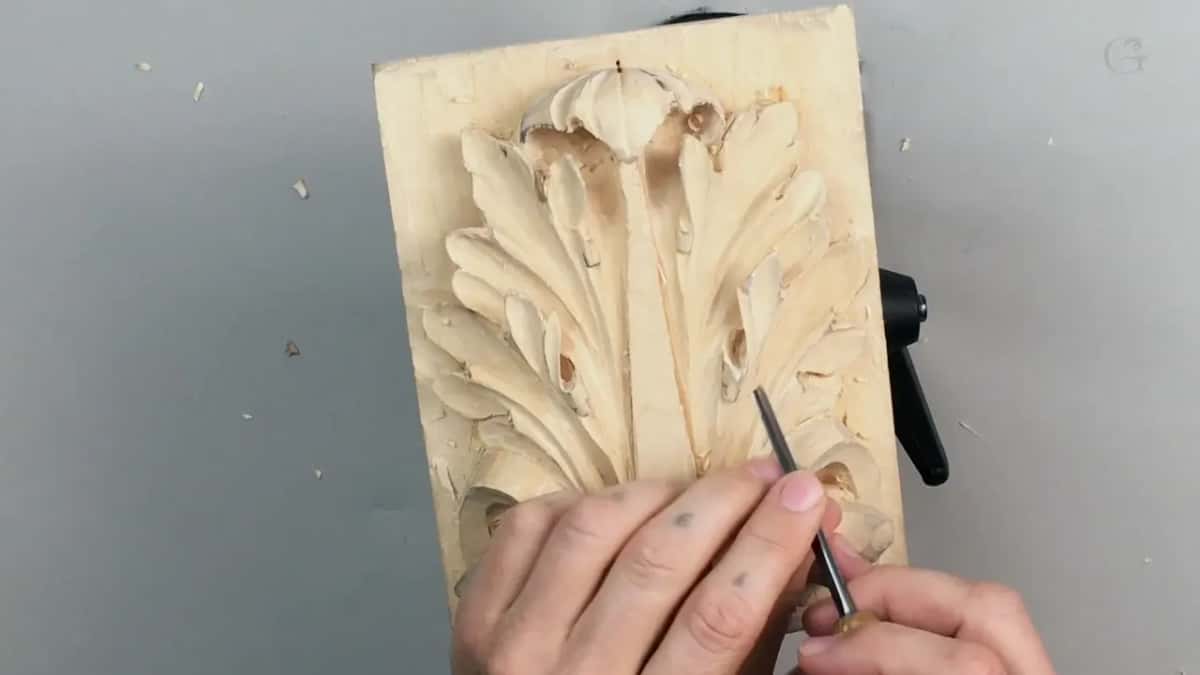
One acanthus leaf taken down deep, real shadow in the lobes. Soft did not stop it.
Is basswood even a softwood?
Depends who is asking, and I have answered it both ways. They call it soft wood, but it is not really soft. You would be surprised how nicely that wood keeps the detail if people do not damage it. Any wood can be damaged. Oak, walnut, cherry. Definitely you can damage lime wood also.
Other days my answer runs plainer. It is a soft wood, and it just digs really nicely. Both came out of my mouth on camera, in different courses.
The old European answer is the interesting one. Matter of fact, at least in old European culture, this wood was not considered as a soft wood. Considered as a hardwood. And a soft wood would be like a pine.
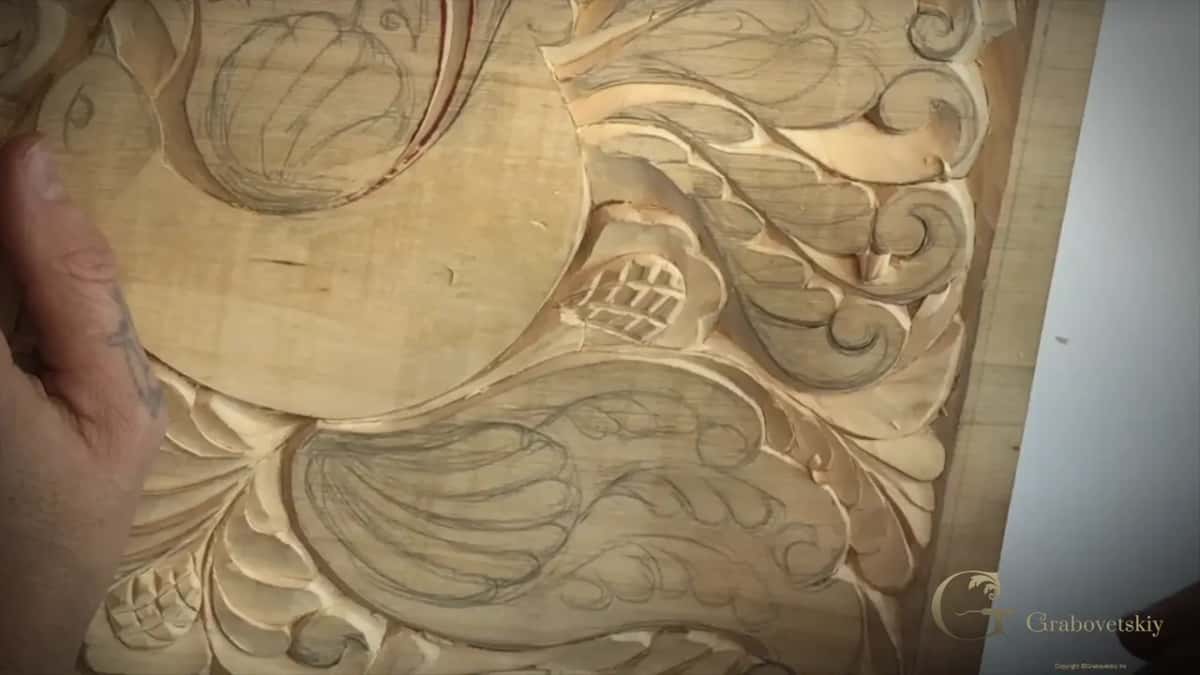
Carved leaves right beside pencil lines nobody has touched yet, every carved edge holding shape.
Botany sides with the old carvers, not with me. Wikipedia's softwood page defines a softwood as a conifer, a needle tree. The hardwood page puts every broadleaf on the far side of that line, and basswood is a broadleaf. So the Wood Database files it under hardwoods, while Alaskan yellow cedar is filed as a softwood at 580 lbf. A softwood harder than the hardwood tells you the naming was never about your gouge.
Names shift once you cross a border. In European culture the same board is called lime wood or linden wood. In England it would be called lime timber. I am from Russia, and we call that wood lipa. Some cultures even call it a tea tree, because the linden flowers brew beautiful tea.
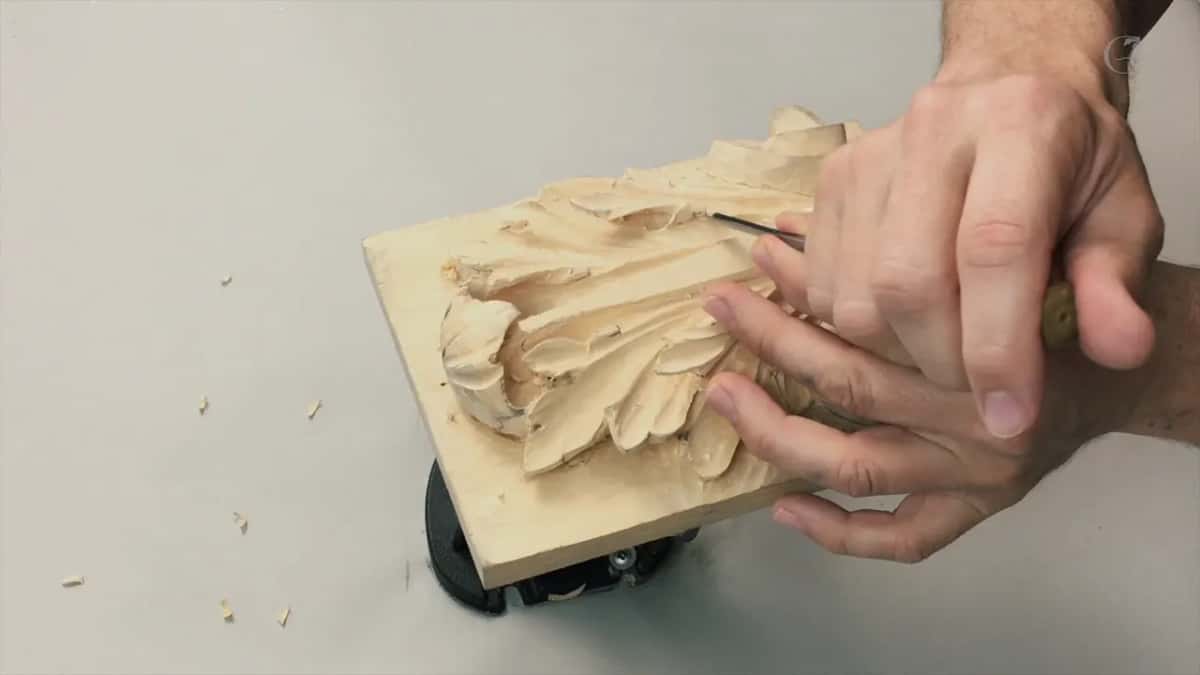
Rounding one lobe of that leaf, chips thrown across the grey top.
History earns ninety seconds. In Europe, at least in England, the cheaper carvings would be done in pine. And the more expensive carvings would be done in oak at the beginning, and after the 17th century it would be limewood. All the church carvings, they were done in limewood.
In one telling I say Grinling Gibbons called this wood the queen of all woods. Another time I just say some people call it a queen of the woods. Who said it first, I never chased down. The Victoria and Albert Museum keeps his work, including the Gibbons limewood cravat. Working it bare is the German tradition, the subject of Riemenschneider and unpainted limewood.
David Esterly, who carved a replacement for a burned Gibbons overmantel, put it this way in The Lost Carving:
limewood is a patrician medium that, treated correctly, really will be an obedient servant
Does a soft wood keep your tools sharp?
Mine go dull anyway, and fast. Believe me, some people saying the best wood is a soft wood and your tools shouldn't get dull, that's not necessarily truth. It is soft wood, but your tools, for some reason, still get dull, and really quickly sometimes.
That belief costs beginners money. They buy the soft board expecting a free pass, never learn to strop, then blame the wood for a surface the edge made. Have a look at what to look for in a beginner tool set first.
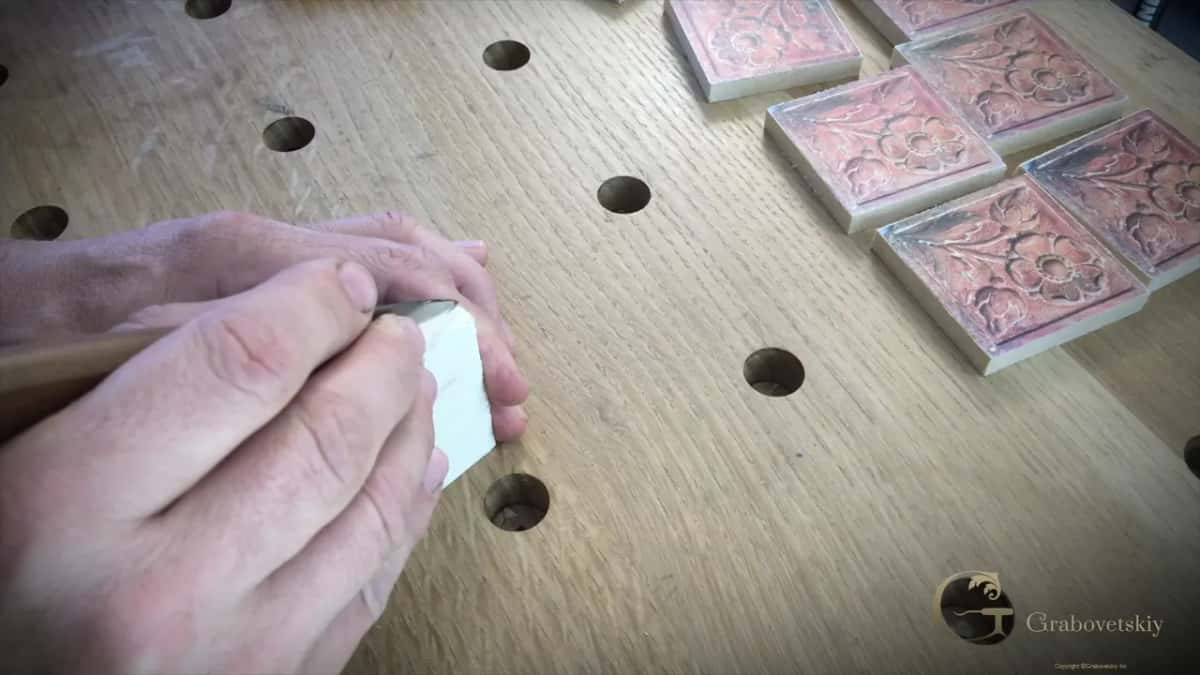
Small pale offcut in both hands, four rosette tiles in old red paint at the right.
Species does change how I grind. If it is a hardwood you have to do a shorter bevel. On a softer wood you can do longer bevel. Even for the hardwood I stay long, my preference and not a rule.
A scrap of this wood is itself a sharpening tool. Sometimes you do have a small burr at the edge of the tool, and the way you clean it, you just take the piece of soft wood, the basswood or lime wood, and rub right there. The burr comes off without damage.
Keep your offcuts. Free, and they work.
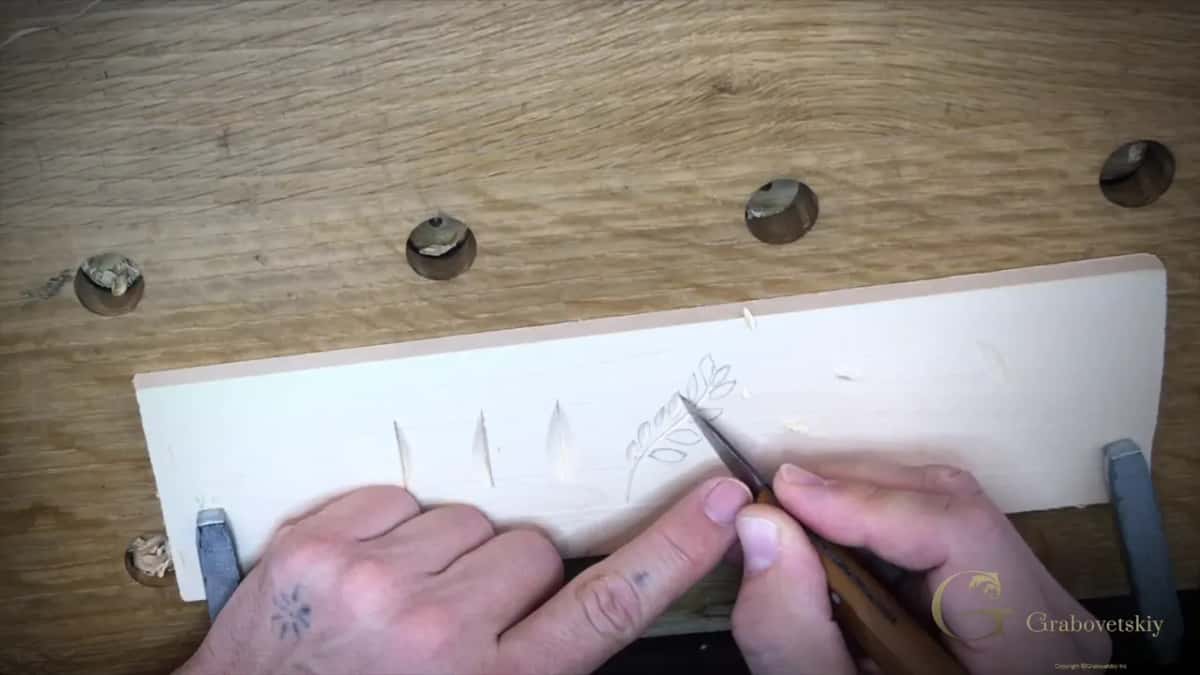
Three practice nicks, one finished leaf sprig, knife tip resting in the last carving.
What does pine actually do under a gouge?
Pine shows every stripe it owns, and the stripes win. If I am carving on pine, although I don't like to carve on a pine, because all of the grain really visible, and it distracts. The eye, not the hardness, is my whole objection.
In a livestream somebody asked whether the board I held was pine, since pine bothers some people. Pine has a lot of different grain movements. The board in my hands was lime wood. Anyone who reacts to a species should read the Wood Database note on wood allergies before buying.
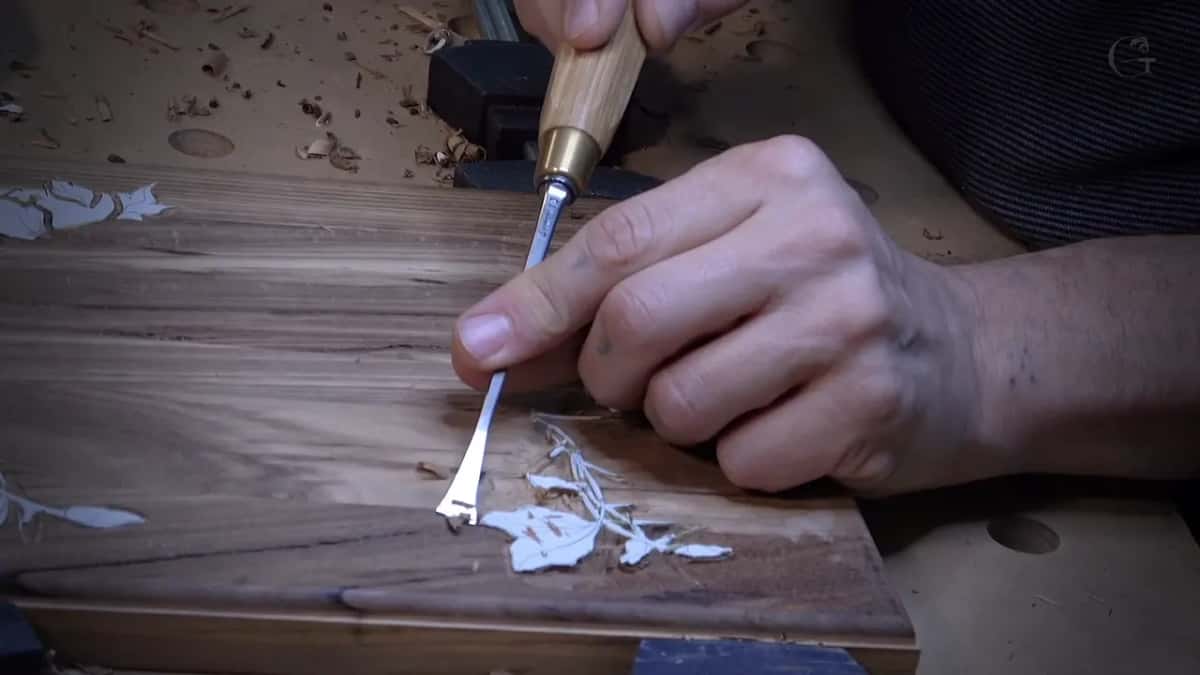
A V-tool putting a small leaf into hard light and dark stripes, still louder than the leaf.
Now the other pine, which nobody warns you about. I had to carve hard pine one day, a few years ago. That was a really interesting material, and I broke quite a few gouges. You can't even drive a nail in it. So dry, harvested in the 19th century and dried a long time.
Heart pine did the same to me on another job. Hard as a rock. I broke lots of gouges actually while I was carving by hand.
A conifer harvested back in the 1800s came out able to break a row of steel gouges.
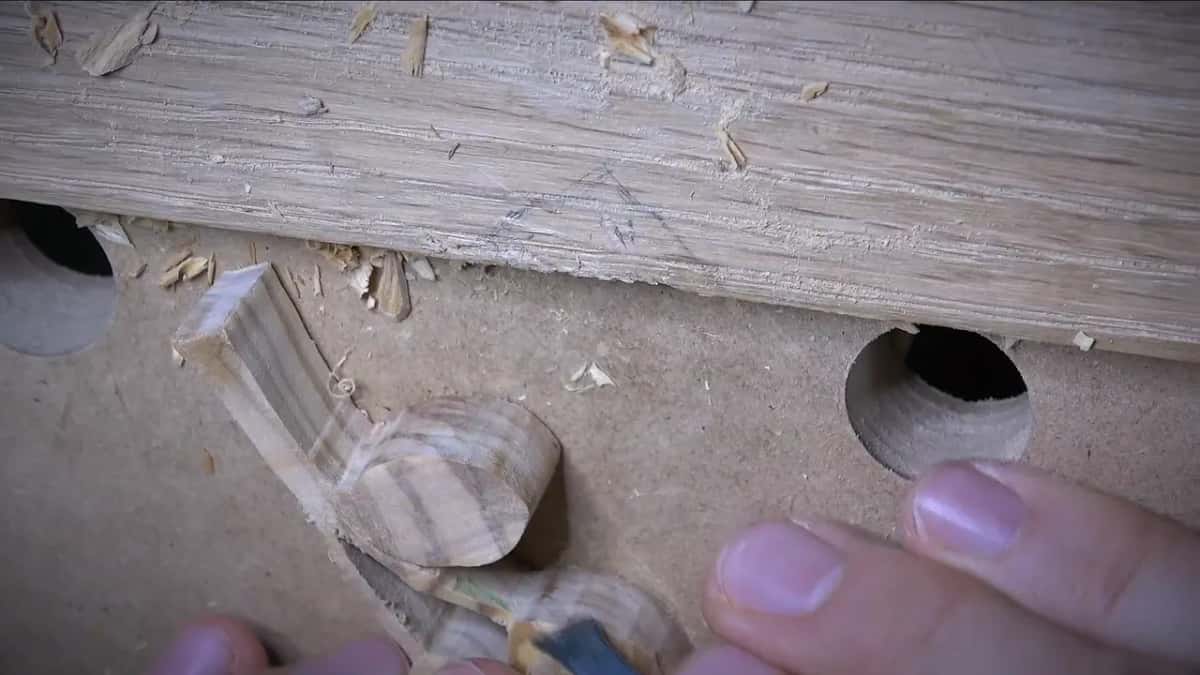
The rough sawn face of a board, hairy and torn rather than smooth. A saw left that surface, not a gouge.
People ask about a two-by-four from the home center, so here is the only time a two-by-four comes up on camera. I needed a block to hold a jig while sharpening a veiner. You can just get two-by-four or two-by-six piece, just a normal block of wood, although it is a little too soft because it is pine. I would just use probably oak or maybe maple.
Even for a lump whose only job was sitting still, the pine got passed over. Both sugar pine and the white pine above sit at 380 lbf, a Wood Database figure. Neither number is the two-by-four in that paragraph.
I will not pretend about pine, though. I like pines especially. In the town I grew up, they had really tall pines, really big ones, and I never saw any pine trees tall like that here. Loving the tree and refusing the board are two separate feelings.
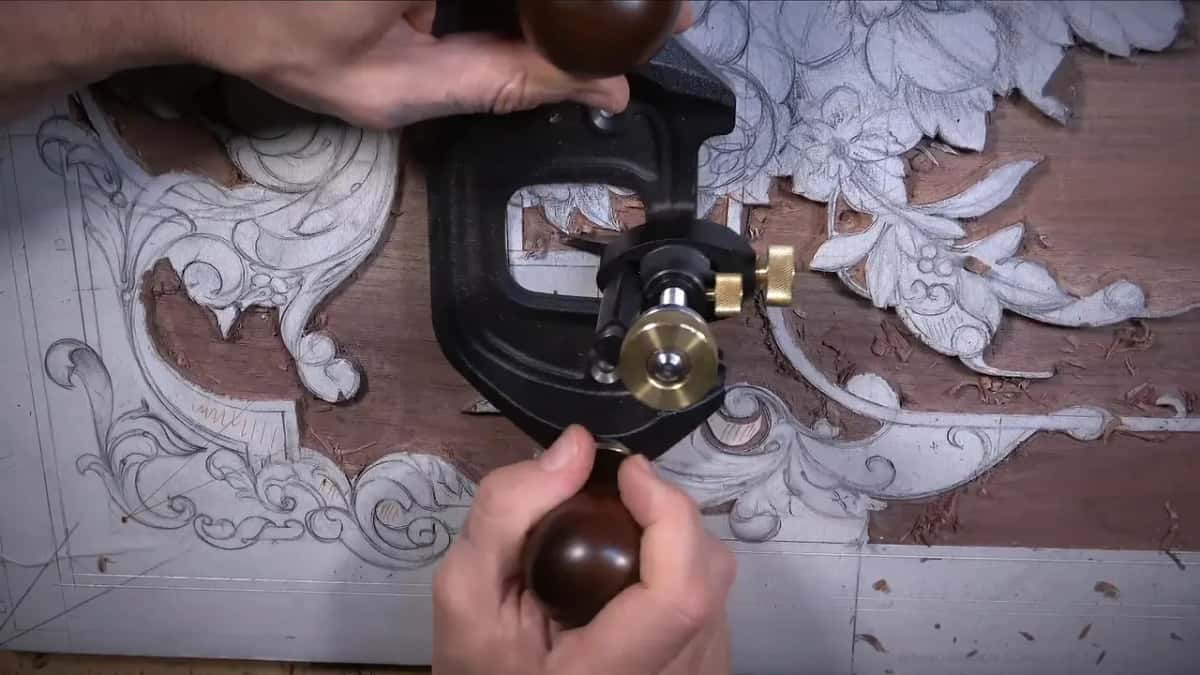
A router plane going across a big dark panel, the ornament primed grey and drawn in pencil.
Is cedar a good first carving wood?
Cedar carves sweet and then eats your fine detail. A student of mine, carving Alaskan yellow cedar one night, asked my opinion. Yellow cedar is great. Cedar wood is great. I just don't like the grain of it. It just distracts the eye. You can't do really tiny details because the grain.
Big shapes are another story. If you're doing huge details, cedar is one of the woods used to be used in the history, pretty much even when they built temple. Solomon built temple, and all inside before they gold leaf it, it was all done in cedar. That one came from Lebanon, and it is different cedar.
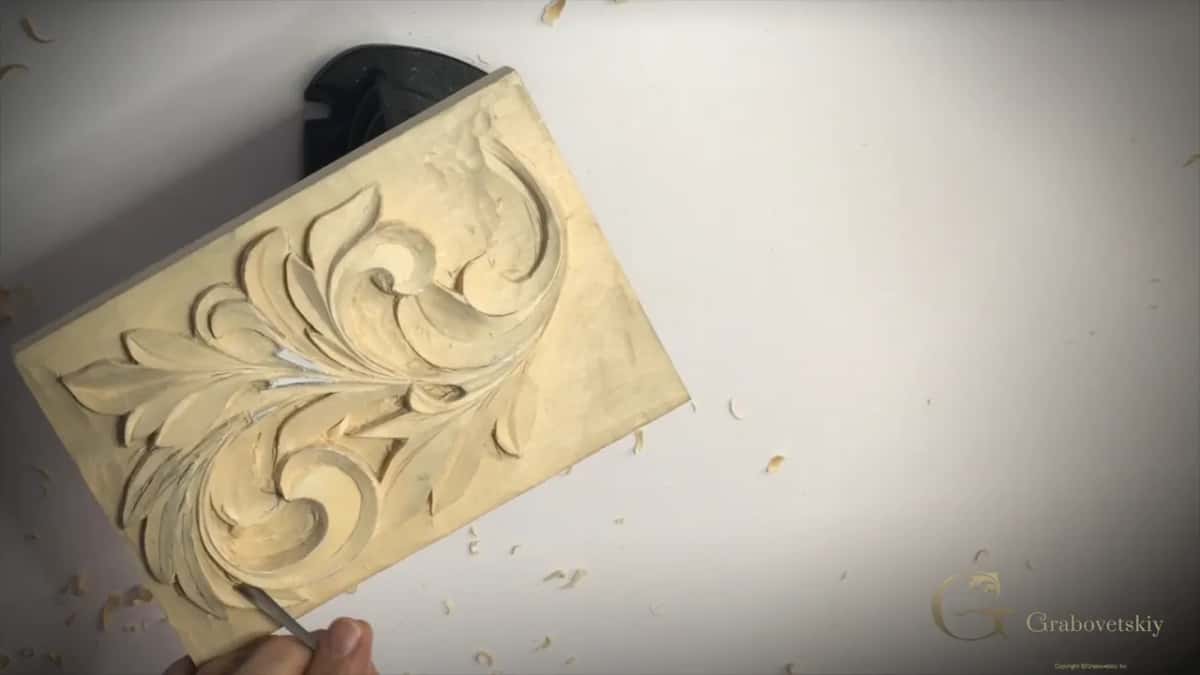
An acanthus scroll on a small pale panel, edges still crisp, white bench covered in chips.
So cedar is a scale question. My answer up there was about the yellow cedar, and I am carrying it across. Red cedar at 350 lbf, per the Wood Database, is softer than basswood and will still cost you the small stuff, because what you lose is not resistance. You lose legibility. Somebody carving a two foot corbel can ignore every word of this, and somebody carving a first leaf cannot. My longer piece is cedar as a carving wood.
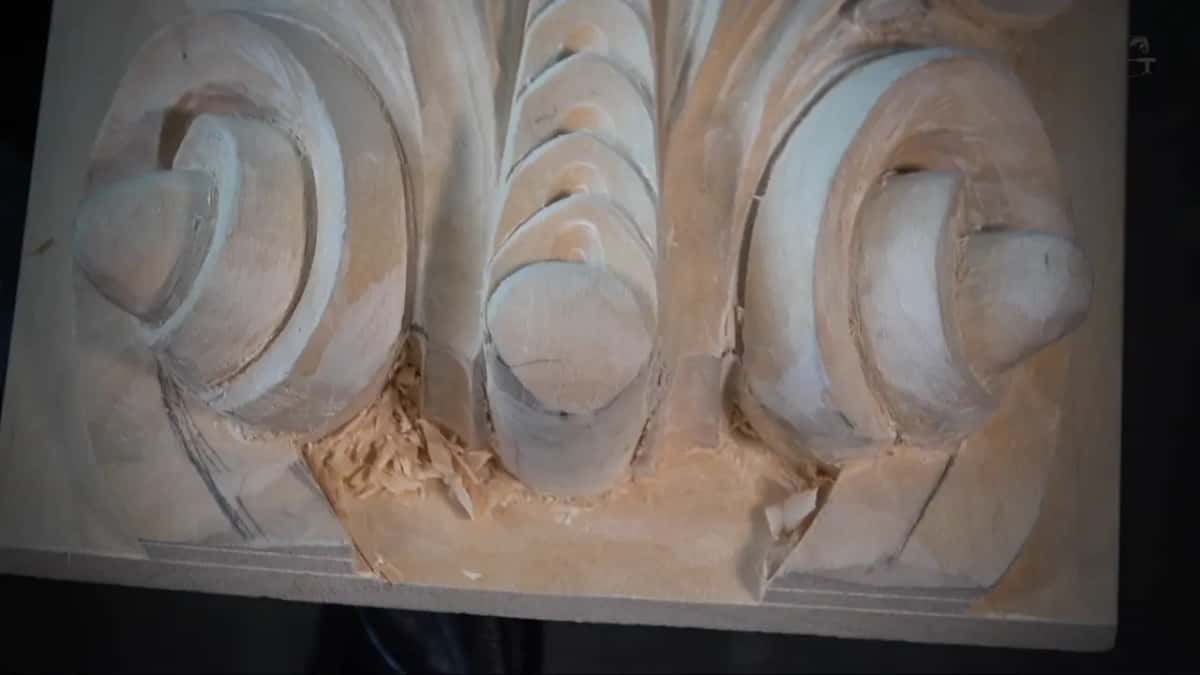
Loose chips piled in the hollow beside a rolled leaf, layout lines still on the ground.
Should you start on poplar because the big box store has it?
Please do not. Some people think if it is going to be paint, great, it is okay to use poplar. And I highly suggest not to use poplar. Okay, but it is going to be a little harder to carve. Maybe this is my own opinion, but it doesn't feel good when you carve that.
Maple gets the same answer from me, and for the same reason. I would not recommend to use poplar. I wouldn't recommend to use maple. They're both carvable. Use almost any wood, pretty much, but it will be difficult.
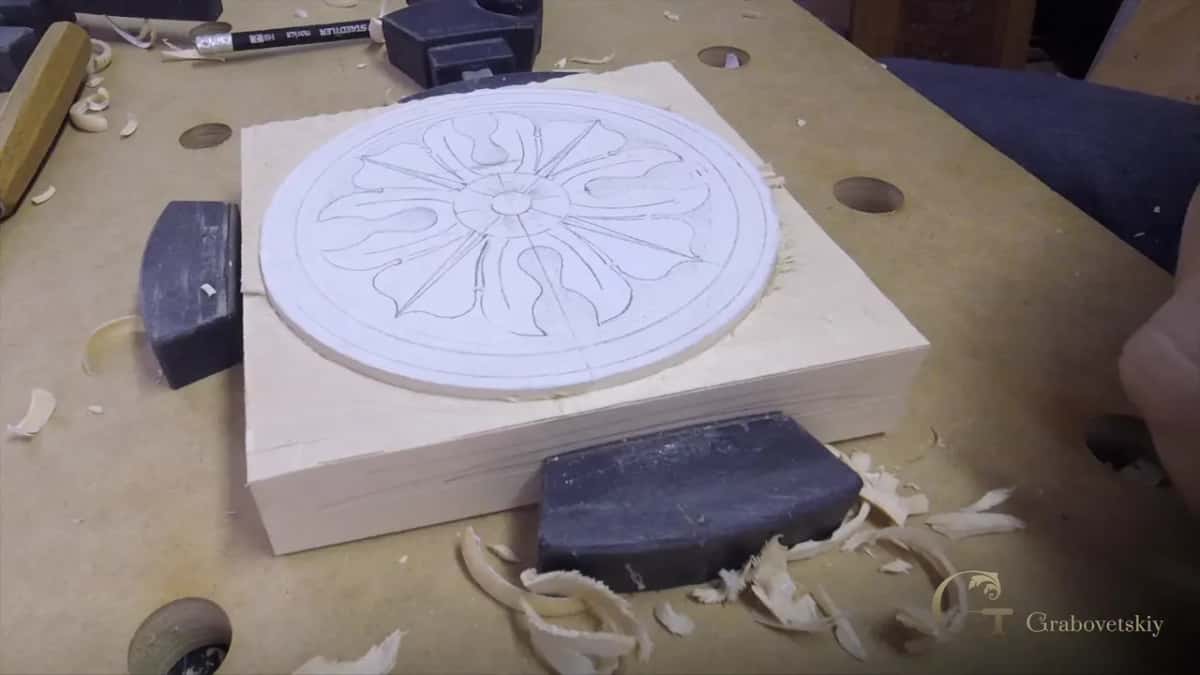
A rosette laid out in pencil on a thick pale block, mallet heads and shavings around it.
Figures again, and again not mine. Yellow poplar lands at 540 lbf, hard maple at 1,450, harder even than white oak at 1,350. Poplar is also a name two different genera answer to, sorted out in the Wood Database piece on poplar, cottonwood and aspen. Want the numbers game? Try what Janka hardness of wood means and what low density wood means.
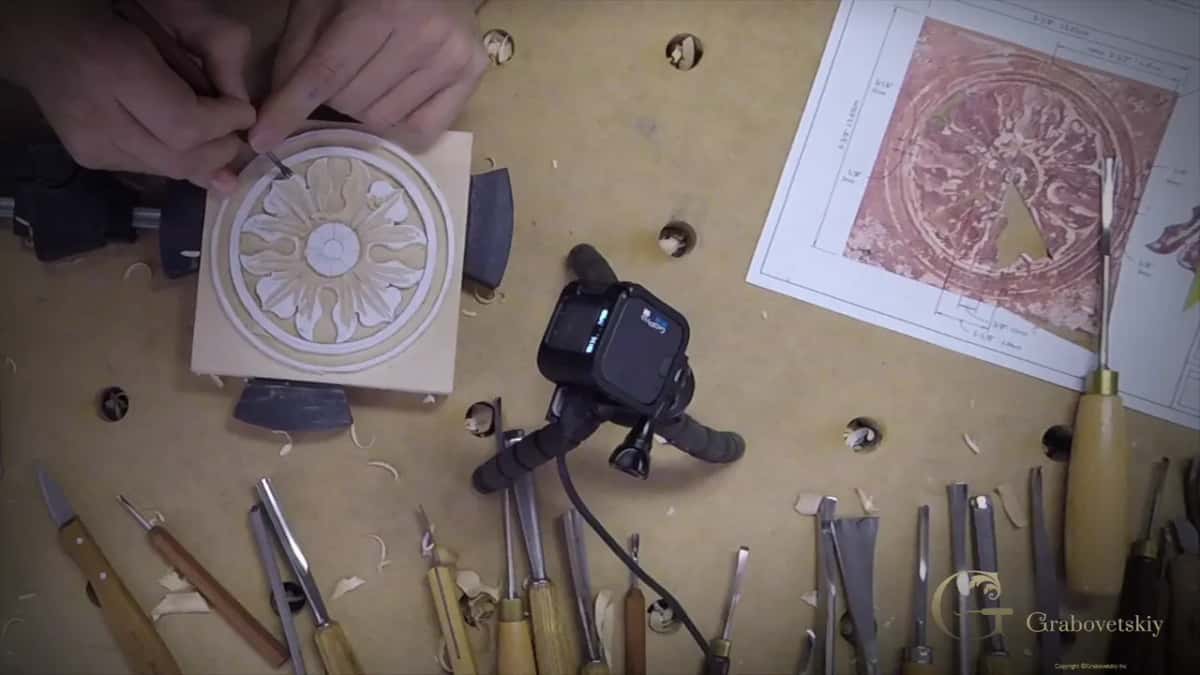
Straight down. A rosette on its square block, fifteen gouges and knives in a row below.
Which soft woods hold a fine detail and which do not?
Every wood in this table can be carved. The third column decides your first month, not the number in the second. My verdict sits last. Blank cells are the ones nobody here can honestly fill.
| Wood | Janka lbf, per the Wood Database | Grain you can see | Where it stands with me |
|---|---|---|---|
| American basswood | 410 | Almost none, and that is the entire point of the wood | First board, every time |
| European lime | 700 | Almost none | Same wood pretty much, another name, my favorite |
| Butternut | 490 | Pronounced stripes | A really great wood, and hard to get down south |
| Eastern white pine | 380 | Loud, many different movements in one board | Softer, and I still say no |
| Western red cedar | 350 | Strong and busy | Big shapes yes, fine detail no, carried over from my yellow cedar answer |
| Yellow poplar | 540 | Streaky, often green or grey | I highly suggest not to use it |
| Balsa | 67 | No verdict from me, so go read the source | |
| Sitka spruce | 510 | Never once in my lessons, so I am not the man to ask | |
| Black tupelo | 800 | Not mine to judge | |
| Black walnut | 1,010 | Rich and visible | Hardest thing on this list and I love carving it |
Run the numbers and the theory falls apart twice over. Balsa at 67 lbf, a Wood Database number, is six times softer, and it never comes up in one of my lessons. Walnut at 1,010 is far harder, and I love carving walnut.
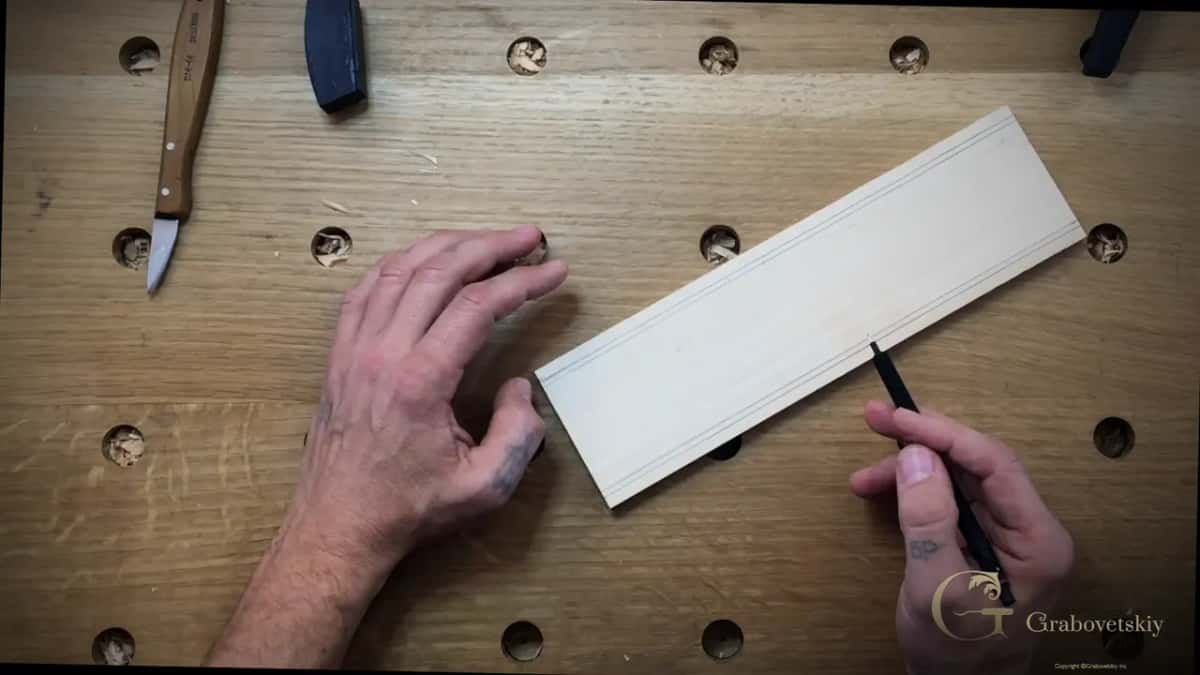
A pen drawing the border line along a pale board, because quiet wood takes a line and shows it.
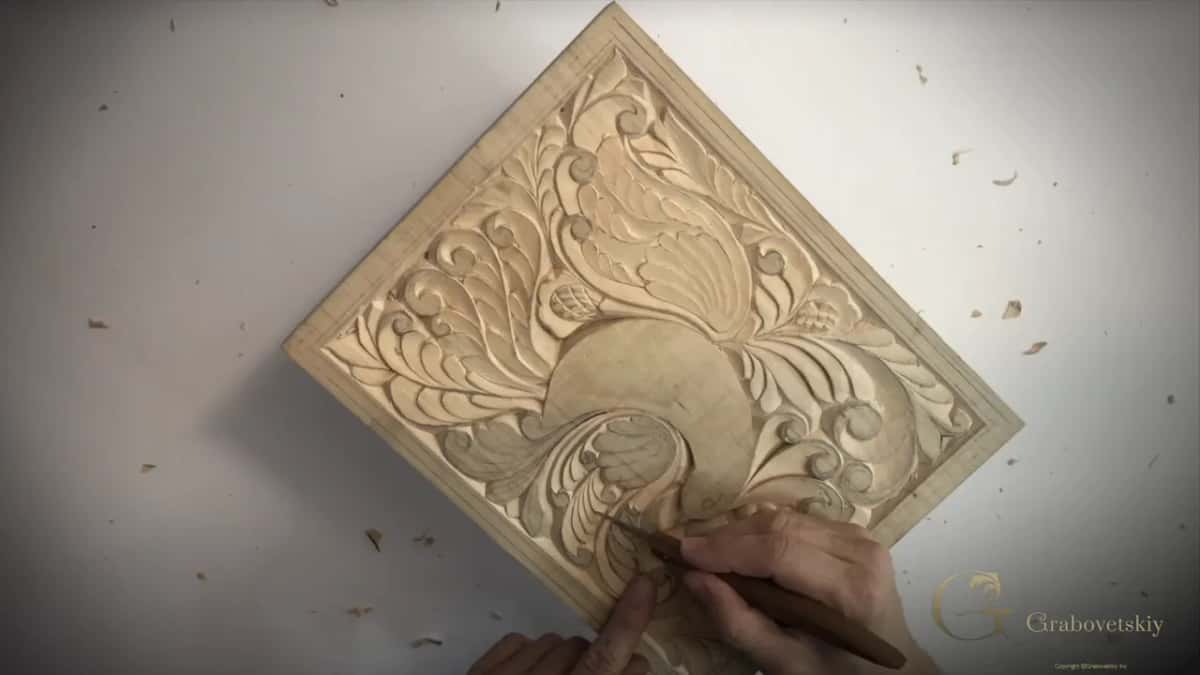
Overhead on a pale panel of leaves and scrolls, nearly complete, chips across the white bench.
Hardness decides how hard you push. Grain decides whether anybody can see what you carved. The store only ever mentions the first. At the other end of the shelf, read the woods that are hard to carve, or walnut for carving.
How do I choose my first practice board?
Five checks, and four of them happen before you pay a cent. None of this needs a shop. I have done lots of projects on the kitchen table, so a surface is all it takes.
Step 1, ask for basswood and accept every other name for it
You will need some type of wood. I suggest to use basswood. Ask for limewood in England, linden in Germany, lipa in Russia, and the same pale plank comes over the counter. Nobody should talk you into pine just because both words start with soft.
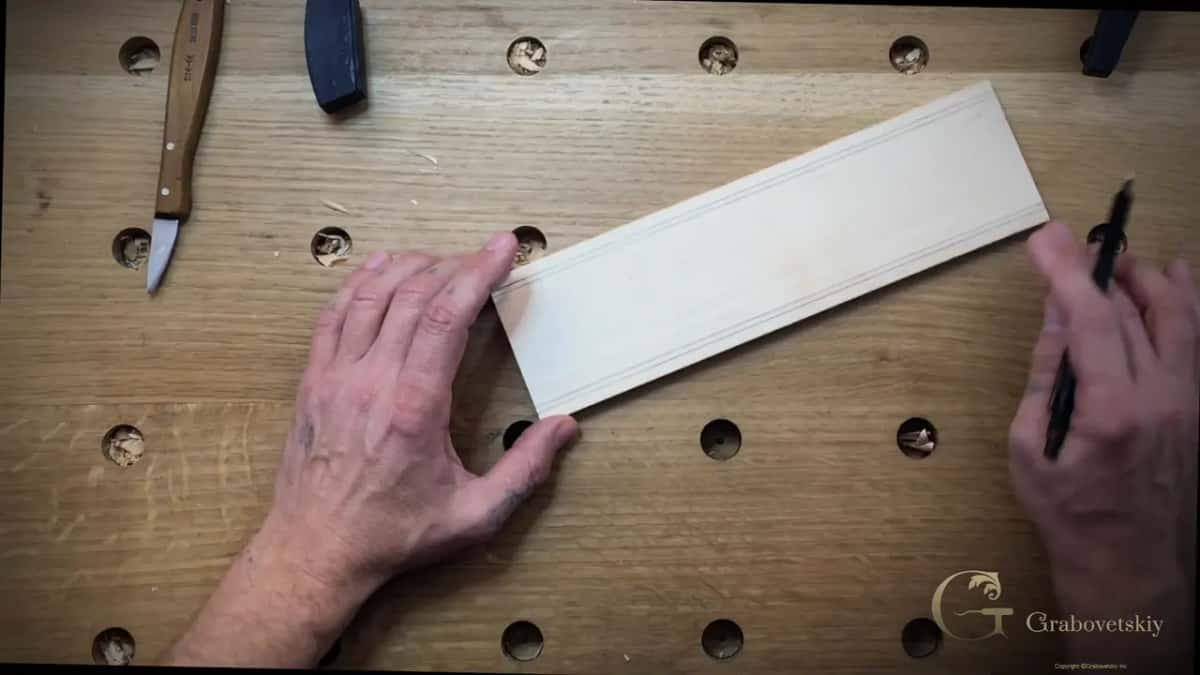
Top down. Two pencil border lines, a carving knife and a chisel lying above.
Step 2, read the end of the board before the face
So I look at the edge. Never close to the heart, if you wish. Closer to the bark side. A straight cut is dangerous too, since it will cup. My preference when I look at the cut, I look for a quarter sawn or rift cut.
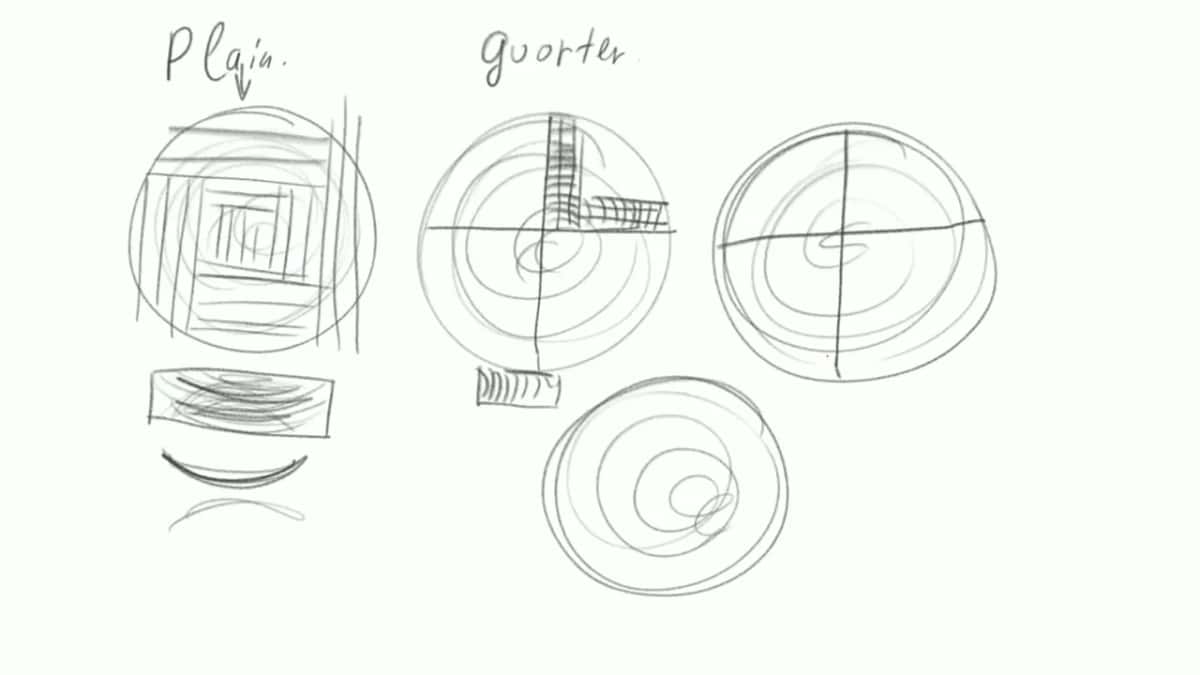
My own pencil sketch, not a photograph, showing four log cross sections hand labelled plain and quarter.
Step 3, hunt for grey streaks and walk away from knots
Some boards carry coloration from the earth, and you can see a lot of streaks or strikes inside, like grey lines in the wood. Mine comes from South Carolina and North Carolina, where those grey strikes almost never turn up. Knots are the other pass. Be really careful if you have situation like that. Those knots, they're not as friendly, and grain sometimes just changes direction. More at how to tell if a board is good for carving.
Step 4, buy it thick enough to stay flat
Thickness buys stability. The thicker piece you have, it is more stable, so it will not warp as much. Two inches of stock is more than you need. Whatever you have, about 20 millimeters, and that would be sufficient. My beginner practice piece runs about three quarter of an inch across and three eighths thick. Two more pages worth a look, whether thicker wood is better for carving, plus getting raw wood ready to carve.
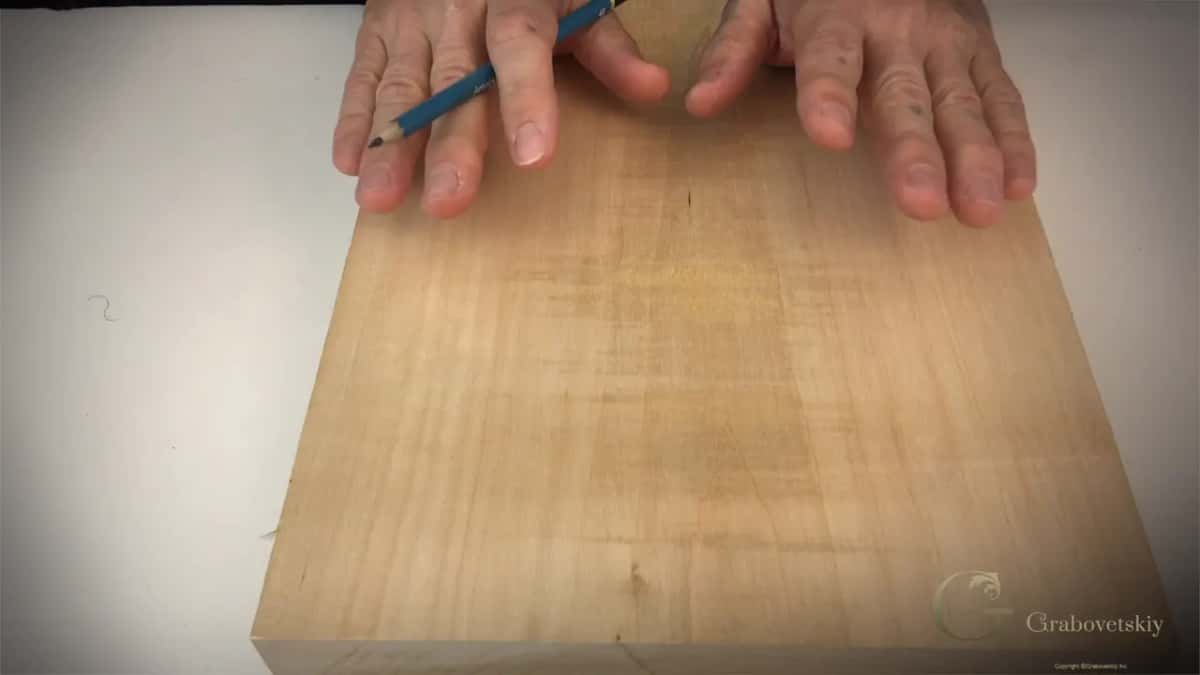
Board turned so its square edge faces you, a blue pencil laid across the face.
Step 5, put it on the kitchen table and carve something
You need some type of table. If you do not have a dedicated space in your house, if you do not have a workshop, you can just use your kitchen table. And I am going to use just a cheap carving knife for now. Soft wood, this one, and I am not afraid to use my knife. Carving in a corner of a room? Try carving without much space, plus what you actually need to carve wood.
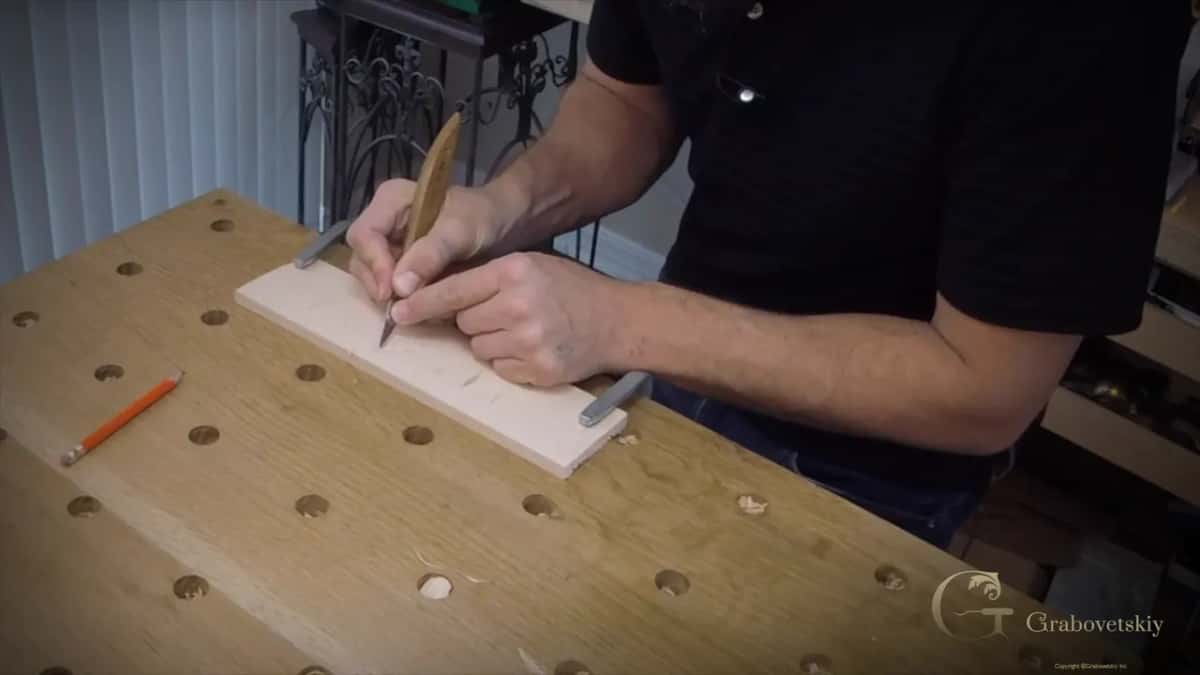
Over the shoulder. Small pale board clamped flat, knife in hand, one orange pencil beside it.
Grain direction is a whole subject of its own, and it bites on every species there is. I made that argument at carving in the direction of the grain. Wet stock is another, covered by how long wood takes to dry for carving and drying wood before carving.
Where do you buy basswood without buying a truckload?
Three doors, cheapest one first. Somebody on Instagram asked me whether I know a good supplier of basswood blanks. Yes, absolutely I do. It all depends where you are located.
Craft stores come first. A store called Michaels carries those planks in the United States, and Woodcraft has them too, though that route runs expensive.
Then a trick, or not a trick, but an idea of what you could do. Go on amazon.com, spot someone selling basswood planks, find out who is actually the guy selling, and contact him directly. Ask for the discount while you are at it.
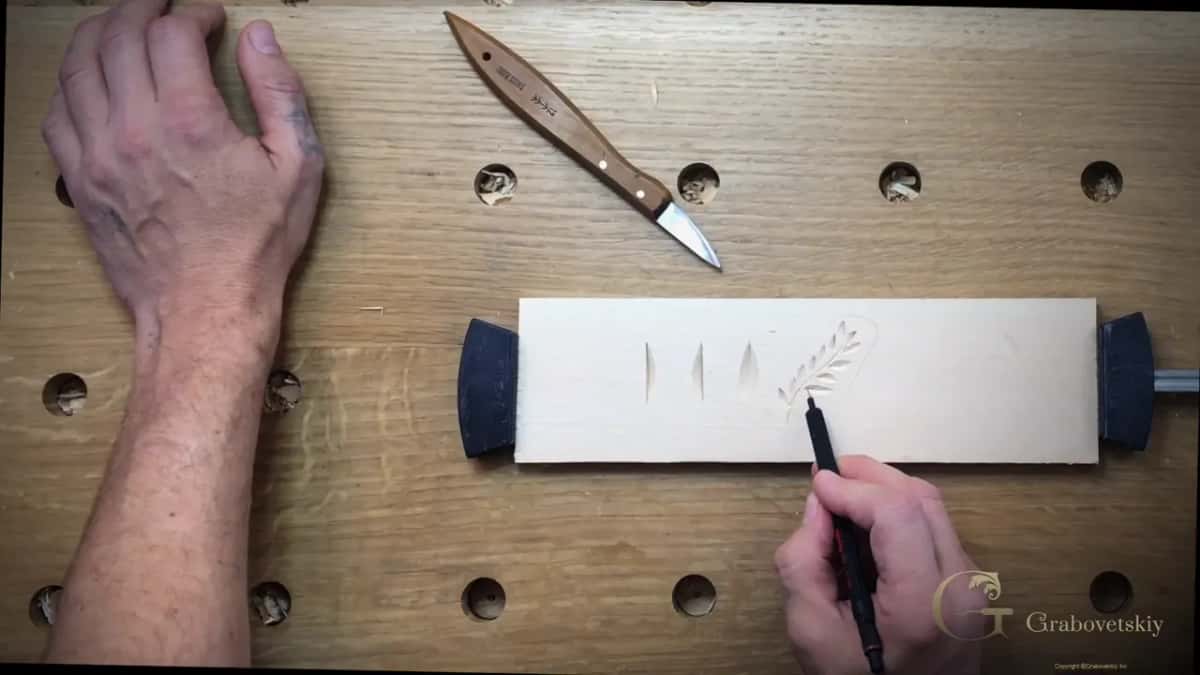
Straight down. Practice board held by two bench dogs, three simple nicks plus a finished sprig.
Door three is a local lumberyard, and listen closely, because this is where a Saturday gets wasted. I am not talking about Home Depot or Lowe's or Menards, no. Although in the United States or Canada, walk to the pro desk and ask whether they can get that basswood, which they usually can.
One word, two businesses. Head for the construction lumberyard and most of the time you come away empty. Unique wood, this one. You have to reach the lumberyard who's actually selling to the furniture makers.
Then comes the part nobody ever mentions to a beginner. They cannot sell just one board. They usually require minimum. In my case it used to be a minimum you have to buy on 300 dollars. Right now it is up to 500 dollars. That is a minimum spend on the whole order, never the price of one board.
My own comes by special order from a hardwood lumberyard near Orlando, one not open to the public. You have to be in business actually to buy from them. In Florida you really cannot find any basswood.
There's two types of dryness of a basswood and all other woods, a natural dryness, air dry, and kiln drying. Kiln dried moves a lot more, so I buy air dried and let it sit. Which connects to what wood shrinkage means.
Living outside North America rewrites this section, and Australia has the hardest version. Students of mine there cannot get basswood at all, and that has its own page, the Australia wood question.
A video of mine carries a title that will annoy the basswood faithful. Called "Basswood is like MDF for woodworker". Naming the title is all I do here.
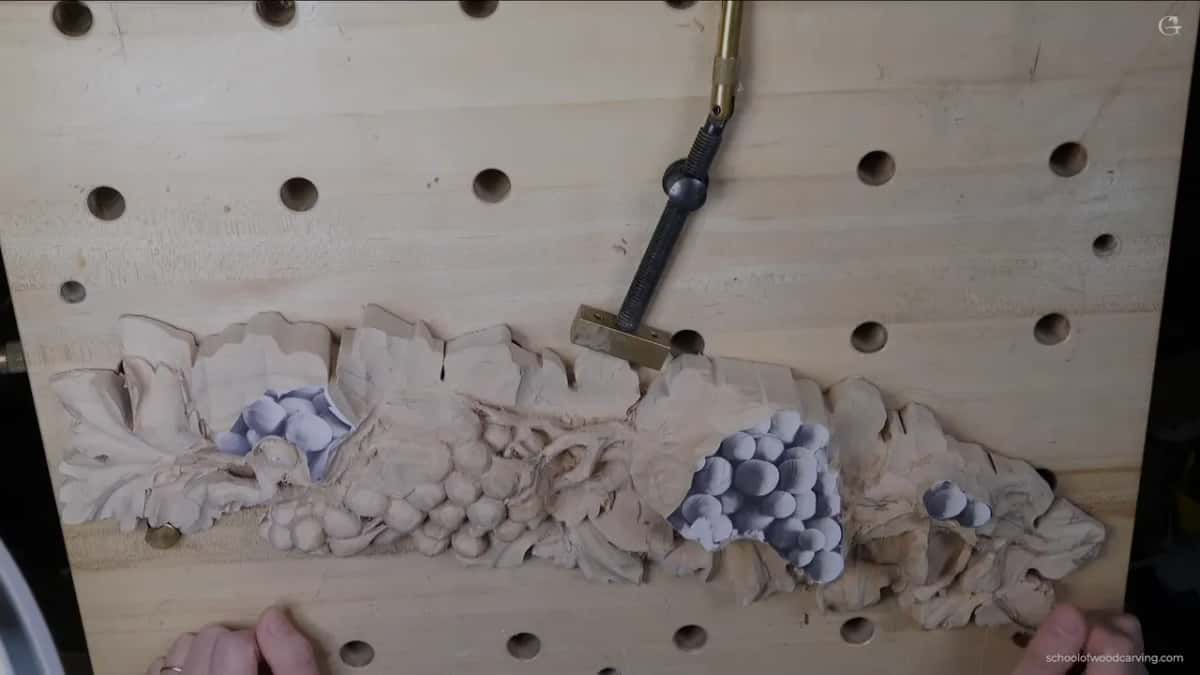
Grapes and leaves at the roughing stage under a brass clamp, paper patterns still glued on.
What is the second wood, once basswood stops teaching you?
Butternut, and then the hard stuff. So the butternut, it's beautiful wood. It's just hard to get in United States nowadays. If you're in Pennsylvania, Ohio, Indiana, you're still able to get that butternut. But in southern states it's almost impossible. I love it. I love butternut.
One flaw, though, and it is the same flaw as pine. The only thing I don't like about butternut, the grain. Working on really big movements, you just see too many stripes, and the butternut does have a pronounced grain, so that would not be too nice. But if it's not involving movements like that, a lot of details, butternut is a really great wood.
Notice what changed. Same complaint as pine and cedar, same word, grain, and this time about a wood I love.
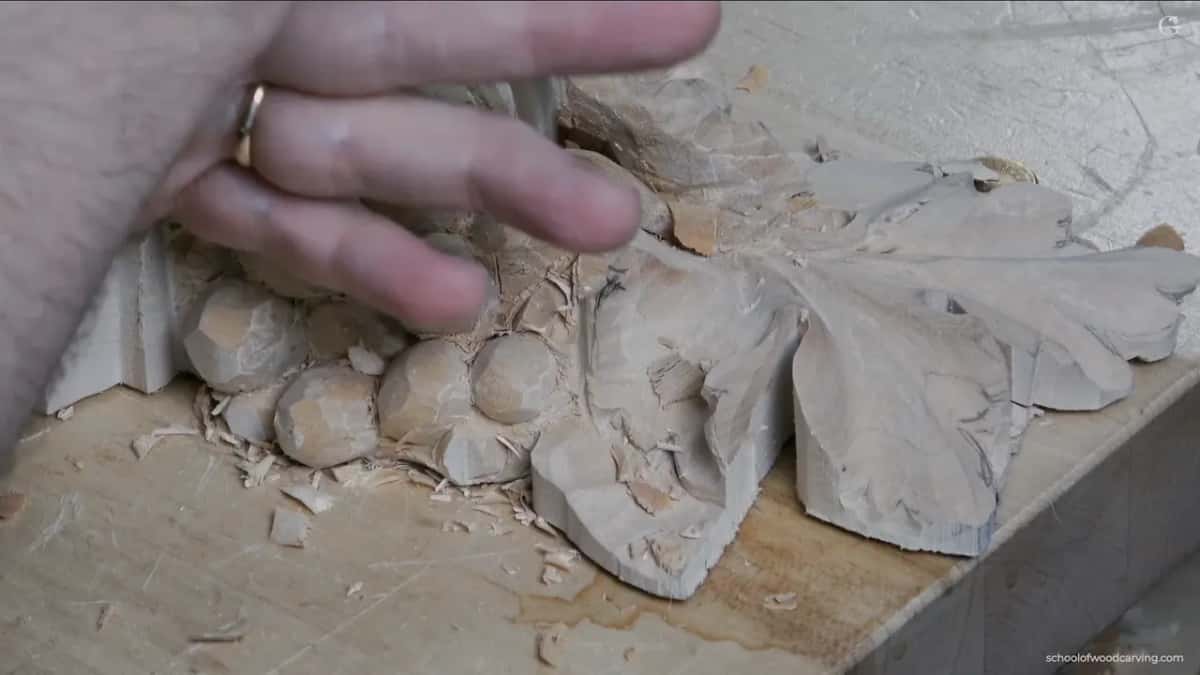
A grape cluster roughed into faceted balls, leaves blocked in, a pile of chips on the bench.
Where do I go after that? My favorite for carving is limewood, which is the best wood, or lipa as we call it in Russia. Preference number one. Second after that is walnut, and I really love walnut. Cherry too, and English brown oak, which just carves beautifully under a gouge.
Somebody asked whether I change the designs depending on the species. Yes, absolutely I do. I have to understand the property of the wood I'm carving. Lime wood is not the same as the harder ones, oak, walnut, mahogany, birch even. Birch is not that hard, just different. Why I like this one, I can pretty much design anything with the basswood.
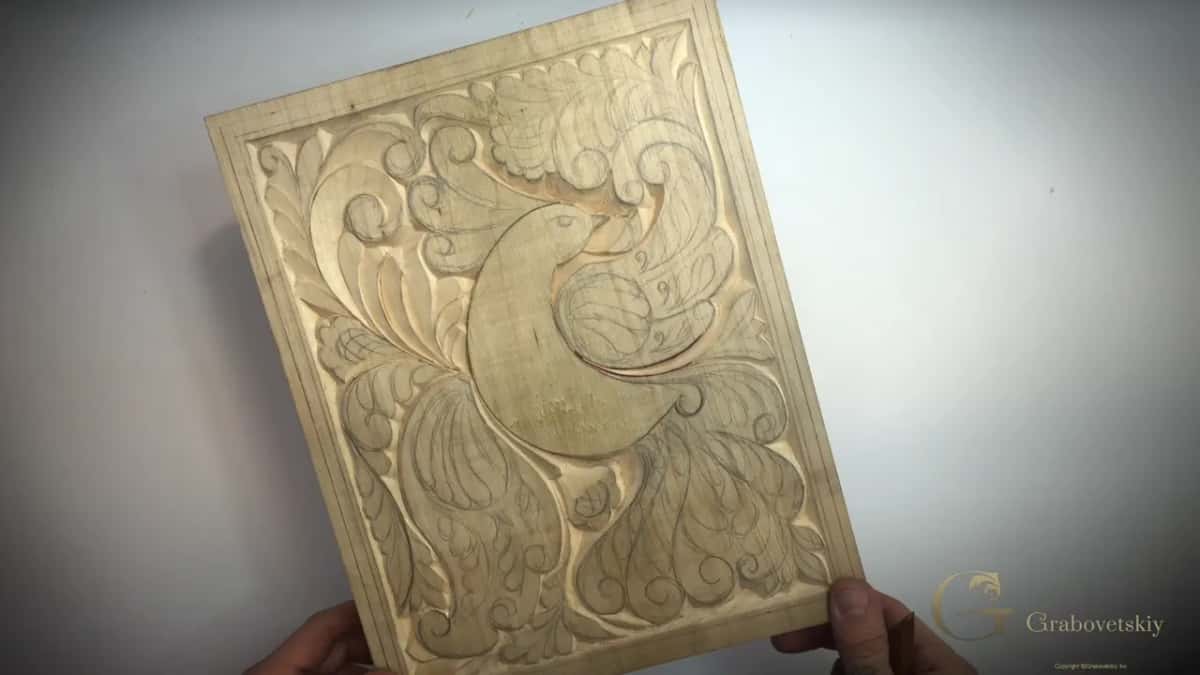
A pale panel lifted in both hands, the bird carved on one half and still pencil on the other.
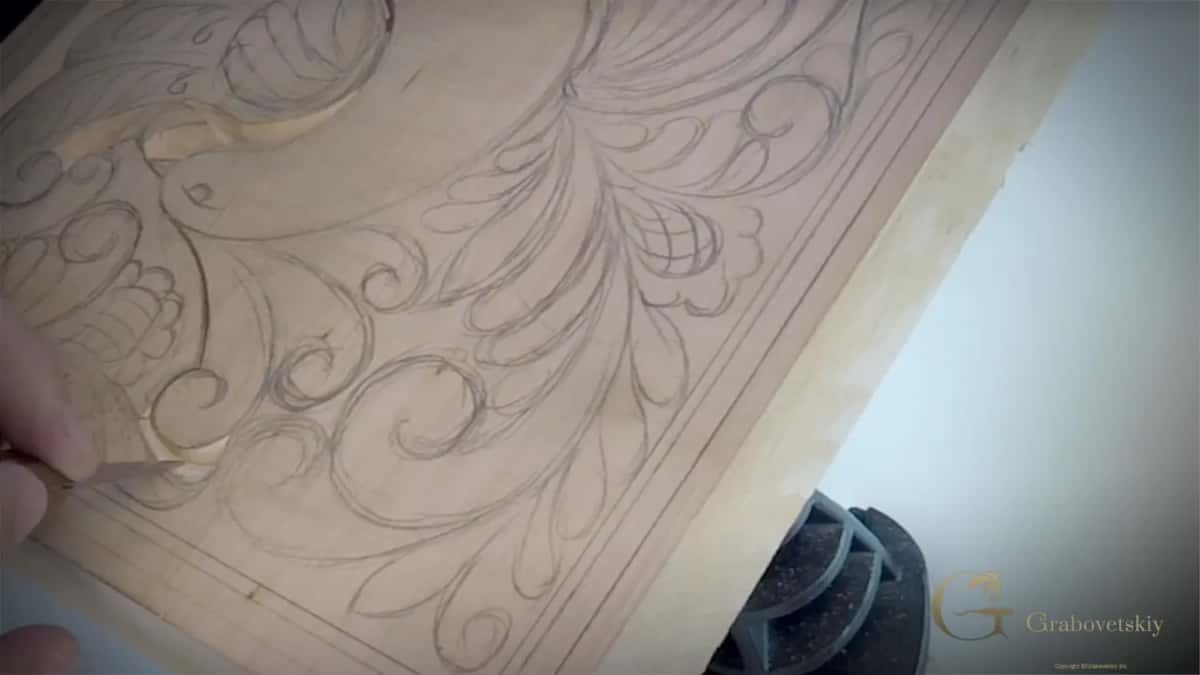
A full pencil design on a pale board, with only the first leaf tip carved away so far.
The last thing basswood gives a beginner is room to be wrong. With limewood or basswood there is no limit what you can do with that. Almost no limit. Of course there is a limit, but I shouldn't say that. Almost no limit. This material is soft enough, but still stable.
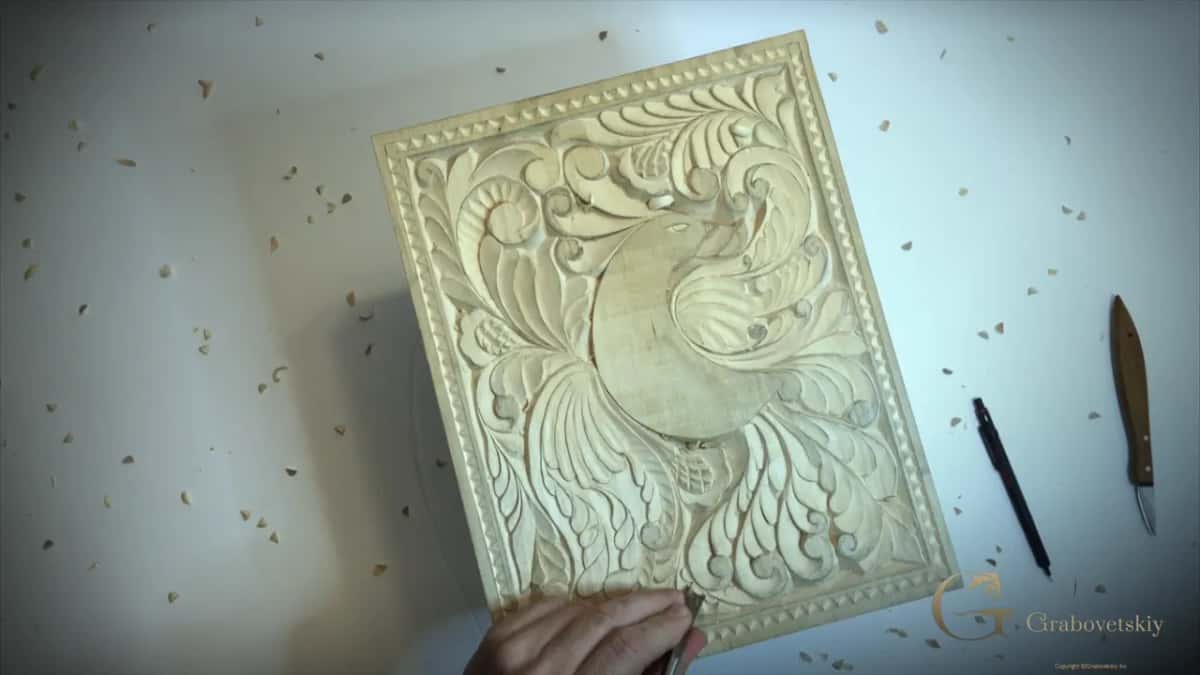
The finished panel. A bird among leaves inside a beaded border, still bare pale wood.
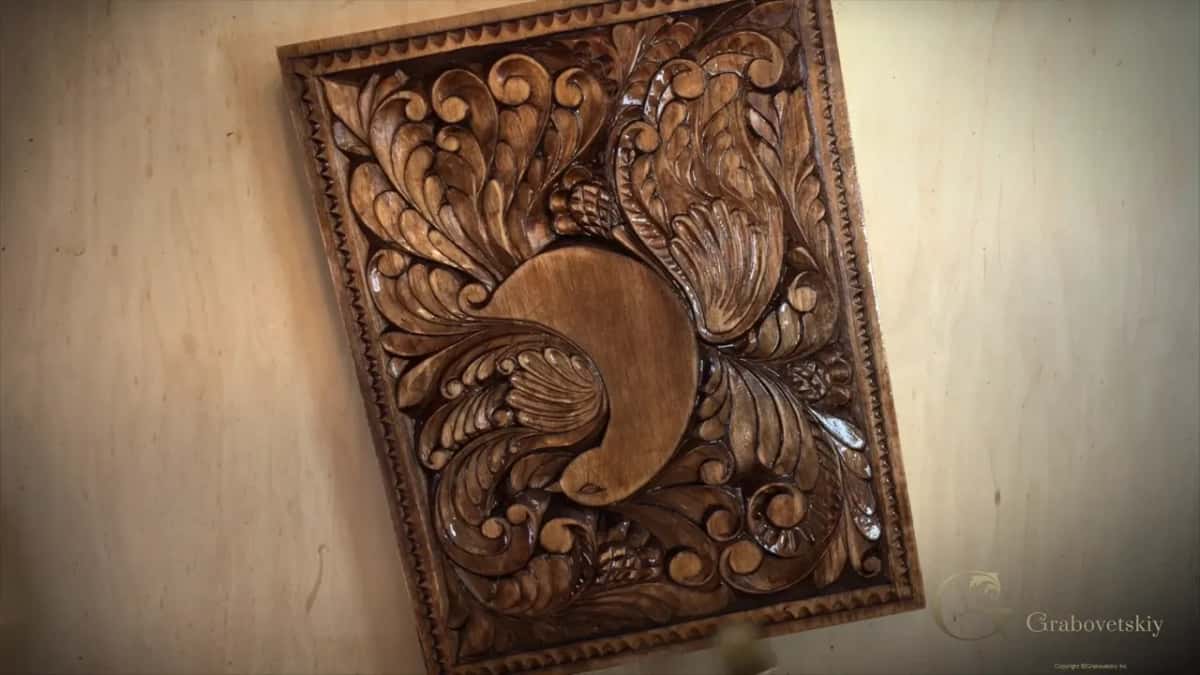
That same panel after a dark brown finish, because pale wood stays pale only while you want it.
Common beginner errors are gathered at the mistakes beginners make, and the full kit question at the beginner materials list.
Do you want to stop guessing at the lumber rack and carve that pale board? The first carvings I give a brand new student sit in the First Cuts for Beginners course, and the wood questions students really ask me live in the Techniques, Tips and Tricks course. Shall we carve?
Frequently asked questions
Is basswood a softwood or a hardwood?
Both labels get used, and I have used both myself. Botanists group it with the broadleaf trees, so the trade files it as a hardwood. Carvers call it soft because a gouge goes through easily, while old European workshops saved the word soft for pine.
Will a soft board save my gouges from going dull?
Sadly not. People tell each other that a soft board keeps an edge, and my own tools go blunt on basswood, sometimes really quickly. Learn to strop from your first week. An offcut of that same pale wood, rubbed along the steel, takes the burr off.
Can I practice on a two-by-four from the home center?
Carving one is possible, and you will not enjoy it. Stripes in construction pine pull your eye off the shape, and that is my whole objection to the board. Needing a scrap block to steady a sharpening jig, I said I would rather use oak or maple.
How thick should my first practice board be?
Thicker stays flatter. Two inches of stock is more than early work needs, and 20 millimeters is plenty. The practice piece in my beginner lessons runs about three quarter of an inch across and roughly three eighths thick. Nothing about those figures is sacred.
What about balsa, spruce or tupelo for a first project?
Those three have never come up in a single one of my lessons, so ranking them would be pretending. Balsa measures 67 lbf and tupelo 800 lbf on the Wood Database tables, which shows how little that number decides. Follow the links above and judge for yourself.
Why does a grain I can barely see help a beginner so much?
Your eye reads shadow. On a loud board the stripes throw shadows of their own, and a shallow leaf vanishes into them. Pale, quiet wood shows every high spot and hollow you make, so you catch your mistake the same day.
Filed under
- advantages of basswood
- affordable wood types for carving
- basswood for wood carving
- basswood vs pine for carving
- beginner’s guide to wood carving
- beginner wood carving projects
- best softwoods for carving
- best wood for beginners wood carving
- carving basswood pros and cons
- easy softwoods for carving
- finding basswood for wood carving
- how to choose wood for carving
- painting basswood projects
- smooth wood for beginners
- tips for easy wood carving
- tools for carving basswood
- Understanding Wood for Carving
- where to buy carving wood
- wood carving safety tips
- wood carving techniques for beginners
- wood carving tips for newbies