

Alexander Grabovetskiy, woodcarver, School of Woodcarving · Published 2021
How do wood carvers find clients who pay?
Quick answer: Finding carving clients who pay is, for me, a matter of where you fish. On a February 2021 live stream I said I go after big clients like big architects, look for them in any country instead of one local spot, and keep a minimum charge so small repair jobs stay away.
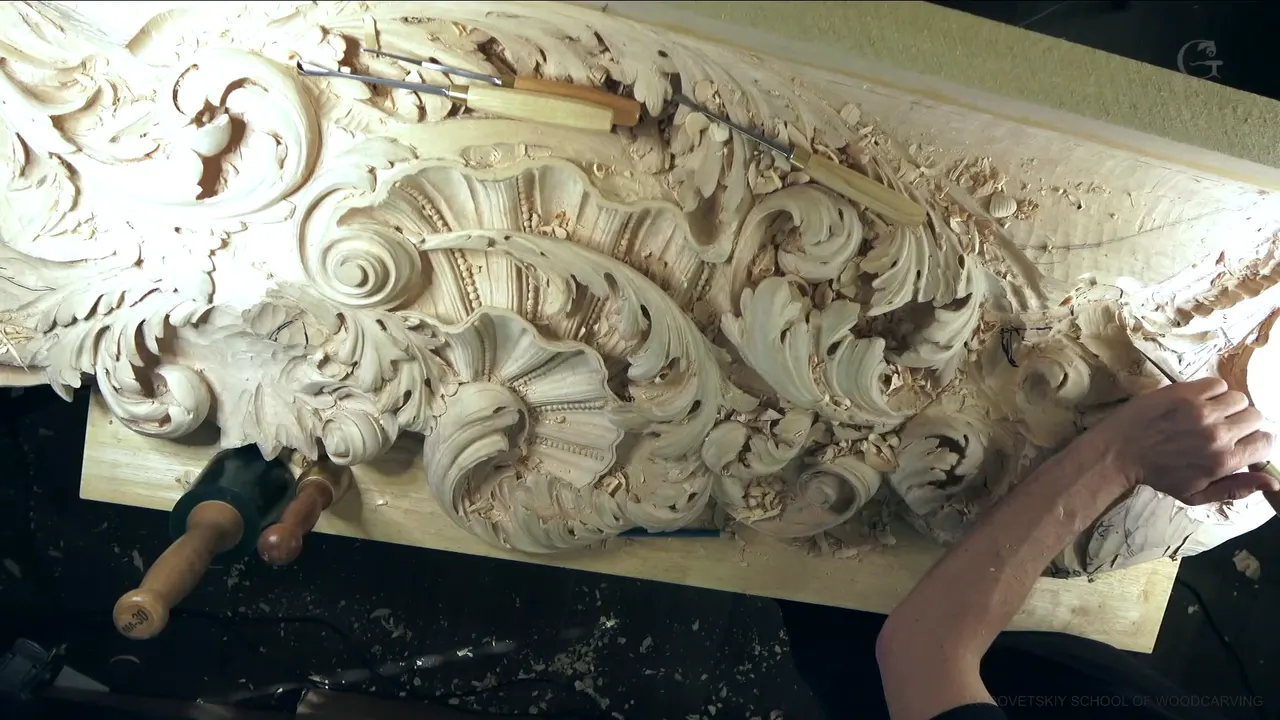
Wood carving commissions that pay come, in my experience, from big clients like big architects, found anywhere in the world, while a minimum charge keeps the small jobs off my bench. That is what I told the people who had emailed me before a live stream in February 2021. Some were carvers. One sits behind a computer all day and wants out. Quite surprisingly, I said, a lot of people in the world would like to get into wood carving as a business.
Would you like the hours at your bench to pay you back one day? Would it help to hear where my own paying work comes from? Then start with the two questions I put to everyone that morning: is this a hobby for you or a job, and who are your clients?
I get emails like these every day, from architects and from people with one small piece to fix. Below are the answers I gave on the stream, and you will not find a single dollar figure among them. The other three parts of that lesson, shorter ones, were about tools, which makers I like and what a beginner should buy first.
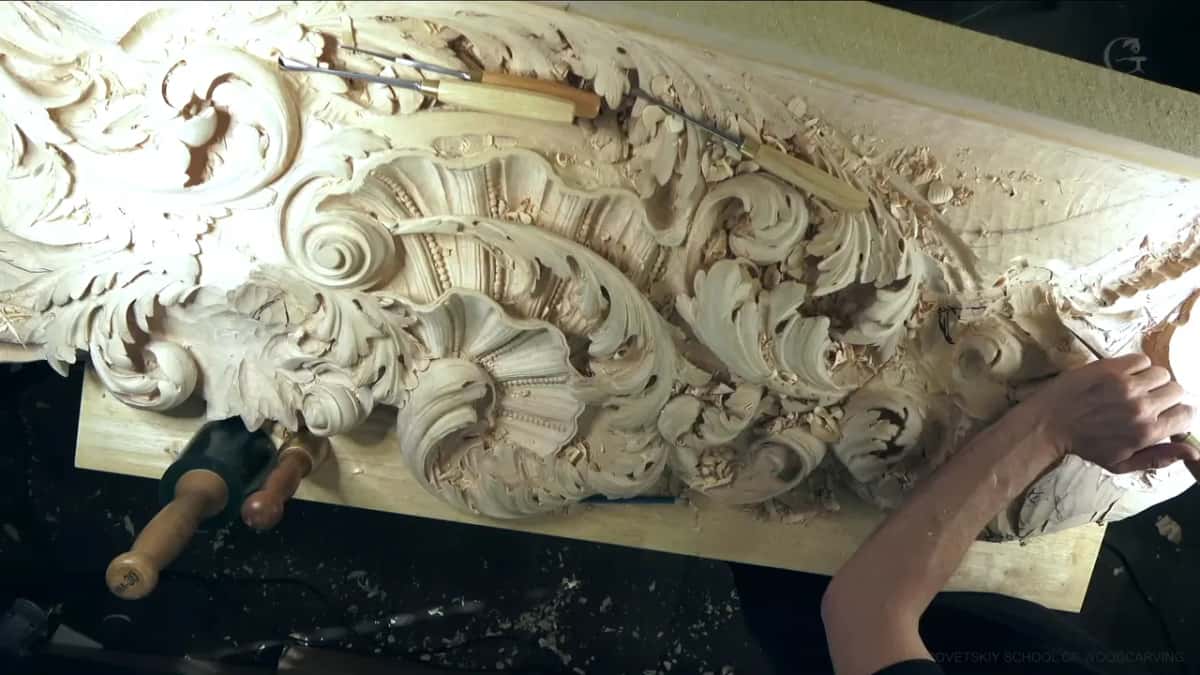
My answers to the carvers who wrote in
Decide first whether carving is your hobby or your job.
A broken piece of a sofa is a small fish, and repairs on antiques, I said, won't pay you a lot.
I go after big clients.
Moving overseas changes nothing.
A minimum charge separates the big fish from the tiny ones.
My price went up, and so did the work, with people waiting in line for years.
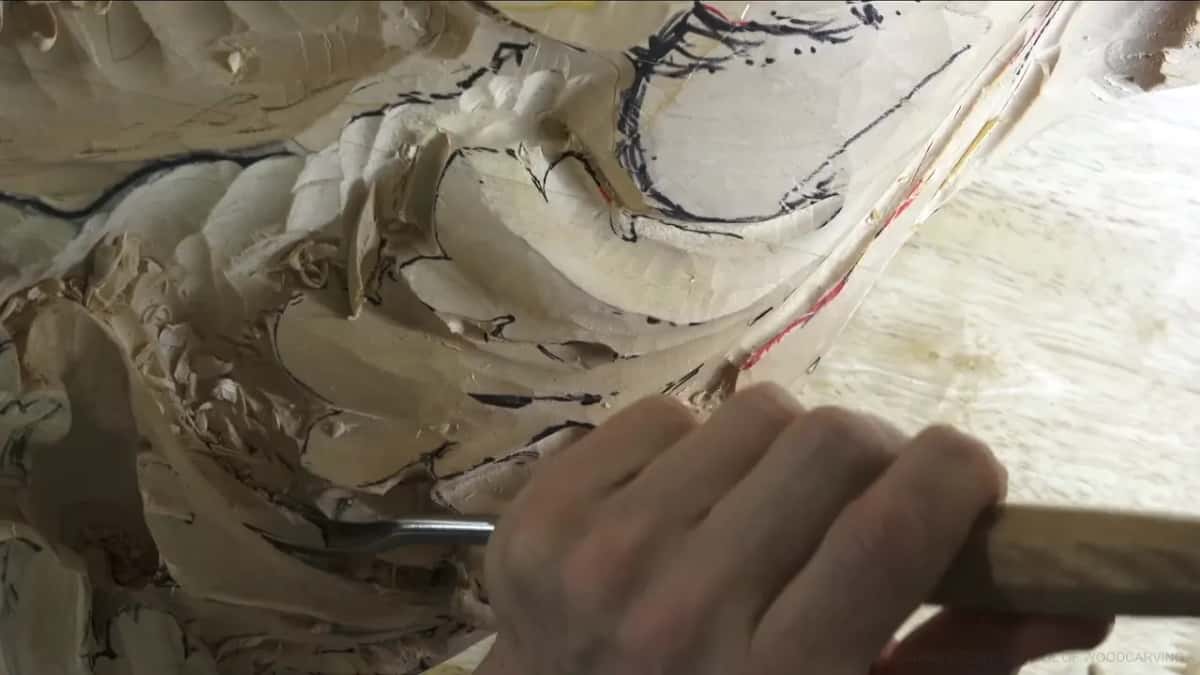
Where do wood carving commissions that pay come from?
Big clients, in my case, and I named them on the stream: the big architects. To explain why, I gave them a saying about fishing. Go after small tiny fish and a whole bucket of them takes you a long, long time, so you spend all day long and get just a few. Go to the ocean after a big whale, a huge fish, and maybe in an hour you have it, with a few buckets to fill. If you are a fisherman, I said, you understand what I'm talking about.
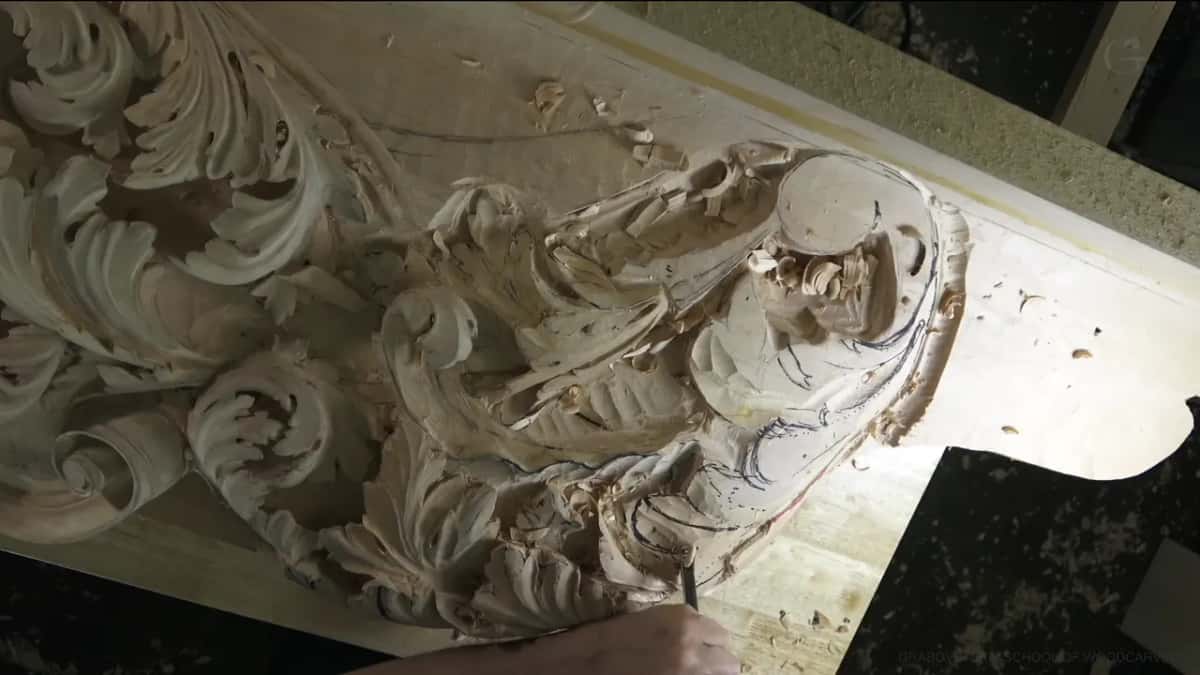
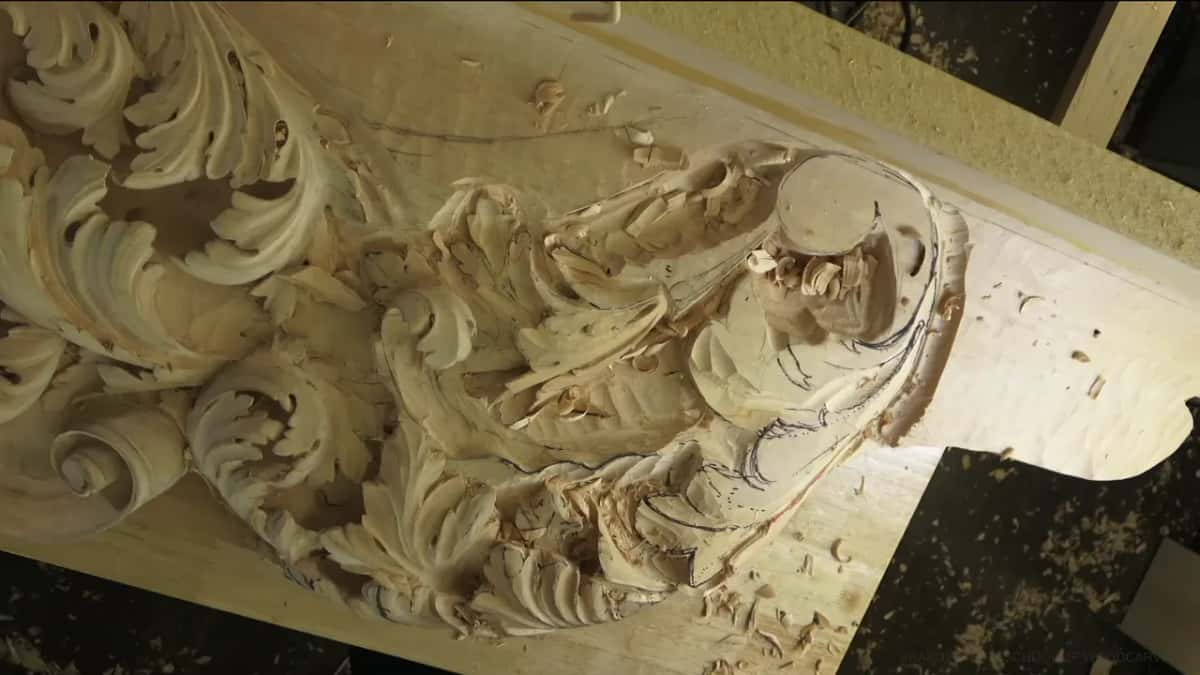
So the clients you work with, I said, are supposed to be whales. Go for the big fish. Every day I get emails, some from architects and some from individuals asking me for a price. The piece on my bench that morning was just one part of a big project, and I still had a lot of work to do on it.
One of my favorite carvers in history is Tilman Riemenschneider. He carved in Germany in the 15th century, before the Reformation, and I said he made a good fortune just carving for churches. Go today to the old churches in Germany from before the Reformation and you see some absolutely gorgeous carvings. His story, I told the chat, connects to the point of that stream.
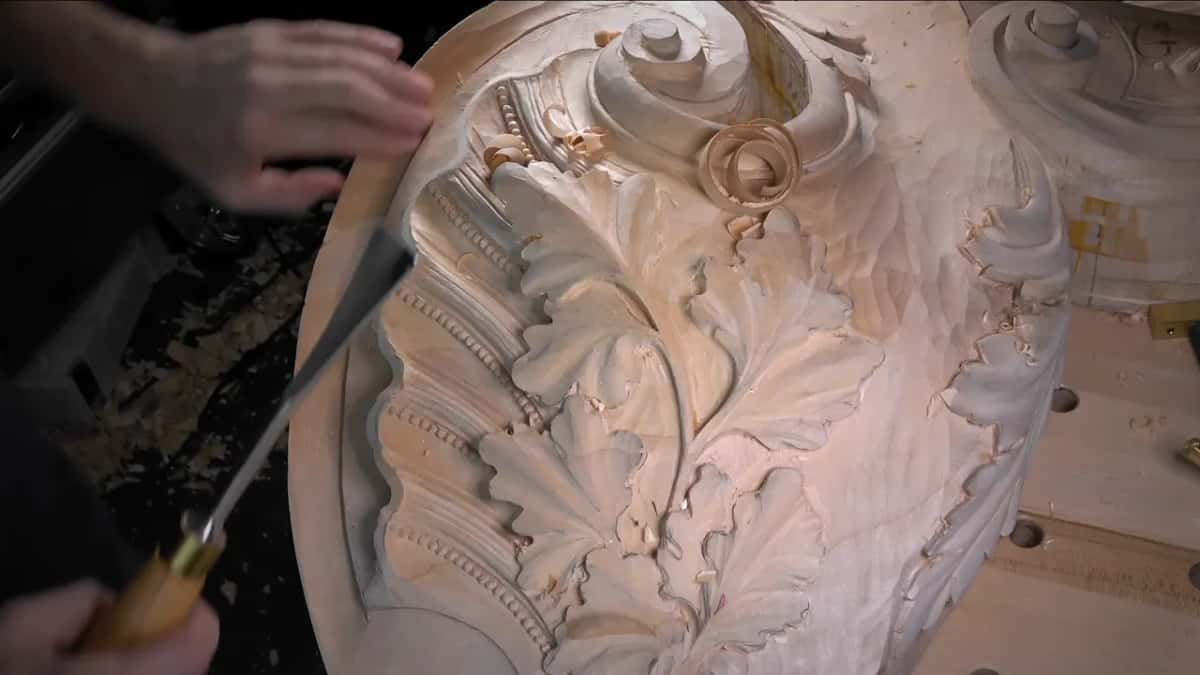
Should you decide if carving is a hobby or a job first?
I called it question number one. About a year before, I had made a video on how much a carver should charge for the labor, and emails about it kept coming. There is a big difference, I said, between a hobby carver and a professional one. A lot of you carve for fun and are not making any money from it. A professional has to think about how he is going to put the bread and butter on the table.
People do not realize what it takes. I have carved pretty much all my life, and still a few projects I really underestimated almost got me in trouble.
One email last week came from a carver in Atlanta, Georgia, a really excellent one who has carved for some famous people. He had a project to estimate and wanted to make sure he did not underestimate it. That makes sense, I said.
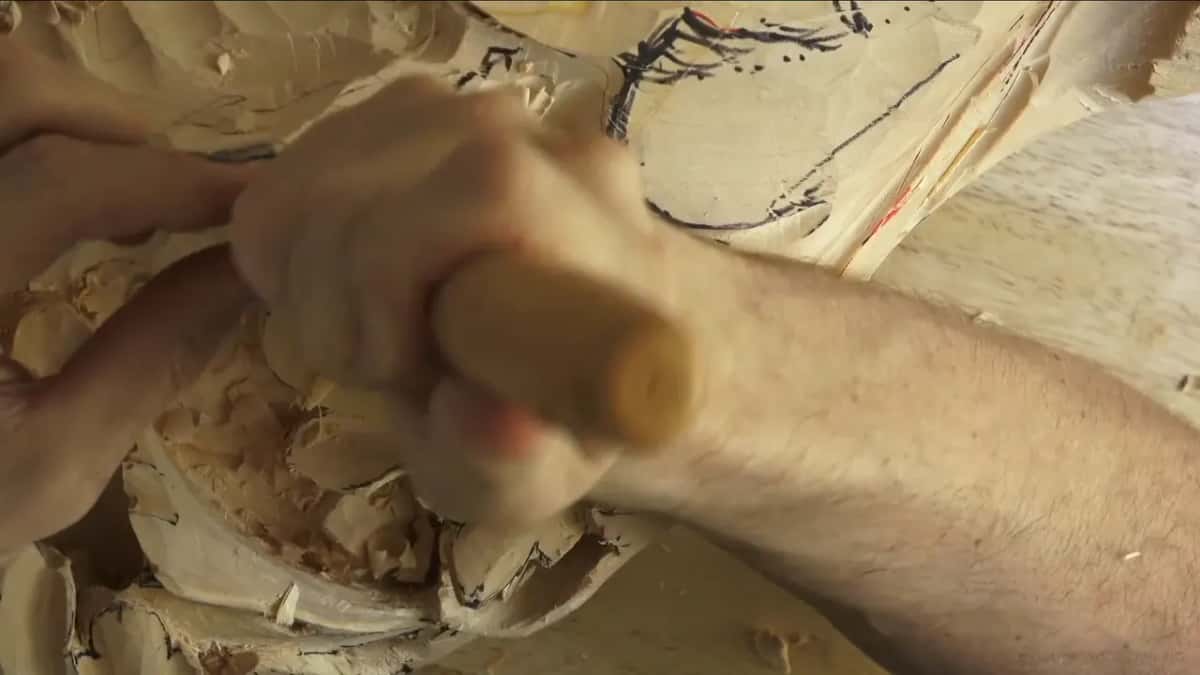
Why do small repair jobs pay a carver so little?
A few of the emails are about a sofa with a small piece broken off. The writer is glad I'll carve it, and happy he found me. But nobody asked whether I want to take that project. If I take it, I still have to carve it and invest my time.
I email them back and say that getting that little thing carved and put back on the sofa costs a lot more. They can probably buy multiple sofas for what I would charge, because I have a minimum charge. If your clients are people trying to repair antiques, I said, you are not going to make a lot. That is just the honest truth.
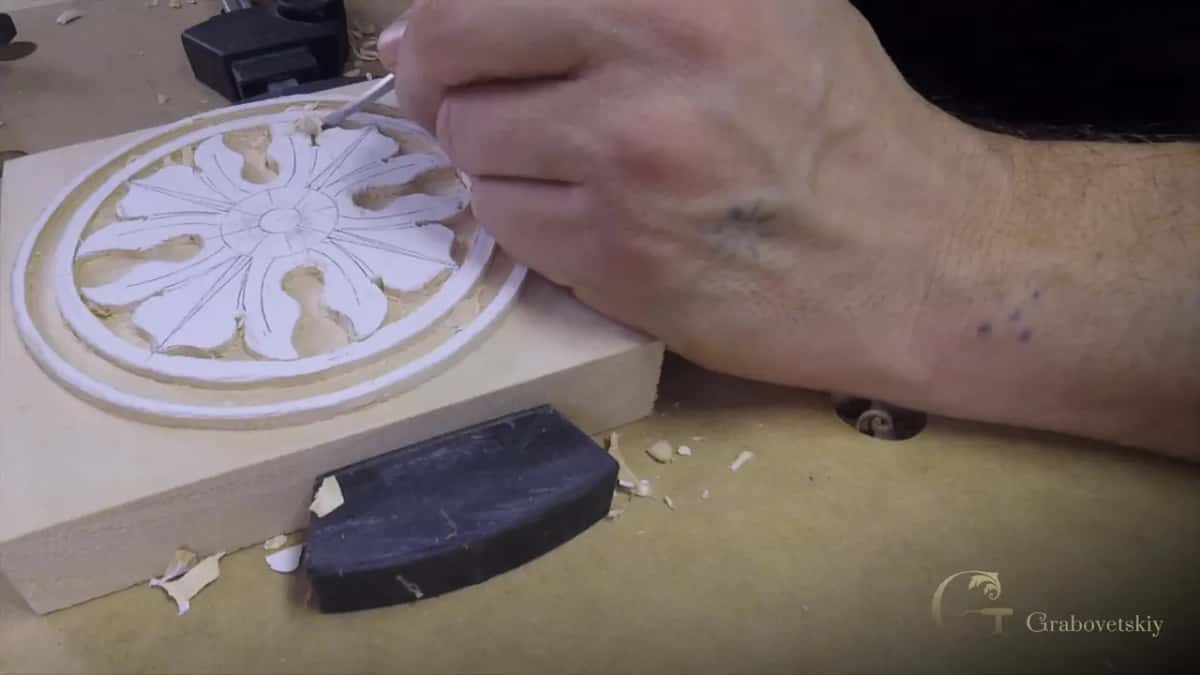
Do you have to move to America to find carving work?
Moving or staying makes no difference, I said on the stream about a carver who wrote from Belarus. In his email he said he still lives there and sits behind a computer all day long. That had become really stressful, he wrote, and he wanted to carve full time. He knows it is not easy to find carving projects in Belarus.
I live in the United States and carve real projects for my bread and butter. So I think he got an impression. Move to the United States, he thought, apply for a job as a carver, and people will pay you better than a software engineer.
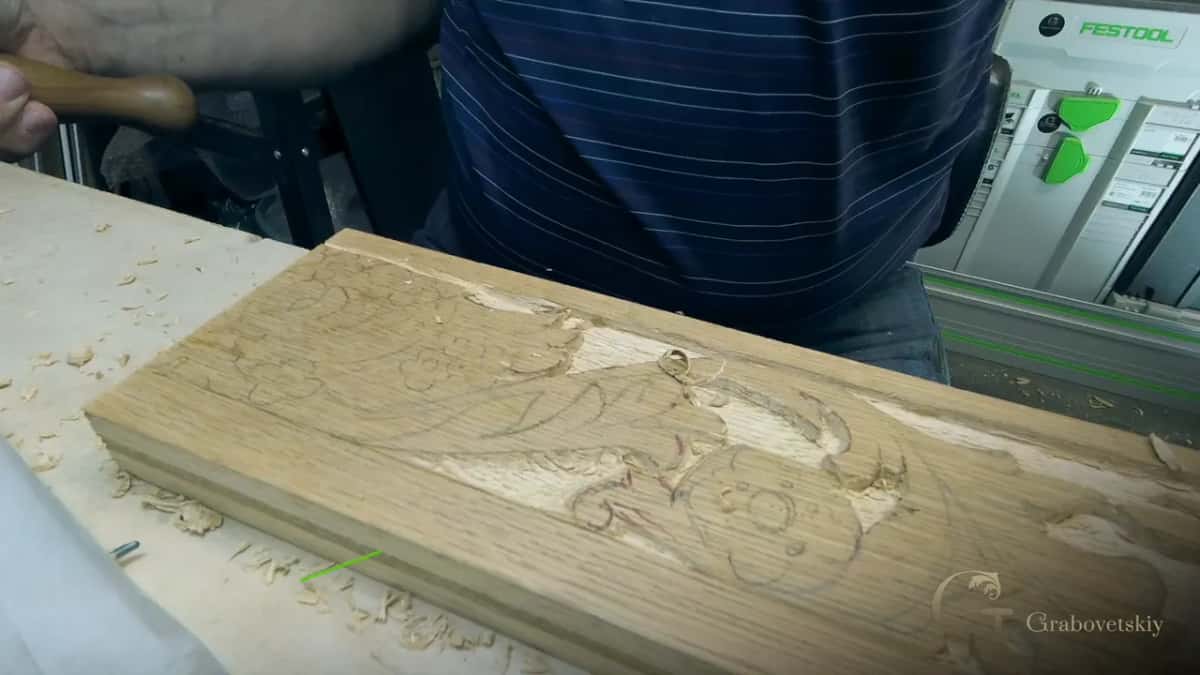
My answer on the stream was that it has nothing to do with moving to the United States or staying where you are. Clients can come from any country. If your brain is set on one local spot only, I said, you won't make much.
Even in England there are a few carvers, but people there just don't pay enough for carving, and they don't really see the value of it. A professional carver I know in Germany can't get paid in Germany. Go to the ocean, I said, not to the local swamp. Look for clients all over the world. Mine come from all around it.
How does a minimum charge sort out the clients?
For me it is step number one, no matter how small the part. If you are looking for a cheap carver and you found my channel, emailing me is probably not a good idea. I will not ignore you, though, and I'll email you back to tell you honestly that I have a minimum charge.
If the client is willing to invest, I take the project, and it doesn't matter if it is going to take me a day. I still charge the minimum. That way I can separate the big fish from the small tiny fish. I don't need a full bucket of minnows. Someone in the chat called carving a highly technical art, with only a few people left who can turn out work of high quality, and I agreed. You really have to understand a lot.
It is better, I said, not to pile up small projects but to nail one big project and work on it for a long time. Decide your own minimum. Even a small project takes at least a day, to get the material ready, get it on the table and get the right tools out, so think about how much you want to make in a day.
Carpenters in Atlanta sometimes do the same thing. They look at a small job and ask what they are going to do the rest of the day, so they charge by the day, not by the hour. If the customer is willing to pay that, I said, that is absolutely fine.
There are not a lot of professional carvers in the world, I said, and that means not a lot of competition. Agree on a minimum and nobody is going to undercut you. I asked carvers watching from every country to set one, so that all of us, united, could make a much better living.
| Who asked | My words about it on the stream | Where it leaves you |
|---|---|---|
| Owner of a broken sofa piece | He could probably buy multiple sofas for my minimum | Several new sofas |
| Antique repair work | You are not going to make a lot there, and that is just the honest truth | Little money |
| Big architects | Those are the clients I go after, the whale in that fishing saying | Buckets to fill |
| Anyone shopping for a cheap carver | Somebody cheaper is always out there, and I will not take it | Somebody else's job |
| A man who has waited since 2012 | Since the price went up, people wait on me for years | Still in line |
What happened when I raised my prices?
More work came. Someone in the chat wrote that raising their prices had actually brought more work, and that they still don't keep close track of their hours, with so much hidden work in just thinking about the design. You got to the point, I answered, same as me.
When I raised my prices, I got a lot more work, and people actually in line. In the Soviet Union we had lines, and we stood in line just for cabbage. Now people wait on me for years. One man has waited on me since 2012, I believe.
So go ahead and raise the price. Lower it and you get a lot lower clients, I said, and you will not be able to pay your bills. It is better to nail one big client and work on it for many years than to chase teeny tiny fish who don't understand what the work takes.
So far I am blessed, always busy, with lots of projects, to the point where I am not sure I can take a break.
Why should a carver charge for skill and not for hours?
I was born in the Soviet Union, where every product was estimated in hours of labor. A medical doctor still went to school for eight years, I said, but he was paid by the hour, so those doctors did not get paid well. Dig graves at some cemetery and you got about the same money as a doctor in his office.
When I came to the United States, for a short time I worked a night shift as a radio frequency press operator, making curved forms out of plywood. It took me about ten minutes to learn which buttons to press. Ten minutes of education, and I was paid hourly. Should carving, which takes a lot of skill, knowledge and understanding, get the same hourly pay? Of course not.
A finish carpenter in Atlanta, the carver there wrote me, charges an hourly rate to install trim, casing, baseboard, crown molding and doors, and that doesn't take years to learn. I know what I am talking about. I installed doors and did trim work, and I had the whole business and a few crews.
So I decided to charge higher than any carpenter or furniture maker. The hours of my life equal my life, I said. In exchange for the reward I invest talent, abilities, knowledge, understanding and wisdom.
Carving is one of the trades in woodworking that has not changed for thousands of years, with the same mindset, same tools and same shop settings. There is almost no way to speed it up. Someone carving in the 15th or 16th century would need about the same time for the piece I was carving, I said, and so would one who lived 2,000 years ago.
What do you tell a client who wants it cheaper?
You can always find somebody cheaper, I tell people who try to undercut me on price, and somebody in another country will do it for less. I just won't take that project.
I still have to pay for my house and my bills, and I have children and a family to take care of. Yes, God gave me that talent, but He also gave me responsibility. I have three children, and I'm glad I was able to put them through good universities. Woodcarvers in the Bible, I told one viewer, are called people of wisdom, knowledge and understanding. Cheap products don't last long, I said near the end, but we are in the business of art, which is going to last hundreds and hundreds of years.
This stream sits in the livestream events course, with the other streams I have run. The tool questions in its first three parts go deeper in the tools course, and more answers like these live in the techniques and Q and A course.
Want to watch big pieces come off the bench? The Venice Room starts in Part 1. Its Part 5 and Part 9 follow one carved room. Two more courses sit there too, the dining table apron and the antique style rosette. All of them open with Access. The lessons map shows where each one sits, course by course, and all of it is wood carving by hand.
That morning someone wrote in that it was 20 below in Kiev, and I said that was kind of cold for me.
How it's done
- Answer question number one. Ask yourself whether you carve for fun or to earn your bread, because I put that question first on the stream, before anything about clients.
- Pick your fish. Aim at the whales, the big clients, since filling a bucket with tiny fish eats the whole day. Mine are big architects.
- Look past the town you live in. Search for clients all over the world, the way mine come from all around it, and stop counting only on your own country.
- Decide your minimum. Work out what a day of your time must earn, then make that the floor, even for a job you finish by evening.
- Write back honestly. When someone asks about a tiny job, answer the email and tell them about your minimum. I don't ignore those letters.
- Raise the price. Go ahead and raise it, I said. Lower prices bring lower clients.
Frequently asked questions
What kind of client should a wood carver look for?
Big ones, in my words that day: whales, never a bucket of small fish. For me that means big architects, and they may sit in any country. A carver who chases tiny jobs all day, I warned, ends up with a few small fish and a long day.
Do furniture repair jobs pay well for a carver?
Not much, I told a man with a broken sofa piece, who could probably buy several new sofas for the same money. Antique repair, I said plainly on the stream, will not bring you much. Even a tiny piece still has to be carved, and that takes my time.
Can a carver outside America find good clients?
A carver in Belarus asked me nearly that by email, thinking a move to America would bring better pay. Moving changes nothing, I answered. Clients, I said, may live in any country. England and Germany were my two examples of places where carvers struggle to get paid at home, so look past your own town.
What to carve next